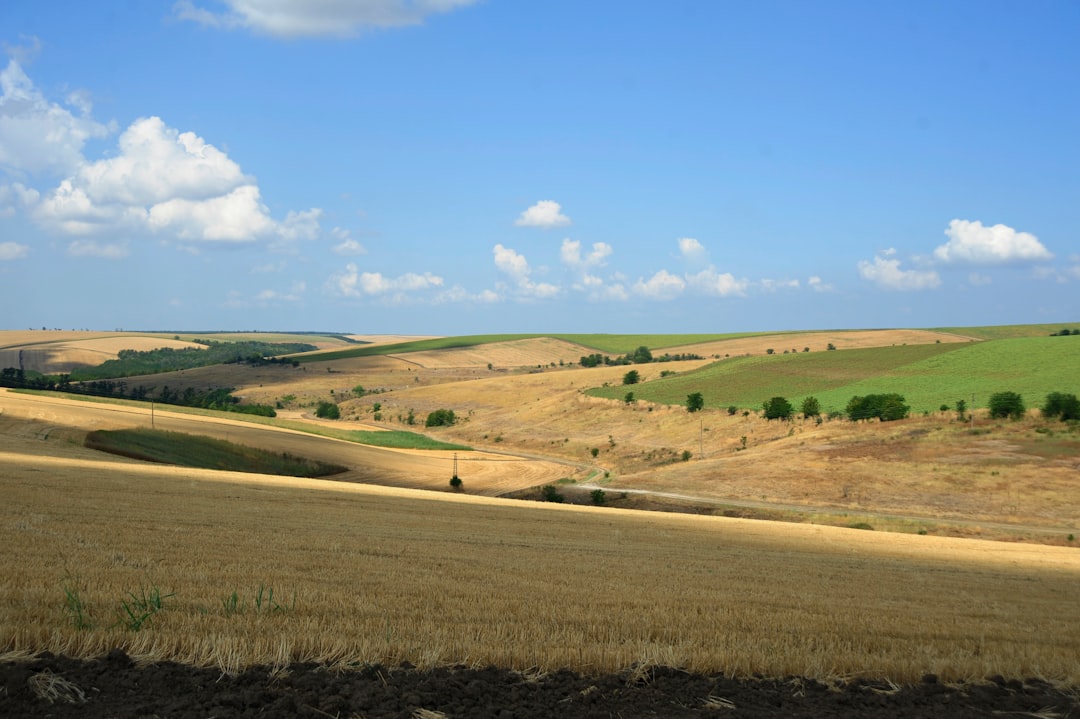
You’re likely hearing more and more about “private equity” and “farmland” in the same breath. It’s not a fleeting trend; it’s a significant shift in how capital is being deployed, and it’s crucial for you to understand what this means. Once considered the domain of generational farmers and local communities, farmland is now attracting the attention of sophisticated financial players like private equity firms. This growing interest isn’t coming out of nowhere; it’s driven by a complex interplay of global trends, economic realities, and a calculated assessment of risk and return.
You operate in a world where the demand for food is unceasing, and in many ways, accelerating. This fundamental truth is at the heart of private equity’s burgeoning interest in farmland. The global population continues to grow, and with it, the need for reliable and scalable food sources. This inherent demand provides a long-term, stable backdrop for agricultural investments.
Growing Global Population and Increased Food Demand
Consider the sheer numbers. Projections consistently show the world population reaching 9 billion and beyond in the coming decades. This isn’t a speculative bubble; it’s a demographic reality. Each new person requires sustenance. Furthermore, as economies develop, dietary habits often shift, with increased consumption of meat and dairy products, which are more resource-intensive to produce. This translates directly into a higher demand for the land, water, and inputs necessary to cultivate crops and raise livestock.
The Role of Emerging Markets
Your understanding of global economics must extend to emerging markets. As these economies mature, a rising middle class emerges with greater purchasing power and evolving food preferences. This creates new and expanding markets for agricultural products. Private equity, with its global reach, is well-positioned to capitalize on these growth opportunities, often seeing them as more dynamic than saturated developed markets.
Climate Change and Agricultural Volatility
You can’t ignore the growing impact of climate change on agriculture. Erratic weather patterns, including droughts, floods, and extreme temperatures, are becoming more common, leading to increased volatility in crop yields and prices. While this presents challenges, it also creates opportunities for those with the capital and expertise to manage these risks effectively. Private equity firms, with their sophisticated risk management capabilities and ability to invest in resilient farming practices and technologies, may see this volatility as a factor that can be mitigated or even exploited.
Investing in farmland has become an increasingly attractive option for private equity firms looking to diversify their portfolios and capitalize on the growing demand for sustainable food sources. A related article that delves deeper into this trend can be found at How Wealth Grows, which explores the benefits and challenges of farmland investment, as well as insights into market dynamics and future opportunities in the agricultural sector.
Private Equity’s Strategic Rationale for Farmland Investment
Why, specifically, are private equity firms drawn to farmland? It’s not simply a matter of buying land; it’s a strategic decision based on a perceived set of advantages that align with their investment philosophy. You need to look beyond the simple act of acquisition and understand the underlying economic drivers.
Diversification and Inflation Hedging
You, as an investor or a business owner, are always thinking about diversification. Farmland offers a unique asset class that often behaves differently from traditional financial markets like stocks and bonds. This can provide a valuable diversification benefit to a portfolio. Furthermore, farmland has historically been considered a hedge against inflation. As the cost of goods and services rises, so too can the value of agricultural commodities and the land that produces them.
Correlation with Other Asset Classes
You’ll find that farmland returns often have a low correlation with traditional equities and fixed income. This means that when your stock portfolio is declining, your farmland investment might be holding steady or even appreciating, thus cushioning overall portfolio losses. This independence from market fluctuations is a significant draw for sophisticated investors.
The Tangible Nature of Agricultural Assets
Unlike paper assets, farmland is a tangible asset. You can see it, touch it, and it produces something of real value – food. This inherent tangibility can appeal to investors seeking a more grounded investment, particularly in times of economic uncertainty.
Long-Term, Stable Cash Flows
Private equity firms are often looking for investments that can generate predictable, long-term cash flows. Farmland, when managed effectively, can deliver this through crop sales, livestock operations, or even leases to agricultural tenants. The cyclical nature of agriculture means prices can fluctuate, but the underlying demand for food provides a persistent income stream.
Lease Agreements and Rental Income
Many private equity farmland investments involve leasing the land to experienced farmers. These lease agreements can provide a steady stream of rental income, which is a key component of the cash flow generation strategy. The terms of these leases can be structured to provide stability and predictability for the investor.
Potential for Value Appreciation
Beyond the income generated from operations, you also need to consider the potential for capital appreciation of the land itself. As the demand for food continues to grow and arable land remains finite, the underlying value of farmland can increase over time. This appreciation can be driven by factors such as increased productivity, infrastructure development, and the inherent scarcity of productive agricultural land.
Operational Efficiencies and Technological Advancements
Private equity firms are not passive investors. They often bring significant operational expertise and capital to bear on the assets they acquire. This can translate into significant improvements in farmland productivity and profitability. You might see them investing in new technologies and modern farming practices.
Precision Agriculture and Data Analytics
You’re aware of how technology is transforming every industry. Agriculture is no exception. Private equity firms are well-equipped to invest in and implement technologies like precision agriculture, which uses data analytics, GPS, and sensors to optimize planting, irrigation, and fertilization. This leads to increased yields, reduced waste, and improved sustainability.
Mechanization and Infrastructure Improvements
Efficient farming requires robust machinery and well-maintained infrastructure. Private equity can provide the capital necessary for upgrading equipment, improving irrigation systems, and enhancing storage and transportation facilities. These investments directly contribute to increased operational efficiency and profitability.
Models of Private Equity Farmland Investment
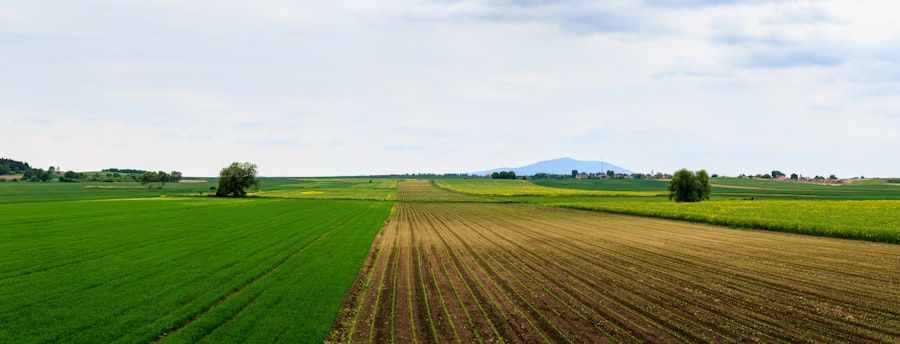
It’s not a monolithic approach. Private equity firms employ various strategies when investing in farmland, each with its own nuances and risk profiles. Understanding these different models will help you grasp the breadth of their involvement.
Direct Ownership and Management
In this model, the private equity firm directly purchases farmland and takes on the responsibility for its management. This can involve hiring farm managers, overseeing planting and harvesting, and making operational decisions. This is often seen as a more hands-on approach.
Acquiring Existing Farms
Firms might purchase established farms that are already in operation. This allows them to leverage existing infrastructure and farming knowledge, while potentially implementing their own operational enhancements.
Developing New Agricultural Operations
In some cases, private equity firms may engage in developing new agricultural operations on previously undeveloped or underutilized land. This can involve significant upfront investment in land preparation, irrigation, and infrastructure.
Sale-Leaseback Transactions
This model involves acquiring farmland from existing agricultural entities and then leasing it back to the original seller. This provides the original owner with capital while allowing them to continue farming the land, and it provides the private equity firm with a long-term lease income stream.
Providing Liquidity to Farmers
For many farmers, their land represents their most significant asset. Sale-leaseback transactions can offer a way for farmers to access capital for expansion, debt reduction, or other business needs without having to sell their operating business entirely.
Securing Long-Term Income Streams
From the private equity perspective, these transactions can be attractive because they often come with long-term lease agreements, providing a predictable and stable income stream from a tangible asset.
Investing in Agricultural Technology and Infrastructure Companies
You’ll also find private equity firms investing in companies that support the agricultural sector, rather than directly in farmland itself. This can include companies involved in seed production, crop protection, farm equipment manufacturing, or agricultural logistics.
Vertical Integration and Supply Chain Control
By investing in various parts of the agricultural supply chain, private equity firms can seek to create more integrated and efficient operations, potentially gaining greater control over costs and market access.
Innovation and Disruption in Agri-Tech
The agri-tech sector is a hotbed of innovation. Private equity firms often invest in promising startups and established companies that are developing groundbreaking technologies to improve agricultural productivity, sustainability, and efficiency.
Challenges and Criticisms of Private Equity in Farmland

You can’t discuss a growing trend without acknowledging the potential downsides and criticisms. The involvement of large financial institutions in agriculture isn’t without its detractors, and you should be aware of these concerns.
Concerns Over Land Consolidation and Small Farmer Viability
One of the most significant criticisms is the potential for private equity firms to contribute to land consolidation. As these firms acquire large tracts of land, they can outcompete smaller, family-owned farms, potentially leading to a decline in the number of independent farmers.
Impact on Local Communities
The consolidation of farmland can have profound impacts on rural communities. When land is owned by distant corporations, local decision-making power can diminish, and profits may be repatriated away from the region, affecting local economies and social structures.
Competition for Essential Resources
Large-scale farmland ownership can also lead to increased competition for essential resources like water and land, potentially putting further pressure on smaller operations.
Ethical Considerations and Corporate Farming Practices
You need to consider the ethical implications of large financial institutions influencing food production. Critics often raise questions about the priorities of profit-driven entities versus the societal needs for food security and sustainable agriculture.
Corporate Social Responsibility
There are ongoing debates about the extent to which private equity firms should be held accountable for the social and environmental impacts of their agricultural investments. Critics argue that profit motives can sometimes override concerns for environmental stewardship and fair labor practices.
Transparency and Accountability
The private nature of private equity investments can sometimes lead to a lack of transparency regarding their operations and impact, making it difficult for the public and policymakers to assess their practices effectively.
Volatility and Speculative Behavior
While private equity can bring capital and expertise, there’s also a risk that their involvement could introduce speculative behavior into the agricultural market, potentially exacerbating price volatility without necessarily improving long-term food security.
The “Flipping” of Farmland
In some instances, private equity firms may acquire land with the intention of improving it and then selling it for a profit relatively quickly. While this can be a valid investment strategy, it can also lead to instability in land markets and may not prioritize sustainable, long-term agricultural practices.
Investing in farmland has become an increasingly attractive option for private equity firms seeking stable returns in a volatile market. A recent article discusses the various factors driving this trend, highlighting the benefits of agricultural assets as a hedge against inflation and economic uncertainty. For those interested in exploring this topic further, you can read more about the dynamics of farmland investment in the insightful piece found here. This resource provides a comprehensive overview of how private equity is reshaping the agricultural landscape and the potential implications for investors.
The Future Outlook and Your Role
| Metrics | Data |
|---|---|
| Total Farmland Investment | USD 50 billion |
| Annual Return on Investment | 8-12% |
| Farmland Portfolio Size | 100,000-500,000 acres |
| Investment Duration | 5-15 years |
The growing interest in farmland investment by private equity is unlikely to dissipate soon. You need to consider what this means for the future of agriculture and your own place within it.
Increasing Sophistication of Investment Strategies
You can expect private equity’s engagement with farmland to become even more sophisticated. This will likely involve greater use of data, advanced modeling, and a deeper understanding of ag-tech and sustainable practices.
Focus on ESG (Environmental, Social, and Governance) Factors
As ESG considerations become more prominent in investment decisions, private equity firms are likely to increasingly focus on sustainable and responsible farming practices to mitigate risks and attract responsible capital. You’ll see more emphasis on water management, soil health, and biodiversity.
Innovative Financing Structures
To access a wider range of opportunities, you might see the development of more innovative financing structures that allow for broader participation in farmland investments, potentially including more opportunities for smaller investors or farmer cooperatives.
The Importance of Regulation and Policy
You can’t underestimate the role of government and regulatory bodies. As private equity’s influence in agriculture grows, there will likely be increased scrutiny and calls for policies that ensure fair competition, protect small farmers, and promote sustainable land management.
Balancing Financial Investment with Food Security
Policymakers will face the challenge of balancing the benefits of private capital investment in agriculture with the need to ensure food security, protect rural communities, and promote environmentally sound practices.
Protecting the Rights of Farmers and Land Stewards
Regulations may emerge to protect the rights of existing farmers when their land is targeted for acquisition and to encourage long-term stewardship of agricultural land.
Your Perspective as a Stakeholder
Ultimately, your understanding of this trend is crucial. Whether you are a farmer, a consumer, a policymaker, or an investor, you have a stake in the future of agriculture and how it is financed. You need to stay informed.
Informed Consumer Choices
As a consumer, your purchasing decisions can influence demand for products from farms that prioritize sustainability and local sourcing, potentially counteracting some of the negative impacts of large-scale corporate ownership.
Farmer Adaptation and Collaboration
For farmers, adapting to this new landscape may involve exploring collaborations with investors, adopting new technologies, and focusing on niche markets or value-added products. You might even see new models of farmer-investor partnerships.
Investor Due Diligence
For those considering investing in farmland, whether directly or indirectly, thorough due diligence is paramount. Understanding the long-term implications, the management practices, and the environmental and social impacts is no longer optional; it’s essential.
The growing interest of private equity in farmland is a complex phenomenon that will continue to shape the agricultural sector for years to come. Your continued awareness and understanding of this evolving landscape are key to navigating its challenges and opportunities.
FAQs
What is farmland investment by private equity?
Farmland investment by private equity refers to the practice of private equity firms investing in agricultural land for the purpose of generating returns. This can involve purchasing farmland, improving its productivity, and selling it at a profit, or leasing the land to agricultural operators and collecting rental income.
How do private equity firms invest in farmland?
Private equity firms can invest in farmland by directly purchasing agricultural land, forming partnerships with existing farm operators, or investing in agricultural technology and infrastructure. They may also seek to improve the productivity of the land through sustainable farming practices and modernization.
What are the potential benefits of farmland investment by private equity?
Potential benefits of farmland investment by private equity include portfolio diversification, potential for long-term capital appreciation, and the opportunity to invest in a tangible asset with inherent value. Additionally, investing in farmland can provide exposure to the global agricultural industry and its potential for growth.
What are the risks associated with farmland investment by private equity?
Risks associated with farmland investment by private equity include exposure to fluctuations in commodity prices, environmental and regulatory risks, and the potential for adverse weather conditions impacting crop yields. Additionally, there may be challenges related to land management and operational complexities.
How can individuals invest in farmland through private equity?
Individuals interested in investing in farmland through private equity can do so by exploring investment opportunities offered by private equity firms specializing in agriculture and farmland. This may involve participating in private equity funds or direct investment opportunities that align with their investment objectives and risk tolerance.