You’re tired of seeing your electricity bill creep up, aren’t you? It feels like a constant battle, a relentless march of price increases that seem out of your control. But what if you have more power than you think? What if you can actively influence your electricity rates and prevent those jarring hikes? This isn’t about magic fixes or empty promises; it’s about understanding the system, taking strategic action, and empowering yourself to manage your energy costs.
The reality is, electricity rates are influenced by a complex web of factors, from fuel prices and infrastructure upgrades to regulatory decisions and demand fluctuations. While you can’t single-handedly control the global energy market, you can, and should, take steps to optimize your own consumption and explore avenues that offer better pricing. This article will guide you through the practical, actionable strategies you can employ to combat rising electricity rates and secure a more stable financial future for your household or business.
Before you can effectively “fix” your rates, you need to truly understand what you’re paying for. Your electricity bill is more than just a number; it’s a detailed breakdown of your energy usage and the costs associated with it. Treating it as an opaque expense to be grudgingly paid is a sure way to remain subject to unpredictable hikes.
Decoding the Components of Your Bill
The Base Rate (Energy Charge)
This is the core of your bill, representing the cost of the electricity you actually consume. It’s usually measured in kilowatt-hours (kWh).
Volatility and Its Drivers
- Fuel Costs: The price of natural gas, coal, and other fuels used to generate electricity is a primary driver of the energy charge. When these prices spike, you’ll almost certainly see your kWh rate increase.
- Supply and Demand: On hot days when everyone is running their air conditioners, demand surges, and so do prices. Conversely, during periods of low demand, rates can sometimes be lower.
- Generation Mix: The types of power plants in your region significantly impact costs. Renewable energy, while environmentally beneficial, can have different cost structures than traditional fossil fuel plants.
- Market Fluctuations: Wholesale electricity markets are dynamic. Prices can change hourly, even minute-by-minute, and these fluctuations are ultimately passed on to consumers.
Fixed Charges and Delivery Fees
Beyond the energy consumed, there are other charges that contribute to your overall bill. These are often less directly tied to your immediate usage but are essential for maintaining the infrastructure that delivers power to your home.
Infrastructure and Transmission Costs
- Transmission and Distribution (T&D) Charges: These cover the cost of building and maintaining the power lines, substations, and other equipment used to transport electricity from power plants to your doorstep.
- System Benefits Charges: In some regions, these charges contribute to programs like energy efficiency initiatives, renewable energy development, or low-income assistance.
- Customer Service Fees: These cover the administrative costs of your utility company, such as billing, meter reading, and customer support.
Understanding Your Rate Plan
Most utility companies offer various rate plans. Simply sticking with the default plan might not be the most cost-effective option for your specific usage patterns.
Different Rate Structures Explained
- Flat Rate: A single price per kWh, regardless of when you use electricity. This is the simplest but often not the most flexible for reducing costs.
- Tiered Rate: The price per kWh increases as your consumption goes up in a billing cycle. This encourages conservation by making higher usage more expensive.
- Time-of-Use (TOU) Rate: Electricity is priced differently based on the time of day. Peak hours (when demand is highest) are more expensive than off-peak hours (when demand is lower). This is a crucial area for potential savings if you can shift your usage.
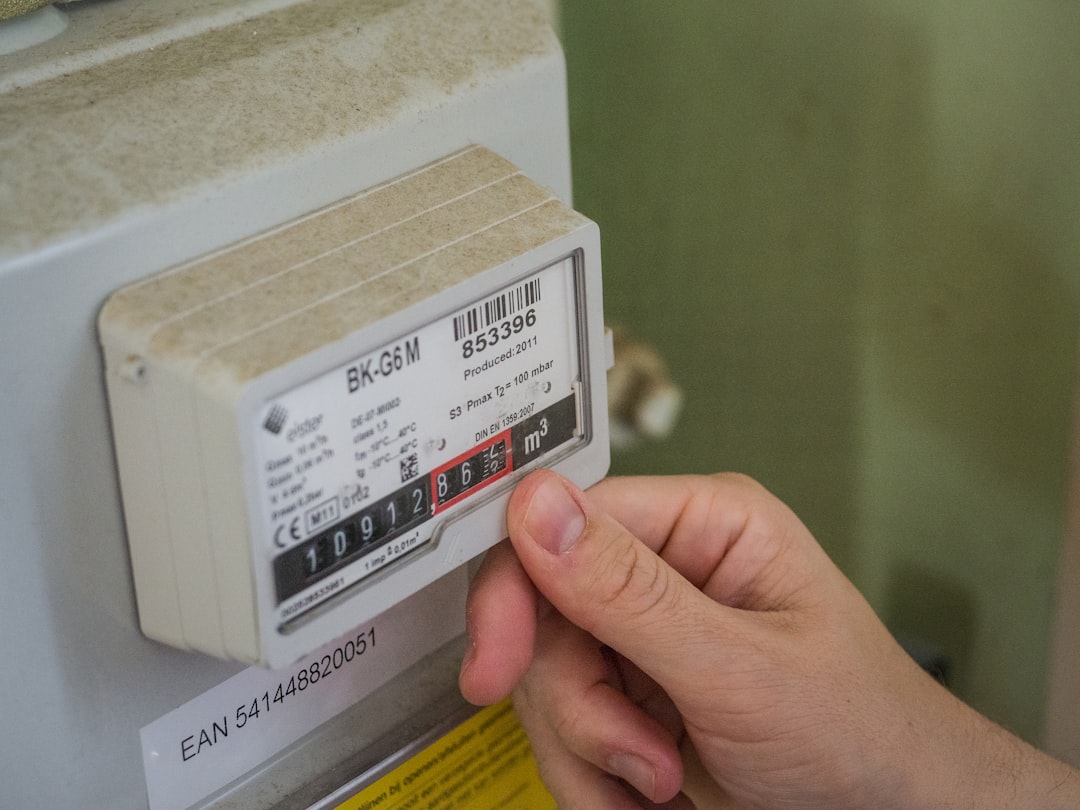
Reading Your Meter Readings
Don’t underestimate the importance of understanding how your meter works and checking your readings.
Verifying Your Consumption
- Meter Dial Interpretation: Learn to read your analog or digital meter. This is your direct measurement of energy usage.
- Comparing Bill to Meter: Regularly compare the meter readings on your bill to the actual readings on your meter. This helps catch billing errors.
- Smart Meter Data: If you have a smart meter, explore the online portals your utility offers. These often provide granular data on your hourly or even daily consumption, allowing for more precise analysis.
To effectively address the rising electricity rates and explore potential solutions before hikes take effect, it is essential to stay informed about the latest strategies and insights. A related article that delves into practical approaches for managing and fixing electricity rates can be found at this link: How to Fix Electricity Rates Before Hikes. This resource provides valuable information that can help consumers and businesses alike navigate the complexities of energy pricing and make informed decisions.
Optimizing Your Energy Consumption: The Power of Conservation
The most direct way to preemptively address electricity rate hikes and reduce your overall bill is to consume less energy. This is not about living in the dark; it’s about being more efficient and making smarter choices.
Reducing Usage During Peak Hours
If you’re on a Time-of-Use (TOU) rate plan, this is where you’ll find the most significant savings. Even if you’re not, reducing peak demand is generally beneficial for the grid and can indirectly influence rates.
Shifting High-Energy Activities
- Appliance Scheduling: Program dishwashers, washing machines, dryers, and even electric vehicle chargers to run during off-peak hours. Many modern appliances have this functionality built-in.
- Lighting Management: While not as energy-intensive as major appliances, even lighting can contribute more during peak times. Ensure lights are off when not needed, especially in unoccupied rooms.
- Thermostat Adjustments: Minimize significant temperature changes during peak hours. Pre-cool or pre-heat your home during off-peak times if feasible.
Improving Home Insulation and Sealing
A significant portion of your energy consumption goes towards heating and cooling your home. Improving its thermal efficiency directly reduces this demand.
Minimizing Energy Loss
- Attic and Wall Insulation: Ensure your attic and walls are adequately insulated. This is one of the most effective ways to keep your home warm in winter and cool in summer, reducing the workload on your HVAC system.
- Window and Door Sealing: Drafts around windows and doors are major sources of heat loss and gain. Use weatherstripping and caulk to seal these gaps. Consider energy-efficient window films.
- Appliance Efficiency: Older appliances, especially refrigerators and freezers, can be significant energy drains. When it’s time for replacements, opt for Energy Star certified models.
Using Energy-Efficient Appliances and Lighting
Investing in modern, efficient appliances and lighting can have a substantial long-term impact on your energy bills.
Smart Choices for Long-Term Savings
- LED Lighting: Replace incandescent bulbs with Light Emitting Diodes (LEDs). They use significantly less energy and last much longer.
- Energy Star Appliances: Look for the Energy Star label when purchasing new appliances. These products meet strict energy efficiency guidelines set by the U.S. Environmental Protection Agency.
- Smart Thermostats: These devices learn your habits and can automatically adjust your home’s temperature to optimize comfort and energy savings, especially when integrated with TOU plans.
Mindful Usage of Electronics
Even seemingly small energy consumers can add up over time, especially when left on unnecessarily.
Standby Power and “Vampire” Loads
- Unplugging Chargers: Unplug phone chargers, laptop chargers, and other small electronics when they are not in use. They still draw power even when the device isn’t connected or fully charged.
- Power Strips: Use power strips with on/off switches for clusters of electronics (e.g., entertainment centers, computer workstations). This allows you to easily cut power to multiple devices at once.
- Energy-Saving Modes: Utilize the power-saving features on your computers, televisions, and other electronic devices.
Exploring Alternative Rate Plans and Providers
Your current rate plan might be a relic of a time that no longer fits your lifestyle or the energy market. Actively investigating alternatives can unlock significant savings.
Understanding Your Utility’s Offerings
Your primary electricity provider likely offers more than just a single, flat-rate plan. Dig into their options.
Evaluating Different Rate Structures
- Time-of-Use (TOU) Deep Dive: As mentioned, if you can shift your high-demand activities to off-peak hours, TOU plans can be incredibly beneficial. Analyze your current usage patterns to see if this is a viable option.
- Demand Response Programs: Some utilities offer programs that incentivize you to reduce your electricity usage during peak demand periods. This might involve receiving text alerts to adjust your thermostat or power down certain appliances.
- Bundled Services: Sometimes, utilities offer bundled packages that might include other services. Evaluate if these bundles offer any true cost savings compared to individual services.
Considering Renewable Energy Options
The growth of renewable energy sources presents new opportunities for consumers to potentially stabilize or even reduce their electricity costs.
Solar Power and Community Solar
- Rooftop Solar Installation: If you own your home and are in a suitable location, installing solar panels can significantly reduce your reliance on grid electricity. While there’s an upfront investment, the long-term savings and potential for feed-in tariffs (selling excess power back to the grid) can be substantial.
- Community Solar Programs: For those who cannot install rooftop solar (e.g., renters, building restrictions), community solar projects allow you to subscribe to a portion of a larger solar farm. You receive credits on your electricity bill for the energy generated by your share.
The Role of Energy Deregulation (Where Applicable)
In some states and regions, the electricity market has been deregulated, meaning consumers can choose their electricity supplier from a variety of competing companies.
Navigating a Competitive Market
- Supplier Options: Research independent electricity suppliers in your area. They often compete on price, offering different rate plans and contract terms than your traditional utility.
- Contract Review: Carefully read the terms and conditions of any contract with an alternative supplier. Understand the contract length, pricing structure (fixed vs. variable), early termination fees, and any hidden charges.
- Price Comparisons: Websites and consumer advocacy groups often provide comparison tools to help you find the best rates from various suppliers.
Advocating for Fairer Rates and Policies
While individual actions are crucial, systemic change is also necessary to prevent widespread electricity rate hikes.
Engaging with Your Utility Company
Don’t be afraid to communicate with your electricity provider. You have rights and can inquire about options.
Proactive Communication and Inquiries
- Inquire About Programs: Ask about any energy efficiency programs, rebates, or special rate plans your utility offers that you may have missed.
- Understand Bill Changes: If you see a significant change in your bill, contact them for an explanation. Sometimes, it’s a simple billing error.
- Voice Concerns: While not always yielding immediate results, voicing your concerns about rising rates to your utility can contribute to their awareness of customer sentiment.
Understanding the Regulatory Landscape
Electricity rates are often set or influenced by regulatory bodies. Understanding how these bodies operate is key to informed advocacy.
The Power of Public Comment and Engagement
- Identify Your Regulator: Determine which state or local regulatory commission oversees your utility.
- Attend Public Hearings: Many regulatory decisions involve public comment periods and hearings. Attending these, even as an observer, can provide insight into the decision-making process.
- Submit Written Comments: Most regulatory bodies allow for written comments to be submitted during public comment periods. This is your opportunity to express your views on proposed rate changes or new policies.
Supporting Energy Efficiency and Renewable Energy Policies
Advocating for broader adoption of energy-efficient technologies and renewable energy sources can lead to a more stable and cost-effective energy future.
Collective Action for Long-Term Impact
- Contact Elected Officials: Reach out to your local, state, and federal representatives to express your support for policies that promote energy efficiency, renewable energy development, and consumer protection.
- Join Advocacy Groups: Several organizations work to advocate for fair energy policies and consumer rights. Supporting these groups amplifies your voice.
- Promote Awareness: Talk to your neighbors, friends, and colleagues about energy conservation and the importance of fair electricity rates. Collective awareness can drive demand for change.
As electricity rates continue to rise, many households are seeking effective strategies to manage their energy costs. One insightful article that offers practical advice on this topic can be found at How Wealth Grows, where readers can discover various methods to mitigate the impact of rate hikes. By exploring options such as energy-efficient appliances and alternative energy sources, consumers can take proactive steps to ensure their electricity bills remain manageable.
Technology and Innovation: Tools for Rate Control
| Steps to Fix Electricity Rates Before Hikes | Benefits |
|---|---|
| 1. Research alternative energy providers | Lower rates, renewable energy options |
| 2. Consider switching to a fixed-rate plan | Predictable monthly bills, protection from rate hikes |
| 3. Reduce energy consumption | Lower overall bills, environmental impact |
| 4. Advocate for energy policy changes | Potential long-term rate stability |
The landscape of energy management is constantly evolving with new technological advancements. Leveraging these can give you an edge in controlling your costs.
Smart Home Technology and Energy Management
The “smart home” concept extends beyond convenience; it’s a powerful tool for optimizing energy consumption.
Integrated Systems for Efficiency
- Smart Home Hubs: Devices like Amazon Echo, Google Home, or dedicated smart home hubs can integrate with a wide range of smart thermostats, smart plugs, and smart lighting.
- Automated Energy Savings: Configure your smart home system to automatically adjust devices based on your TOU schedule, occupancy sensors, or even external weather data. For example, the system can pre-cool your home before peak hours and then slightly increase the temperature during peak, minimizing immediate impact.
- Real-time Monitoring and Alerts: Many smart home systems offer real-time energy consumption monitoring, allowing you to identify energy-hungry devices and receive alerts for unusual spikes.
Energy Storage Solutions
The development of affordable and accessible energy storage is a game-changer for managing electricity rates.
Batteries of Today and Tomorrow
- Home Battery Systems: While still a significant investment, home battery systems (paired with solar or even just for grid support) allow you to store electricity when it’s cheap (off-peak) and use it during expensive peak times. This can effectively flatten your energy costs.
- Vehicle-to-Grid (V2G) Technology: Emerging V2G technology allows your electric vehicle to not only draw power from the grid but also supply power back to it during peak demand. This is a future innovation that could offer significant benefits to both EV owners and the grid.
Data Analytics and Predictive Modeling
The vast amount of data generated by smart meters and smart home devices can be harnessed for more sophisticated energy management.
Leveraging Data for Smarter Decisions
- Personalized Consumption Insights: Utility portals and third-party apps can analyze your consumption data to provide personalized recommendations for reducing usage and optimizing your rate plan.
- Predictive Load Shifting: As the technology advances, systems may be able to predict future energy prices and automatically shift your energy-intensive tasks to the most cost-effective times.
- Demand Forecasting: For businesses, advanced analytics can help forecast energy demand, allowing for more strategic procurement of electricity and negotiation with suppliers.
By understanding your options, taking consistent action, and staying informed about emerging technologies, you can move from feeling like a victim of rising electricity rates to becoming an active participant in controlling your energy future. It requires diligence and a proactive approach, but the potential for significant savings and greater financial stability is well within your reach.
FAQs
What are electricity rate hikes?
Electricity rate hikes refer to the increase in the cost of electricity charged by utility companies. These increases can be due to various factors such as inflation, changes in fuel costs, or infrastructure upgrades.
How can I fix my electricity rates before hikes?
One way to fix electricity rates before hikes is to consider signing up for a fixed-rate electricity plan offered by your utility company or a third-party supplier. These plans lock in a set rate for a specific period, providing protection against potential rate hikes.
What are the benefits of fixing electricity rates?
Fixing electricity rates can provide stability and predictability in your energy costs, making it easier to budget and plan for expenses. It also offers protection against sudden increases in electricity rates, providing peace of mind for consumers.
Are there any potential drawbacks to fixing electricity rates?
While fixing electricity rates can provide protection against rate hikes, it may also mean that you miss out on potential savings if market rates decrease. Additionally, some fixed-rate plans may come with early termination fees if you decide to switch providers before the contract ends.
What other strategies can I use to manage electricity costs?
In addition to fixing electricity rates, consumers can also consider energy-efficient practices, such as using energy-saving appliances, improving insulation, and exploring renewable energy options like solar panels. It’s also important to regularly compare electricity plans and providers to ensure you’re getting the best deal.