
The gig economy has significantly transformed work patterns over the past decade, replacing traditional employment with short-term contracts, freelance opportunities, and digital platform-mediated work. This shift enables individuals to determine their own work schedules and methods.
Several factors have contributed to the gig economy’s expansion. Digital technology has facilitated seamless connections between workers and clients through applications and online platforms. Economic disruptions, particularly the 2008 financial crisis, prompted many individuals to seek alternative income sources.
While gig work offers considerable autonomy, including flexible scheduling and the ability to maintain multiple revenue streams, this independence introduces distinct challenges that workers must address.
Key Takeaways
- The gig economy is rapidly growing, creating new work opportunities but also unique challenges for workers.
- Portable benefits are flexible, transferable benefits that follow gig workers across different jobs and platforms.
- Portable benefits are crucial for gig workers to achieve financial security and access essential services like healthcare and retirement plans.
- Governments and employers play a key role in developing and providing portable benefits to support gig workers.
- Collaboration among stakeholders is necessary to create effective portable benefits systems that enhance gig workers’ well-being and future stability.
The Challenges Faced by Gig Workers
As you delve deeper into the gig economy, you may encounter various challenges that can complicate your experience as a gig worker. One of the most pressing issues is the lack of job security. Unlike traditional employees who enjoy stable salaries and benefits, gig workers often face unpredictable income streams.
This uncertainty can make it difficult for you to plan for the future or secure loans, as lenders typically prefer borrowers with stable employment histories. Moreover, you might find that gig work often lacks essential benefits such as health insurance, retirement plans, and paid time off. This absence of support can leave you vulnerable in times of need, whether it’s due to illness or unexpected life events.
The pressure to constantly hustle for your next gig can lead to burnout and stress, making it crucial for you to find ways to mitigate these challenges while still enjoying the flexibility that gig work offers.
What are Portable Benefits?
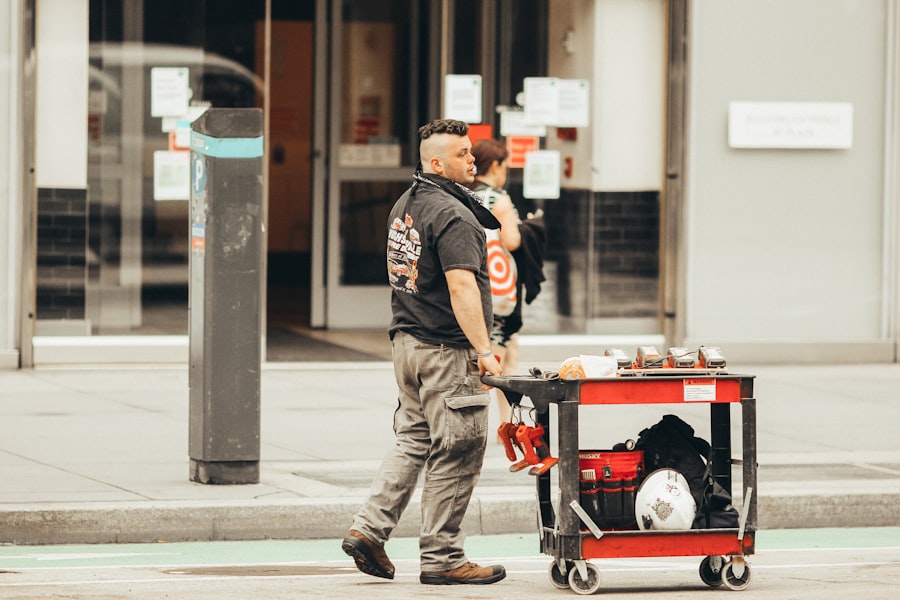
As you explore solutions to the challenges faced by gig workers, you may come across the concept of portable benefits. These are benefits that are not tied to a specific employer but can be carried from one job to another, providing you with a safety net regardless of your employment status. Portable benefits can include health insurance, retirement savings plans, and paid leave, all designed to support your well-being as you navigate various gigs.
The idea behind portable benefits is to create a more equitable system for workers who do not have access to traditional employment benefits. As a gig worker, you may appreciate the flexibility that portable benefits offer, allowing you to maintain essential coverage even as you transition between different jobs or projects. This innovative approach aims to address the gaps in support that many gig workers face while promoting a more sustainable work environment.
The Importance of Portable Benefits for Gig Workers
Understanding the importance of portable benefits is crucial for your long-term success as a gig worker. These benefits provide a sense of security that can alleviate some of the stress associated with unpredictable income and job instability. By having access to health insurance and retirement savings options, you can focus on building your career without constantly worrying about your financial future.
Additionally, portable benefits can enhance your overall quality of life. With access to essential services like healthcare, you can prioritize your well-being and seek medical attention when needed without incurring crippling debt. This support not only benefits you but also contributes to a healthier workforce overall.
As more individuals embrace gig work, the demand for portable benefits will likely grow, making it an essential topic for discussion among policymakers and industry leaders.
Examples of Portable Benefits for Gig Workers
| Metric | Description | Value/Statistic | Source/Notes |
|---|---|---|---|
| Percentage of Gig Workers Seeking Portable Benefits | Proportion of gig workers who prioritize benefits that move with them across jobs | 68% | Survey by Gig Economy Data Institute, 2023 |
| Average Number of Jobs Held Annually by Gig Workers | Average count of different gigs or jobs a gig worker holds in a year | 3.7 | U.S. Bureau of Labor Statistics, 2022 |
| Common Types of Portable Benefits | Benefits that gig workers most frequently seek portability for | Health Insurance, Retirement Savings, Paid Sick Leave | National Gig Workers Survey, 2023 |
| Percentage of Gig Workers Without Any Benefits | Share of gig workers lacking access to traditional employment benefits | 55% | Harvard Law Review, 2022 |
| Average Monthly Cost of Portable Benefits Package | Estimated monthly cost for a basic portable benefits plan for gig workers | 150 | Portable Benefits Pilot Program Report, 2023 |
| Impact of Portable Benefits on Gig Worker Retention | Increase in retention rate among gig workers with access to portable benefits | 25% increase | Gig Economy Research Center, 2023 |
As you consider the various types of portable benefits available to gig workers, several examples stand out. Health insurance is perhaps the most critical benefit, allowing you to access medical care without facing exorbitant costs. Some organizations are working to create group health plans specifically designed for gig workers, enabling you to pool resources with others in similar situations.
Retirement savings plans are another vital component of portable benefits. You may find options like individual retirement accounts (IRAs) or specialized retirement plans tailored for freelancers and gig workers. These plans allow you to save for your future while maintaining the flexibility to contribute at your own pace.
Other examples include paid sick leave and parental leave policies that can be accessed regardless of your current employment status, ensuring that you have support during critical life events.
How Portable Benefits can Support Gig Workers’ Financial Security

The financial security that portable benefits provide cannot be overstated.
With health insurance coverage, you can avoid unexpected medical expenses that could derail your financial plans.
This security allows you to take calculated risks in your career without fearing the consequences of unforeseen circumstances. Moreover, portable retirement savings options enable you to plan for your future effectively. By contributing consistently to a retirement account, you can ensure that you have resources available when it’s time to retire.
This long-term planning is essential for maintaining financial stability throughout your life as a gig worker. Ultimately, portable benefits empower you to take control of your financial destiny while pursuing the flexibility and independence that gig work offers.
The Role of Government and Employers in Providing Portable Benefits
As discussions around portable benefits gain traction, both government and employers play crucial roles in shaping their implementation. You may wonder how policymakers can create frameworks that support gig workers in accessing these essential benefits. Governments can introduce legislation that mandates portable benefits for all workers, regardless of their employment status.
This approach would ensure that gig workers receive the same protections as traditional employees. Employers also have a responsibility to advocate for portable benefits within their industries. By collaborating with organizations that represent gig workers, they can help develop innovative solutions that address the unique needs of this workforce.
As a gig worker, you may benefit from increased advocacy efforts aimed at creating a more equitable system that recognizes the contributions of all workers.
The Impact of Portable Benefits on Gig Workers’ Well-being
The impact of portable benefits on your overall well-being is profound. When you have access to essential services like healthcare and retirement savings plans, you can focus on your work without the constant worry about your financial future or health concerns. This peace of mind allows you to be more productive and engaged in your gigs, ultimately leading to greater job satisfaction.
Furthermore, portable benefits contribute to a sense of community among gig workers. When individuals have access to similar support systems, they are more likely to share experiences and resources with one another. This camaraderie fosters collaboration and networking opportunities that can enhance your career prospects and create a more supportive environment for all gig workers.
The Future of Portable Benefits for Gig Workers
As the gig economy continues to evolve, the future of portable benefits looks promising. You may witness an increasing number of organizations advocating for these benefits as more people recognize the importance of supporting gig workers. With technological advancements paving the way for innovative solutions, there is potential for new platforms that facilitate access to portable benefits tailored specifically for freelancers and contract workers.
Moreover, as public awareness grows regarding the challenges faced by gig workers, there may be increased pressure on governments and employers to implement policies that promote portable benefits. This shift could lead to a more inclusive workforce where all individuals have access to essential support systems regardless of their employment status.
How Gig Workers Can Access Portable Benefits
Accessing portable benefits as a gig worker may seem daunting at first, but there are several avenues available to explore. You might start by researching organizations or platforms dedicated to providing resources specifically for gig workers. Many nonprofits and advocacy groups are working tirelessly to create networks that offer information about available benefits and how to access them.
Additionally, consider joining professional associations or online communities where fellow gig workers share their experiences and insights regarding portable benefits. These networks can provide valuable information about navigating the complexities of accessing healthcare coverage or retirement savings options tailored for freelancers like yourself.
The Need for Collaboration in Ensuring Portable Benefits for Gig Workers
Collaboration is key in ensuring that portable benefits become a reality for all gig workers. As you engage with fellow freelancers and industry leaders, consider advocating for policies that promote equitable access to essential services. By working together with others who share similar goals, you can amplify your voice and push for meaningful change within the gig economy.
Moreover, fostering partnerships between governments, employers, and advocacy groups will be crucial in developing comprehensive solutions that address the unique needs of gig workers. As a member of this evolving workforce, your input is invaluable in shaping policies that will ultimately benefit not only yourself but also countless others navigating the challenges of gig work. In conclusion, as you navigate the complexities of the gig economy, understanding the importance of portable benefits will empower you to build a more secure future while enjoying the flexibility that comes with freelance work.
By advocating for these essential services and collaborating with others in your community, you can help pave the way for a more equitable landscape for all gig workers.
Portable benefits for gig workers have become an increasingly important topic as the workforce evolves. A related article that delves into the implications and potential solutions for providing these benefits can be found at this link. This article discusses various models and approaches that could help ensure gig workers have access to essential benefits, promoting financial security and stability in an ever-changing job market.
FAQs
What are portable benefits for gig workers?
Portable benefits are a type of employee benefit that is not tied to a single employer but instead stays with the worker as they move between different jobs or gigs. These benefits can include health insurance, retirement plans, paid leave, and other protections that gig workers can carry with them regardless of their current employer.
Why are portable benefits important for gig workers?
Portable benefits are important because gig workers often work for multiple employers or platforms and typically do not receive traditional employee benefits. Portable benefits help provide financial security, health coverage, and other protections that are usually unavailable in gig work arrangements.
How do portable benefits differ from traditional employee benefits?
Traditional employee benefits are usually provided by a single employer and are tied to continuous employment with that company. Portable benefits, on the other hand, are designed to be independent of any one employer, allowing gig workers to maintain access to benefits as they switch jobs or work for multiple employers simultaneously.
Who provides portable benefits to gig workers?
Portable benefits can be provided by a variety of entities including government programs, private benefit funds, gig platforms, unions, or third-party organizations specifically created to manage and distribute these benefits to gig workers.
Are portable benefits legally required for gig workers?
Currently, there is no universal legal requirement for gig platforms or employers to provide portable benefits. However, some regions and countries are exploring or implementing legislation to require or encourage portable benefits for gig workers.
What types of benefits are typically included in portable benefits packages?
Common benefits included in portable benefits packages are health insurance, retirement savings plans, paid sick leave, disability insurance, unemployment benefits, and sometimes training or education funds.
How can gig workers access portable benefits?
Gig workers can access portable benefits through enrollment in programs offered by gig platforms, joining unions or worker associations that provide benefits, or through government-sponsored initiatives designed to support non-traditional workers.
Do portable benefits affect the classification of gig workers?
Portable benefits do not necessarily change the legal classification of gig workers as independent contractors or employees. They are designed to provide protections regardless of classification, although classification laws can impact eligibility and implementation.
What challenges exist in implementing portable benefits for gig workers?
Challenges include funding and financing the benefits, coordinating between multiple employers or platforms, legal and regulatory hurdles, ensuring equitable access, and managing administrative complexities.
Are there any examples of portable benefits programs currently in use?
Yes, some cities and states have pilot programs or laws supporting portable benefits, and certain gig platforms have started offering limited portable benefits. Additionally, some unions and worker cooperatives provide portable benefits to their members.