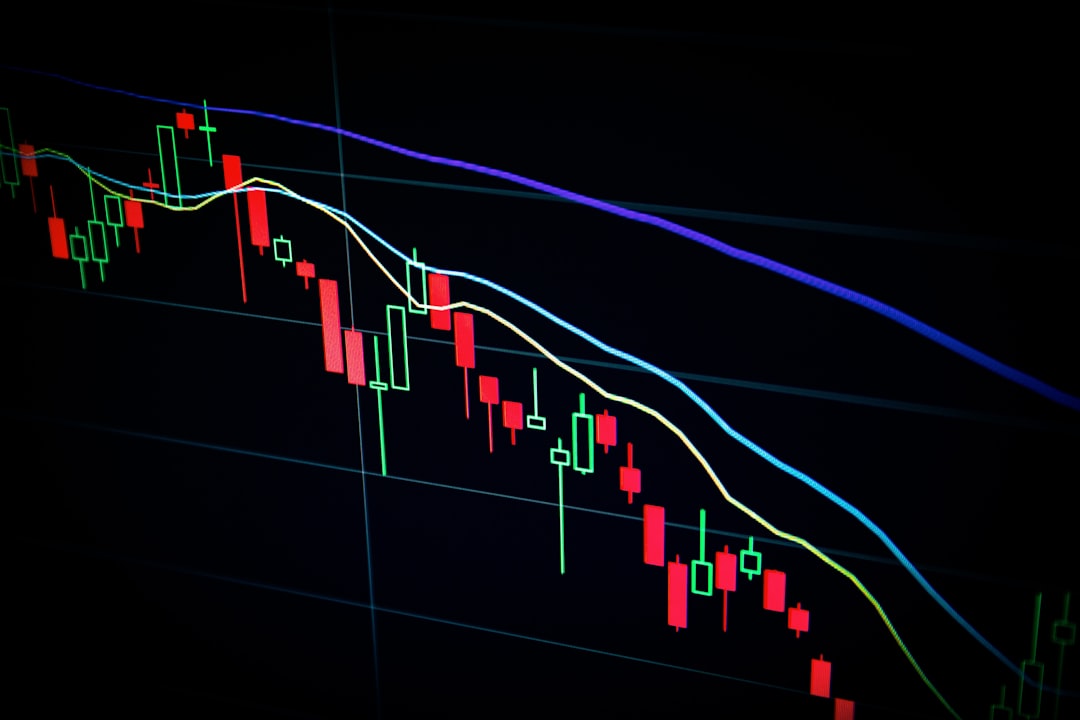
Thin float volatile stocks represent a distinct category in stock trading, characterized by a limited number of shares available for public trading. The float, which excludes shares held by company insiders or subject to trading restrictions, determines how easily a stock’s price can be influenced by market activity. When a stock has a thin float, even modest trading volume can trigger substantial price movements in either direction.
The mechanics of thin float stocks create a unique market dynamic. The restricted supply of tradable shares means that increased buying interest can rapidly drive prices upward as available shares become scarce. Similarly, when selling pressure emerges, prices can decline precipitously due to the limited absorption capacity of the market.
This inherent volatility presents both opportunity and risk for traders. Investors considering thin float stocks must recognize this fundamental trade-off. While these securities offer potential for significant price appreciation in short timeframes, they also carry elevated risk of sharp downturns.
The amplified price sensitivity makes thin float stocks particularly responsive to news events, market sentiment shifts, and trading patterns that might have minimal impact on stocks with larger floats.
Key Takeaways
- Thin float volatile stocks have a limited number of shares available for trading, leading to high price fluctuations.
- Trading these stocks carries significant risks but also offers potential for substantial rewards.
- Effective strategies include thorough research, technical analysis, and disciplined risk management.
- Utilizing specialized tools and indicators can help identify and analyze thin float volatile stocks accurately.
- Developing a comprehensive trading plan and avoiding common mistakes are crucial for success in this market segment.
Risks and Rewards of Trading Thin Float Volatile Stocks
Trading thin float volatile stocks presents a unique set of risks and rewards that you must carefully consider. On one hand, the potential for high returns is alluring. Because these stocks can experience sharp price movements, savvy traders can capitalize on short-term trends to realize significant profits.
If you can accurately predict market sentiment or identify catalysts that may drive demand, you could see your investment grow exponentially in a short period. However, the risks associated with these stocks cannot be overlooked. The same volatility that creates opportunities for profit can also lead to substantial losses.
A sudden shift in market sentiment or negative news can trigger a rapid sell-off, causing prices to drop dramatically. Additionally, the lack of liquidity in thin float stocks means that it may be challenging to execute trades at your desired price, leading to slippage and further losses. As you weigh the potential rewards against the inherent risks, it’s vital to develop a clear understanding of your risk tolerance and trading objectives.
Strategies for Navigating Thin Float Volatile Stocks

To successfully navigate the world of thin float volatile stocks, you need to employ specific strategies tailored to their unique characteristics. One effective approach is to focus on technical analysis, which involves studying price charts and patterns to identify potential entry and exit points. By analyzing historical price movements and volume trends, you can gain insights into market behavior and make more informed trading decisions.
This method allows you to capitalize on short-term price swings while minimizing exposure to longer-term risks. Another strategy is to stay informed about news and events that could impact the stock’s price. Thin float stocks are often more susceptible to market sentiment shifts driven by news releases, earnings reports, or industry developments.
By keeping a close eye on relevant information and understanding how it may affect supply and demand dynamics, you can position yourself to take advantage of price movements before they occur. Combining technical analysis with a keen awareness of market news can enhance your ability to navigate this volatile landscape effectively.
Identifying Thin Float Volatile Stocks
Identifying thin float volatile stocks requires a keen eye for detail and an understanding of key metrics. One of the first steps is to look at the stock’s float size, which is typically found in financial reports or stock screening tools. A float of fewer than 10 million shares is often considered thin, but this threshold can vary depending on the overall market context and sector dynamics.
Once you’ve identified potential candidates based on float size, you should also assess their historical volatility and trading volume. In addition to float size and volatility, consider examining the stock’s recent price movements and any catalysts that may have influenced them. Look for patterns in trading volume spikes or significant price changes that could indicate heightened interest from investors.
By combining these factors, you can create a shortlist of thin float volatile stocks that warrant further analysis and consideration for your trading strategy.
Tools for Analyzing Thin Float Volatile Stocks
| Metric | Description | Typical Range | Impact on Trading |
|---|---|---|---|
| Average Daily Volume | Number of shares traded daily | Below 100,000 shares | Low liquidity, higher bid-ask spreads |
| Float Size | Shares available for public trading | Less than 10 million shares | Limited supply can cause price spikes |
| Volatility (30-day) | Standard deviation of price changes | Above 5% daily | Higher risk and potential for rapid price moves |
| Bid-Ask Spread | Difference between buying and selling price | Typically 1-5% of stock price | Increased trading costs |
| Short Interest | Percentage of float sold short | Often above 20% | Potential for short squeezes |
| Price Impact per Trade | Price movement caused by a single trade | Can exceed 1% per trade | Unpredictable price swings |
To effectively analyze thin float volatile stocks, you need access to a variety of tools and resources that can provide valuable insights. Stock screeners are essential for filtering stocks based on specific criteria such as float size, market capitalization, and historical volatility. Many online brokerage platforms offer built-in screening tools that allow you to customize your search parameters and quickly identify potential trading opportunities.
In addition to stock screeners, charting software is invaluable for conducting technical analysis. These tools enable you to visualize price movements over time, identify trends, and apply various technical indicators to enhance your decision-making process. Furthermore, news aggregators can help you stay updated on relevant market developments that may impact your chosen stocks.
By leveraging these tools effectively, you can gain a comprehensive understanding of thin float volatile stocks and make more informed trading decisions.
Managing Risk When Trading Thin Float Volatile Stocks

Risk management is paramount when trading thin float volatile stocks due to their inherent unpredictability. One effective strategy is to set strict stop-loss orders that automatically sell your shares if they fall below a predetermined price level. This approach helps limit potential losses and protects your capital from sudden market downturns.
Additionally, consider using position sizing techniques to ensure that no single trade represents an outsized portion of your overall portfolio. Diversification is another key component of risk management in this context. While it may be tempting to concentrate your investments in a few promising thin float stocks, spreading your capital across multiple positions can help mitigate risk.
By diversifying your holdings, you reduce the impact of any single stock’s poor performance on your overall portfolio. As you develop your risk management plan, remember that maintaining discipline and adhering to your strategy is crucial for long-term success in trading thin float volatile stocks.
Best Practices for Trading Thin Float Volatile Stocks
To maximize your chances of success when trading thin float volatile stocks, it’s essential to adopt best practices that align with their unique characteristics. First and foremost, always conduct thorough research before entering any trade. Understand the company’s fundamentals, recent news developments, and market sentiment surrounding the stock.
This knowledge will empower you to make informed decisions based on a comprehensive understanding of the factors influencing price movements. Another best practice is to remain patient and disciplined in your trading approach. Thin float stocks can experience rapid price swings that may tempt you to make impulsive decisions based on fear or greed.
By maintaining a level-headed approach and adhering to your strategy, you’ll be better positioned to capitalize on opportunities while minimizing risks.
Common Mistakes to Avoid When Trading Thin Float Volatile Stocks
As you navigate the world of thin float volatile stocks, it’s crucial to be aware of common mistakes that can hinder your success. One frequent pitfall is overtrading—buying and selling too frequently in response to short-term price movements without a clear strategy in place. This behavior can lead to increased transaction costs and emotional fatigue, ultimately impacting your overall performance.
Another mistake is neglecting proper risk management practices. Failing to set stop-loss orders or overexposing yourself to a single position can result in significant losses if the market turns against you.
By avoiding these common missteps, you’ll enhance your chances of achieving consistent success in trading thin float volatile stocks.
The Impact of Market Conditions on Thin Float Volatile Stocks
Market conditions play a pivotal role in the performance of thin float volatile stocks. During periods of heightened market volatility or uncertainty, these stocks may experience exaggerated price movements as investors react emotionally to news events or economic indicators. For instance, during a market downturn or economic crisis, even fundamentally strong thin float stocks may suffer from panic selling due to their low liquidity.
Conversely, in bullish market conditions where investor sentiment is positive, thin float stocks may see increased demand as traders seek out high-risk opportunities for substantial gains. Understanding how broader market trends influence individual stock performance is essential for making informed trading decisions. By staying attuned to market conditions and adjusting your strategies accordingly, you can better navigate the complexities of trading thin float volatile stocks.
Building a Trading Plan for Thin Float Volatile Stocks
Creating a well-defined trading plan is crucial when engaging with thin float volatile stocks. Your plan should outline your objectives, risk tolerance, entry and exit strategies, and criteria for selecting stocks. Start by setting clear goals—whether you’re aiming for short-term gains or long-term investments—and determine how much capital you’re willing to allocate to this segment of your portfolio.
Next, establish specific criteria for entering trades based on technical indicators or fundamental analysis. Define your exit strategy as well; knowing when to take profits or cut losses is vital in this fast-paced environment. Regularly review and adjust your trading plan based on performance metrics and changing market conditions to ensure it remains aligned with your goals.
The Future of Thin Float Volatile Stocks in the Market
As you look ahead, the future of thin float volatile stocks remains intriguing yet uncertain. With advancements in technology and increased access to information through online platforms, more traders are becoming aware of these unique investment opportunities. This growing interest could lead to increased liquidity in certain thin float stocks as more participants enter the market.
However, regulatory changes and evolving market dynamics may also impact the landscape for these stocks. As financial markets continue to adapt to new technologies and investor behaviors, it’s essential for you as a trader to stay informed about potential shifts that could affect thin float volatile stocks’ performance. By remaining adaptable and open-minded about future developments, you’ll be better equipped to navigate this ever-changing environment successfully.
In conclusion, trading thin float volatile stocks offers both exciting opportunities and significant challenges. By understanding their unique characteristics, employing effective strategies, managing risk diligently, and staying informed about market conditions, you can position yourself for success in this dynamic segment of the stock market.
Investing in thin float volatile stocks can be a double-edged sword, as they often present both significant opportunities and risks. For those looking to understand the dynamics of these stocks better, a related article can provide valuable insights. You can read more about the intricacies of trading in this niche market by visiting this article.
FAQs
What are thin float stocks?
Thin float stocks are shares of a company that have a relatively small number of shares available for public trading. This limited availability can lead to higher volatility in the stock price.
What does “volatile stocks” mean?
Volatile stocks are stocks that experience significant price fluctuations over a short period. These price swings can be caused by various factors, including market sentiment, news, or low trading volume.
Why are thin float stocks often volatile?
Thin float stocks tend to be volatile because the limited number of shares available for trading means that even small buy or sell orders can cause large price movements.
How can I identify thin float stocks?
You can identify thin float stocks by looking at the float percentage, which is the number of shares available for public trading divided by the total outstanding shares. Stocks with a low float percentage are considered thin float.
What are the risks of investing in thin float volatile stocks?
Investing in thin float volatile stocks carries risks such as sudden price swings, low liquidity, and potential manipulation. These factors can lead to increased losses if the market moves against your position.
Can thin float stocks offer high rewards?
Yes, due to their volatility, thin float stocks can offer significant short-term gains. However, this comes with increased risk, so careful analysis and risk management are essential.
How does trading volume affect thin float stocks?
Low trading volume in thin float stocks can exacerbate price volatility because fewer shares are changing hands, making prices more sensitive to individual trades.
Are thin float volatile stocks suitable for long-term investors?
Thin float volatile stocks are generally more suitable for short-term traders or investors with a high risk tolerance. Long-term investors may find these stocks too unpredictable for stable growth.
What strategies can be used when trading thin float volatile stocks?
Common strategies include careful monitoring of market news, using stop-loss orders to limit losses, and avoiding large positions to manage risk due to the stock’s volatility and low liquidity.
Where can I find information about a stock’s float?
Information about a stock’s float can be found on financial websites, stock market data platforms, or the company’s investor relations page. Many brokerage platforms also provide float data.