
In recent years, consumers have witnessed a significant surge in grocery prices, prompting many to question the underlying causes of this phenomenon. Several factors contribute to this increase, including supply chain disruptions, inflation, and changes in consumer behavior. The COVID-19 pandemic, for instance, has had a profound impact on global supply chains, leading to shortages of various goods and increased transportation costs.
As manufacturers and retailers grapple with these challenges, they often pass on the additional expenses to consumers, resulting in higher prices at the checkout. Moreover, inflation has played a pivotal role in the rising costs of essential items. As the economy recovers from the pandemic, demand for goods has surged, outpacing supply in many sectors.
This imbalance has led to price increases across the board, affecting everything from fresh produce to packaged goods. Additionally, shifts in consumer behavior, such as increased demand for organic and specialty items, have further exacerbated price hikes. As consumers become more health-conscious and environmentally aware, they often opt for premium products that come with a higher price tag, contributing to the overall surge in grocery costs.
Key Takeaways
- Understanding the Factors Contributing to the Price Surge
- Budget-Friendly Alternatives for Essential Items
- Tips for Maximizing Your Grocery Budget
- Identifying the Best Times to Shop for Deals
- Making the Most of Coupons and Loyalty Programs
Budget-Friendly Alternatives for Essential Items
In light of rising grocery prices, many individuals and families are seeking budget-friendly alternatives to essential items. One effective strategy is to explore generic or store-brand products, which often provide similar quality at a fraction of the cost. These alternatives are typically produced under the same standards as their branded counterparts but are sold at lower prices due to reduced marketing expenses.
By making the switch to store brands for staples like rice, pasta, and canned goods, consumers can significantly cut their grocery bills without sacrificing quality. Another approach involves substituting expensive ingredients with more affordable options. For instance, instead of purchasing costly cuts of meat, individuals can opt for less expensive protein sources such as beans, lentils, or eggs.
These alternatives not only save money but also offer nutritional benefits. Additionally, seasonal fruits and vegetables tend to be more affordable than out-of-season produce. By planning meals around what is currently in season, shoppers can enjoy fresh ingredients while keeping their budgets intact.
Tips for Maximizing Your Grocery Budget
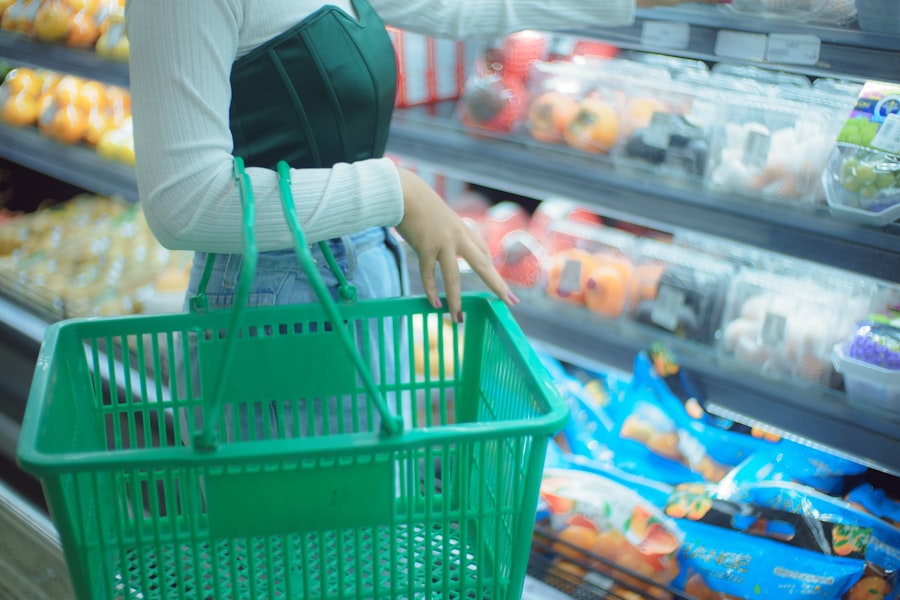
Maximizing a grocery budget requires strategic planning and mindful shopping habits. One of the most effective ways to achieve this is by creating a detailed shopping list before heading to the store. A well-thought-out list helps individuals stay focused on their needs and avoid impulse purchases that can quickly add up.
By sticking to the list and resisting the temptation to buy unnecessary items, shoppers can ensure that they are only spending money on what they truly need. Additionally, utilizing price comparison tools and apps can be invaluable in finding the best deals available. Many grocery stores offer weekly flyers or digital coupons that highlight discounts on popular items.
By taking the time to compare prices across different stores or using apps that aggregate deals, consumers can make informed decisions about where to shop. This proactive approach not only helps in saving money but also encourages shoppers to be more aware of their spending habits.
Identifying the Best Times to Shop for Deals
| Day of the Week | Best Time to Shop |
|---|---|
| Monday | Morning |
| Tuesday | Afternoon |
| Wednesday | Evening |
| Thursday | Morning |
| Friday | Afternoon |
| Saturday | Evening |
| Sunday | All day |
Timing can significantly impact grocery expenses, making it essential for consumers to identify the best times to shop for deals. Many grocery stores have specific days when they mark down prices on perishable items such as meat, dairy, and produce. Typically, these markdowns occur shortly before new shipments arrive, allowing stores to clear out older inventory.
By shopping on these days, consumers can take advantage of substantial savings on items that are still fresh and usable. Moreover, shopping during off-peak hours can lead to a more pleasant experience and potentially better deals.
Early mornings or late evenings during weekdays are often less crowded and may provide opportunities for shoppers to find unadvertised sales or clearance items. By being mindful of when they shop, consumers can maximize their savings while enjoying a more relaxed shopping environment.
Making the Most of Coupons and Loyalty Programs
Coupons and loyalty programs are powerful tools that savvy shoppers can leverage to save money on groceries. Many grocery stores offer digital coupons that can be easily accessed through their websites or mobile apps. By regularly checking for available coupons before shopping, consumers can stack these discounts on top of sale prices for even greater savings.
Additionally, some stores allow customers to combine manufacturer coupons with store promotions, further enhancing their ability to save. Loyalty programs also provide significant benefits for frequent shoppers.
Some stores even offer exclusive promotions or early access to sales for loyalty members. By signing up for these programs and actively participating in them, consumers can enjoy substantial savings over time while also receiving personalized offers tailored to their shopping habits.
Utilizing Meal Planning to Reduce Waste and Save Money
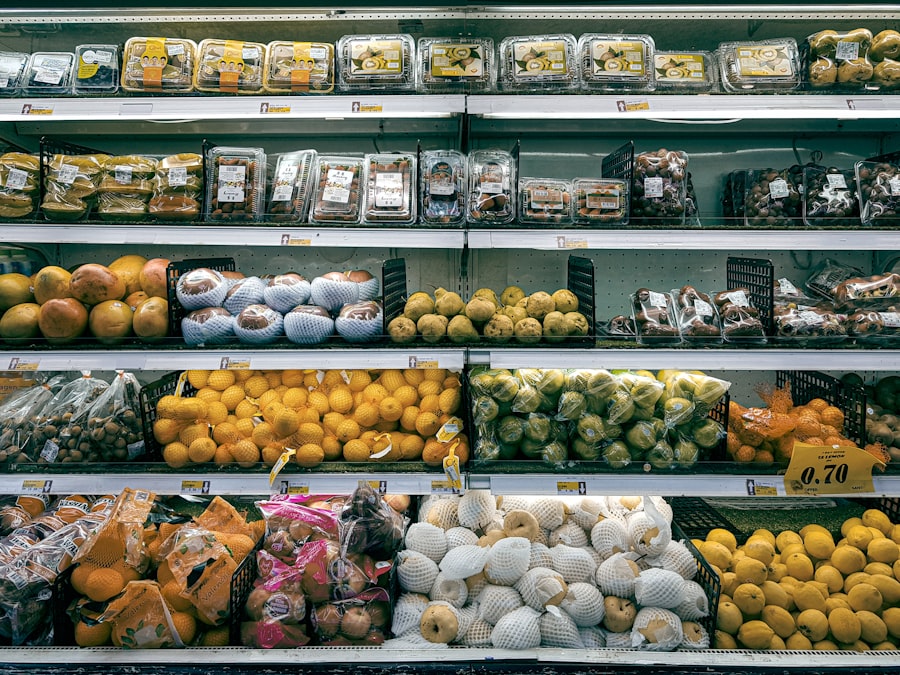
Meal planning is an effective strategy that not only helps reduce food waste but also contributes to significant savings on grocery bills. By planning meals for the week ahead, individuals can create a focused shopping list that aligns with their dietary preferences and budget constraints. This approach minimizes impulse purchases and ensures that all ingredients bought will be used efficiently throughout the week.
In addition to saving money, meal planning encourages creativity in the kitchen. By utilizing similar ingredients across multiple meals, individuals can maximize their purchases while minimizing waste. For example, if a recipe calls for spinach, incorporating it into salads, omelets, and smoothies throughout the week ensures that it does not go unused.
This thoughtful approach not only enhances culinary skills but also fosters a more sustainable lifestyle by reducing food waste.
Exploring Different Grocery Stores for Competitive Prices
Not all grocery stores offer the same prices or selection of products; therefore, exploring various options can lead to significant savings. Discount grocery chains often provide lower prices on staple items compared to traditional supermarkets. These stores may have fewer brand choices but typically carry essential products at reduced rates.
Shoppers who are willing to adapt their preferences may find that they can save a considerable amount by choosing these budget-friendly alternatives. Additionally, local farmers’ markets can be an excellent source of fresh produce at competitive prices. Often, these markets feature seasonal fruits and vegetables that are harvested locally, resulting in lower transportation costs and fresher options for consumers.
By visiting farmers’ markets regularly, shoppers can not only support local agriculture but also discover unique products that may not be available in conventional grocery stores.
Strategies for Buying in Bulk Without Overspending
Buying in bulk is often touted as a way to save money; however, it requires careful consideration to avoid overspending on unnecessary items. One effective strategy is to focus on non-perishable goods or items that have a long shelf life, such as grains, canned goods, or frozen foods. Purchasing these items in larger quantities can lead to significant savings over time as they are used regularly in meal preparation.
Another important aspect of bulk buying is ensuring that the items purchased will be consumed before they expire or go bad. It is crucial for consumers to assess their household’s consumption patterns before making bulk purchases. For instance, if a family frequently uses rice or pasta but rarely consumes snacks or specialty items, it makes sense to buy those staples in bulk while avoiding larger quantities of less frequently used products.
Adapting Recipes to Use Affordable Ingredients
Adapting recipes to incorporate affordable ingredients is a practical way for consumers to maintain their culinary repertoire while staying within budget constraints. Many traditional recipes can be modified by substituting expensive ingredients with more economical options without sacrificing flavor or nutrition. For example, using seasonal vegetables instead of pricier out-of-season produce can enhance both taste and cost-effectiveness.
Furthermore, embracing versatility in cooking allows individuals to experiment with different flavors and textures while utilizing what they already have on hand. For instance, if a recipe calls for chicken but is too costly at the moment, one could easily replace it with beans or lentils for a hearty vegetarian alternative. This adaptability not only fosters creativity in the kitchen but also encourages resourcefulness when it comes to meal preparation.
Incorporating Meatless Meals to Cut Costs
Incorporating meatless meals into one’s diet is an effective strategy for cutting grocery costs while promoting health and sustainability. Meat tends to be one of the most expensive components of a grocery bill; therefore, reducing its consumption can lead to significant savings over time. Plant-based proteins such as beans, lentils, tofu, and chickpeas are not only more affordable but also packed with nutrients.
Moreover, embracing meatless meals encourages individuals to explore new cuisines and flavors that they may not have considered before. Dishes like vegetable stir-fries, hearty grain bowls, or bean-based chili provide satisfying alternatives that are both budget-friendly and delicious. By making a conscious effort to include more meatless options in their weekly meal plans, consumers can enjoy diverse culinary experiences while keeping their grocery expenses in check.
Seeking Out Local Farmers Markets and Community Supported Agriculture (CSA) Options
Local farmers markets and Community Supported Agriculture (CSA) programs present excellent opportunities for consumers looking to save money while supporting local agriculture. Farmers markets often feature fresh produce at competitive prices compared to traditional grocery stores. Additionally, purchasing directly from farmers allows consumers to learn about the origins of their food and often enjoy seasonal varieties that may not be available elsewhere.
CSAs offer another avenue for accessing fresh produce at reasonable prices while fostering a sense of community among participants. By subscribing to a CSA program, individuals receive a weekly box of seasonal fruits and vegetables directly from local farms at a fixed cost. This arrangement not only supports local farmers but also encourages families to try new produce each week while reducing food waste through thoughtful meal planning around what is received in each box.
In conclusion, navigating rising grocery prices requires strategic planning and resourcefulness from consumers. By understanding the factors contributing to price surges and exploring budget-friendly alternatives, individuals can effectively manage their grocery budgets without compromising on quality or nutrition. Through meal planning, utilizing coupons and loyalty programs, and seeking out local markets and bulk buying opportunities, shoppers can make informed decisions that lead to significant savings over time while enjoying diverse culinary experiences.
In recent months, consumers have been grappling with a noticeable surge in grocery prices, a trend that has sparked widespread concern and discussion. For a deeper understanding of the factors driving this increase, you can explore a related article that delves into the economic dynamics at play. This article provides insights into supply chain disruptions, inflationary pressures, and other contributing factors that are influencing the cost of everyday essentials. To read more about these developments, visit the detailed analysis available on How Wealth Grows.
WATCH NOW! How Grocery Prices Are a Hidden Corporate Tax 🤑🤑🤑🤑
FAQs
What is causing the grocery price surge?
The grocery price surge is primarily being driven by a combination of factors, including supply chain disruptions, increased demand, and rising production costs.
How are supply chain disruptions impacting grocery prices?
Supply chain disruptions, such as labor shortages, transportation delays, and production slowdowns, are leading to limited availability of certain products, which in turn is driving up prices.
Why is there increased demand for groceries?
The COVID-19 pandemic has led to an increase in at-home cooking and dining, as well as stockpiling behavior, resulting in higher demand for groceries and household essentials.
What are the rising production costs contributing to the grocery price surge?
Rising production costs, including higher prices for raw materials, energy, and labor, are being passed on to consumers in the form of higher grocery prices.
How long is the grocery price surge expected to last?
The duration of the grocery price surge is uncertain and will depend on factors such as the resolution of supply chain disruptions, changes in consumer behavior, and global economic conditions.