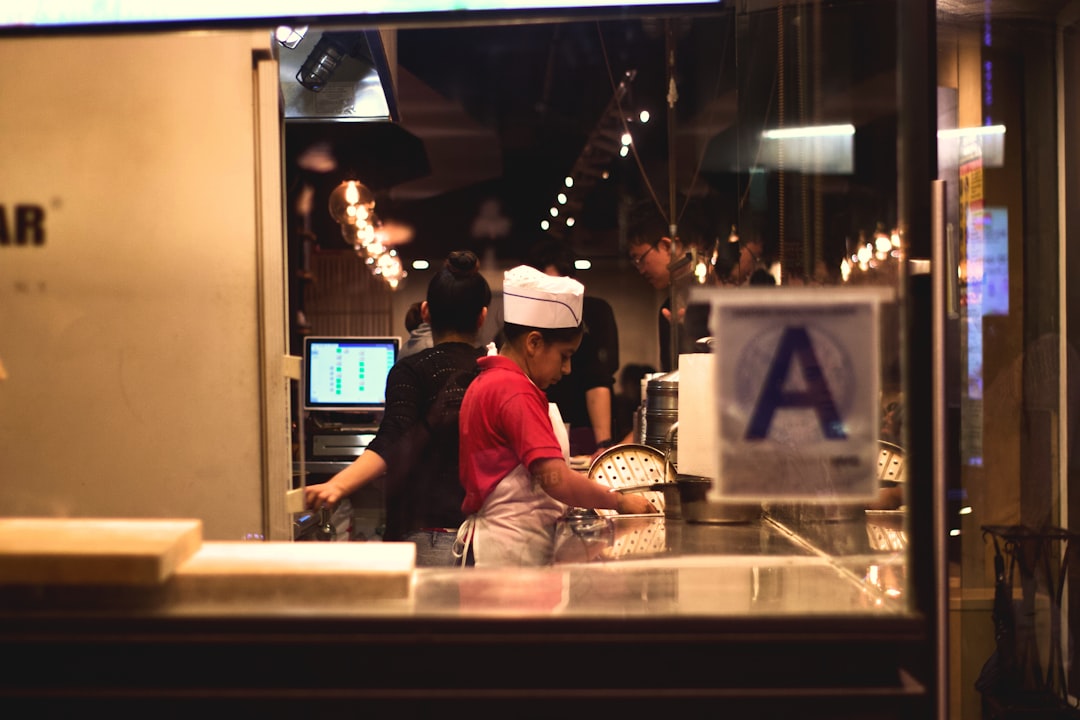
The restaurant industry, a perpetual motion machine of culinary creativity and service, is currently experiencing a profound metamorphosis in its labor market. Navigating these shifts requires more than just adapting; it demands foresight, strategic planning, and a deep understanding of the forces at play. You, as a restaurant owner, manager, or industry professional, are facing a complex tapestry of challenges and opportunities that will define the future of your operations.
The COVID-19 pandemic acted as an accelerant, amplifying pre-existing trends and introducing novel ones, effectively rerouting the industry’s course. You witnessed firsthand the immediate shocks: closures, pivots to takeout, and a sudden re-evaluation of employment priorities by your workforce. You can learn more about the California fast food minimum wage law in this informative video.
Shifting Employee Expectations
The pandemic provided a crucible in which many employees re-evaluated their job satisfaction, work-life balance, and perceived value. You are now encountering a workforce less tolerant of suboptimal conditions.
- Emphasis on Work-Life Balance: The ‘gig economy’ and remote work highlighted the potential for greater autonomy. Your employees, like many across industries, are seeking more flexible schedules and a clearer demarcation between work and personal life. The traditional 60-hour workweek for management, once standard, is becoming increasingly unpalatable.
- Demand for Fair Compensation: The narrative around “essential workers” during the pandemic, coupled with rising inflation, has heightened awareness regarding compensation. Your employees are no longer solely focused on hourly wages; they are considering total compensation packages, including benefits and opportunities for advancement.
- Focus on Workplace Culture: A toxic work environment, once tolerated out of necessity, is now a significant deterrent. You recognize that employees are seeking respectful, inclusive, and supportive workplaces. High-pressure, low-empathy management styles are a primary driver of turnover.
Talent Exodus and the Skills Gap
The initial wave of lockdowns saw a significant number of restaurant workers leave the industry, a phenomenon often described as a “talent drain.” This has left you grappling with a scarcity of experienced professionals.
- Retirement and Career Changes: Many older, experienced staff accelerated retirement plans or transitioned to less volatile industries. You are now tasked with filling these knowledge gaps.
- Burnout and Mental Health: The immense pressure and uncertainty of the pandemic led to widespread burnout among restaurant staff. You are now contending with a workforce that prioritizes mental well-being, often opting for roles with less inherent stress.
- Loss of Institutional Knowledge: The departure of long-term employees means the loss of invaluable operational insights, recipes, and customer relationships. You are essentially rebuilding some aspects of your operational memory.
In recent discussions about the restaurant industry, understanding labor market trends has become increasingly crucial for business owners and employees alike. A related article that delves into these trends can be found at How Wealth Grows, which explores the evolving dynamics of staffing, wage fluctuations, and the impact of economic changes on the workforce in the food service sector. This resource provides valuable insights for those looking to navigate the complexities of labor in the restaurant industry.
The Automation and Technology Imperative
The labor shortages have inadvertently propelled technological adoption from a supplementary convenience to a strategic necessity. You are now exploring automation not merely for efficiency, but as a crucial tool for mitigating labor challenges and enhancing the employee experience.
Front-of-House Technologies
Many innovations are geared towards streamlining customer interactions and reducing the need for constant human intervention in routine tasks.
- QR Code Menus and Ordering Systems: You have likely already implemented or considered these systems, which empower customers to browse menus and place orders directly, reducing server workload and improving order accuracy.
- Self-Ordering Kiosks: In quick-service and fast-casual settings, kiosks function as a virtual cashier, allowing customers to customize orders and pay, freeing up staff for food preparation and guest assistance.
- Payment Gateways: Integrated point-of-sale (POS) systems with contactless payment options accelerate transactions, minimize errors, and improve customer flow.
Back-of-House Innovations
Automation in the kitchen is evolving beyond simple machinery, aiming to augment human capabilities and address skilled labor shortages.
- Automated Cooking Equipment: You are seeing a rise in advanced ovens, fryers, and even robotic arms capable of performing repetitive tasks, such as flipping burgers or assembling salads. These technologies can ensure consistency and reduce manual labor in high-volume environments.
- Inventory Management Software: Digital systems for tracking inventory, predicting demand, and automating reorders minimize waste and optimize supply chains, relieving staff from tedious manual counts.
- Dishwashing Robotics: While still relatively niche, autonomous dishwashing systems are emerging, addressing a historically high-turnover role in many establishments.
Data Analytics for Workforce Optimization
Advanced software is moving beyond simple operational reports to provide actionable insights into your labor strategy.
- Predictive Scheduling: Algorithms analyze historical sales data, weather patterns, and local events to forecast staffing needs with greater accuracy, reducing overstaffing and understaffing.
- Performance Tracking: You can now track individual and team performance metrics to identify areas for improvement, pinpoint training needs, and recognize high performers.
- Employee Engagement Platforms: These tools gather feedback, measure satisfaction, and help you identify potential issues before they escalate, fostering a more positive work environment.
The Evolution of Compensation and Benefits

The notion that restaurant work is solely transitional or low-skill is being fundamentally challenged. You are witnessing a recalibration of how employees value their contributions and what they expect in return.
Competitive Wages and Transparent Tipping Models
The traditional tipping structure is undergoing scrutiny, and a move towards more stable and predictable income is gaining traction among employees.
- Increased Base Wages: Many establishments are proactively raising base hourly wages to attract and retain talent, positioning themselves as employers of choice. This is particularly relevant in areas with high costs of living.
- Tip Pooling and Service Charges: You are considering or implementing alternative tipping models, such as mandatory service charges (often distributed as part of a pooled tip) or “no-tipping” policies with higher base wages. These models aim to create more equitable income distribution among front- and back-of-house staff.
- Pay Transparency: Employees are increasingly expecting transparent wage structures and clear pathways for salary progression. This fosters trust and reduces speculation.
Comprehensive Benefits Packages
Beyond direct monetary compensation, you are finding that robust benefits are a powerful differentiator in a competitive market.
- Health and Wellness Programs: Access to health insurance, mental health support programs, and even gym memberships are becoming more common offerings. You recognize that investing in employee well-being directly impacts productivity and retention.
- Paid Time Off (PTO): Generous PTO policies, including sick leave, vacation time, and even parental leave, are highly valued. This reflects a shift towards recognizing the importance of rest and personal commitments.
- Educational and Professional Development: Offering tuition reimbursement, culinary training programs, or opportunities for certifications can differentiate your establishment and foster a sense of career progression among your staff.
Redefining Workplace Culture and Employee Engagement

The intangible aspects of work – the atmosphere, communication, and leadership – are now as critical as the tangible rewards. You are learning that a positive culture is not a perk but a foundational element of a resilient workforce.
Cultivating an Inclusive and Respectful Environment
Diversity, equity, and inclusion (DEI) are no longer buzzwords; they are operational imperatives. You are realizing that a diverse team brings a wealth of perspectives and enhances problem-solving.
- Anti-Harassment Training: Regular and effective training combating all forms of harassment is essential. You must foster an environment where employees feel safe and empowered to report misconduct.
- Inclusive Hiring Practices: Beyond quotas, you are striving for hiring processes that actively eliminate bias and attract a broad range of candidates, focusing on skills and potential.
- Open Communication Channels: Creating avenues for feedback, such as regular one-on-one meetings, anonymous suggestion boxes, and team forums, allows employees to voice concerns and contribute ideas without fear of reprisal.
Prioritizing Employee Well-being and Mental Health
The high-stress nature of the restaurant industry necessitates a proactive approach to staff well-being.
- Mental Health Resources: Providing access to counseling services, employee assistance programs (EAPs), or even simply offering mental health days demonstrates your commitment to your employees’ holistic health.
- Stress Reduction Initiatives: You might implement policies like mandatory breaks, reasonable scheduling, or stress management workshops to mitigate the inherent pressures of the job.
- Promoting a Culture of Support: Encourage teamwork and peer support, where employees feel comfortable leaning on each other during challenging shifts or recognizing when a colleague needs assistance.
Investing in Training and Development
A robust training program is an investment in your people and your business’s future. It addresses skills gaps and signals a commitment to career growth.
- Clear Career Pathways: Define clear opportunities for advancement from entry-level positions to management roles. You must show employees that there is a future within your organization.
- Ongoing Skills Training: Beyond initial onboarding, provide continuous training in areas such as customer service, culinary techniques, food safety, and even leadership skills for aspiring managers.
- Mentorship Programs: Pairing experienced staff with newer employees can accelerate learning, foster team cohesion, and transmit institutional knowledge more effectively.
In recent discussions about the restaurant industry, a notable article highlights the evolving labor market trends that are shaping the future of dining establishments. As restaurants adapt to changing consumer preferences and economic conditions, understanding these trends becomes crucial for owners and managers alike. For a deeper insight into these dynamics, you can read more about it in this informative piece on labor market trends in the restaurant sector. Check it out here.
Strategic Adaptations for Sustainable Operations
| Metric | 2022 | 2023 | 2024 (Projected) | Notes |
|---|---|---|---|---|
| Average Hourly Wage (USD) | 15.50 | 16.75 | 18.00 | Wages increased due to labor shortages and inflation |
| Labor Turnover Rate (%) | 75 | 70 | 65 | Turnover slightly decreasing as retention strategies improve |
| Unemployment Rate in Restaurant Sector (%) | 8.5 | 7.0 | 6.0 | Improved hiring conditions with economic recovery |
| Number of Job Openings (Thousands) | 450 | 400 | 350 | Demand for workers remains high but slightly easing |
| Percentage of Part-Time Workers (%) | 40 | 38 | 35 | Shift towards more full-time employment |
| Use of Automation Technologies (%) | 15 | 22 | 30 | Increasing adoption of self-order kiosks and kitchen automation |
The current climate demands more than just patching holes; it requires a fundamental re-evaluation of your business model and operational strategies. You are being pushed to innovate and consider long-term viability over short-term fixes.
Menu Engineering for Efficiency
Your menu is a powerful lever for controlling labor costs and optimizing kitchen flow.
- Streamlined Offerings: A smaller, more focused menu can reduce ingredient complexity, minimize waste, and simplify preparation, thereby requiring fewer highly specialized staff.
- Prep-Intensive vs. Cook-to-Order Dishes: Analyze your menu for items that can be largely prepped in advance versus those that require significant real-time cooking. This can help balance kitchen workload.
- Ingredient Optimization: Designing dishes that share common ingredients reduces inventory complexity and the number of tasks required for different menu items.
Flexible Staffing Models
The traditional full-time employee model is being augmented by more agile approaches to scheduling and staffing.
- Cross-Training: Training staff across multiple roles (e.g., a server who can also host, a line cook who can assist with prep) increases flexibility and covers absences more easily.
- Part-Time and Gig Workers: Supplementing your core team with part-time staff or even leveraging on-demand platforms for specific peak hours can optimize labor costs without overcommitting.
- Seasonal Staffing: For businesses with seasonal fluctuations, strategically hiring temporary staff can prevent burnout among your permanent team during busy periods and avoid unnecessary overhead during lulls.
Cultivating a Strong Employer Brand
In an era of labor scarcity, you are competing not just for customers, but for talent. Your reputation as an employer is paramount.
- Showcasing Employee Stories: Highlight success stories, career progression, and positive testimonials from your current staff. This provides authentic insights for potential applicants.
- Active Social Media Presence: Utilize social media platforms to showcase your workplace culture, team events, and mission. This builds a perception of you as a desirable place to work.
- Community Engagement: Participate in local community initiatives and establish partnerships with culinary schools or vocational programs. This can be a pipeline for future talent and builds goodwill.
In conclusion, the current confluence of factors in the restaurant labor market presents a formidable challenge, but also an unparalleled opportunity. You are no longer merely managing a business; you are cultivating an ecosystem. By understanding and strategically addressing the shifts in employee expectations, embracing technological advancements, recalibrating compensation, fostering an exemplary workplace culture, and adapting your operational model, you can navigate these turbulent waters. The restaurant industry is not merely surviving; it is evolving, and your proactive engagement with these trends will determine your trajectory in this new landscape.
WATCH THIS! 🍔💰 California’s $20 Fast Food Wage: Big Paychecks or Big Layoffs?
FAQs
What are the current labor market trends in the restaurant industry?
The restaurant industry is experiencing trends such as increased demand for skilled labor, higher wages due to labor shortages, greater emphasis on employee retention, and the adoption of technology to streamline operations and reduce labor costs.
How has the COVID-19 pandemic affected labor market trends in the restaurant industry?
The pandemic led to significant labor shortages as many workers left the industry. It also accelerated the adoption of automation and contactless technologies, increased focus on health and safety protocols, and shifted hiring practices to attract and retain employees.
What roles are most in demand in the restaurant industry labor market?
Positions such as cooks, servers, bartenders, and managers remain in high demand. There is also growing demand for roles related to delivery, digital ordering, and kitchen automation.
How are wages changing in the restaurant industry?
Wages in the restaurant industry have generally increased due to labor shortages and competition for workers. Many restaurants are offering higher base pay, signing bonuses, and improved benefits to attract and retain staff.
What impact does technology have on labor trends in restaurants?
Technology is helping restaurants reduce reliance on labor by automating tasks such as order taking, payment processing, and food preparation. This can lead to changes in workforce composition and skill requirements.
Are restaurants focusing more on employee retention strategies?
Yes, many restaurants are implementing retention strategies such as offering better wages, flexible scheduling, career development opportunities, and improved workplace culture to reduce turnover.
How does the labor market in the restaurant industry vary by region?
Labor market conditions can vary widely by region due to differences in local economies, minimum wage laws, cost of living, and availability of workers. Urban areas may face more intense labor shortages compared to rural areas.
What challenges does the restaurant industry face in hiring labor?
Challenges include competition from other industries, seasonal fluctuations in demand, the physically demanding nature of the work, and the need for flexible scheduling to accommodate workers’ preferences.
How are demographic changes affecting the restaurant labor market?
Changes such as an aging workforce, shifting immigration patterns, and evolving worker expectations are influencing the availability and preferences of restaurant employees.
What future labor market trends are expected in the restaurant industry?
Future trends may include increased automation, greater focus on employee well-being, continued wage growth, and evolving skill requirements as technology and consumer preferences change.