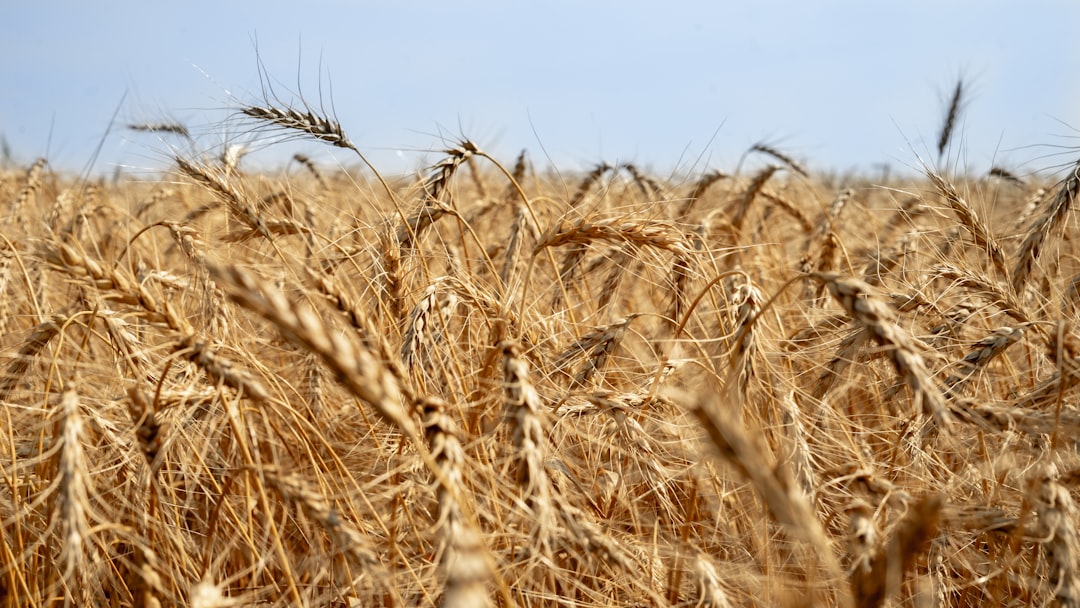
The farmland commodity market involves the buying and selling of agricultural products such as grains and livestock. Speculation in this market refers to trading these commodities with the objective of profiting from price changes. Speculators typically focus on short-term price movements rather than long-term value growth.
Agricultural commodity prices are affected by multiple factors, including weather patterns, international demand, and regulatory policies. Market participants in farmland commodity speculation include farmers, investment firms, professional traders, and large corporations. While farmers often use commodity markets to protect themselves against price declines, other participants seek to exploit pricing inefficiencies for profit.
This diverse participant base creates significant price volatility in the market. Understanding the different types of market participants and their trading strategies is important for anyone considering involvement in farmland commodity speculation. The market’s complexity and volatility present both potential profit opportunities and substantial financial risks.
Investing in farmland investment can provide sustainable returns and long-term growth opportunities.
Key Takeaways
- Farmland commodity market speculation involves understanding price drivers and market dynamics specific to agricultural land assets.
- Key factors influencing prices include weather conditions, crop yields, government policies, and global demand.
- Speculation carries both risks, such as market volatility, and rewards, including potential high returns from strategic investments.
- Developing a well-researched strategy and diversifying investments can help manage risks effectively.
- Ethical considerations and seeking professional advice are crucial for responsible and informed speculation in farmland commodities.
Factors Affecting Farmland Commodity Prices
Several key factors influence farmland commodity prices, and recognizing these can significantly enhance your speculative endeavors. One of the most prominent factors is supply and demand dynamics. When crop yields are high due to favorable weather conditions, prices may drop as supply outstrips demand.
Conversely, adverse weather events like droughts or floods can lead to reduced yields, driving prices up as buyers scramble for limited resources. Understanding these seasonal patterns can help you anticipate price movements and make informed decisions. In addition to weather-related factors, global economic conditions play a vital role in shaping farmland commodity prices.
For instance, changes in consumer preferences or shifts in international trade policies can have far-reaching effects on demand for certain commodities. If you keep an eye on emerging markets and their consumption trends, you may uncover opportunities for profitable speculation. Furthermore, currency fluctuations can impact the competitiveness of exports, adding another layer of complexity to your analysis.
Risks and Rewards of Farmland Commodity Market Speculation
Engaging in farmland commodity market speculation comes with its fair share of risks and rewards. On one hand, the potential for substantial profits can be enticing. If you correctly predict a price increase and act accordingly, the financial returns can be significant.
This allure often draws individuals and institutions into the market, hoping to capitalize on short-term price movements. However, it’s crucial to remember that with high potential rewards come equally high risks. The volatility inherent in the farmland commodity market means that prices can swing dramatically in a short period.
Factors such as geopolitical tensions, natural disasters, or sudden changes in consumer behavior can lead to unexpected losses. As you consider entering this market, it’s essential to weigh these risks against your financial goals and risk tolerance. Developing a clear understanding of your own limits will help you navigate the ups and downs of speculation more effectively.
Developing a Strategy for Farmland Commodity Market Speculation
Creating a well-defined strategy is paramount when engaging in farmland commodity market speculation. You should start by establishing your investment goals—are you looking for short-term gains or long-term growth? This clarity will guide your decision-making process and help you identify which commodities align with your objectives.
Additionally, consider your risk tolerance; knowing how much volatility you can handle will inform your approach to speculation. Once you have a clear understanding of your goals and risk appetite, it’s time to develop a tactical plan. This may involve diversifying your investments across different commodities or employing various trading strategies such as futures contracts or options trading.
By spreading your investments across multiple assets, you can mitigate risks associated with any single commodity’s price fluctuations.
Researching and Analyzing Farmland Commodity Market Trends
| Metric | Description | Value (2023) | Unit | Source |
|---|---|---|---|---|
| Global Farmland Investment | Total value of investments in farmland globally | 300 | billion USD | Land Matrix |
| Commodity Futures Trading Volume | Annual trading volume of farmland-related commodity futures | 1.2 | trillion contracts | CME Group |
| Speculative Trading Percentage | Percentage of commodity futures trading attributed to speculation | 65 | % | CFTC Reports |
| Price Volatility Index | Volatility index for key farmland commodities (corn, wheat, soy) | 28 | Volatility Index Points | Bloomberg |
| Farmland Price Increase | Annual percentage increase in farmland prices | 7.5 | % | USDA |
| Hedge Fund Farmland Exposure | Percentage of hedge fund portfolios invested in farmland commodities | 12 | % | Preqin |
Thorough research is a cornerstone of successful farmland commodity market speculation. You should immerse yourself in data analysis and market reports to identify trends that could impact prices. This includes examining historical price movements, seasonal patterns, and external factors such as government policies or international trade agreements.
By analyzing this information, you can develop insights that inform your trading decisions. In addition to quantitative analysis, qualitative research is equally important. Engaging with industry experts, attending agricultural conferences, or participating in online forums can provide valuable perspectives that numbers alone may not reveal.
By combining both quantitative and qualitative research methods, you can create a comprehensive view of the market landscape, allowing you to make more informed speculative decisions.
Diversifying Your Farmland Commodity Market Portfolio
Diversification is a critical strategy for managing risk in farmland commodity market speculation. By spreading your investments across various commodities—such as corn, soybeans, wheat, and livestock—you can reduce the impact of price volatility on your overall portfolio. If one commodity experiences a downturn due to unforeseen circumstances, other investments may remain stable or even thrive, helping to cushion potential losses.
You might also consider diversifying geographically by investing in commodities from different regions or countries. This approach allows you to take advantage of varying agricultural conditions and market dynamics across different areas. For instance, while drought may affect crop yields in one region, another area might experience favorable growing conditions.
By broadening your investment scope, you enhance your chances of achieving consistent returns while minimizing risk.
Monitoring and Managing Farmland Commodity Market Speculation
Once you’ve established your position in the farmland commodity market, ongoing monitoring is essential for success. You should regularly review market trends, economic indicators, and geopolitical developments that could influence prices. Staying informed will enable you to react swiftly to changes in the market landscape and adjust your strategy accordingly.
Effective management also involves setting stop-loss orders or profit targets for your investments. These tools can help protect your capital by automatically selling a commodity if it reaches a predetermined price point. By implementing these measures, you can minimize potential losses while locking in profits when prices rise.
Regularly reassessing your portfolio’s performance will ensure that you remain aligned with your investment goals.
Setting Realistic Goals for Farmland Commodity Market Speculation
As you embark on your journey into farmland commodity market speculation, setting realistic goals is crucial for maintaining focus and motivation. You should define what success looks like for you—whether it’s achieving a specific percentage return on investment or simply gaining experience in the market. By establishing clear objectives, you create a roadmap that guides your decision-making process.
It’s also important to recognize that speculation is inherently unpredictable; therefore, flexibility is key. While having goals is essential, being open to adjusting them based on market conditions will serve you well. If certain strategies aren’t yielding the expected results or if new opportunities arise, being adaptable will allow you to pivot effectively without losing sight of your overall objectives.
Seeking Professional Advice for Farmland Commodity Market Speculation
Navigating the complexities of farmland commodity market speculation can be daunting, which is why seeking professional advice may be beneficial. Financial advisors or agricultural economists can provide valuable insights into market trends and help you develop tailored strategies based on your individual circumstances. Their expertise can be particularly advantageous if you’re new to the field or lack experience in commodity trading.
Additionally, consider joining investment groups or networks focused on farmland commodities. Engaging with like-minded individuals allows you to share knowledge and experiences while gaining access to diverse perspectives on market dynamics. Collaborating with others who have similar interests can enhance your understanding of the market and provide support as you navigate its challenges.
Ethical Considerations in Farmland Commodity Market Speculation
As you engage in farmland commodity market speculation, it’s essential to consider the ethical implications of your actions. The agricultural sector plays a vital role in feeding populations worldwide; therefore, speculative practices that drive up prices can have real-world consequences for farmers and consumers alike. You should reflect on how your trading decisions impact not only your financial well-being but also the broader community.
Moreover, transparency and integrity are crucial components of ethical speculation. Engaging in practices such as insider trading or manipulating prices undermines the trust within the market and can lead to severe repercussions for all involved parties. By adhering to ethical standards and prioritizing responsible trading practices, you contribute positively to the agricultural sector while safeguarding your reputation as an investor.
Long-Term Outlook for Farmland Commodity Market Speculation
Looking ahead, the long-term outlook for farmland commodity market speculation remains promising yet complex. As global populations continue to grow and demand for food increases, agricultural commodities are likely to remain a focal point for investors seeking opportunities for growth. However, this landscape is not without challenges; climate change, technological advancements in agriculture, and shifting consumer preferences will all play significant roles in shaping future market dynamics.
As you consider entering this space or expanding your current investments, staying informed about these trends will be crucial for success. The ability to adapt to changing conditions while maintaining a long-term perspective will serve you well in navigating the intricacies of farmland commodity market speculation. By combining strategic planning with ongoing research and ethical considerations, you can position yourself effectively within this evolving landscape while pursuing profitable opportunities.
In recent discussions about farmland commodity market speculation, it’s essential to consider the broader economic implications and investment strategies involved. A related article that delves into these topics can be found at How Wealth Grows, where it explores various aspects of agricultural investments and their potential for growth in today’s market.
WATCH THIS! The Gold Rush is Over. Now, the Dirt Rush is ON. 🚜💰
FAQs
What is farmland commodity market speculation?
Farmland commodity market speculation involves buying and selling contracts or assets related to agricultural land or its produce with the aim of profiting from price fluctuations rather than using the land for farming.
How does speculation affect farmland prices?
Speculation can lead to increased volatility in farmland prices, sometimes driving prices higher than their fundamental value due to speculative demand, which may impact farmers and investors.
What types of commodities are involved in farmland speculation?
Commodities related to farmland speculation typically include agricultural products like grains, soybeans, corn, and sometimes the land itself through real estate investments or futures contracts.
Who participates in farmland commodity market speculation?
Participants include individual investors, hedge funds, commodity traders, institutional investors, and sometimes farmers or agribusinesses looking to hedge risks.
What are the risks associated with farmland commodity market speculation?
Risks include market volatility, price bubbles, potential losses due to rapid price changes, and the possibility of reduced availability or increased cost of farmland for actual agricultural use.
How is farmland speculation regulated?
Regulation varies by country but often involves oversight by commodity futures trading commissions or agricultural departments to prevent market manipulation and ensure transparency.
Can speculation in farmland commodities impact food prices?
Yes, excessive speculation can contribute to price volatility in agricultural commodities, which may indirectly affect food prices and food security.
What is the difference between speculation and investment in farmland?
Speculation focuses on short-term price movements to make profits, while investment typically involves long-term ownership or use of farmland for agricultural production or steady income.
Are there any benefits to farmland commodity market speculation?
Speculation can provide liquidity to the market, help with price discovery, and allow producers to hedge against price risks, although it can also have negative effects if unchecked.
How can farmers protect themselves from the effects of speculation?
Farmers can use hedging strategies such as futures contracts, options, and diversification to manage price risks associated with commodity market speculation.