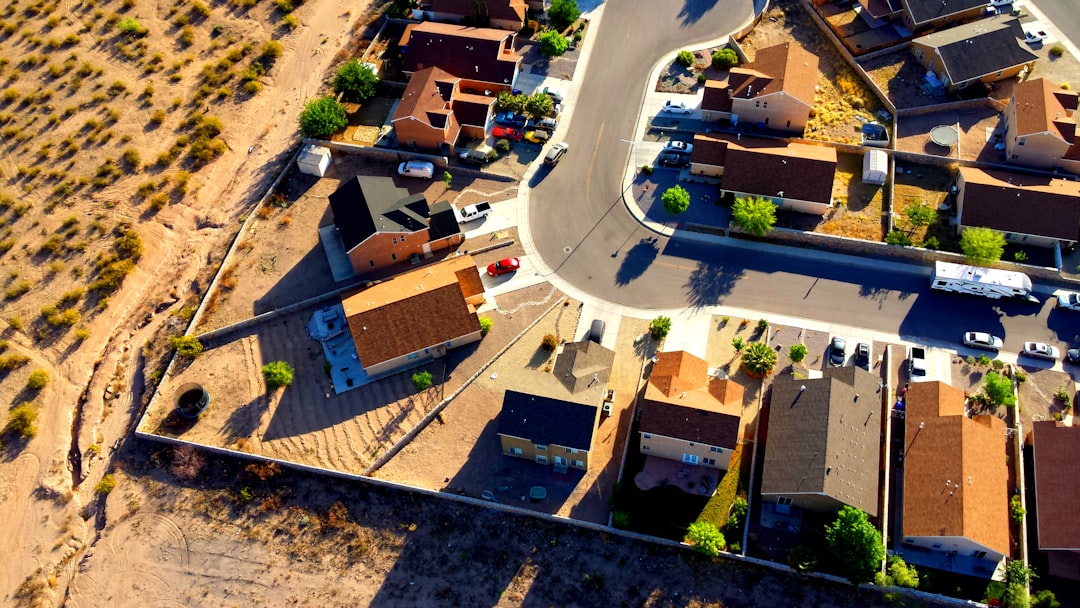
When embarking on a multifamily construction project, understanding the associated costs is crucial. Multifamily construction refers to buildings designed to house multiple families, such as apartment complexes, condominiums, and townhouses. The financial landscape of such projects can be complex, influenced by various factors ranging from location to design choices.
As you delve into this realm, it’s essential to grasp the fundamental components that contribute to the overall cost structure. The costs involved in multifamily construction can be categorized into several key areas, including land acquisition, materials, labor, and overhead expenses. Each of these elements plays a significant role in determining the total investment required for your project.
By familiarizing yourself with these components, you can better prepare for the financial implications of your construction endeavor and make informed decisions that align with your budget and goals.
Key Takeaways
- Multifamily construction costs vary significantly based on factors like location, materials, labor, and design choices.
- Analyzing costs per square foot is crucial for accurate budgeting and comparison across projects.
- Regional differences greatly influence construction expenses due to varying labor rates and material availability.
- Implementing cost control strategies and innovative building techniques can effectively reduce overall expenses.
- Future trends suggest continued emphasis on sustainable design and technology to optimize multifamily construction costs.
Factors Influencing Multifamily Construction Costs
Several factors can significantly influence the costs associated with multifamily construction. One of the most prominent is location. The geographical area where you plan to build can dictate not only land prices but also labor costs and material availability.
Urban areas often present higher costs due to increased demand for housing and limited space, while rural locations may offer more affordable options but could come with their own set of challenges, such as access to skilled labor. Another critical factor is the design and complexity of the project. More intricate designs typically require specialized labor and materials, which can drive up costs.
Additionally, local building codes and regulations can impact your budget. Compliance with these regulations may necessitate additional expenditures for permits, inspections, and modifications to your plans. Understanding these factors will empower you to navigate the multifamily construction landscape more effectively.
The Importance of Per Square Foot Analysis
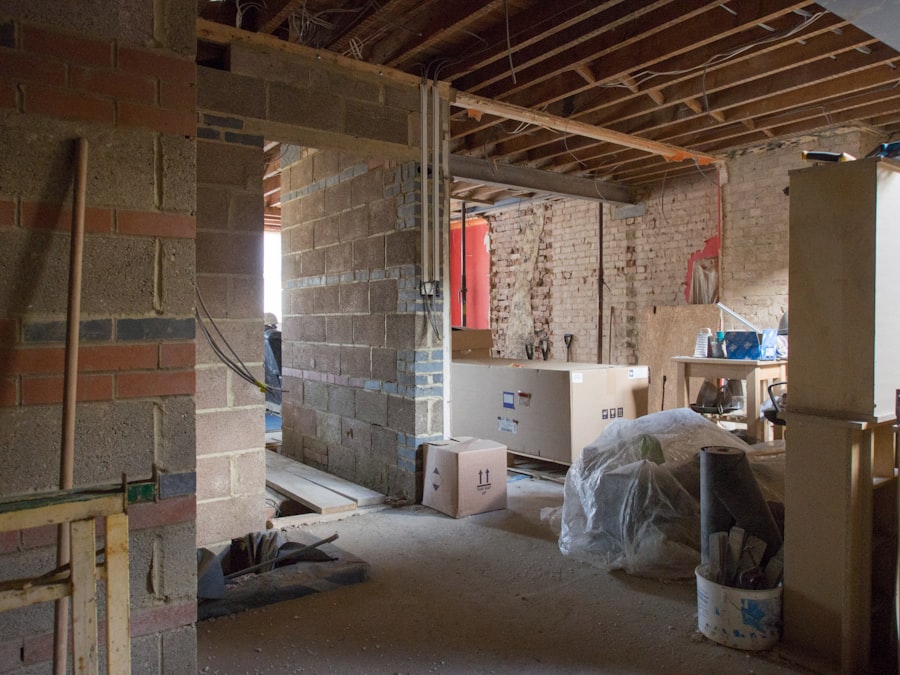
When evaluating multifamily construction costs, a per square foot analysis is an invaluable tool. This method allows you to break down the total cost of your project into manageable units, making it easier to compare different designs and materials. By calculating the cost per square foot, you can gain insights into how various choices will impact your overall budget.
Moreover, a per square foot analysis can help you identify potential areas for cost savings. For instance, if you notice that certain design elements significantly increase the cost per square foot without adding proportional value, you may choose to modify or eliminate those features. This analytical approach not only aids in budgeting but also enhances your ability to make strategic decisions throughout the construction process.
Average Multifamily Construction Costs per Square Foot
Understanding the average multifamily construction costs per square foot is essential for any developer or investor. As of 2023, these costs can vary widely based on several factors, including location, building type, and market conditions. On average, you might expect to see costs ranging from $150 to $300 per square foot for standard multifamily projects.
However, luxury developments or those in high-demand urban areas can exceed this range significantly. It’s important to note that these averages are just starting points. Your specific project may fall above or below these figures based on its unique characteristics.
For instance, if you’re constructing a high-rise building in a metropolitan area with a booming real estate market, your costs could be on the higher end of the spectrum. Conversely, a low-rise development in a less competitive market may allow for more economical pricing.
Regional Variations in Multifamily Construction Costs
| Location | Construction Cost per Sq Ft | Year | Notes |
|---|---|---|---|
| New York City | 250 – 400 | 2024 | High labor and material costs, complex regulations |
| Los Angeles | 200 – 350 | 2024 | Moderate labor costs, seismic requirements |
| Chicago | 150 – 275 | 2024 | Midwestern market, moderate material costs |
| Houston | 120 – 220 | 2024 | Lower labor costs, less regulation |
| Miami | 180 – 300 | 2024 | Hurricane-resistant construction adds cost |
Regional variations play a significant role in determining multifamily construction costs. Different areas have distinct economic conditions, labor markets, and material availability that can influence pricing. For example, coastal cities often experience higher construction costs due to increased demand for housing and stricter building codes related to environmental concerns.
As you plan your multifamily project, it’s essential to conduct thorough research on regional trends and economic indicators that could impact your budget. Understanding these variations will enable you to make informed decisions about where to invest your resources.
Cost Breakdown: Materials, Labor, and Overhead
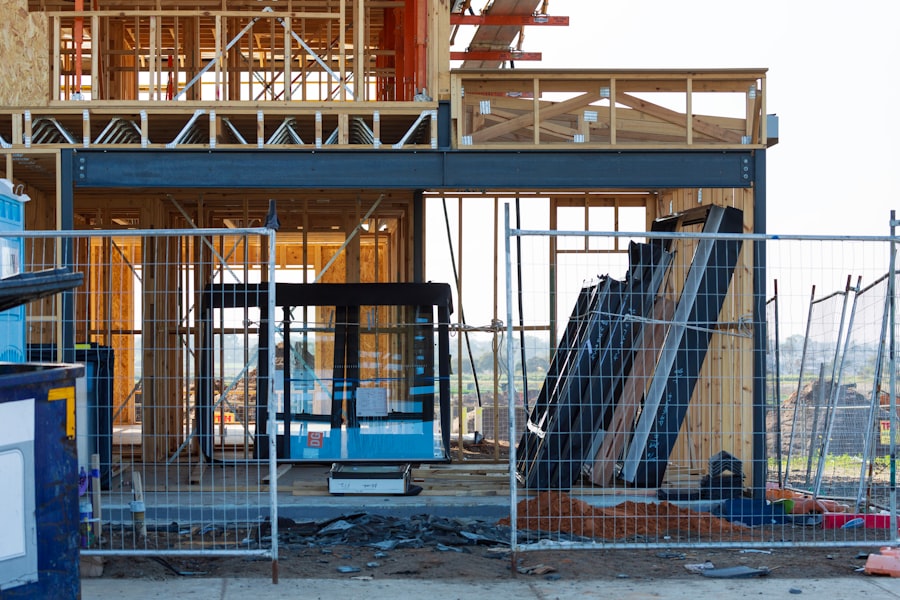
A comprehensive cost breakdown is vital for managing multifamily construction expenses effectively. The three primary components—materials, labor, and overhead—each contribute significantly to your overall budget. Materials typically account for a substantial portion of your costs, encompassing everything from structural elements like steel and concrete to finishes such as flooring and cabinetry.
Labor costs are another critical factor that can fluctuate based on market demand and skill availability. Skilled tradespeople are often in high demand, which can drive up wages and impact your budget. Overhead expenses include indirect costs such as project management fees, insurance, and utilities during construction.
By understanding how these components interact and contribute to your total costs, you can develop strategies to optimize your budget and ensure a successful project.
Strategies for Controlling Multifamily Construction Costs
Controlling multifamily construction costs requires a proactive approach and strategic planning. One effective strategy is to establish a detailed budget early in the process and stick to it as closely as possible.
By keeping a close eye on your budget, you can identify potential overruns before they become significant issues. Another strategy is to foster strong relationships with contractors and suppliers. Building rapport with these key players can lead to better pricing on materials and services, as well as improved communication throughout the project.
Additionally, consider implementing value engineering practices that focus on optimizing design elements without sacrificing quality or functionality. This approach allows you to make informed decisions that can lead to substantial cost savings while still achieving your project goals.
Innovations in Multifamily Construction to Reduce Costs
The multifamily construction industry is continually evolving, with innovations emerging that can help reduce costs without compromising quality. One notable trend is the adoption of modular construction techniques. By prefabricating components off-site and assembling them on location, you can significantly reduce labor costs and construction timelines while minimizing waste.
Another innovation gaining traction is the use of advanced building materials that offer improved durability and energy efficiency. These materials may have higher upfront costs but can lead to long-term savings through reduced maintenance and lower utility bills for residents. Embracing these innovations not only helps control costs but also positions your project as forward-thinking and environmentally conscious.
The Impact of Design Choices on Construction Costs
Design choices play a pivotal role in determining multifamily construction costs. The architectural style you select can influence everything from material selection to labor requirements. For instance, opting for a more complex design with intricate details may require specialized labor and higher-quality materials, ultimately driving up costs.
Conversely, simpler designs often allow for more efficient construction processes and reduced expenses. However, it’s essential to strike a balance between cost-effectiveness and aesthetic appeal. Thoughtful design choices that prioritize functionality while maintaining visual appeal can enhance the overall value of your project without significantly increasing costs.
Case Studies: Successful Multifamily Construction Cost Management
Examining case studies of successful multifamily construction projects can provide valuable insights into effective cost management strategies. For instance, one developer implemented a rigorous pre-construction planning phase that involved detailed budgeting and scheduling. By identifying potential challenges early on and addressing them proactively, they were able to complete the project under budget and ahead of schedule.
Another case study highlights the benefits of collaboration between architects and contractors during the design phase. By working together from the outset, they were able to identify cost-saving opportunities without compromising quality or design integrity. These examples demonstrate that effective communication and strategic planning are key components of successful multifamily construction cost management.
Future Trends in Multifamily Construction Costs
As you look ahead in the multifamily construction landscape, several trends are likely to shape future costs. One significant trend is the increasing emphasis on sustainability and energy efficiency in building practices. As regulations become more stringent regarding environmental impact, developers will need to invest in green technologies and materials that may initially raise costs but ultimately lead to long-term savings.
Additionally, advancements in technology are expected to streamline construction processes further. Innovations such as Building Information Modeling (BIM) allow for more accurate planning and resource allocation, reducing waste and inefficiencies on-site. As these trends continue to evolve, staying informed about emerging practices will be essential for managing multifamily construction costs effectively in the future.
In conclusion, navigating the complexities of multifamily construction costs requires a comprehensive understanding of various influencing factors and strategic planning approaches. By familiarizing yourself with cost breakdowns, regional variations, and innovative practices, you can position yourself for success in this dynamic industry.
When considering the financial aspects of multifamily construction, understanding the costs per square foot is crucial for developers and investors alike. A related article that delves into various factors influencing these costs can be found at How Wealth Grows. This resource provides valuable insights into the economic variables that affect construction expenses, helping stakeholders make informed decisions in their projects.
WATCH THIS! They’re Hiding This From You About Your Rent 🏢
FAQs
What factors influence construction costs per square foot for multifamily buildings?
Construction costs per square foot for multifamily buildings are influenced by factors such as location, building design, materials used, labor costs, site conditions, and the level of finishes and amenities included.
How do construction costs per square foot vary by region?
Construction costs vary significantly by region due to differences in labor rates, material availability, local regulations, and market demand. Urban areas and regions with high labor costs typically have higher construction costs per square foot.
What is the average construction cost per square foot for multifamily buildings?
The average construction cost per square foot for multifamily buildings can range widely, typically from $150 to $400 or more, depending on the project’s scope, quality, and location.
How do building materials affect multifamily construction costs?
The choice of building materials impacts costs significantly. High-quality or specialized materials increase costs, while standard or locally sourced materials can help reduce expenses.
Does the number of units in a multifamily building affect construction costs per square foot?
Yes, larger multifamily projects often benefit from economies of scale, potentially lowering the construction cost per square foot compared to smaller projects.
How do design and amenities impact construction costs?
Complex architectural designs and high-end amenities such as gyms, pools, and advanced HVAC systems increase construction costs per square foot.
Are there additional costs beyond construction that affect the overall cost per square foot?
Yes, costs such as land acquisition, permits, design fees, financing, and contingencies add to the total project cost but are typically accounted for separately from direct construction costs.
How can developers manage or reduce construction costs per square foot?
Developers can manage costs by optimizing design for efficiency, selecting cost-effective materials, negotiating labor contracts, and carefully planning the construction schedule to avoid delays.
What role do local building codes and regulations play in construction costs?
Local building codes and regulations can increase costs by requiring specific construction standards, safety features, or environmental compliance measures that may add to material and labor expenses.
Is it possible to estimate construction costs per square foot early in the project?
Preliminary estimates can be made based on historical data and similar projects, but accurate costs require detailed design and site analysis as the project progresses.