
When it comes to your financial future, understanding the basics of 401k performance monitoring is crucial. A 401k plan is not just a retirement savings account; it’s a powerful tool that can significantly impact your financial well-being in your golden years. Monitoring its performance allows you to assess how well your investments are doing and whether they align with your long-term goals.
You need to familiarize yourself with key performance indicators, such as the rate of return, asset allocation, and overall growth of your account. By grasping these fundamentals, you can make informed decisions that will help you maximize your retirement savings. Moreover, performance monitoring is not a one-time task; it requires ongoing attention.
You should regularly review your account statements and investment performance reports to stay updated on how your portfolio is performing. This vigilance will enable you to identify trends, recognize potential issues, and make necessary adjustments. Understanding the basics of 401k performance monitoring empowers you to take control of your financial future, ensuring that you are on the right path toward achieving your retirement goals.
Key Takeaways
- Understand the fundamentals of monitoring your 401k to track its growth effectively.
- Set clear, personalized investment goals to guide your 401k strategy.
- Use online tools and benchmarks to evaluate your 401k’s performance and fees.
- Regularly rebalance your portfolio and consider risk to maintain optimal performance.
- Seek professional advice and stay informed on market trends for long-term success.
Setting Clear Investment Goals for Your 401k
Setting clear investment goals for your 401k is a vital step in ensuring that your retirement savings work effectively for you. Start by determining what you want to achieve with your 401k. Are you aiming for a specific retirement age?
Do you have a target amount in mind that you wish to accumulate by the time you retire? By defining these goals, you create a roadmap that guides your investment decisions and helps you stay focused on your objectives. In addition to long-term goals, consider setting short-term milestones as well.
These could include annual contribution targets or specific growth percentages you wish to achieve each year. By breaking down your larger goals into manageable steps, you can track your progress more easily and make adjustments as needed. Remember, having clear investment goals not only motivates you but also provides a framework for evaluating your 401k performance over time.
Utilizing Online Tools for Tracking 401k Performance
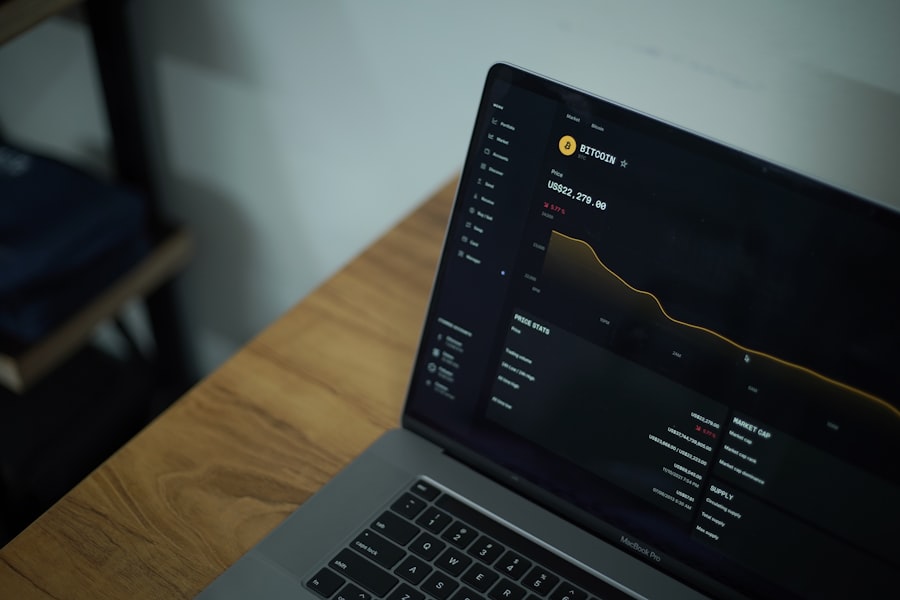
In today’s digital age, utilizing online tools for tracking your 401k performance has never been easier. Numerous platforms and applications are available that allow you to monitor your investments in real-time. These tools often provide user-friendly interfaces that display essential information such as account balances, investment allocations, and historical performance data.
By leveraging these resources, you can gain valuable insights into how your portfolio is performing and make informed decisions based on up-to-date information. Additionally, many online tools offer features that allow you to set alerts for significant changes in your account or market conditions. This proactive approach ensures that you remain engaged with your investments and can react promptly to any fluctuations.
By incorporating technology into your 401k monitoring strategy, you not only simplify the process but also enhance your ability to manage your retirement savings effectively.
Evaluating the Impact of Fees on 401k Performance
One critical aspect of 401k performance monitoring that often goes overlooked is the impact of fees on your overall returns. Every investment comes with associated costs, whether they are management fees, administrative fees, or fund expense ratios. These fees can significantly erode your investment gains over time, making it essential for you to evaluate their impact regularly.
By understanding the fee structure of your 401k plan, you can make more informed choices about where to allocate your funds. To assess the impact of fees on your 401k performance, start by calculating how much you are paying in fees annually and how those costs compare to the returns generated by your investments. If you find that high fees are eating into your returns, consider exploring lower-cost investment options within your plan or even discussing alternatives with your plan administrator.
Being proactive about managing fees can lead to substantial improvements in your overall retirement savings.
Comparing Your 401k Performance to Benchmarks
| Metric | Description | How to Monitor | Frequency |
|---|---|---|---|
| Account Balance | Total value of your 401k account | Check your quarterly or monthly statements or log into your plan provider’s website | Monthly or Quarterly |
| Rate of Return | Percentage gain or loss on your investments over a period | Review performance reports or use online calculators to track returns | Quarterly or Annually |
| Asset Allocation | Distribution of investments among stocks, bonds, and cash | Analyze your portfolio breakdown on your plan dashboard | Annually or after major market changes |
| Contribution Rate | Percentage of your salary contributed to the 401k | Verify your payroll deductions and adjust contribution settings if needed | Monthly or Annually |
| Fees and Expenses | Costs associated with managing your 401k investments | Review fee disclosures and statements from your plan provider | Annually |
| Benchmark Comparison | Performance comparison against relevant market indices | Compare your fund returns to benchmarks like S&P 500 or bond indices | Quarterly or Annually |
| Withdrawal and Loan Activity | Records of any withdrawals or loans taken from your 401k | Monitor account statements and transaction history | As needed |
Comparing your 401k performance to relevant benchmarks is an essential practice that can provide valuable context for evaluating how well your investments are doing. Benchmarks serve as standards against which you can measure the performance of your portfolio. For instance, if you are invested in a particular index fund, comparing its returns to the performance of the index it tracks can help you determine whether your fund is underperforming or excelling.
When making these comparisons, it’s important to choose appropriate benchmarks that align with your investment strategy and risk tolerance. This could include indices like the S&P 500 or other sector-specific benchmarks. By regularly assessing how your 401k stacks up against these standards, you can identify areas for improvement and make necessary adjustments to enhance your investment strategy.
Rebalancing Your 401k Portfolio for Optimal Performance

Rebalancing your 401k portfolio is a crucial step in maintaining optimal performance over time. As market conditions change and certain investments outperform others, the original asset allocation of your portfolio may become skewed. This misalignment can expose you to higher risks or limit potential gains.
By periodically rebalancing, you can realign your investments with your desired asset allocation strategy. The process of rebalancing involves selling off portions of investments that have grown disproportionately and reallocating those funds into underperforming assets. This not only helps maintain your risk tolerance but also positions you to take advantage of potential growth opportunities in different sectors or asset classes.
Establishing a regular rebalancing schedule—whether annually or semi-annually—ensures that you remain proactive in managing your portfolio and optimizing its performance.
Seeking Professional Advice for 401k Performance Monitoring
While self-monitoring is essential, seeking professional advice for 401k performance monitoring can provide an added layer of expertise and insight. Financial advisors possess the knowledge and experience necessary to help you navigate complex investment landscapes and make informed decisions about your retirement savings. They can offer personalized strategies tailored to your unique financial situation and goals.
They can assist you in evaluating your current investments, identifying potential areas for improvement, and developing a comprehensive strategy for maximizing your 401k performance. Engaging with a professional can help alleviate some of the stress associated with managing your retirement savings while ensuring that you are on track to meet your long-term objectives.
Keeping an Eye on Market Trends and Economic Indicators
Staying informed about market trends and economic indicators is vital for effective 401k performance monitoring. The financial landscape is constantly evolving, influenced by various factors such as interest rates, inflation rates, and geopolitical events. By keeping an eye on these trends, you can better understand how they may impact your investments and adjust your strategy accordingly.
For instance, if economic indicators suggest a potential recession, it may be prudent to reassess the risk levels within your portfolio and consider reallocating funds into more stable investments. Conversely, if market trends indicate growth opportunities in certain sectors, you might want to increase exposure to those areas. By being proactive and informed about market conditions, you position yourself to make strategic decisions that enhance the performance of your 401k.
Considering the Role of Risk in 401k Performance
Understanding the role of risk in 401k performance is essential for making informed investment decisions. Every investment carries some level of risk, and it’s crucial for you to assess how much risk you are willing to take based on factors such as age, financial situation, and retirement timeline. A well-balanced portfolio typically includes a mix of high-risk and low-risk investments tailored to align with your risk tolerance.
As you monitor the performance of your 401k, consider how changes in market conditions may affect the risk profile of your investments. For example, during periods of market volatility, high-risk assets may experience significant fluctuations in value. Being aware of these dynamics allows you to adjust your portfolio as needed to maintain an appropriate level of risk while still pursuing growth opportunities.
Making Informed Decisions Based on 401k Performance Data
Making informed decisions based on 401k performance data is key to optimizing your retirement savings strategy. As you gather information about how different investments are performing, use this data to guide your choices moving forward. For instance, if certain funds consistently underperform compared to their benchmarks, it may be time to consider reallocating those funds into more promising options.
Additionally, keep track of any changes in personal circumstances that may affect your investment strategy—such as changes in income or family status—and adjust accordingly based on the performance data at hand. By being proactive and responsive to both market conditions and personal factors, you can ensure that your decisions align with both short-term needs and long-term goals.
Long-Term Strategies for Maximizing 401k Performance
Finally, developing long-term strategies for maximizing 401k performance is essential for securing a comfortable retirement. Start by consistently contributing to your plan—taking advantage of employer matches whenever possible—and consider increasing contributions as your financial situation allows. The power of compound interest means that even small increases in contributions can lead to significant growth over time.
In addition to consistent contributions, focus on diversifying your investments across various asset classes and sectors. This diversification helps mitigate risk while positioning you for potential growth opportunities in different market conditions. Regularly review and adjust your investment strategy based on changing market dynamics and personal circumstances to ensure that you remain on track toward achieving optimal performance in your 401k plan.
By implementing these long-term strategies and remaining engaged with the monitoring process, you can enhance the likelihood of achieving a secure financial future through effective management of your 401k investments.
To effectively monitor your 401(k) performance, it’s essential to stay informed about various strategies and tools that can help you assess your investments. A great resource for this is the article available at How Wealth Grows, which provides insights into tracking your retirement savings and making informed decisions to optimize your portfolio. By regularly reviewing your 401(k) performance, you can ensure that your retirement plan aligns with your financial goals.
WATCH THIS! 📌 Why Your 401(k) Is Designed to Fail: The Retirement System Exposed
FAQs
What is a 401(k) plan?
A 401(k) plan is a retirement savings account sponsored by an employer that allows employees to save and invest a portion of their paycheck before taxes are taken out. It often includes employer matching contributions.
Why is it important to monitor 401(k) performance?
Monitoring your 401(k) performance helps ensure your investments are aligned with your retirement goals, allows you to make informed adjustments, and helps you track growth and fees that may impact your savings.
How often should I check my 401(k) performance?
It is generally recommended to review your 401(k) performance at least quarterly. However, some investors prefer to check monthly or semi-annually depending on their investment strategy and market conditions.
What key metrics should I look at when monitoring my 401(k)?
Important metrics include the overall account balance, rate of return, asset allocation, fees and expenses, and how your investments compare to relevant benchmarks.
How can I access my 401(k) performance information?
You can access your 401(k) performance through your plan provider’s online portal, monthly or quarterly statements, or by contacting your plan administrator directly.
What tools can help me monitor my 401(k) performance?
Many plan providers offer online dashboards and mobile apps. Additionally, third-party financial tools and retirement calculators can help analyze your portfolio and project future growth.
Should I adjust my 401(k) investments based on performance?
Adjustments should be based on your long-term retirement goals, risk tolerance, and market conditions rather than short-term performance fluctuations. Consulting a financial advisor can help make informed decisions.
What impact do fees have on 401(k) performance?
Fees can significantly reduce your investment returns over time. It’s important to understand all fees associated with your 401(k), including administrative fees, fund expense ratios, and any advisory fees.
Can I monitor the performance of individual funds within my 401(k)?
Yes, most 401(k) plans allow you to view the performance of each fund or investment option separately, helping you evaluate which funds are performing well and which may need adjustment.
What should I do if my 401(k) performance is consistently poor?
If your 401(k) consistently underperforms, consider reviewing your asset allocation, fees, and investment choices. Seeking advice from a financial professional can help you develop a better strategy.