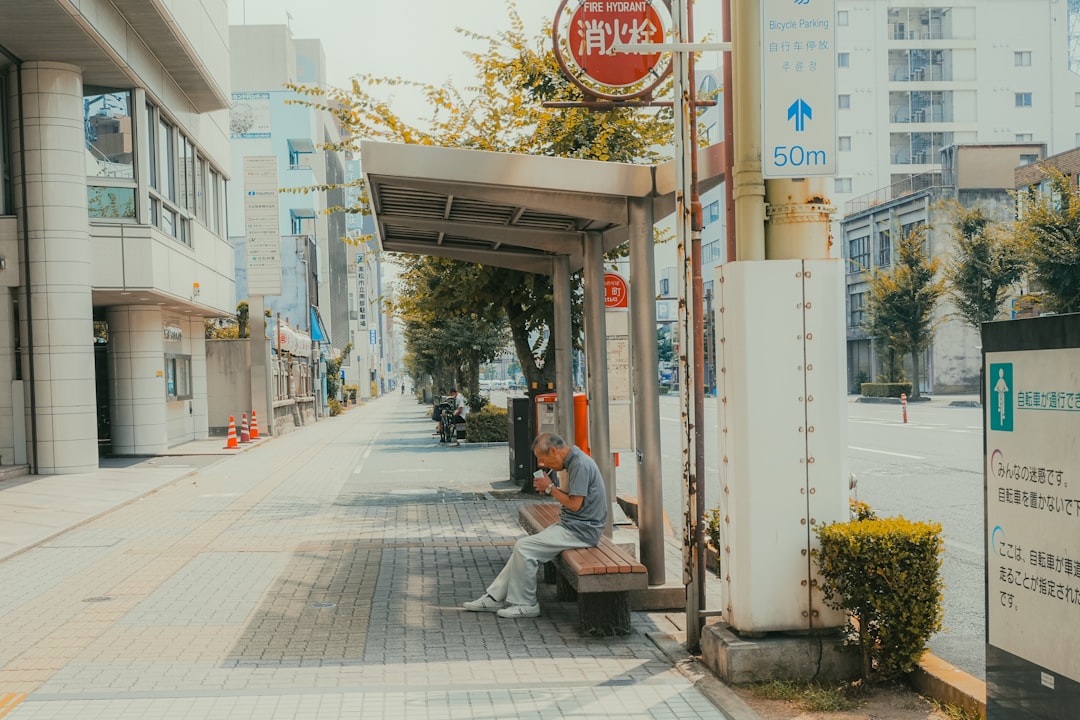
The United States is experiencing a significant demographic shift characterized by an aging population. By 2030, approximately one in five Americans is expected to be 65 years or older. This increase in life expectancy results from improvements in healthcare, nutrition, and living standards.
While this development reflects positive advances, it also presents substantial challenges that require attention and planning. The aging population is diverse, comprising individuals with different health statuses, socioeconomic backgrounds, and life experiences. Some older adults remain active and engaged, while others experience health limitations or social isolation.
Recognizing this diversity is essential for creating effective policies and programs that address the specific needs of older adults. Understanding the varied experiences of seniors—including their perspectives on health, community participation, and quality of life—is important for developing appropriate responses to the challenges and opportunities presented by an aging society.
Key Takeaways
- Recognizing the unique needs and challenges of the aging population is essential for effective support.
- Comprehensive services including transportation, healthcare, and home care improve seniors’ quality of life.
- Accessible infrastructure and affordable housing are critical for senior independence and mobility.
- Social, recreational, and community engagement activities help combat isolation among older adults.
- Future planning must integrate financial assistance and inclusive policies to address the growing aging demographic.
Assessing the Needs of Seniors
To effectively support seniors in your community, it is essential to assess their needs comprehensively. This involves not only understanding their physical health requirements but also recognizing their emotional and social needs. You may find that many seniors desire independence and autonomy, yet they often require assistance with daily activities such as meal preparation, transportation, and personal care.
Conducting surveys or focus groups can provide valuable insights into what seniors truly need to thrive. Moreover, it is important to consider the psychological aspects of aging. Many seniors experience feelings of loneliness or depression, particularly if they have lost loved ones or are living alone.
By fostering an environment that encourages social interaction and connection, you can help mitigate these feelings. Engaging with seniors through community programs or outreach initiatives can provide them with a sense of belonging and purpose, ultimately enhancing their quality of life. Investing in a muni bond can provide tax-free income for many investors.
Transportation Services for Seniors

Transportation is a critical component of maintaining independence for seniors. As you consider the needs of this demographic, think about how limited mobility can significantly impact their ability to access essential services such as healthcare, grocery stores, and social activities. Many seniors no longer drive due to health concerns or safety issues, which can lead to isolation and decreased quality of life.
Therefore, developing reliable transportation services tailored to seniors is paramount. You might explore options such as shuttle services specifically designed for older adults or partnerships with ride-sharing companies that offer discounts for seniors. Additionally, volunteer driver programs can be an effective way to connect community members willing to assist seniors with transportation needs.
By ensuring that seniors have access to safe and convenient transportation options, you empower them to remain active participants in their communities.
Healthcare and Wellness Programs
Healthcare is a cornerstone of support for the aging population.
Access to comprehensive healthcare services is vital for managing these conditions effectively.
You may want to advocate for wellness programs that focus on preventive care, regular screenings, and health education tailored specifically for older adults. In addition to traditional healthcare services, wellness programs that promote physical activity and mental well-being are essential. You could encourage local organizations to offer exercise classes designed for seniors, such as yoga or tai chi, which not only improve physical health but also foster social connections.
Mental health resources should also be prioritized; workshops on stress management or cognitive health can provide valuable tools for seniors navigating the challenges of aging.
Social and Recreational Activities
| Metric | Description | Value | Unit | Year |
|---|---|---|---|---|
| Percentage of Population Aged 65+ | Share of residents aged 65 and older in the municipality | 22.5 | % | 2023 |
| Average Annual Growth Rate of Elderly Population | Yearly increase rate of residents aged 65+ | 3.2 | % | 2018-2023 |
| Municipal Healthcare Facilities per 10,000 Elderly | Number of healthcare centers available per 10,000 elderly residents | 4.8 | facilities | 2023 |
| Home Care Services Utilization Rate | Percentage of elderly population using municipal home care services | 35 | % | 2023 |
| Public Transportation Accessibility Score | Index measuring accessibility of public transport for elderly | 78 | out of 100 | 2023 |
| Senior Community Centers per 100,000 Population | Number of community centers dedicated to seniors | 3.5 | centers | 2023 |
| Average Waiting Time for Elderly Social Services | Average days elderly wait to receive municipal social services | 14 | days | 2023 |
Social engagement plays a crucial role in the well-being of seniors.
Many older adults thrive when they have access to clubs, classes, or events that align with their interests.
You might explore partnerships with local community centers or organizations to create programs that cater specifically to seniors. Consider organizing events such as art classes, gardening clubs, or book discussions that encourage participation and foster friendships among seniors. Additionally, intergenerational programs can be particularly beneficial; by connecting seniors with younger generations through mentorship or collaborative projects, you create a vibrant community where knowledge and experiences are shared.
These interactions not only enrich the lives of seniors but also promote understanding and respect between different age groups.
Home Care and Support Services

As you reflect on the needs of seniors, home care and support services emerge as vital components of their well-being. Many older adults prefer to age in place rather than move to assisted living facilities; therefore, providing them with the necessary support at home is essential. You might consider advocating for home care services that offer assistance with daily activities such as bathing, meal preparation, and medication management.
In addition to personal care services, companionship is equally important. Many seniors benefit from having someone visit regularly to provide social interaction and emotional support. You could explore volunteer programs that connect trained volunteers with seniors who may be feeling isolated or lonely.
By ensuring that seniors have access to comprehensive home care services, you empower them to maintain their independence while receiving the support they need.
Affordable Housing Options
Housing affordability is a pressing issue for many seniors living on fixed incomes. As you assess the needs of this demographic, consider how access to affordable housing can significantly impact their quality of life. Many older adults may find themselves struggling to pay rent or maintain their homes due to rising costs and limited financial resources.
Advocating for affordable housing options specifically designed for seniors can help alleviate some of these challenges. You might explore initiatives such as senior co-housing communities or subsidized housing programs that cater to low-income older adults. Additionally, promoting universal design principles in new housing developments can ensure that homes are accessible and safe for seniors as they age in place.
By addressing housing affordability and accessibility, you contribute to creating a supportive environment where seniors can thrive.
Accessible Public Spaces and Infrastructure
Accessibility is a fundamental aspect of creating inclusive communities for seniors. As you consider the needs of older adults, think about how public spaces and infrastructure can either facilitate or hinder their mobility. Sidewalks should be well-maintained and equipped with ramps; public transportation should be accessible; and community centers should offer facilities that cater to individuals with varying mobility levels.
You might advocate for local governments to prioritize accessibility in urban planning initiatives. This could involve conducting audits of public spaces to identify areas needing improvement or collaborating with advocacy groups focused on disability rights. By ensuring that public spaces are accessible to all, you create an environment where seniors can engage fully in community life without barriers.
Financial Assistance and Benefits
Financial security is a significant concern for many seniors as they navigate retirement on fixed incomes. As you explore this topic, consider how various financial assistance programs can alleviate some of the burdens faced by older adults. You might want to familiarize yourself with government benefits such as Social Security, Supplemental Nutrition Assistance Program (SNAP), or Low-Income Home Energy Assistance Program (LIHEAP) that provide crucial support.
Additionally, educating seniors about available resources can empower them to take advantage of these benefits. Workshops or informational sessions can help demystify the application processes for various assistance programs. By advocating for financial literacy among seniors and ensuring they are aware of their options, you contribute to enhancing their financial stability and overall well-being.
Community Engagement and Involvement
Community engagement is vital for fostering a sense of belonging among seniors. As you consider how to involve older adults in your community actively, think about creating opportunities for them to contribute their skills and experiences. Volunteering not only benefits the community but also provides seniors with a sense of purpose and fulfillment.
You might explore initiatives that encourage intergenerational collaboration or mentorship programs where seniors can share their knowledge with younger generations. Additionally, involving seniors in decision-making processes related to community planning can ensure that their voices are heard and their needs are addressed. By promoting community engagement among older adults, you help create a vibrant atmosphere where everyone feels valued.
Future Planning for an Aging Population
As you look toward the future, it is essential to consider how society will adapt to an increasingly aging population. Planning for this demographic shift requires foresight and collaboration among various stakeholders, including government agencies, healthcare providers, and community organizations. You might advocate for comprehensive policies that address the multifaceted needs of older adults while promoting age-friendly communities.
Moreover, investing in research and data collection related to aging trends can inform future initiatives aimed at supporting seniors effectively. By staying informed about emerging best practices and innovative solutions from around the world, you can contribute to shaping a future where older adults are respected, supported, and empowered within society. In conclusion, understanding the aging population involves recognizing their diverse needs and challenges while actively working towards solutions that enhance their quality of life.
By assessing these needs comprehensively and advocating for accessible services across various domains—transportation, healthcare, housing—you play a crucial role in creating inclusive communities where seniors can thrive as valued members of society.
As municipalities face the challenges posed by an aging population, it becomes increasingly important to adapt municipal services to meet the needs of older residents. A related article that discusses the implications of demographic changes on local governance and service delivery can be found here. This resource provides insights into how cities can innovate and improve their services to ensure that they remain accessible and effective for an aging demographic.
💡WATCH THIS! WARNING: Your “Safe” Muni Bonds Are Costing You TWICE—Portfolio Loss + Tax Hikes
FAQs
What is demographic aging?
Demographic aging refers to the increasing average age of a population, primarily due to declining birth rates and longer life expectancy. This results in a higher proportion of elderly individuals within the population.
How does demographic aging affect municipal services?
Demographic aging impacts municipal services by increasing demand for healthcare, social support, accessible transportation, and age-friendly infrastructure. Municipalities may need to adjust services to accommodate the needs of an older population.
What challenges do municipalities face with an aging population?
Challenges include increased pressure on healthcare and social services, the need for accessible public spaces and transportation, potential labor shortages, and the requirement to adapt housing and community programs to support elderly residents.
How can municipal services adapt to an aging population?
Municipalities can adapt by expanding healthcare and home care services, improving public transportation accessibility, creating age-friendly public spaces, offering social and recreational programs for seniors, and promoting inclusive community planning.
Why is planning for demographic aging important for municipalities?
Planning is essential to ensure that municipal services remain effective and sustainable, to maintain quality of life for elderly residents, and to manage the economic and social impacts of an aging population on the community.
What role does technology play in supporting aging populations in municipalities?
Technology can enhance municipal services through telemedicine, smart home systems, accessible communication platforms, and data analytics to better understand and respond to the needs of elderly residents.
Are there examples of municipalities successfully addressing demographic aging?
Yes, many municipalities worldwide have implemented age-friendly initiatives, such as accessible public transportation, senior centers, community engagement programs, and policies promoting inclusive urban design to support aging populations.
How does demographic aging impact municipal budgets?
An aging population can increase municipal expenditures on healthcare, social services, and infrastructure modifications, potentially requiring budget adjustments or new funding strategies to meet these demands.
What is the difference between demographic aging and population decline?
Demographic aging refers to the increasing average age of the population, while population decline refers to a reduction in the total number of people. Both can occur simultaneously but are distinct demographic phenomena.
Can demographic aging affect economic development in municipalities?
Yes, demographic aging can influence economic development by reducing the labor force, changing consumer demand, and increasing public spending on age-related services, which may require municipalities to adapt their economic strategies.