
Farmland real estate operates as a specialized market with distinct characteristics that require careful study. Farmland functions as a critical asset for food production and plays a significant role in economic development. Market conditions are shaped by multiple variables, including shifts in agricultural practices, weather patterns, and regulatory frameworks.
Acquiring knowledge about these factors enables you to make well-reasoned investment choices. Global population growth has increased demand for farmland, as greater food production capacity is needed to meet consumption requirements. This expansion in demand presents potential investment opportunities in agricultural property.
Nevertheless, farmland prices respond to broader economic conditions at both local and national levels. Monitoring market data and regional farming methods allows you to identify and pursue favorable investment prospects when they become available.
Key Takeaways
- Understanding market dynamics and quality assessment is crucial for successful farmland investment.
- Utilizing technology and data enhances decision-making and identifies profitable opportunities.
- Sustainable practices and diversification help manage risks and ensure long-term returns.
- Leveraging government programs can provide financial incentives and support.
- Building strong relationships with farmers and experts aids in effective management and maximizing returns.
Identifying Profitable Farmland Investment Opportunities
When searching for profitable farmland investment opportunities, you must adopt a strategic approach. Begin by researching regions with strong agricultural outputs and favorable growing conditions. Areas with a history of successful crop yields or livestock production often present lucrative investment prospects.
Additionally, consider the proximity of these lands to markets, as access to transportation and distribution channels can significantly impact profitability. Networking with local farmers and agricultural organizations can also provide valuable insights into emerging opportunities. Engaging with these communities allows you to tap into their knowledge and experience, helping you identify lands that may not be widely advertised.
Furthermore, attending agricultural fairs and conferences can expose you to innovative farming practices and technologies that could enhance your investment’s potential. Investing in farmland investment can provide sustainable returns and long-term growth opportunities.
Evaluating the Potential for Agricultural Development
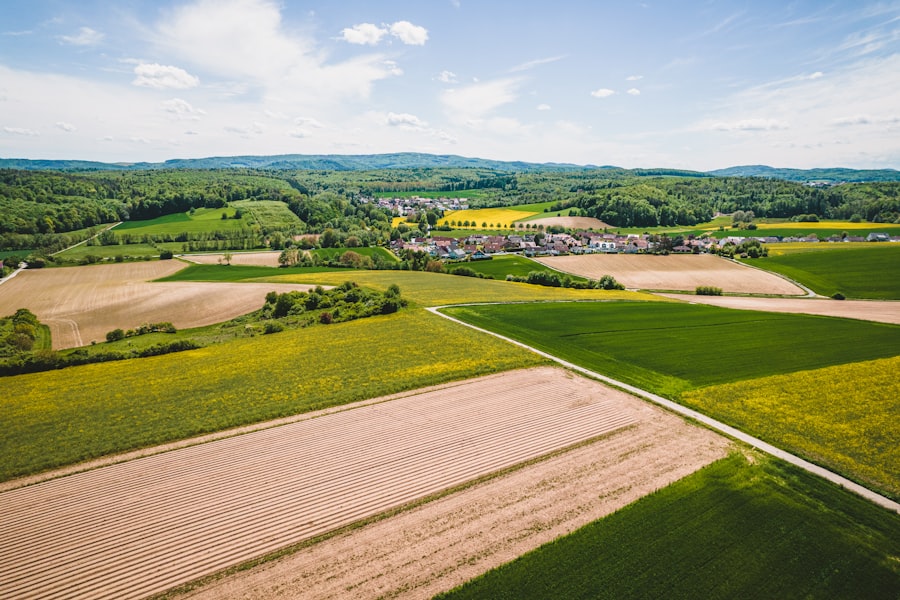
Once you’ve identified potential farmland investments, the next step is to evaluate their agricultural development potential. This involves assessing the land’s soil quality, water availability, and climate conditions. Conducting soil tests can reveal essential information about nutrient levels and pH balance, which are critical for successful crop production.
Additionally, understanding the local climate will help you determine which crops are best suited for the area. You should also consider the land’s historical use and any existing infrastructure that may support agricultural activities. For instance, if the property has irrigation systems or storage facilities, these features can significantly reduce your initial investment costs.
By thoroughly evaluating these factors, you can make informed decisions about which properties are likely to yield the best returns.
Assessing the Quality of Farmland for Investment
Assessing the quality of farmland is a crucial step in your investment journey. High-quality farmland typically boasts rich soil, adequate drainage, and a suitable climate for crop growth. You should prioritize properties that have been well-maintained and have a history of productive use.
Engaging with agronomists or soil scientists can provide you with expert insights into the land’s potential. In addition to physical attributes, consider the legal aspects of the property. Ensure that there are no zoning restrictions or environmental regulations that could hinder your farming plans.
Understanding these legalities will help you avoid potential pitfalls and ensure that your investment aligns with your long-term goals.
Utilizing Technology and Data in Farmland Investment
| Metric | Description | Typical Range | Investment Advice |
|---|---|---|---|
| Price per Acre | Cost to purchase one acre of farmland | 1,000 – 15,000 | Look for undervalued regions with growth potential |
| Annual Rental Yield | Income generated from leasing farmland annually | 3% – 8% | Consider long-term lease agreements for steady income |
| Soil Quality Index | Rating of soil fertility and suitability for crops | 1 – 10 (10 is best) | Prioritize farmland with higher soil quality for better returns |
| Water Availability | Access to irrigation and water resources | Low, Medium, High | Invest in areas with reliable water sources to reduce risk |
| Crop Diversification | Variety of crops that can be grown on the land | 1 – 5+ crop types | Diversify crops to mitigate market and climate risks |
| Land Appreciation Rate | Annual increase in farmland value | 2% – 6% | Focus on regions with strong economic and population growth |
| Operating Costs | Annual expenses for maintaining and farming the land | 200 – 1,000 per acre | Analyze cost structure to ensure profitability |
In today’s digital age, leveraging technology and data can significantly enhance your farmland investment strategy. Precision agriculture tools, such as drones and satellite imagery, allow you to monitor crop health and soil conditions in real-time. By utilizing these technologies, you can make data-driven decisions that optimize yields and reduce costs.
Moreover, data analytics can help you identify market trends and forecast future agricultural demands. By analyzing historical data on crop prices and yields, you can better predict which crops will be most profitable in the coming years. This information is invaluable as you develop your investment strategy and seek to maximize your returns.
Implementing Sustainable Farming Practices
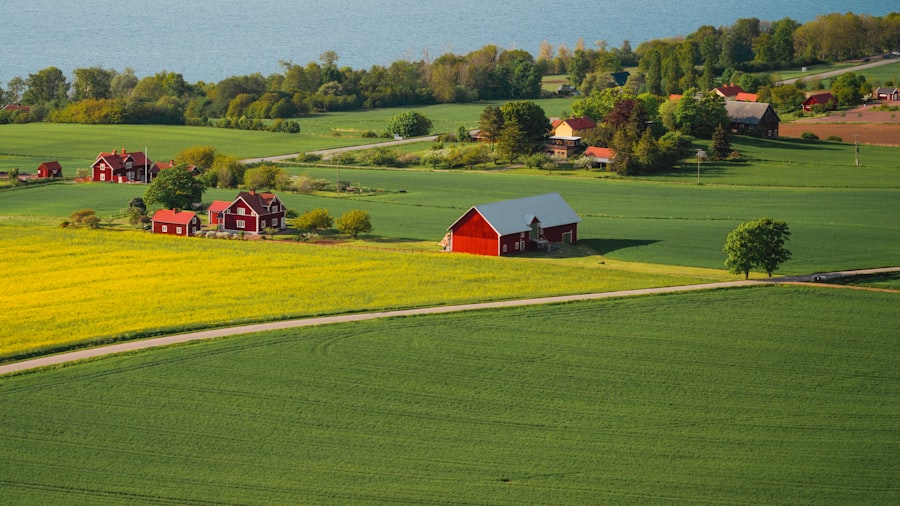
As an investor in farmland, embracing sustainable farming practices is not only beneficial for the environment but can also enhance your investment’s long-term viability. Sustainable agriculture focuses on maintaining soil health, conserving water resources, and promoting biodiversity. By implementing these practices, you can improve the resilience of your farmland against climate change and other environmental challenges.
Additionally, consumers are increasingly seeking sustainably produced food, which can lead to higher market prices for your crops. By positioning your investment as environmentally friendly, you may attract premium buyers who are willing to pay more for sustainably sourced products. This approach not only benefits your bottom line but also contributes positively to the agricultural community and the planet.
Diversifying Farmland Investments
Diversification is a key strategy in any investment portfolio, including farmland.
For instance, if one crop fails due to drought or pest infestations, having other crops or livestock can help stabilize your income.
Consider exploring niche markets as part of your diversification strategy. Specialty crops such as organic produce or exotic fruits may offer higher profit margins compared to traditional crops. Additionally, investing in different types of farmland—such as timberland or recreational land—can further diversify your portfolio and provide additional revenue streams.
Leveraging Government Programs and Incentives
Government programs and incentives can play a significant role in supporting your farmland investment endeavors. Many countries offer grants, subsidies, or tax incentives aimed at promoting agricultural development and sustainability. Familiarizing yourself with these programs can provide financial assistance that enhances your investment’s profitability.
For example, some programs may offer funding for implementing sustainable practices or investing in new technologies. By taking advantage of these resources, you can reduce your overall costs while improving the efficiency of your farming operations. Additionally, staying informed about policy changes can help you anticipate shifts in government support that may impact your investments.
Managing Risks in Farmland Investment
Investing in farmland comes with its share of risks, including market volatility, climate change, and pest infestations. To effectively manage these risks, it’s essential to develop a comprehensive risk management strategy. This may involve diversifying your investments, as previously mentioned, but also includes obtaining appropriate insurance coverage for your properties.
You should also stay informed about emerging agricultural trends and potential threats to crop production. By keeping abreast of industry news and advancements in farming technology, you can proactively address challenges before they impact your investments. Engaging with agricultural experts can provide additional insights into risk management strategies tailored to your specific circumstances.
Building Relationships with Farmers and Agricultural Experts
Building strong relationships with farmers and agricultural experts is invaluable as you navigate the farmland investment landscape. These connections can provide you with firsthand knowledge about local farming practices, market conditions, and emerging trends. By fostering these relationships, you create a network of support that can guide you through challenges and opportunities alike.
Consider joining local agricultural associations or attending industry events to expand your network further. Engaging with fellow investors and farmers allows you to share experiences and learn from one another’s successes and failures. This collaborative approach not only enhances your understanding of the market but also opens doors to potential partnerships that could benefit your investments.
Maximizing Returns through Strategic Planning and Management
To maximize returns on your farmland investments, strategic planning and management are essential components of your approach. Begin by setting clear goals for your investments—whether it’s short-term profits or long-term sustainability—and develop a comprehensive business plan that outlines how you intend to achieve these objectives. Regularly reviewing and adjusting your management practices based on performance metrics will help ensure that you remain on track toward achieving your goals.
This may involve analyzing crop yields, monitoring expenses, or reassessing market conditions to identify new opportunities for growth. By maintaining a proactive management style, you position yourself for success in the ever-evolving farmland real estate market. In conclusion, investing in farmland presents a unique opportunity for those willing to navigate its complexities with diligence and foresight.
By understanding the market dynamics, identifying profitable opportunities, evaluating land quality, leveraging technology, implementing sustainable practices, diversifying investments, utilizing government incentives, managing risks effectively, building relationships within the agricultural community, and employing strategic planning—you’re well-equipped to maximize returns on your farmland investments while contributing positively to the agricultural landscape.
For those interested in farmland real estate investment, it’s essential to stay informed about the latest trends and strategies in the market. A great resource for this is the article available at howwealthgrows.
com/’>How Wealth Grows, which provides valuable insights and advice on making informed investment decisions in farmland. This article can help you understand the potential benefits and risks associated with investing in agricultural properties, ensuring you are well-prepared to navigate this unique sector of real estate.
WATCH THIS! The Gold Rush is Over. Now, the Dirt Rush is ON. 🚜💰
FAQs
What is farmland real estate investment?
Farmland real estate investment involves purchasing agricultural land with the intention of generating income through farming activities, leasing the land to farmers, or benefiting from land appreciation over time.
Why invest in farmland real estate?
Investing in farmland can provide steady income through lease payments, potential tax advantages, portfolio diversification, and protection against inflation due to the tangible nature of the asset.
What factors should I consider before investing in farmland?
Key factors include soil quality, water availability, location, local climate, land price trends, zoning regulations, and the reputation of tenants or farming operators.
How can I finance a farmland real estate purchase?
Financing options include traditional mortgages, agricultural loans from banks or government programs, seller financing, or partnerships with other investors.
What are the risks associated with farmland investment?
Risks include weather variability, commodity price fluctuations, changes in agricultural policies, land degradation, and potential difficulties in finding reliable tenants.
Is farmland investment suitable for beginners?
While farmland can be a stable investment, beginners should conduct thorough research or consult with experts due to the specialized knowledge required about agriculture and land management.
How does farmland investment compare to other real estate investments?
Farmland often has lower volatility and can provide steady income, but it may have less liquidity and requires understanding of agricultural markets compared to residential or commercial real estate.
Can I invest in farmland through funds or REITs?
Yes, there are farmland-focused real estate investment trusts (REITs) and mutual funds that allow investors to gain exposure to agricultural land without direct ownership.
What tax benefits are associated with farmland investment?
Tax benefits may include deductions for property taxes, depreciation, and potential favorable capital gains treatment, but these vary by jurisdiction and individual circumstances.
How important is location in farmland investment?
Location is critical as it affects soil fertility, climate conditions, access to markets, infrastructure, and overall land value, all of which impact profitability.