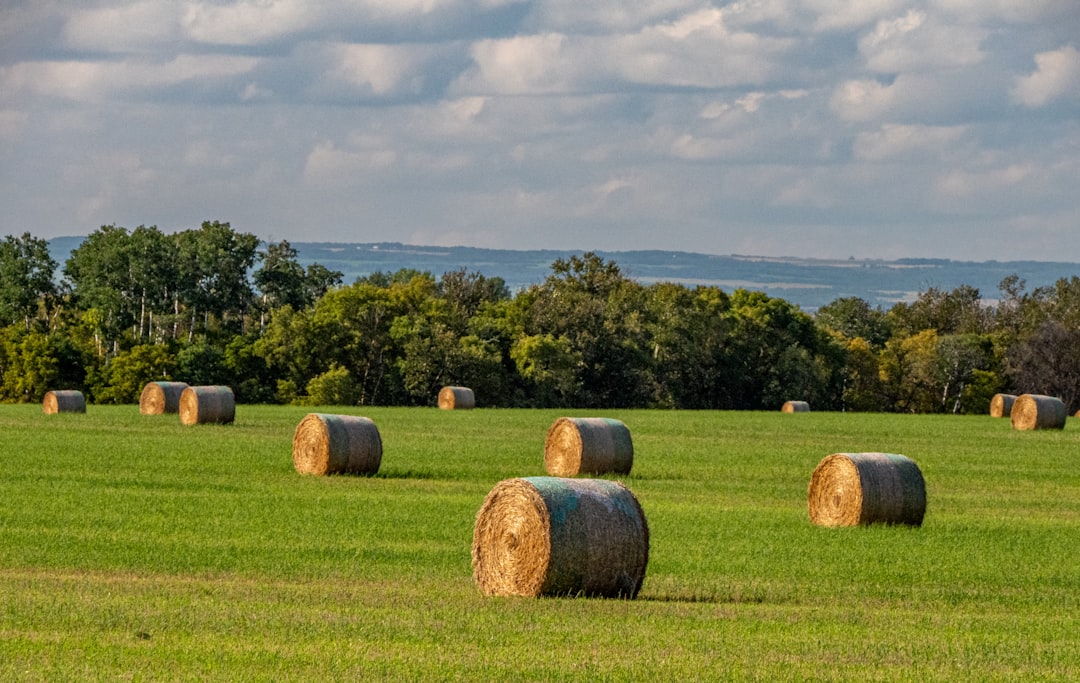
You stand at a crossroads in your investment journey, one where the traditional avenues of stocks, bonds, and real estate might seem familiar, yet perhaps, also somewhat saturated. You’ve heard whispers, perhaps seen data, indicating a different kind of asset, one deeply rooted in the earth, offering a unique blend of stability, inflation hedge, and tangible value: farmland. This article will illuminate the strategic landscape of farmland investment, guiding you through its intricacies and demonstrating how you can cultivate a robust portfolio.
You might initially perceive farmland as a niche investment, perhaps one reserved for agricultural professionals or large institutional players. However, its fundamental characteristics make it a surprisingly versatile and compelling option for a broader range of investors, including yourself. Farmland, at its core, represents a productive asset capable of generating consistent income, appreciating in value, and acting as a bulwark against economic volatility. Learn more about the financialization of American agriculture and its impact on the economy.
Intrinsic Value and Tangible Asset Ownership
Unlike many financial instruments that represent claims on future earnings or abstract ownership, farmland is a physical asset. You own a piece of the earth, a tangible commodity that cannot be printed or created through fiat. This inherent tangibility provides a psychological and financial grounding, offering a sense of security that softer assets often lack. You can walk its boundaries, feel its soil, and witness its productivity firsthand.
Inflation Hedge and Store of Value
History demonstrates farmland’s robust performance during inflationary periods. As the cost of goods and services rises, so too does the value of the agricultural commodities produced on the land. This intrinsic link makes farmland a potent inflation hedge, allowing your investment to maintain or even increase its purchasing power when other assets might erode. Think of it as a natural thermostat for your portfolio, adjusting to the economic climate.
Diversification Benefits and Low Correlation
Incorporating farmland into your portfolio can significantly enhance its diversification. Farmland often exhibits a low correlation with traditional asset classes like stocks and bonds. This means that when the stock market experiences a downturn, farmland values may remain stable or even increase, providing a counter-cyclical element to your investments. This uncorrelated behavior smooths out portfolio volatility, much like adding an additional leg to a wobbly stool.
Income Generation Through Lease Agreements and Production
Farmland offers two primary avenues for income generation. You can lease the land to farmers, receiving consistent rental payments, much like a landlord collecting rent on a residential property. Alternatively, you can participate directly in agricultural production, taking a share of the harvest or profits, a more active approach akin to running a business. Both methods provide a revenue stream independent of market fluctuations, a steady dividend from the earth itself.
For those interested in exploring farmland investment strategies in greater detail, a related article can be found at How Wealth Grows. This resource provides valuable insights into the benefits and risks associated with investing in agricultural land, as well as tips on how to effectively manage such investments for long-term growth.
Strategic Approaches to Farmland Investment
Once you understand the fundamental appeal, you’ll need to consider the various strategic avenues available for investing in farmland. Your choice will depend on your risk tolerance, capital availability, and desired level of involvement.
Direct Ownership: The Traditional Path
Direct ownership involves purchasing farmland outright. This approach grants you complete control over the asset, allowing you to choose tenants, farming practices (if you farm it yourself), and ultimate disposition.
Advantages of Direct Ownership
- Full Control: You dictate all aspects of the land’s management and future.
- Potential for Higher Returns: With astute management, you can maximize profitability.
- Tangible Asset: The psychological and financial security of owning a physical asset.
Disadvantages of Direct Ownership
- Significant Capital Outlay: Farmland can be expensive, requiring substantial initial investment.
- Management Responsibilities: You are responsible for maintenance, taxes, and potentially tenant relations.
- Illiquidity: Selling farmland can be a lengthy process compared to publicly traded assets.
Fractional Ownership: Democratizing Access
For many, the high entry cost of direct ownership is a significant barrier. Fractional ownership models, often facilitated by online platforms, allow you to purchase a share of a larger farm.
Benefits of Fractional Ownership
- Lower Entry Barrier: Access prime agricultural land with a smaller capital commitment.
- Diversification Across Farms: Spread your risk across multiple properties and crop types.
- Passive Investment: Management is typically handled by the platform or a professional farm manager.
Considerations for Fractional Ownership
- Limited Control: You have less direct influence over the farm’s operations.
- Platform Risk: Reliance on the platform’s solvency and management expertise.
- Liquidity: While better than direct ownership, reselling fractional shares can still be less liquid than stocks.
Farmland REITs (Real Estate Investment Trusts): Publicly Traded Exposure
Farmland REITs are companies that own and operate income-producing agricultural properties. You can invest in these companies by purchasing their shares on public exchanges.
Advantages of Farmland REITs
- High Liquidity: Shares can be bought and sold readily on stock exchanges.
- Diversification within Agriculture: REITs typically own a portfolio of diverse farmland properties.
- Professional Management: Experienced teams manage the properties and operations.
- Dividend Income: REITs are legally required to distribute a significant portion of their taxable income to shareholders as dividends.
Potential Drawbacks of Farmland REITs
- Market Volatility: Share prices can fluctuate with broader market movements, even if the underlying asset is stable.
- Indirect Ownership: You own shares in a company, not the physical land itself.
- Fees and Expenses: Management fees are deducted from the REIT’s income.
Key Factors to Consider Before Investing
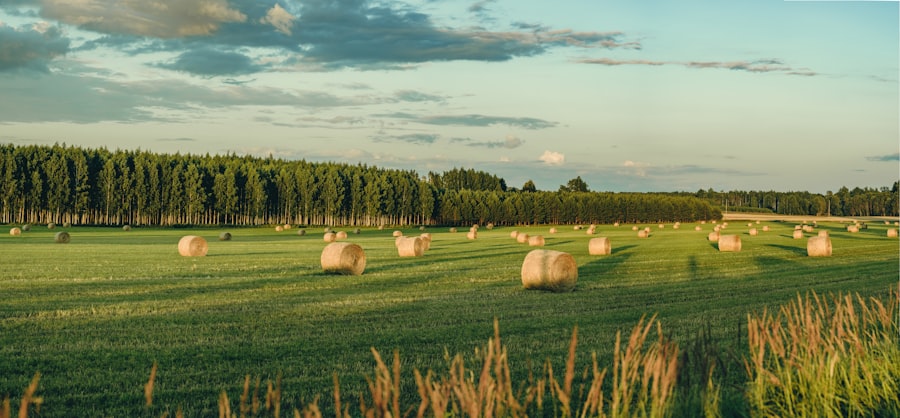
Just as a farmer meticulously assesses soil quality and climate, you must conduct diligent research before committing your capital. Several critical factors will influence the success of your farmland investment.
Location, Location, Location: The Agricultural Imperative
Just as in residential real estate, location is paramount. Prime agricultural land possesses characteristics that contribute to sustained productivity and value appreciation.
Soil Quality and Fertility
The chemical and physical composition of the soil directly impacts crop yields and overall productivity. You should seek land with healthy, fertile soil that minimizes the need for extensive amendments. High-quality soil is the bedrock of fertile returns.
Water Availability and Irrigation Rights
Access to reliable water sources is non-negotiable for most agricultural operations. Understanding irrigation rights, water conservation measures, and potential drought risks is crucial. Water, in effect, is the lifeblood of the land.
Climate and Growing Season
The prevailing climate dictates which crops can be grown successfully. Consider factors like average temperatures, rainfall patterns, frost-free days, and potential for extreme weather events. You wouldn’t plant oranges in Alaska, and similarly, you must match the crop to the climate.
Infrastructure and Market Access
Proximity to processing facilities, transportation networks (roads, rail), and consumer markets significantly impacts profitability. Efficient logistics reduce costs and ensure timely delivery of produce.
Crop Selection and Market Dynamics
The choice of crops grown on your farmland is a critical decision, influencing both income potential and risk.
High-Value vs. Commodity Crops
High-value crops (e.g., specialty fruits, organic vegetables) often command higher prices but may require more intensive management and have smaller demand windows. Commodity crops (e.g., corn, soybeans, wheat) have broad markets but are subject to greater price volatility.
Demand Trends and Consumption Patterns
Research long-term demand trends for specific agricultural products. Shifting dietary preferences, population growth, and global trade agreements can all impact crop profitability.
Risk Mitigation Strategies
Diversifying across multiple crop types or land parcels can reduce your exposure to price fluctuations or adverse weather events affecting a single crop.
Financial Due Diligence and Valuation
Before making any investment, thoroughly scrutinize the financial aspects of the deal. Treat it with the same rigor you would apply to any other significant investment.
Appraisals and Market Comps
Obtain independent appraisals to determine the fair market value of the property. Compare the asking price to recent sales of similar farmland in the area (comparable sales).
Cash Flow Projections and Cap Rates
Project potential rental income or production revenue, deducting operating expenses to estimate net operating income (NOI). Calculate the capitalization rate (Cap Rate = NOI / Property Value) to assess the expected rate of return for income-generating properties.
Tax Implications and Incentives
Understand the tax implications of farmland ownership, including property taxes, income taxes on rental income or profits, and potential capital gains taxes upon sale. Investigate any available agricultural subsidies, tax breaks, or conservation easements that could benefit your investment.
Environmental, Social, and Governance (ESG) Considerations
Modern investors increasingly prioritize ESG factors. Farmland is inherently connected to environmental stewardship and community impact.
Sustainable Farming Practices
Consider opportunities to implement or support sustainable farming practices such as organic farming, regenerative agriculture, or water conservation. These practices not only benefit the environment but can also enhance long-term soil health and property value.
Community Impact and Social Responsibility
Evaluate the farm’s relationship with local communities, including labor practices and local economic contributions. Responsible land stewardship fosters positive community relations.
Regulatory Compliance and Risk Mitigation
Ensure the property adheres to all environmental regulations and land-use zoning laws. Assess potential environmental liabilities, such as past contamination or water quality issues.
Managing Your Farmland Investment
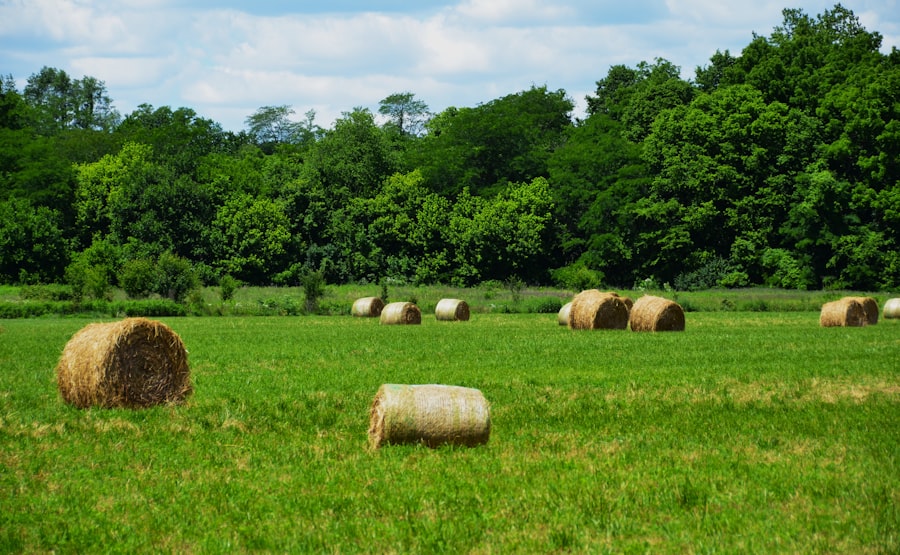
Once you’ve acquired farmland, the journey doesn’t end. Effective management is crucial for maximizing returns and preserving the asset’s value. Think of yourself as a steward, not just an owner.
Lease Agreements and Tenant Relationships
If you’re not farming the land yourself, a well-structured lease agreement is paramount.
Types of Lease Agreements
- Cash Lease: A fixed annual payment, providing predictable income to you, the landowner.
- Crop-Share Lease: You receive a percentage of the crop yield, linking your income directly to production success. This offers upside potential but also carries more risk.
- Flex Lease: A hybrid model, often with a base cash rent plus a bonus based on crop yields or commodity prices.
Establishing Clear Terms and Expectations
Ensure the lease clearly outlines responsibilities for maintenance, input costs, and any specific farming practices. Fostering a strong, respectful relationship with your tenant is crucial for long-term success. They are your partners in productivity.
Professional Farm Management
For those who lack agricultural expertise or the time for direct involvement, professional farm management services can be invaluable.
Services Offered
Farm managers can handle everything from tenant screening and lease negotiation to crop planning, input procurement, and marketing of agricultural products. They act as your on-the-ground experts.
Benefits of Professional Management
- Expertise: Access to agricultural knowledge and market insights.
- Time Savings: Frees you from day-to-day operational responsibilities.
- Risk Mitigation: Professional managers can identify and mitigate various farming risks.
Monitoring Performance and Adaptation
Like any investment, farmland requires ongoing monitoring and periodic adjustments. The agricultural landscape is dynamic, and you must be willing to adapt.
Yield Tracking and Financial Analysis
Regularly track crop yields, input costs, and commodity prices. Conduct thorough financial analysis to assess profitability and identify areas for improvement.
Market Research and Trend Analysis
Stay informed about agricultural market trends, technological advancements, and policy changes that could impact your investment. The future of food production is constantly evolving.
Environmental Best Practices and Soil Health
Continuously assess and improve soil health through sustainable practices. Healthy soil is a living engine, and its vitality is directly linked to the long-term productivity and value of your land.
For those interested in exploring farmland investment strategies in greater detail, a related article can provide valuable insights. You can read more about effective approaches to investing in agricultural land by visiting this informative resource. Understanding the nuances of farmland investment can significantly enhance your portfolio and help you make informed decisions in this growing sector.
The Long-Term Perspective
| Metric | Description | Typical Range | Importance in Strategy |
|---|---|---|---|
| Land Acquisition Cost | Price paid per acre for farmland | 500 – 10,000 per acre | Determines initial investment and potential ROI |
| Soil Quality Index | Rating of soil fertility and suitability for crops | 1 – 10 (10 is best) | Impacts crop yield and long-term land value |
| Annual Crop Yield | Amount of crop produced per acre annually | 50 – 300 bushels per acre | Directly affects revenue generation |
| Operating Costs | Expenses related to farming operations per acre | 100 – 500 per acre annually | Influences net profitability |
| Land Appreciation Rate | Annual increase in farmland value | 2% – 8% per year | Contributes to long-term capital gains |
| Lease Income | Income from leasing farmland to farmers | 30 – 150 per acre annually | Provides steady cash flow if not farmed directly |
| Water Access | Availability of irrigation and water resources | Low, Medium, High | Critical for crop reliability and yield |
| Crop Diversification | Number of different crops grown on the land | 1 – 5+ | Reduces risk and improves resilience |
| Environmental Regulations | Restrictions affecting land use and farming practices | Low to High | Can impact operational flexibility and costs |
Farmland investment is not a get-rich-quick scheme. It is a long-term play, requiring patience, foresight, and a deep understanding of its unique characteristics. You are investing in a fundamental engine of human civilization – the ability to produce food and resources. By diligently applying these strategies and maintaining a long-term perspective, you can cultivate a portfolio that offers both financial stability and the satisfaction of owning a truly essential asset. You are planting seeds, not just of crops, but of future prosperity.
WATCH THIS! ⚠️💰🌾 Why Wall Street Is Buying Up America’s Farmland (And Why It Should Terrify You)
FAQs
What is farmland investment?
Farmland investment involves purchasing agricultural land with the goal of generating returns through farming activities, land appreciation, or leasing the land to farmers.
Why invest in farmland?
Investing in farmland can provide steady income through crop production or leasing, potential capital appreciation, diversification benefits, and a hedge against inflation.
What are common strategies for investing in farmland?
Common strategies include direct ownership of farmland, investing in farmland-focused real estate investment trusts (REITs), agricultural funds, or partnerships that manage farmland assets.
How is farmland valued?
Farmland value is typically based on factors such as soil quality, location, water availability, crop yields, local market conditions, and potential for development.
What are the risks associated with farmland investment?
Risks include weather variability, commodity price fluctuations, changes in agricultural policies, land management challenges, and potential liquidity issues.
How can investors generate income from farmland?
Income can be generated through leasing the land to farmers, selling agricultural products if directly managing the farm, or through dividends and distributions from farmland investment funds.
Is farmland investment suitable for individual investors?
Farmland investment can be suitable for individual investors seeking diversification and long-term growth, but it often requires significant capital, knowledge of agriculture, or access to professional management.
What role does sustainability play in farmland investment?
Sustainable farming practices can enhance soil health, improve yields, and increase the long-term value of farmland, making sustainability an important consideration in investment strategy.
How liquid is farmland as an investment?
Farmland is generally considered a less liquid asset compared to stocks or bonds, as selling land can take time and depends on market demand.
Can farmland investment protect against inflation?
Yes, farmland often acts as an inflation hedge because land values and agricultural commodity prices tend to rise with inflation.