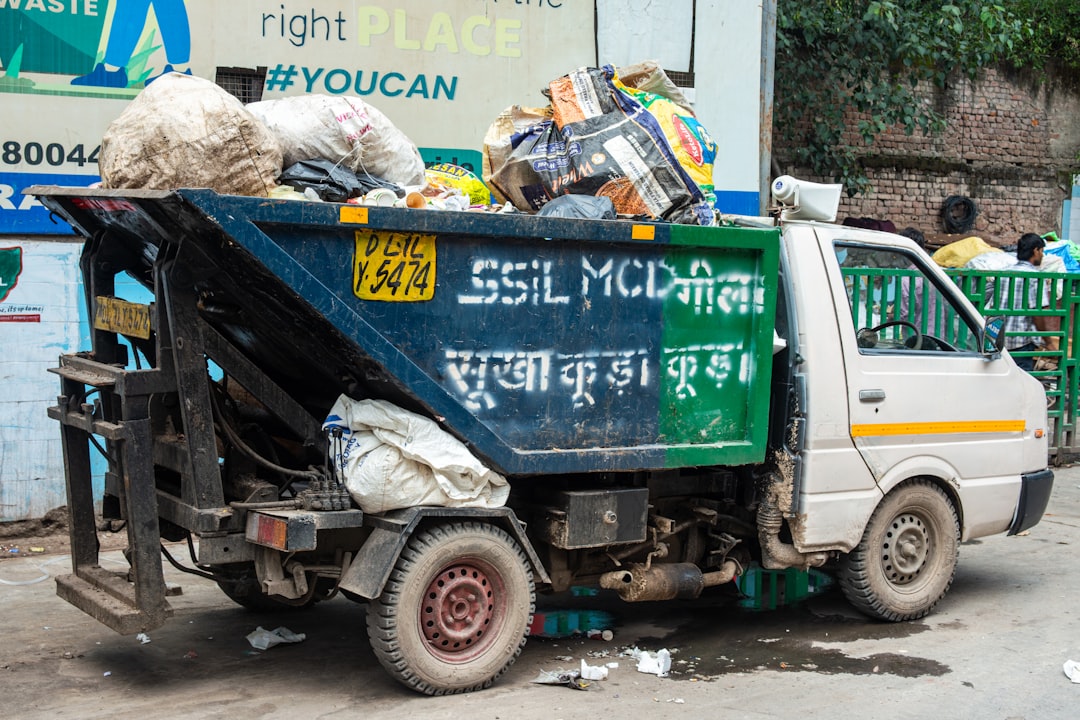
The decision of how to manage your municipality’s waste stream is a significant one, a foundational element that impacts the health, aesthetics, and financial well-being of your community. When you consider the options, one approach that often emerges as a potent contender for maximizing efficiency is municipalization of garbage collection. This isn’t simply a matter of replacing private contractors with public employees; it’s a strategic reorientation of a vital service, a possibility worth dissecting with a discerning eye.
Before delving into the specifics of municipalization, it’s crucial to understand the existing paradigms. For many communities, the default has been contracting out waste management to private companies. This model, while appearing straightforward on the surface, carries its own set of assumptions and potential pitfalls.
The Dynamics of Private Sector Contracts
Private waste collection companies operate within a market economy. Their primary directive is to generate profit for their shareholders. This influences every aspect of their operations, from the routes they plan to the equipment they purchase.
Profit Motive as a Driving Force
When you engage a private company, you are essentially entering into a contractual agreement where their service is exchanged for your municipality’s funds. The profit margin, while not always explicit, is an inherent factor shaping their decision-making. This can sometimes lead to practices that prioritize cost-cutting over optimal service delivery, a concept akin to a chef using cheaper ingredients to increase their profit margin, potentially compromising the final dish.
The municipalization of garbage collection services has become a significant topic of discussion in various communities, as cities explore the benefits of public versus private waste management. For a deeper understanding of the financial implications and community impact of such a shift, you can read a related article that delves into the economic aspects of municipal services. This article provides valuable insights into how municipalization can affect local economies and service quality. For more information, visit this article.
The Influence of Competition (or Lack Thereof)
In some regions, the garbage collection market might appear competitive. However, the reality on the ground can be different. The high capital investment required for specialized trucks, transfer stations, and landfill permits often creates significant barriers to entry. This can mean that in practice, your municipality might be dealing with a de facto monopoly or
FAQs
What is municipalization of garbage collection services?
Municipalization of garbage collection services refers to the process by which a local government takes over the responsibility of waste collection and management from private companies or other entities, making it a publicly managed service.
Why do municipalities choose to municipalize garbage collection services?
Municipalities may choose to municipalize garbage collection to improve service quality, reduce costs, increase accountability, ensure environmental compliance, and have greater control over waste management policies.
How does municipalization impact the cost of garbage collection?
Municipalization can potentially lower costs by eliminating profit margins of private contractors and achieving economies of scale. However, initial transition costs and operational efficiency play significant roles in determining overall expenses.
What are the common challenges faced during municipalization of garbage collection?
Challenges include managing the transition from private to public operations, securing funding for equipment and personnel, addressing labor issues, maintaining service quality, and ensuring regulatory compliance.
How does municipalization affect waste management and environmental outcomes?
Municipal control can lead to better coordination of recycling programs, improved waste diversion rates, and stricter adherence to environmental regulations, potentially resulting in more sustainable waste management practices.