You’re likely seeking to reduce your monthly expenses and perhaps contribute to a more sustainable future. An Energy Efficient Mortgage, or EEM, can be a powerful tool to achieve both of these objectives. Think of it less as a conventional loan and more as a strategic investment in your home’s performance and your financial well-being. This article will guide you through the intricacies of EEMs, illuminating how you can harness their potential to maximize your savings.
An Energy Efficient Mortgage is not simply a loan for energy-efficient upgrades; it’s a mortgage designed to incorporate the cost of these improvements directly into your home purchase or refinance. This means you can finance upgrades like better insulation, high-efficiency windows, or upgraded HVAC systems as part of your primary mortgage, often with a slightly higher loan amount but potentially lower overall costs due to the inherent efficiencies gained. The key principle is that the energy savings you realize from these improvements should offset the additional mortgage cost, making your home more affordable to own and operate in the long run.
The Mortgage as an Investment Vehicle
Instead of viewing your mortgage solely as a means to acquire property, consider it an investment vehicle. An EEM allows you to “invest” a portion of its value into enhancements that continuously pay dividends through reduced utility bills. The initial outlay may seem slightly larger, but the recurring savings create a ripple effect, positively impacting your cash flow for years to come.
Differentiating EEMs from Standard Mortgages
A standard mortgage primarily focuses on the property’s market value and your ability to repay the principal and interest. An EEM, however, incorporates an additional layer of consideration: the home’s energy performance. The loan amount can be adjusted to include the cost of pre-defined energy-saving improvements. This adjustment is typically based on an energy audit or appraisal that quantills the projected savings from these upgrades.
The Role of Energy Audits and Appraisals
At the heart of an EEM lies the assessment of your home’s energy efficiency. This is where energy audits and specialized appraisals come into play. An energy audit, conducted by a certified professional, identifies areas where your home is losing energy and recommends specific upgrades. An appraisal, on the other hand, will not only assess the market value of the home but also factor in the increased value and projected operational savings derived from the energy-efficient features. These documents are crucial for determining the eligible loan amount for energy-efficient improvements.
Government-Backed EEM Programs
Various government agencies offer programs that facilitate and encourage the use of Energy Efficient Mortgages. These programs often provide incentives or guarantees, making EEMs more accessible and attractive. Understanding these programs can be instrumental in leveraging the full benefit of an EEM.
For homeowners looking to make energy-efficient upgrades, an energy-efficient mortgage can be a valuable financial tool. This type of mortgage allows borrowers to finance improvements that enhance a home’s energy efficiency, potentially lowering utility bills and increasing property value. For more information on how to leverage these mortgages for home upgrades, you can read a related article at How Wealth Grows.
Identifying Eligible Energy-Efficient Improvements
The effectiveness of an EEM hinges on the types of improvements you choose to finance. Not all upgrades are created equal, and the most impactful ones tend to offer the best return on investment through energy savings. The aim is to target those areas where your home is bleeding energy, much like plugging leaks in a ship’s hull.
High-Impact Insulation and Air Sealing
One of the most cost-effective ways to reduce energy consumption is through proper insulation and air sealing. This involves ensuring your attic, walls, and crawl spaces are adequately insulated and that all cracks and openings are sealed to prevent conditioned air from escaping and unconditioned air from entering. These are the silent saboteurs of your energy bill.
Attic Insulation: The Crown Jewel of Savings
Your attic is often the largest culprit for heat loss in winter and heat gain in summer. Adding or improving attic insulation can dramatically reduce the workload on your heating and cooling systems, translating directly into lower energy bills. It’s akin to putting a thick blanket on your house during the coldest months and a reflective shield during the hottest.
Wall Insulation: Fortifying Your Home’s Envelope
While less accessible than attic insulation, ensuring your walls are properly insulated provides a significant boost to your home’s thermal performance. This can involve blow-in insulation for existing walls or ensuring proper installation during new construction or major renovations.
Air Sealing: The Unsung Hero
Even with excellent insulation, uncontrolled air leakage can negate much of the benefit. Sealing gaps around windows, doors, electrical outlets, and plumbing penetrations prevents drafts and the unwanted exchange of indoor and outdoor air. This meticulous process is often overlooked but is crucial for maximizing efficiency.
Efficient Windows and Doors: The Eyes and Mouth of Your Home
Windows and doors are inherent points of energy transfer. Upgrading to energy-efficient models can make a substantial difference. Look for features like double or triple-pane glass, low-emissivity (Low-E) coatings, and insulated frames. These are the guardians of your home’s temperature, preventing energy from slipping out.
Understanding ENERGY STAR Ratings
The ENERGY STAR label is a valuable indicator of energy efficiency. Products bearing this label have been independently certified to meet strict energy efficiency guidelines set by the U.S. Environmental Protection Agency. For windows and doors, this translates to improved thermal performance.
The Impact of Window Coatings
Low-E coatings on windows are microscopic layers that reflect infrared light (heat) while allowing visible light to pass through. In winter, they help keep heat inside your home, and in summer, they reflect solar heat away.
High-Efficiency HVAC Systems: The Heart of Climate Control
Your heating, ventilation, and air conditioning (HVAC) system is a major consumer of energy. Upgrading to a high-efficiency unit, such as a variable-speed furnace or a heat pump, can lead to significant savings. These systems are designed to operate more efficiently, consuming less energy to achieve the desired comfort level.
SEER and AFUE Ratings: Decoding Efficiency
For air conditioners and heat pumps, the Seasonal Energy Efficiency Ratio (SEER) indicates how efficiently the unit cools. For furnaces, the Annual Fuel Utilization Efficiency (AFUE) measures how efficiently the unit converts fuel into heat. Higher ratings generally indicate greater efficiency.
The Benefits of Smart Thermostats
While not a direct replacement for an efficient system, a smart thermostat can optimize its operation. These devices learn your habits and adjust your home’s temperature accordingly, reducing energy consumption when you’re away or asleep.
Renewable Energy Integration: Harnessing Natural Power
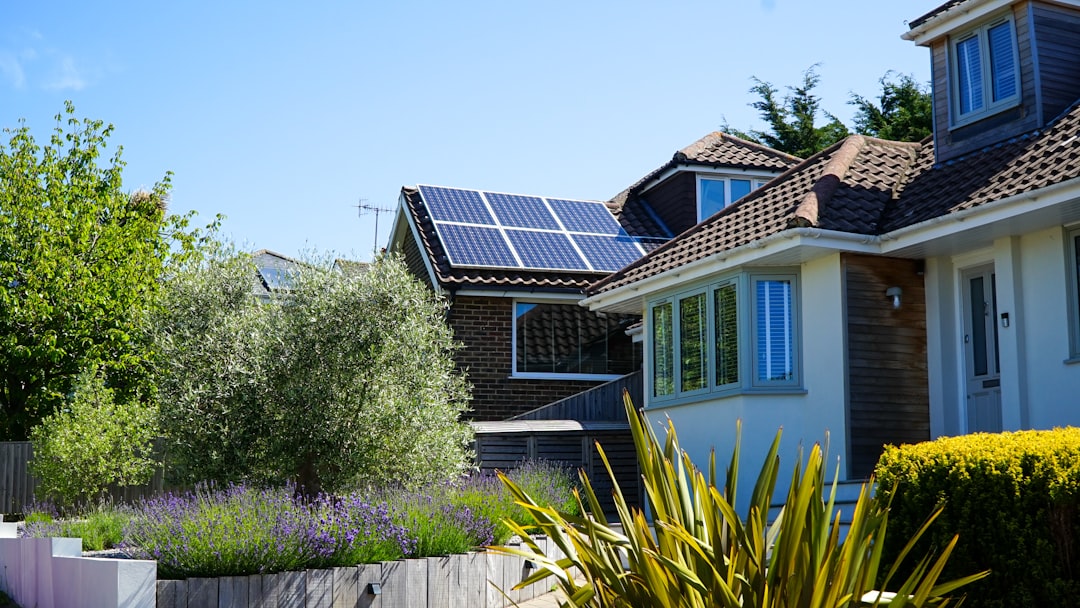
For those looking to go the extra mile, integrating renewable energy sources like solar panels can further amplify the benefits of an EEM. While the upfront cost is higher, the long-term savings and environmental impact are substantial. This is like tapping into a perpetual energy source.
Solar Photovoltaics (PV): Generating Your Own Electricity
Solar panels convert sunlight into electricity, significantly reducing your reliance on the grid and lowering your monthly bills. The initial investment can be a hurdle, but incentives and long-term savings make it an increasingly attractive option.
Maximizing Savings Through Strategic Application

An EEM is more than just a mortgage; it’s a financial strategy. To truly maximize your savings, you need to approach its application with careful planning and an understanding of its nuances.
The Advantage of Incorporating Upgrade Costs
The most significant advantage of an EEM is the ability to finance energy-efficient improvements as part of your primary mortgage. This often results in a lower interest rate on the energy-efficiency portion of the loan compared to separate financing options like a home equity loan or a personal loan. The cost of upgrades becomes a small ripple in the larger ocean of your mortgage.
Lower Interest Rates on Energy-Efficient Portions
Many lenders offer slightly lower interest rates on the portion of the EEM allocated to qualifying energy-efficient upgrades. This is because these improvements are seen as enhancing the property’s value and reducing its long-term operating costs, making it a more secure investment for the lender.
Amortizing the Cost Over the Loan Term
By rolling the cost of upgrades into your mortgage, you amortize those costs over the entire loan term, typically 15 or 30 years. This spreads the expense over a long period, making the monthly payments for the upgrades more manageable than if you were to pay for them upfront or through a short-term loan.
Refinancing to Capture Existing Equity and Efficiency
If you already own a home, an EEM can be an excellent way to refinance your existing mortgage and incorporate the cost of energy-efficient upgrades. This allows you to tap into your home’s equity for improvements while potentially securing a lower interest rate on your overall mortgage. You’re essentially upgrading your investment while getting a better deal on your current holdings.
Benefits of a Refinance EEM
A refinance EEM allows you to bundle the cost of energy-saving upgrades into a new, consolidated mortgage. This can simplify your finances and, in many cases, lead to a lower overall monthly payment when the energy savings are factored in.
Calculating the Potential Savings
When considering a refinance EEM, it’s crucial to perform a thorough calculation of potential savings. This involves comparing your current mortgage payment, future utility costs without upgrades, and the projected mortgage payment with the EEM, factoring in the anticipated energy savings.
Leveraging Government Incentives and Rebates
Beyond the EEM itself, many regions and utility companies offer additional incentives, rebates, and tax credits for energy-efficient home improvements. These can significantly reduce the upfront cost of upgrades, making the EEM even more attractive. Think of these as valuable currents that can propel your savings further.
Federal Tax Credits for Energy Efficiency
The U.S. federal government offers tax credits for certain energy-efficient home improvements, such as installing solar panels, upgrading windows, and improving insulation. These credits can directly reduce your tax liability.
State and Local Rebates
Many states and local municipalities offer rebates or grants for energy-efficient upgrades. Your local utility company is often a good source of information on these programs.
Utility Company Programs
Energy providers frequently have programs designed to encourage energy conservation. These can include direct rebates, special financing options, or free energy audits.
The Lender’s Perspective and Eligibility Criteria

To successfully obtain an Energy Efficient Mortgage, you’ll need to understand what lenders are looking for. Their considerations are generally aimed at ensuring the loan is sound and that the projected energy savings are realistic.
lender Requirements and Underwriting Standards
Lenders will assess your creditworthiness, income, and debt-to-income ratio, just as they would for any mortgage. However, for an EEM, they will also scrutinize the energy audit and appraisal reports. They need to be confident that the proposed upgrades will indeed lead to quantifiable energy savings that justify the increased loan amount.
Credit Score and Financial History
A strong credit score and a stable financial history are fundamental to securing any mortgage, including an EEM. Lenders use these factors to gauge your ability to repay the loan.
Debt-to-Income Ratio
Your debt-to-income ratio, which compares your monthly debt payments to your gross monthly income, is another key metric. Lenders want to ensure you have sufficient income to manage your existing debts and the new mortgage payments.
The Role of the Energy Audit in Loan Approval
The energy audit report is a linchpin in the EEM process. It serves as the technical justification for the additional funds you are seeking to secure for energy-efficient improvements. Lenders rely on these reports to validate the proposed upgrades and their projected impact on energy consumption.
Certified Energy Auditors and Their Reports
Ensure your energy auditor is certified and experienced. The report should be comprehensive, detailing the home’s current energy performance, identifying specific areas for improvement, and providing cost estimates and projected energy savings for each recommended upgrade.
Quantifying Projected Energy Savings
Lenders will look for clear, quantifiable projections of energy savings. This allows them to assess whether the additional mortgage costs are offset by reduced utility bills, making the loan viable.
Appraisal Standards for EEMs
While a standard appraisal focuses on market value, an EEM appraisal may include considerations for the added value and cost savings associated with energy-efficient features. This specialized appraisal helps to justify the loan amount that incorporates the cost of upgrades.
Increased Home Value Due to Efficiency
Energy-efficient homes often command higher market values due to their lower operating costs and enhanced comfort. The appraisal process may reflect this added value.
Energy-Related Cost Reductions as Factors
The appraisal can also account for the projected reduction in utility costs, which directly impacts the overall affordability of the home for the owner.
For homeowners looking to finance energy-efficient upgrades, exploring options like energy-efficient mortgages can be a smart choice. These specialized loans not only help cover the costs of improvements such as better insulation or solar panel installation but can also lead to long-term savings on utility bills. A related article that delves deeper into this topic is available at How Wealth Grows, where you can find valuable insights on maximizing your home’s energy efficiency while enhancing its overall value.
Navigating the EEM Process: A Step-by-Step Approach
| Metric | Description | Typical Range/Value | Impact on Mortgage |
|---|---|---|---|
| Energy Savings | Estimated annual reduction in energy costs after upgrades | 10% – 30% reduction | Improves borrower’s ability to repay, potentially increasing loan amount |
| Loan Term | Duration of the energy efficient mortgage | 15 – 30 years | Standard mortgage terms apply, sometimes extended for upgrades |
| Interest Rate | Mortgage interest rate offered for energy efficient loans | Typically 0.25% – 0.5% lower than standard rates | Lower rates reduce monthly payments |
| Upgrade Cost Limit | Maximum amount allowed for home energy improvements | Up to 15% of home’s appraised value | Added to mortgage principal |
| Energy Efficiency Score | Rating of home’s energy performance (e.g., HERS Index) | HERS Index: 0 (best) to 150 (worst) | Lower scores can qualify for better loan terms |
| Estimated Carbon Reduction | Annual reduction in CO2 emissions due to upgrades | 1,000 – 3,000 lbs CO2/year | Environmental benefit, may support loan approval |
| Monthly Payment Increase | Additional monthly cost due to energy upgrade financing | Varies; often offset by energy savings | May be neutral or positive cash flow |
Embarking on the path to an Energy Efficient Mortgage requires a structured approach. By following these steps, you can navigate the process smoothly and effectively.
Step 1: Research and Understand EEM Options
Begin by researching the available EEM programs, both conventional and government-backed. Understand their specific requirements, benefits, and eligible improvements. This initial exploration is your compass, guiding you toward the right direction.
Conventional Lender Programs
Many conventional mortgage lenders offer EEM products. Contacting them directly to inquire about their specific offerings is a good starting point.
FHA and VA EEM Programs
The Federal Housing Administration (FHA) and the Department of Veterans Affairs (VA) have specific programs that incorporate energy efficiency. These can be particularly beneficial for eligible borrowers.
Step 2: Obtain a Professional Energy Audit
Once you have a clearer understanding of EEMs, engage a certified energy auditor to assess your home’s current energy performance. This audit will be the foundation for your upgrade plan.
Choosing the Right Auditor
Select an auditor who is experienced with EEM requirements and can provide a detailed, actionable report.
Understanding the Audit Report
Take the time to thoroughly understand the findings of your energy audit. Discuss any questions you have with the auditor.
Step 3: Select Eligible Energy-Efficient Improvements
Based on the energy audit and your budget, select the energy-efficient upgrades you wish to finance. Prioritize improvements that offer the highest return on investment. Look for the improvements that will act as anchors, holding your energy costs steady.
Prioritization Based on ROI
Focus on upgrades that provide the most significant energy savings relative to their cost.
Consulting with Contractors
Obtain quotes from reputable contractors for the selected improvements.
Step 4: Work with Your Lender
Once you have your energy audit and contractor quotes, approach lenders about an EEM. They will guide you through the application process, including the necessary appraisals and documentation.
Mortgage Pre-Approval
Getting pre-approved for a mortgage can streamline the process and give you a clearer idea of your borrowing capacity.
The Appraisal and Underwriting Process
Be prepared for the lender’s appraisal and underwriting process, which will involve reviewing the energy audit and contractor bids.
Step 5: Complete Improvements and Realize Savings
After your EEM is secured and you close on your home or refinance your existing mortgage, proceed with the energy-efficient improvements. Once completed, you’ll begin to see the tangible benefits of reduced energy bills. This is where the investment truly begins to blossom.
Scheduling and Overseeing Installations
Work with your contractors to schedule and oversee the installation of your chosen upgrades.
Monitoring Your Energy Bills
Regularly monitor your utility bills to track your energy savings and confirm the effectiveness of your improvements.
By thoughtfully approaching the Energy Efficient Mortgage, you can systematically reduce your home’s operational costs, increase its comfort and value, and contribute to a more sustainable living environment. It’s a path that rewards foresight and diligent planning with lasting financial benefits.
WATCH NOW ▶️ Why Wall Street Is Shorting The American Power Grid
FAQs
What is an energy efficient mortgage?
An energy efficient mortgage (EEM) is a type of home loan that allows borrowers to finance energy-saving improvements as part of their mortgage. It helps homeowners upgrade their homes with energy-efficient features while potentially qualifying for a larger loan amount based on the expected energy cost savings.
How can an energy efficient mortgage help with home upgrades?
An EEM provides additional funds to cover the cost of energy-efficient home improvements such as insulation, solar panels, energy-efficient windows, or HVAC systems. This financing is integrated into the mortgage, making it easier to afford upgrades that reduce utility bills and increase home value.
Who is eligible for an energy efficient mortgage?
Eligibility for an EEM typically includes homebuyers or homeowners refinancing their existing mortgage. The property must meet certain energy efficiency standards or have planned improvements that will increase energy savings. Lenders may require an energy assessment or audit to qualify.
What types of home improvements qualify for an energy efficient mortgage?
Qualifying improvements often include insulation, energy-efficient heating and cooling systems, solar energy systems, energy-efficient windows and doors, water heaters, and other upgrades that reduce energy consumption. The specific eligible improvements can vary by lender and program.
Are there any benefits to using an energy efficient mortgage?
Yes, benefits include lower utility bills due to reduced energy consumption, potential eligibility for a higher loan amount, increased home comfort, and a positive environmental impact. Additionally, incorporating energy-efficient upgrades can increase the overall value of the home.