
Manufactured housing represents a significant, yet often overlooked, bastion of affordability in an increasingly expensive housing market. You are likely familiar with the traditional image of single-section homes, or perhaps the larger, multi-section residences that have evolved over decades. However, the landscape of manufactured housing is far more nuanced and offers a viable pathway to homeownership for many who might otherwise be excluded. This sector, sometimes referred to as factory-built housing or mobile homes (though the term “mobile home” often refers to older, pre-HUD code structures), is not merely a compromise; it is a sophisticated industry that delivers homes with varying degrees of customization, energy efficiency, and structural integrity. Understanding manufactured housing requires looking beyond outdated stereotypes and appreciating its present-day realities and future potential.
The term “manufactured housing” is an umbrella term that encompasses a specific type of housing construction. These homes are built in a controlled factory environment, adhering to the stringent Federal Manufactured Home Construction and Safety Standards (HUD Code). This is a critical distinction from site-built homes, which are constructed on a permanent foundation on their intended location. The factory setting allows for a more efficient and predictable construction process, which can translate into cost savings.
The Evolution from Mobile Homes to Manufactured Housing
The nomenclature itself has undergone a significant shift. Historically, these homes were often referred to as “mobile homes” because, with their chassis and wheels, they were designed for relocation. However, the industry has largely moved away from this transient model. Modern manufactured homes are built on permanent steel chassis and are designed for long-term occupancy, often with foundations similar to those of site-built homes. The HUD Code, established in 1976, standardized construction and safety requirements, thus elevating the quality and durability of these dwellings and marking the transition to what is now recognized as manufactured housing.
The HUD Code: A Foundation of Safety and Quality
The HUD Code is a national building standard that pre-empts local building codes for manufactured homes. It covers all aspects of construction, including design, fabrication, strength, durability, fire resistance, enclosure, and energy efficiency. This standardized approach ensures a baseline level of quality and safety across all manufactured homes, regardless of where they are built or ultimately located. You can find detailed information about the HUD Code and its requirements through official government channels.
Distinguishing Manufactured Housing from Modular Homes
It is important to differentiate manufactured housing from modular homes. While both are built in factories, modular homes are built to the same local building codes as site-built homes and are typically assembled on-site by a contractor. Manufactured homes, on the other hand, are built to the federal HUD Code and are often, though not always, placed on rented land in a manufactured home park or community. This distinction has significant implications for ownership, land tenure, and financing.
Manufactured housing is increasingly recognized as the last frontier of affordable housing, offering a viable solution to the growing housing crisis faced by many communities. A related article discusses the various benefits and challenges associated with manufactured homes, highlighting their potential to provide cost-effective living options without compromising quality. For more insights on this topic, you can read the article here: How Wealth Grows.
The Economics of Affordability: A Closer Look
Perhaps the most compelling aspect of manufactured housing is its inherent affordability. In many regions, the cost of purchasing a manufactured home is significantly lower than that of a comparable site-built home, making it an accessible entry point into homeownership. This cost-effectiveness is not a result of shoddy construction but rather of efficient manufacturing processes and economies of scale.
Lower Acquisition Costs: The Initial Advantage
The primary driver of affordability is the lower per-square-foot cost of construction. Factory production allows for bulk purchasing of materials, streamlined assembly lines, and reduced labor costs compared to on-site construction. This efficiency allows manufacturers to offer homes at a price point that is often unattainable for traditional housing. For you, this can mean a substantial reduction in the upfront capital required to purchase a home, opening doors to a level of financial stability that might otherwise be out of reach.
Reduced Land Costs: A Crucial Factor
Another significant contributor to the affordability of manufactured housing is the often lower cost of land. Many manufactured homes are placed in manufactured home communities, where residents rent spaces for their homes rather than purchasing the land outright. While this means you don’t own the ground beneath your home, it significantly reduces the overall cost of entry. This model is akin to leasing a highly desirable parking spot for your most valuable asset.
Financing and Resale Value Considerations
Financing for manufactured homes has historically presented challenges, with lenders sometimes viewing them as less secure investments than site-built homes. However, this is changing. Lenders are increasingly offering mortgages similar to those for traditional homes, especially for homes permanently affixed to land. The resale value of manufactured homes can vary. Older homes, particularly those not meeting current HUD codes or placed on rented land, may depreciate. However, newer manufactured homes, especially those built to higher standards and permanently sited on owned land, can retain or even appreciate in value, mirroring the trajectory of site-built homes. Understanding these financing and resale dynamics is crucial for making an informed decision.
Design and Customization: Beyond Basic Shelter
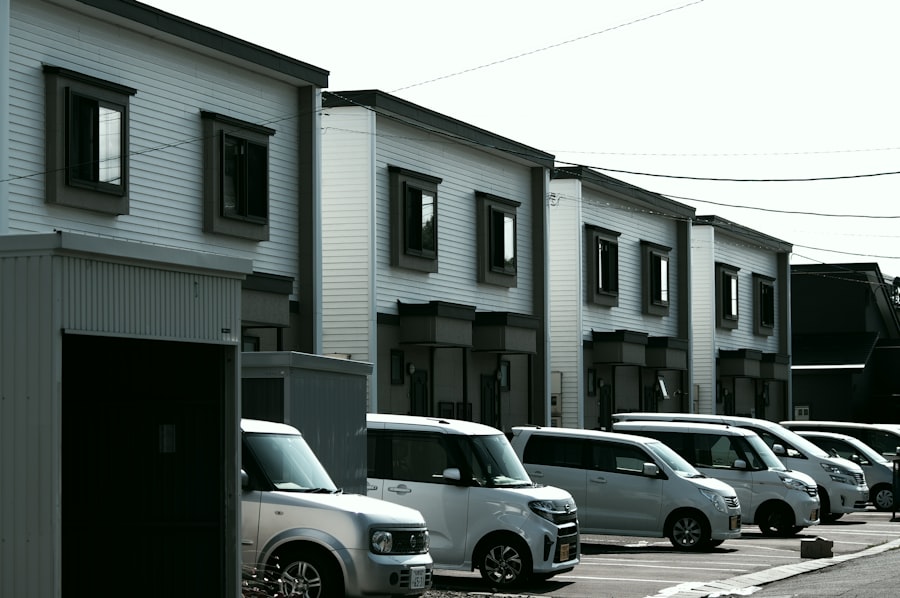
The perception of manufactured housing as generic or lacking in aesthetic appeal is largely outdated. Modern manufacturers offer a wide range of floor plans, customization options, and finishes that allow for homes to be tailored to individual needs and preferences. While the degree of customization may not always match that of a fully bespoke site-built home, the options available are substantial and continue to expand.
A Spectrum of Floor Plans and Sizes
Manufactured homes are available in a variety of configurations, from single-section homes suitable for individuals or couples to multi-section homes that can rival the size and layout of traditional family residences. You can find options ranging from cozy cottages to expansive dwellings with multiple bedrooms and bathrooms, open-concept living areas, and dedicated workspaces. The flexibility in size and layout allows you to find a home that fits your lifestyle and family structure.
Interior Finishes and Modern Amenities
The interior of a manufactured home can be equipped with many of the same modern amenities and finishes found in site-built homes. This includes a range of cabinetry, countertops (such as granite or quartz), flooring materials (hardwood, laminate, tile), energy-efficient appliances, and modern plumbing and electrical fixtures. You can often choose from various color palettes, appliance packages, and decorative elements to personalize your living space.
Energy Efficiency and Sustainable Features
Modern manufactured homes are increasingly designed with energy efficiency in mind, often surpassing the performance of older site-built homes. Manufacturers are incorporating improved insulation, energy-efficient windows and doors, and advanced heating and cooling systems. Some homes can also be equipped with solar panels and other sustainable technologies, offering a more environmentally friendly living option. This focus on efficiency can lead to significant long-term savings on utility bills.
The Role of Manufactured Housing in Addressing Housing Shortages
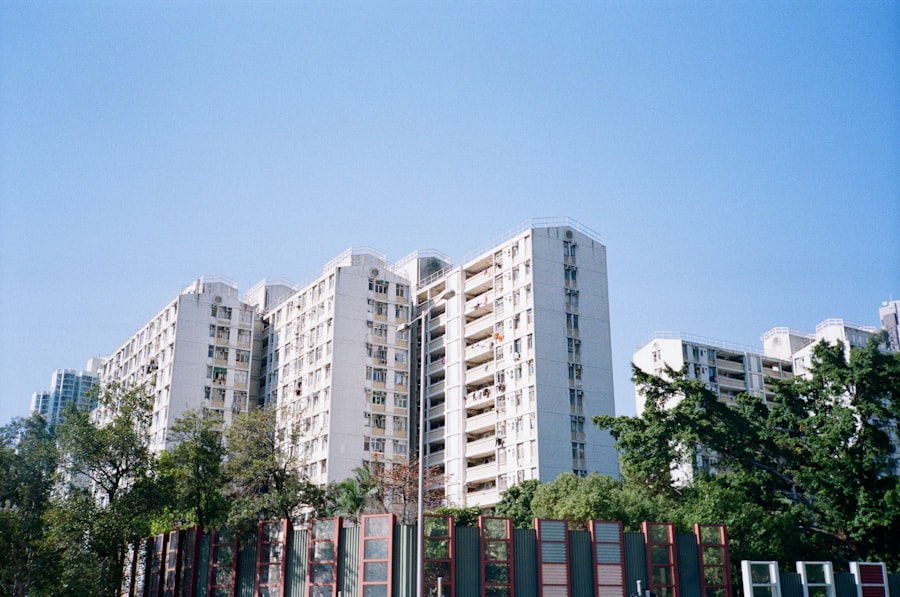
As urban and suburban areas grapple with escalating housing costs and a widening gap between housing supply and demand, manufactured housing is emerging as a vital component of the solution. Its inherent affordability and speed of construction offer a scalable way to increase housing stock and provide accessible options for a broad spectrum of the population.
Addressing the Affordability Crisis
The current housing market in many countries is characterized by soaring prices and limited availability, pushing homeownership out of reach for many. Manufactured housing provides a critical lifeline, offering a tangible path to homeownership for working families, young professionals, seniors, and individuals with moderate incomes. It acts as a vital pressure release valve in an overheated housing market.
Expedited Construction and Scalability
The factory-built nature of manufactured housing allows for significantly faster construction times compared to traditional methods. This speed is crucial when addressing urgent housing needs or addressing housing shortages in rapidly growing areas. A factory can produce multiple homes simultaneously, allowing for a scaled response to demand.
Supportive Communities and Infrastructure
The development of well-planned manufactured home communities plays a crucial role in the success of this housing sector. These communities often offer amenities such as parks, recreational facilities, and social activities, fostering a sense of belonging. Furthermore, the infrastructure within these communities—roads, utilities, and public services—is often integrated into the development process, ensuring a functional and cohesive living environment.
Manufactured housing has emerged as a crucial solution in the ongoing affordable housing crisis, often regarded as the last frontier for those seeking economical living options. As traditional housing prices continue to soar, many families are turning to manufactured homes for their cost-effectiveness and flexibility. A related article discusses the various benefits and challenges associated with this housing option, shedding light on its potential to provide sustainable living solutions. For more insights on how manufactured housing can reshape the landscape of affordable living, check out this informative piece on how wealth grows.
Common Misconceptions and Realities
| Metric | Value | Explanation |
|---|---|---|
| Average Cost per Square Foot | 50-70 | Significantly lower than traditional site-built homes, making manufactured housing more affordable. |
| Average Time to Build | 1-3 months | Faster construction compared to traditional homes, reducing labor and financing costs. |
| Percentage of Affordable Housing Supply | 10% | Manufactured homes represent a small but growing portion of affordable housing stock. |
| Homeownership Rate Among Manufactured Housing Residents | 80% | High ownership rates indicate stability and affordability for low- to moderate-income families. |
| Energy Efficiency Improvement | 20-30% | Modern manufactured homes have improved energy efficiency, lowering utility costs. |
| Land Use Efficiency | High | Manufactured homes require less land and can be placed in diverse locations, increasing housing density. |
| Financing Accessibility | Limited but Improving | Access to loans is increasing but still lags behind traditional housing financing options. |
| Regulatory Barriers | Significant | Zoning and local regulations often restrict placement, limiting growth potential. |
Dispelling long-held myths and misconceptions is essential to appreciating the contemporary value of manufactured housing. What was once a niche market, often associated with second-home ownership or emergency housing, has matured into a legitimate and sophisticated housing solution.
Myth: Manufactured Homes are of Lower Quality
Reality: The HUD Code mandates rigorous safety and construction standards, ensuring that manufactured homes are built to a high level of quality and durability, comparable to, and in some cases exceeding, site-built homes. Defects are more often related to improper installation or maintenance rather than inherent flaws in the construction itself.
Myth: Manufactured Homes are Not Permanent or Durable
Reality: While older “mobile homes” may have been designed for mobility, modern manufactured homes are built on robust chassis and are intended for permanent placement. They are designed to withstand various weather conditions and can last for decades with proper care and maintenance.
Myth: You Cannot Own the Land Your Manufactured Home is On
Reality: While many manufactured homes are located in communities where land is rented, it is absolutely possible to purchase land and have a manufactured home placed on it, similar to a site-built home. This offers the full benefits of land ownership combined with the affordability of manufactured construction.
Myth: Manufactured Homes Cannot Appreciate in Value
Reality: While the resale value of any home is influenced by numerous factors, newer manufactured homes that are well-maintained, permanently sited on owned land, and located in desirable areas can and do appreciate in value.
The Future of Affordable Living: Manufactured Housing’s Trajectory
The landscape of manufactured housing is not static; it is a dynamic industry constantly adapting to market demands and technological advancements. As the broader housing market continues to face affordability challenges, the role of manufactured housing is poised to become even more significant.
Technological Advancements in Manufacturing
The manufacturing process itself is undergoing continuous innovation. Automation, advanced materials, and 3D printing technologies are being explored and implemented, further increasing efficiency, reducing waste, and potentially lowering costs. This evolution promises even higher quality and more customizable homes in the future.
Increased Focus on Sustainability and Energy Efficiency
The drive towards environmental responsibility is profoundly impacting manufactured housing. Expect to see more homes built with sustainable materials, integrated renewable energy systems (like solar and geothermal), and designs that prioritize passive heating and cooling. This not only benefits the environment but also translates into lower operating costs for homeowners.
Policy and Industry Support for Manufactured Housing
Governments and industry associations are increasingly recognizing the critical role of manufactured housing in addressing housing affordability. Initiatives aimed at improving financing accessibility, streamlining zoning regulations, and promoting the development of well-designed communities are likely to gain momentum. This increased support will likely lead to greater acceptance and wider adoption.
In conclusion, manufactured housing represents a powerful solution to the persistent challenge of affordable living. By understanding its evolution, its economic advantages, and its design possibilities, you can see that it is far more than just an alternative; it is a foundational element of future housing solutions. It is a frontier of accessibility, a testament to ingenuity in overcoming economic hurdles, and a pragmatic pathway to the security and stability of homeownership for a diverse and growing segment of the population.
▶️ WARNING: How Private Equity Is Liquidating Your Home Equity
FAQs
What is manufactured housing?
Manufactured housing refers to homes that are built in a factory setting and then transported to a site for installation. These homes are constructed according to federal building codes set by the U.S. Department of Housing and Urban Development (HUD), making them different from traditional site-built homes.
Why is manufactured housing considered affordable?
Manufactured homes are generally more affordable than site-built homes because they benefit from economies of scale in factory production, reduced construction time, and lower labor costs. This affordability makes them an accessible option for many low- and moderate-income families.
How does manufactured housing contribute to addressing the affordable housing crisis?
Manufactured housing provides a cost-effective and efficient way to increase the supply of affordable homes. Because they can be produced quickly and installed on various types of land, manufactured homes help expand housing options in areas where traditional construction may be too expensive or slow.
What challenges does manufactured housing face in becoming a mainstream affordable housing solution?
Challenges include zoning restrictions, financing difficulties, stigma associated with manufactured homes, and limited availability of suitable land. These factors can limit the widespread adoption and integration of manufactured housing into broader affordable housing strategies.
Are manufactured homes safe and durable?
Yes, manufactured homes built to HUD standards must meet strict safety, durability, and energy efficiency requirements. Modern manufactured homes are designed to withstand various weather conditions and are subject to inspections to ensure quality and safety.