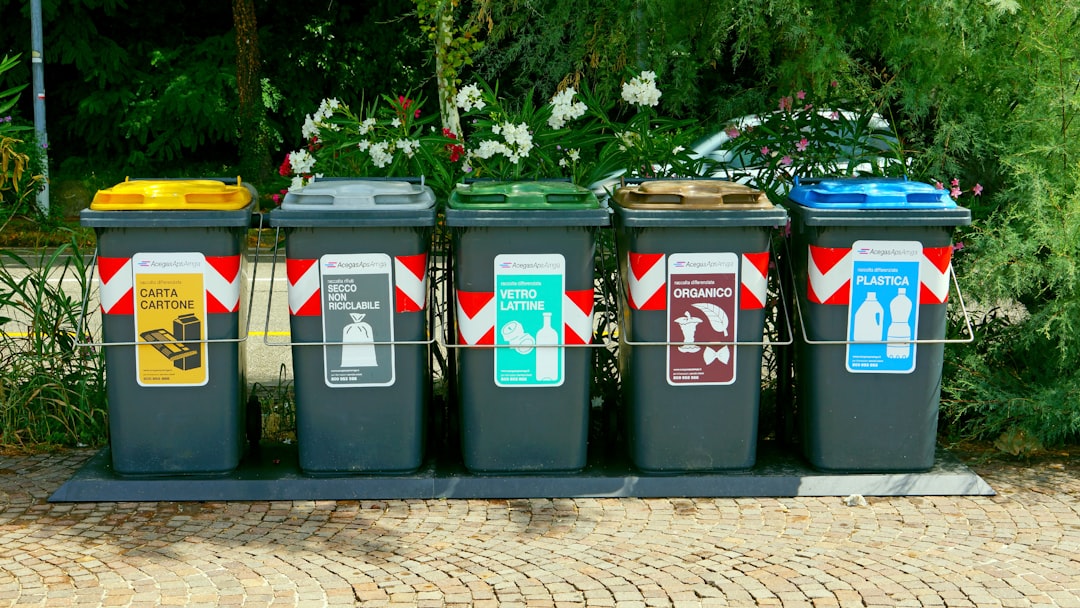
Managing Waste: Monopoly Market Share
Your city, your community, is a complex organism, and like any organism, it produces waste. The management of this waste is not merely a matter of bins and trucks; it’s a critical infrastructure, a fundamental service that underpins public health, environmental sustainability, and even economic activity. When this essential service operates within a monopoly market structure, understanding its dynamics becomes paramount. You are a resident, perhaps a business owner, a taxpayer. You interact with this system daily, likely without deep introspection, until issues arise. This article aims to pull back the curtain, not with sensationalism, but with factual clarity, on how waste management functions within a monopoly, and what that means for you.
The waste management sector, particularly for municipal solid waste (MSW) collection and disposal, often exhibits characteristics that lend themselves to monopolistic or near-monopolistic structures. This isn’t always a conscious decision by a single entity aiming to dominate; rather, it’s an outcome frequently shaped by the inherent economics and logistics of the service. You might observe this in your own town or city, where a single company handles curbside collection, or where there are very few options for landfill services.
Barriers to Entry: The Walls of the Castle
For a new competitor to emerge and challenge an established waste management provider, they face significant hurdles. These are not minor inconveniences; they are often formidable barriers that can deter even well-funded enterprises.
High Capital Investment: The Tremendous Treasure Chest
Imagine the sheer cost of establishing a fully operational waste management service. You would need a fleet of specialized collection vehicles, which are not cheap to purchase or maintain. Then there’s the need for transfer stations, materials recovery facilities (MRFs) for recycling, and for disposal, access to or ownership of landfill sites. Landfills, in particular, require extensive permitting, environmental safeguards, and long-term financial assurance. This upfront capital requirement acts as a colossal down payment, a barrier so high that many potential entrants simply cannot afford to even knock on the door. You see this in the specialized nature of the equipment and facilities; it’s not like opening a new coffee shop with readily available tools.
Regulatory Approvals and Permitting: The Labyrinth of Paperwork
Operating a waste management service is not a free-for-all. It is heavily regulated to protect public health and the environment. Obtaining the necessary permits from local, state, and federal agencies is a complex, time-consuming, and often expensive process. This includes permits for collection routes, vehicle emissions, waste processing facilities, and, most critically, landfill operations. These regulations are designed with public safety in mind, but they also serve to entrench existing operators who have navigated this labyrinth over years and possess the institutional knowledge and resources to do so. For a new player, this regulatory maze can feel like an insurmountable obstacle course.
Economies of Scale: The Domino Effect of Efficiency
Once an operator achieves a certain size, they benefit immensely from economies of scale. The cost per ton of waste collected and processed decreases as the volume increases. This is because fixed costs, such as the purchase of a large fleet of trucks or the operation of a processing facility, are spread over a larger quantity of waste. A larger operator can also negotiate better prices for fuel, maintenance, and disposal fees due to their purchasing power. For you, as a resident, this means that a larger, established company can often provide the service at a lower per-unit cost than a smaller, less efficient newcomer. This natural tendency towards bigness can lead to a single dominant player.
Contractual Lock-ins: The Ties That Bind
Many municipal waste management services operate under long-term contracts with local governments. These contracts, often awarded through competitive bidding processes, grant the successful bidder exclusive rights within a defined service area for a set period. These exclusive contracts effectively shut out any potential competition for the duration of the agreement. For you, this means that even if you are unhappy with the service or price, you may be legally bound to that provider until the contract expires. This contractual stability is a significant advantage for the incumbent and a deterrent for new entries.
Types of Waste Management Monopolies
The monopoly in waste management isn’t always a single, all-encompassing entity. It can manifest in different forms, each with its own implications.
De Facto Monopolies: The Unchallenged Ruler
In many areas, a single company simply becomes the dominant, and often sole, provider of certain waste management services. This could be due to acquiring all competitors, outcompeting them through superior efficiency, or inheriting exclusive contracts. You might find that for residential curbside pickup, there is only one company you can contract with, or only one company that the municipality has contracted with on your behalf. This isn’t a formal decree, but a practical reality shaped by the market forces discussed above.
Government-Sanctioned Monopolies: The Crowned Sovereign
In some cases, local or state governments may explicitly grant a monopoly to a waste management company. This is often done to ensure comprehensive coverage, optimize resource allocation, and provide a predictable revenue stream for essential services. These are often referred to as “franchise agreements.” While this structure can offer benefits like standardized service and easier oversight, it directly places the power of choice in the hands of the government, and by extension, the franchised monopoly. You are then a subject of this decreed arrangement.
Natural Monopolies: The Unavoidable Landscape
The concept of a “natural monopoly” applies when the cost of serving the entire market by one firm is lower than the cost of serving it by two or more firms. In waste management, this can be particularly true for the collection of waste from dispersed residential areas, where efficient routing and economies of scale are paramount. The infrastructure required, such as a network of collection routes and disposal facilities, is often so significant that duplicating it would be economically inefficient and wasteful. You are living in a landscape where one provider makes the most economic sense, even if it’s not a deliberate creation of a monopoly.
In recent discussions surrounding the waste management industry, the implications of monopoly market share have become increasingly relevant. A related article that delves into the dynamics of this sector can be found at How Wealth Grows, where it explores the impact of monopolistic practices on pricing, service quality, and environmental sustainability. Understanding these factors is crucial for stakeholders aiming to navigate the complexities of waste management effectively.
The Implications for You: The Citizen and Consumer
Living within a waste management monopoly means that your choices are limited, and the dynamics of the market have a direct impact on your experience. Understanding these implications is key to navigating the system effectively and advocating for your interests.
Pricing Structures and Cost Pass-Through: The Toll Booth
Without direct competition, the incentive for a waste management company to aggressively lower prices can diminish. While large operators benefit from economies of scale, these savings may not always be fully passed on to consumers. You might find that your waste collection bill is a flat fee, or based on the size of your bin, and that there’s little room for negotiation. Furthermore, when the cost of fuel, labor, or disposal fees increases, the monopoly provider has the inherent ability to pass these costs directly onto you, often without immediate recourse for price comparison. This is like a toll booth on a road with no alternative route; you pay the price to use the service.
Transparency and Accountability: The Shadowy Figures
In a competitive market, companies are motivated to be transparent about their pricing and operations to attract customers. In a monopolistic setting, this transparency can be less pronounced. It can be challenging for you to understand the true cost of the waste management service and to determine if the pricing is fair. Accountability mechanisms become even more crucial. You rely on oversight from regulatory bodies or local government to ensure the monopoly provider is meeting service standards and not engaging in exploitative practices. Without these checks, the operations can become somewhat opaque.
Service Quality and Innovation: The Pace of Change
Competition is a powerful driver of innovation and service improvement. When a company faces no rivals, the urgency to innovate or significantly enhance service quality may be reduced. You might observe that the pickup schedule is inflexible, the recycling programs are basic, or that the customer service is adequate but not exceptional. While a monopoly provider may still strive for efficiency and customer satisfaction to maintain good relations with the municipality, the competitive pressure to _exceed_ expectations is absent. The pace of technological adoption, such as advanced sorting technologies at MRFs or more efficient collection vehicles, might also be slower than in a more dynamic market.
Limited Consumer Choice: The Single Shop on Main Street
Perhaps the most direct consequence for you is the lack of consumer choice. Unless you are in a municipality with multiple licensed providers (which is rare in monopoly situations), you have no alternative company to turn to if you are dissatisfied with pricing, service, or specific policies. This situation can be frustrating, as you are essentially a captive consumer. You are limited to the services offered by the single provider, much like residents in a very small, remote town might only have one grocery store.
Contractual Obligations and Moving: The Chains of the Franchise
If you are a homeowner within a franchised area, you are often bound by the municipal contract. This means that even if you move to a different address within the same service area, you will likely continue to be served by the same monopoly provider. Conversely, if you are a business owner, your lease agreement with a property owner might dictate which waste management company you must use, further limiting your options. These contractual obligations can feel like an unbreakable chain, tying your hands in decisions about your waste disposal.
Navigating a Waste Management Monopoly: Your Role and Rights

While you may be operating within a monopolistic framework, you are not entirely without agency. Understanding your rights and the mechanisms for oversight can empower you to advocate for better services and fairer pricing.
Understanding Service Agreements and Municipal Contracts: The Fine Print
The fundamental document governing waste management in your area is likely a municipal contract or franchise agreement. Familiarize yourself with its key provisions. This contract outlines the scope of services, pricing mechanisms, dispute resolution processes, and performance standards. As a taxpayer and resident, you have a right to access information about this contract and to understand how it affects you. Look for public notices, municipal websites, or attend town hall meetings where these agreements are discussed. You are a stakeholder in this contract, even if indirectly.
Reporting Service Issues: The Whistleblower
Even monopolies are subject to service standards. If you experience persistent issues such as missed pickups, improper waste handling, or damage to your property by collection crews, document these incidents thoroughly. Report them directly to the waste management company, and if the issues are not resolved, escalate them to the municipal department responsible for overseeing waste management. Many municipalities have a designated contact person or department for handling complaints and enforcing contract compliance. You are the eyes and ears on the ground, and your reports can trigger important oversight.
Advocacy and Community Action: The Collective Voice
In a monopoly market, individual complaints may sometimes be overlooked. However, collective action can be a powerful force. Engage with community groups, homeowners’ associations, or business improvement districts to voice concerns about waste management services. Organize petitions, attend public hearings, and communicate with your local elected officials. By presenting a united front, you can bring greater attention to issues and put pressure on the municipality and the waste management provider to address them. Your collective voice can be louder than an individual whisper.
Engaging with Regulators: The Court of Appeal
Depending on the jurisdiction, there might be regulatory bodies responsible for overseeing waste management operations. These could be public utility commissions, environmental protection agencies, or specific waste management authorities. Research these bodies and understand their mandate. If you believe the monopoly provider is violating regulations or operating unfairly, you may have grounds to file a complaint with these agencies. They can conduct investigations and impose penalties or mandate corrective actions. This is your formal channel for seeking redress when other avenues have failed.
The Future of Waste Management Monopolies: Shifting Tides?

The landscape of waste management is not static. While monopolies have historically been prevalent, several factors are beginning to challenge this status quo, potentially leading to a more dynamic future.
Technological Advancements: The Disruptors
New technologies are emerging that could disrupt the established waste management monopolies. Autonomous collection vehicles, advanced sorting and processing technologies for recycling, and waste-to-energy innovations can alter the economics of the industry. These advancements might lower the barriers to entry for new players and provide alternative solutions that were not previously feasible. Imagine smart bins that signal when they are full, or mobile processing units that can be deployed to specific areas, bypassing the need for massive centralized facilities.
Circular Economy Principles: The Paradigm Shift
The growing emphasis on the circular economy – reducing waste, reusing materials, and recycling – is fundamentally changing how we view waste. This shift encourages waste diversion from landfills and promotes the development of businesses focused on material recovery and reprocessing. This can create opportunities for new, specialized businesses to emerge, potentially challenging the dominance of traditional landfill-focused monopolies. You are becoming more aware that waste is not just something to be thrown away, but a resource to be managed differently.
Regulatory Reforms and Policy Changes: The Rule Makers
Governments are increasingly recognizing the need for more sustainable and efficient waste management practices. This can lead to policy changes that encourage competition, mandate specific recycling or diversion targets, and regulate monopoly providers more stringently. For instance, a municipality might break down its waste management services into different components (collection, recycling processing, disposal) and open each component to competitive bidding, thereby fragmenting a historical monopoly. You are witnessing a growing global awareness of the need to do better.
Public Pressure and Demand for Sustainability: The Consumer Wave
As public awareness of environmental issues grows, so does the demand for sustainable waste management solutions. You are increasingly seeking out companies and municipalities that prioritize recycling, composting, and waste reduction. This public pressure can influence policy decisions and encourage municipalities to seek out providers who offer more environmentally responsible services, even if it means challenging existing monopolistic structures. Your choices and demands are starting to form a wave that can reshape the shore.
In recent discussions about the waste management industry, the concept of monopoly market share has gained significant attention, particularly in relation to how it affects pricing and service quality. A related article explores the dynamics of this market and provides insights into the implications of having a few dominant players. For a deeper understanding of these issues, you can read more in this informative piece on waste management. This analysis sheds light on the challenges and opportunities that arise within the sector, highlighting the importance of competition for sustainable practices.
Conclusion: Your Stake in the System
| Company | Market Share (%) | Region | Type of Waste Managed | Year |
|---|---|---|---|---|
| WasteCorp | 45 | North America | Municipal Solid Waste | 2023 |
| EcoWaste Ltd. | 30 | Europe | Industrial Waste | 2023 |
| GreenCycle Inc. | 15 | Asia-Pacific | Recyclables | 2023 |
| CleanEarth Services | 7 | South America | Hazardous Waste | 2023 |
| Other Companies | 3 | Global | Various | 2023 |
Managing waste is an indispensable service, and understanding its structure, particularly when it operates as a monopoly, is crucial for every member of a community. You are not merely a passive recipient of this service. You are a stakeholder, a taxpayer, and a citizen with a vested interest in its efficiency, fairness, and sustainability. While monopolies can arise from natural economic efficiencies and regulatory frameworks, they also present challenges related to pricing, choice, and innovation. By remaining informed, engaging with your local government, and advocating for your rights, you can play an active role in shaping the waste management landscape in your community. The effective management of waste is a shared responsibility, and your awareness and participation are vital components of a healthy and sustainable future.
FAQs
What is a waste management monopoly?
A waste management monopoly occurs when a single company or entity dominates the waste collection, processing, and disposal services within a specific geographic area, limiting competition from other providers.
How is market share measured in the waste management industry?
Market share in waste management is typically measured by the percentage of total waste volume collected, processed, or disposed of by a company relative to the entire market within a defined region or sector.
What factors contribute to the formation of a monopoly in waste management?
Factors include high infrastructure costs, regulatory barriers, exclusive contracts with municipalities, and economies of scale that make it difficult for new competitors to enter the market.
Are waste management monopolies regulated by government authorities?
Yes, many governments regulate waste management monopolies to ensure fair pricing, environmental compliance, and service quality, often through licensing, rate controls, and oversight agencies.
What are the potential impacts of a monopoly on waste management services?
Monopolies can lead to higher prices and reduced service innovation due to lack of competition, but they may also provide consistent service coverage and benefit from operational efficiencies.