
You’re facing a practical, yet deeply personal consideration: the passing of a loved one and the subsequent need for final arrangements. When the question of “Local Municipal Cremation Services Near Me” arises, it signifies a search for straightforward, accessible, and often cost-effective options within your community. This guide aims to illuminate the process, outlining what you can expect when exploring municipal cremation services at a time when emotional clarity might be a precious commodity.
Municipal cremation services, often operated by local government entities, represent a public service designed to provide a dignified and affordable option for disposition. They are not businesses in the traditional sense, driven by profit margins, but rather by the mandate to serve the community’s needs during a difficult time. Think of them as a foundational pillar, providing essential services without the added layers of extensive customization or premium embellishments that some private providers might offer. Your local municipality, through its public works department or a dedicated funeral service division, may offer these facilities. The key distinction lies in their operational structure and mission.
The Public Service Mandate
Municipal services are inherently geared towards fulfilling a public need. In this context, that need is to offer cremation as a viable and accessible disposition method for all residents, regardless of their financial standing or specific preferences. This public service mandate means that their pricing structures are typically transparent and designed to cover operational costs rather than generate profit. You are unlikely to encounter high-pressure sales tactics or elaborate package deals that can sometimes be a feature of the private market. The focus is on providing the core service efficiently and respectfully.
Financial Accessibility
A primary characteristic of municipal cremation services is their emphasis on financial accessibility. They aim to provide a dignified option that does not place an undue financial burden on grieving families. This often translates into significantly lower costs compared to private funeral homes, particularly for direct cremation services where the body is cremated shortly after death without any embalming, viewing, or elaborate ceremonies. This cost-effectiveness can be a critical factor for many families navigating the financial complexities that often accompany loss.
Direct Cremation vs. Full-Service Options
It is crucial to understand that municipal services most commonly offer direct cremation. This is the most basic form of cremation, where the deceased is transported directly from the place of death to the crematory. There is typically no embalming, viewing, or public funeral service held prior to the cremation. The ashes are then returned to the family. While some municipal services might have limited options for memorial services or the use of their facilities for a brief gathering, they generally do not offer the comprehensive package of a full-service funeral home, which might include extensive caskets, elaborate embalming, pre-planned viewing sessions, and customized funeral services.
If you are considering municipal cremation services near you, it’s essential to understand the various options available and the factors that can influence your decision. A related article that provides valuable insights into the financial aspects of cremation services can be found at How Wealth Grows. This resource can help you navigate the costs and benefits associated with municipal cremation, ensuring you make an informed choice during a difficult time.
What to Expect from Municipal Facilities
When you engage with local municipal cremation services, you should anticipate a process that is characterized by its directness and efficiency. These facilities are equipped to handle the logistical components of cremation, focusing on the safe and respectful handling of the deceased and the proper administration of the cremation process. They are the engine room of disposition, ensuring that the essential task is performed with diligence.
The Cremation Process Itself
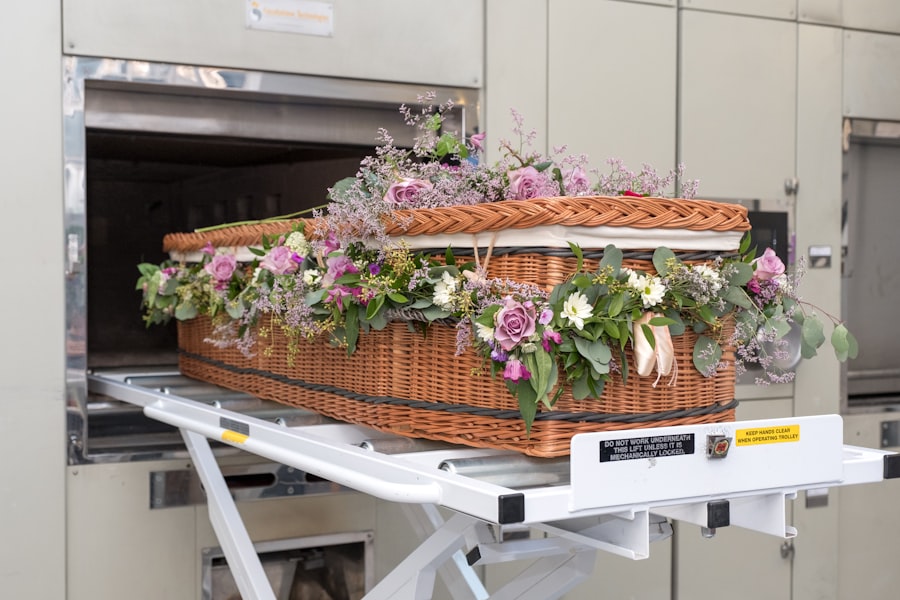
The cremation process involves reducing the body to its basic chemical components and bone fragments through high temperatures and flame. This is a meticulously controlled process. Municipal facilities will adhere to strict protocols governing the operation of their cremation chambers (retorts). These protocols are designed to ensure safety, environmental compliance, and the dignity of the deceased. The average cremation time can range from 2 to 4 hours, depending on factors such as body mass and the specific equipment used. After cremation, the remaining bone fragments are processed into what are commonly referred to as “ashes” or cremated remains.
Grief Support and Guidance
While municipal cremation services are primarily focused on the logistical and procedural aspects of cremation, they are not typically equipped to provide extensive grief counseling. Their role is to facilitate the disposition process. However, they can often serve as a valuable resource by directing families to local grief support groups, counseling services, or other community organizations that specialize in providing emotional and psychological support during bereavement. They are the gatekeepers of the practical, but they can point you towards the emotional navigators.
Urn Selection and Memorialization
Many municipal cremation services will offer a selection of basic urns for the cremated remains. These are often simple, functional, and affordable options. The choice of urn is deeply personal, and while the selection at a municipal facility might be more limited than a dedicated urn provider, it fulfills the essential requirement of containing the cremated remains. For those seeking more elaborate or personalized urns, there are numerous independent retailers and online stores that specialize in a wide array of styles, materials, and designs. These external options allow for a broader palette to express your loved one’s individuality.
Navigating the Paperwork and Regulations
The administrative side of cremation, whether through municipal services or private providers, involves a necessary series of documents and adherence to regulations. This paperwork acts as the compass and the map, guiding the process and ensuring it is conducted legally and ethically. Understanding these requirements upfront can alleviate significant stress.
Death Certificates
A crucial document in any final disposition is the death certificate. This official record of the death is required for various legal and administrative purposes, including probate, insurance claims, and social security benefits. Your municipal cremation service will facilitate the process of obtaining certified copies of the death certificate, though there will typically be a fee associated with each copy. The physician or medical examiner who pronounced the death will be responsible for initiating the medical certification of death, which is then submitted to the local registrar.
Burial Transit Permits
For cremation to proceed, a burial transit permit (or cremation permit) is typically required. This permit is issued by the local health department or registrar’s office and authorizes the transportation and cremation of the deceased. Your municipal cremation service will usually handle the application and acquisition of this permit on your behalf. This ensures that all legal prerequisites are met before the cremation can take place.
The Cremation Authorization Form
Before the cremation can be performed, a cremation authorization form must be signed by the next of kin or the legally appointed representative. This form legally authorizes the cremation and attests that the signer has the right to make decisions for the deceased. It is imperative to read and understand this document thoroughly before signing. It is the legal stamp of approval that allows the process to move forward.
Working with Your Local Municipality
Engaging with your local municipality for cremation services often begins with identifying the correct department or contact person. This might be a department of public health, a public works division, or a specific program designated for funeral services. Building a working relationship with these individuals means understanding their operational hours, communication channels, and any specific requirements they may have.
Identifying the Right Department
The initial step is to determine which municipal department handles cremation services. This can often be found on your city or county’s official website, or by calling the general information line for your local government. Keywords to search for include “cremation services,” “public health,” “funeral services,” or “disposition services.” Do not hesitate to ask questions to ensure you are connecting with the correct point of contact.
Communication and Scheduling
Once you have identified the appropriate department, clear and concise communication is vital. You will need to discuss the availability of their services, their operating hours, and the process for scheduling the cremation. Be prepared to provide essential information about the deceased, such as their full name, date of birth, and social security number. Prompt scheduling can help ensure that arrangements are made in a timely manner, respecting any religious or personal timelines you may have.
Understanding Service Limitations
It is essential to have realistic expectations regarding the scope of services offered by a municipal provider. As previously mentioned, they typically focus on direct cremation and may have limited capacity for customization or extended memorial services. If you require services such as embalming, viewings, or elaborate funeral ceremonies, you may need to supplement the municipal service with offerings from a private funeral home. This pragmatic approach ensures all your needs are met, utilizing the strengths of each service.
If you are exploring options for municipal cremation services near you, it’s essential to consider various factors such as cost, location, and available facilities. A helpful resource that provides insights into these services can be found in this article, which discusses the benefits and considerations of choosing municipal cremation. You can read more about it by following this link: this article. Understanding your options can make a significant difference during a challenging time.
Cost Considerations and Comparisons
| Municipality | Service Provider | Location | Contact Number | Average Turnaround Time | Additional Services | Operating Hours |
|---|---|---|---|---|---|---|
| Springfield | Springfield Cremation Services | 123 Main St, Springfield | (555) 123-4567 | 3-5 days | Memorial planning, Urn sales | Mon-Fri 8am-5pm |
| Rivertown | Rivertown Municipal Crematorium | 456 River Rd, Rivertown | (555) 987-6543 | 2-4 days | Transportation, Online obituary | Mon-Sat 9am-6pm |
| Lakeside | Lakeside City Cremation | 789 Lakeview Blvd, Lakeside | (555) 246-8101 | 4-6 days | Pre-planning, Grief support | Mon-Fri 7am-4pm |
| Hilltown | Hilltown Cremation Services | 321 Hill St, Hilltown | (555) 369-1212 | 3 days | Direct cremation, Witnessed cremation | Mon-Fri 8am-5pm, Sat 9am-1pm |
One of the most significant advantages of choosing local municipal cremation services is often the cost. These services are generally designed to be more affordable than those offered by private funeral homes. However, it is still important to understand what charges are typically included and what might incur additional fees.
Direct Cremation Pricing
The price for direct cremation at a municipal facility is usually a straightforward fee that covers the cremation process itself, the use of a basic alternative container for the cremation, and the return of the cremated remains in a temporary urn. This is often the most economical option available. The transparency of this pricing is a key benefit.
Potential Additional Fees
While the core service is affordable, certain additional fees might apply. These can include the cost of obtaining extra certified copies of the death certificate, the burial transit permit, and potentially fees for transporting the deceased from the place of death to the municipal facility if it is not handled by another entity. Some facilities might also charge a fee for expedited services if required. Always inquire about any potential surcharges.
Comparing with Private Providers
When comparing the costs of municipal cremation services with private funeral homes, it is important to perform an apples-to-apples comparison. A private funeral home’s “direct cremation” package might include services that a municipal provider does not, such as a basic viewing or a more substantial urn. Conversely, a private provider’s basic direct cremation package is often more expensive than the municipal equivalent. Understanding the full scope of what is included in each option is vital for making an informed decision. The municipal service is often the lean, efficient runner, while private providers can be the equipped strategists offering a wider array of terrain.
The Final Disposition of Cremated Remains
Once the cremation is complete and the cremated remains have been returned to you, you will face decisions regarding their final disposition. This is a deeply personal choice, and your local municipal cremation service can guide you on the legal requirements for scattering or interring the remains in your area.
Scattering Guidelines
Many communities have specific regulations regarding the scattering of cremated remains. These rules often pertain to public parks, waterways, and private property. Your municipal service can provide information on where scattering is permitted and any necessary permits or procedures. Some areas have designated “scattering gardens” which offer a respectful and appropriate place for this practice.
Urn Burial and Columbariums
The cremated remains can also be interred in a cemetery plot, either in a traditional grave or in a niche within a columbarium. A columbarium is a structure containing multiple small compartments (niches) where urns can be placed. Many cemeteries offer columbarium niches as a space-saving and often more affordable alternative to traditional burial. Your local municipality may have information on local cemeteries and their offerings.
Keepsakes and Memorialization
Beyond traditional urns, there are numerous options for memorializing cremated remains. These can include creating jewelry, incorporating the ashes into artwork, or using biodegradable urns that can be planted with a tree. These options allow for a more personalized and lasting tribute to your loved one’s memory. The practical disposition is only one facet; the enduring remembrance is another.
In conclusion, when you search for “Local Municipal Cremation Services Near Me,” you are seeking a direct, affordable, and dignified solution for final disposition. These services offer a foundational pathway, ensuring that the logistical and regulatory aspects of cremation are handled with efficiency. While they may not offer the extensive customization of private providers, their accessibility and cost-effectiveness make them a valuable resource for many families. By understanding their role, procedures, and limitations, you can navigate this challenging time with greater clarity and make informed decisions that honor your loved one’s memory.
FAQs
What are municipal cremation services?
Municipal cremation services are cremation options provided or facilitated by local government authorities or public agencies. These services are typically more affordable and may be offered as part of public funeral or burial programs.
How can I find municipal cremation services near me?
You can find municipal cremation services near you by contacting your local city or county government offices, visiting their official websites, or checking with public health departments. Some municipalities list available cremation services and providers online.
Are municipal cremation services more affordable than private providers?
Yes, municipal cremation services are often more affordable than private cremation providers because they may offer basic services with fewer additional fees. However, costs can vary depending on the location and specific services included.
What documentation is required for municipal cremation services?
Typically, you will need to provide a death certificate, identification for the deceased, and any necessary permits or authorizations required by local laws. Requirements may vary by municipality, so it is important to check with the local authority.
Can I arrange a viewing or memorial service with municipal cremation services?
Municipal cremation services often provide basic cremation without additional services like viewings or memorials. However, some municipalities may allow or facilitate memorial services separately. It is best to inquire directly with the service provider about available options.