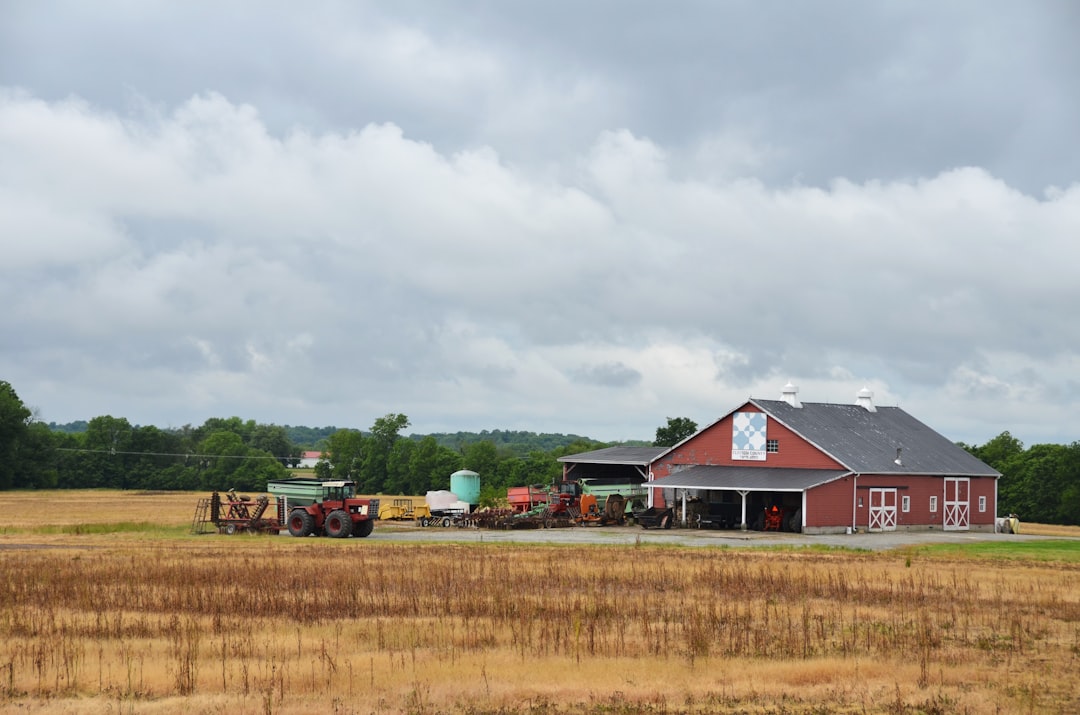
Farmland has become an increasingly popular investment option for portfolio diversification and long-term financial growth. With global population growth driving increased demand for food and agricultural products, farmland presents a distinct investment opportunity. This asset class offers potential capital appreciation while simultaneously providing inflation protection, which is particularly valuable during periods of economic uncertainty.
Beyond financial returns, farmland investment enables investors to engage directly with land management and support sustainable agricultural practices. The farmland investment sector offers multiple approaches, including direct land ownership, agricultural fund investments, and real estate investment trusts (REITs) focused on agricultural properties. Each strategy presents different risk profiles, liquidity levels, and management requirements that investors should evaluate based on their specific financial objectives and investment preferences.
Investing in farmland investment can provide sustainable returns and long-term growth opportunities.
Key Takeaways
- Farmland investment offers a historically stable and appreciating asset class with unique market dynamics.
- Current trends show increasing interest due to rising food demand and limited land availability.
- Returns are influenced by factors like crop prices, weather conditions, and government policies.
- Risks include market volatility, environmental challenges, and regulatory changes.
- Sustainable practices and diversification can enhance long-term value and reduce investment risk.
Historical Performance of Farmland Investments
The historical performance of farmland investments has been impressive, often outpacing traditional asset classes such as stocks and bonds. Over the past few decades, farmland has demonstrated a consistent appreciation in value, driven by factors such as increasing global food demand and limited supply of arable land. As you delve into the data, you may find that farmland has provided an average annual return of around 10% over the long term, making it a robust option for wealth accumulation.
Additionally, the resilience of farmland during economic downturns is noteworthy.
This stability can be particularly appealing to you as an investor seeking to mitigate risk while still achieving growth.
By examining historical trends, you can gain insights into how farmland has weathered various economic cycles, reinforcing its reputation as a reliable investment choice.
Current Market Trends in Farmland Investment
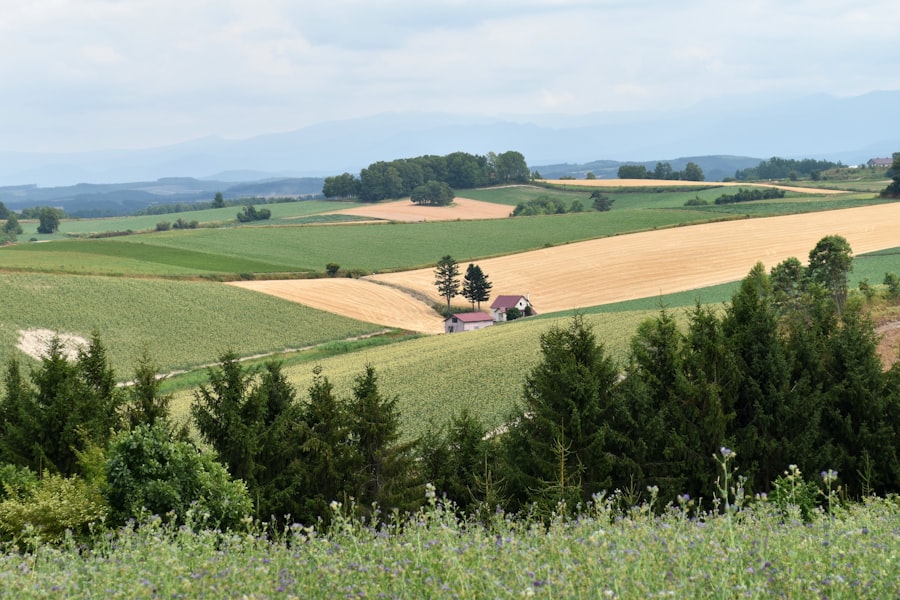
As you navigate the current landscape of farmland investment, several trends are shaping the market. One significant trend is the increasing interest from institutional investors and high-net-worth individuals who recognize the potential of farmland as a long-term asset. This influx of capital is driving up land prices, particularly in regions with fertile soil and favorable climates.
You may want to keep an eye on these trends, as they can influence your investment decisions and strategies. Another trend worth noting is the growing emphasis on sustainable farming practices. As consumers become more conscious of environmental issues, there is a rising demand for sustainably produced food.
This shift is prompting many farmers to adopt eco-friendly practices, which can enhance the value of their land and attract socially responsible investors like you. By aligning your investment choices with sustainable practices, you not only contribute to a healthier planet but also position yourself to benefit from the increasing demand for organic and sustainably sourced products.
Factors Affecting Farmland Investment Returns
Several factors can influence the returns on your farmland investments, and understanding these elements is crucial for making informed decisions. One primary factor is the location of the farmland. Regions with fertile soil, adequate water supply, and favorable climate conditions tend to yield higher returns compared to less productive areas.
As you evaluate potential investments, consider conducting thorough research on regional agricultural trends and market conditions. Another critical factor is crop prices, which can fluctuate based on supply and demand dynamics. For instance, if there is a bumper crop year, prices may drop due to oversupply, impacting your returns.
Conversely, adverse weather conditions or crop diseases can lead to reduced yields and higher prices, benefiting your investment. Staying informed about market trends and agricultural forecasts will enable you to anticipate changes that could affect your returns and make strategic adjustments accordingly.
Risks Associated with Farmland Investment
| Metric | Value/Trend | Notes |
|---|---|---|
| Annual Farmland Appreciation Rate | 3-6% | Varies by region; historically steady growth |
| Average Rental Yield | 2-4% | Income from leasing farmland to farmers |
| Inflation Hedge | High | Farmland values tend to rise with inflation |
| Market Volatility | Low | Farmland prices are less volatile than stocks |
| Demand Drivers | Increasing | Growing global food demand and biofuel production |
| Risks | Weather, Regulatory Changes, Commodity Prices | Potential impact on profitability and land value |
| Liquidity | Low | Farmland is less liquid compared to other investments |
| Environmental Sustainability Trends | Increasing Importance | Investors favor sustainable and regenerative practices |
While farmland investment offers numerous benefits, it is essential to recognize the risks involved. One significant risk is environmental factors such as droughts, floods, or pest infestations that can severely impact crop yields. As an investor, you must be prepared for these uncertainties and consider diversifying your investments across different regions or types of crops to mitigate potential losses.
Additionally, market volatility can pose challenges for farmland investors. Economic downturns or shifts in consumer preferences can lead to fluctuations in crop prices, affecting your overall returns. It’s crucial to have a well-thought-out risk management strategy in place that includes regular monitoring of market conditions and potential exit strategies should circumstances change unexpectedly.
Benefits of Farmland Investment
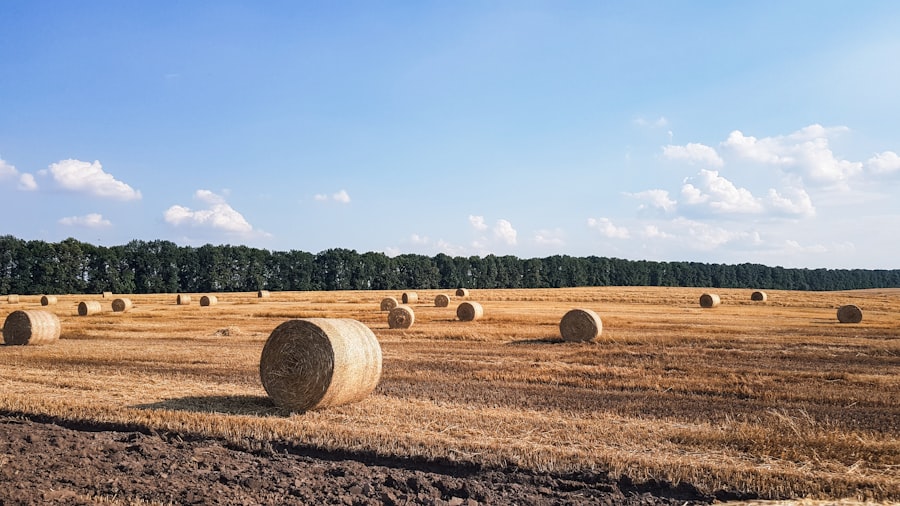
Investing in farmland comes with a host of benefits that can enhance your financial portfolio. One of the most significant advantages is the potential for steady cash flow through rental income from leasing land to farmers. This income can provide a reliable source of revenue while allowing you to benefit from long-term appreciation in land value.
Moreover, farmland investments often serve as a hedge against inflation. As prices rise across various sectors, agricultural commodities tend to follow suit, ensuring that your investment retains its purchasing power over time. This characteristic makes farmland an attractive option for those looking to preserve wealth in an inflationary environment.
By incorporating farmland into your investment strategy, you can enjoy both immediate cash flow and long-term capital appreciation.
Farmland Investment Strategies
When considering farmland investments, it’s essential to develop a strategy that aligns with your financial goals and risk tolerance. One common approach is direct ownership of agricultural land, where you purchase property outright and either farm it yourself or lease it to tenants. This strategy allows for greater control over your investment but requires a deeper understanding of agricultural practices and market dynamics.
Alternatively, you might explore indirect investment options such as agricultural funds or REITs that focus on farmland.
This approach can be particularly appealing if you prefer a more passive investment strategy while still gaining exposure to the farmland market.
Sustainable Farmland Investment Practices
Sustainable farming practices are becoming increasingly important in today’s investment landscape. As an investor, you have the opportunity to support environmentally friendly practices that promote soil health, biodiversity, and responsible water usage. By investing in farms that prioritize sustainability, you not only contribute positively to the environment but also position yourself to benefit from the growing consumer demand for sustainably produced food.
Incorporating sustainable practices into your investment strategy may involve seeking out farms that utilize organic farming methods or implement regenerative agriculture techniques. These practices not only enhance the long-term viability of the land but also attract consumers willing to pay premium prices for sustainably sourced products. By aligning your investments with sustainability goals, you can create a positive impact while potentially increasing your returns.
Tax Considerations for Farmland Investors
Understanding the tax implications of farmland investments is crucial for maximizing your returns. Depending on your jurisdiction, there may be specific tax benefits associated with owning agricultural land. For instance, some regions offer tax breaks or incentives for landowners who engage in conservation practices or maintain their land for agricultural use.
Additionally, capital gains tax considerations should be on your radar when planning your exit strategy. If you decide to sell your farmland after holding it for several years, understanding how capital gains taxes will affect your profits is essential for effective financial planning. Consulting with a tax professional who specializes in agricultural investments can help you navigate these complexities and ensure that you are making informed decisions regarding your tax liabilities.
Diversifying a Portfolio with Farmland Investments
Incorporating farmland into your investment portfolio can provide valuable diversification benefits. Traditional asset classes like stocks and bonds often exhibit high correlation during market downturns; however, farmland tends to behave differently due to its unique supply-demand dynamics. By adding farmland investments to your portfolio, you can reduce overall volatility and enhance risk-adjusted returns.
Moreover, farmland investments can serve as a counterbalance to other asset classes during inflationary periods. As food prices rise alongside inflation, your farmland investments may appreciate in value or generate increased rental income, providing a buffer against economic uncertainty. This diversification strategy not only enhances your portfolio’s resilience but also positions you for long-term growth in an ever-changing market landscape.
Is Farmland a Safe Investment in Today’s Market?
As you contemplate whether farmland is a safe investment in today’s market, it’s essential to weigh both the opportunities and risks associated with this asset class. The historical performance of farmland has been strong, often outperforming traditional investments while providing stability during economic fluctuations. However, like any investment, it comes with its own set of challenges that require careful consideration.
Ultimately, if approached thoughtfully and strategically, farmland can be a valuable addition to your investment portfolio. By staying informed about market trends, understanding the factors influencing returns, and adopting sustainable practices, you can position yourself for success in this unique asset class. As global food demand continues to rise and sustainability becomes increasingly important, investing in farmland may not only yield financial rewards but also contribute positively to society and the environment—making it an appealing choice for conscientious investors like yourself.
Investing in farmland has become a topic of interest for many, especially in light of recent economic fluctuations. A related article that delves into the nuances of agricultural investments and their potential as a safe haven can be found at this link. It provides insights into the factors that influence farmland value and offers guidance for those considering this asset class in today’s market.
WATCH THIS! The Gold Rush is Over. Now, the Dirt Rush is ON. 🚜💰
FAQs
Is farmland considered a safe investment?
Farmland is generally regarded as a relatively safe investment due to its tangible nature, potential for steady income through crop production or leasing, and historical appreciation in value. However, like all investments, it carries risks such as market fluctuations, weather impacts, and changes in agricultural policies.
What factors influence the safety of investing in farmland?
Key factors include location, soil quality, water availability, crop types, local market demand, government regulations, and economic conditions. These elements affect both the productivity and profitability of farmland investments.
How does farmland compare to other types of investments?
Farmland often provides diversification benefits as it is less correlated with stock and bond markets. It can offer stable cash flow through leasing or crop sales and potential capital appreciation. However, it may be less liquid and require more management than traditional financial assets.
What are the risks associated with investing in farmland?
Risks include weather variability, pest infestations, fluctuating commodity prices, changes in agricultural subsidies or regulations, environmental concerns, and potential difficulties in selling the property quickly.
Can farmland generate regular income for investors?
Yes, farmland can generate income through leasing to farmers, crop production, or other agricultural activities. Income levels depend on land productivity, lease terms, and market prices for agricultural products.
Is farmland investment affected by economic downturns?
Farmland tends to be more resilient during economic downturns compared to stocks or real estate because food demand remains relatively stable. However, commodity prices and land values can still be influenced by broader economic conditions.
What should investors consider before buying farmland?
Investors should assess land quality, location, water rights, legal restrictions, market trends, and their own management capabilities or access to professional management. Conducting thorough due diligence and consulting with agricultural experts is advisable.
How liquid is farmland as an investment?
Farmland is generally less liquid than stocks or bonds. Selling farmland can take time due to the specialized market and high transaction costs. Investors should be prepared for a longer holding period.
Are there tax advantages to investing in farmland?
In some regions, farmland may offer tax benefits such as lower property tax rates, agricultural exemptions, or favorable capital gains treatment. Tax implications vary widely by jurisdiction and should be reviewed with a tax professional.
Has farmland value been increasing recently?
In many areas, farmland values have appreciated over time due to factors like increasing food demand, limited land supply, and investment interest. However, values can vary significantly by region and market conditions.