
Farmland prices have increased substantially in recent regions over the past several years. This development has attracted significant interest from investors, farmers, and economists. Agricultural land values have reached historic highs due to several interconnected factors.
These include increased global food demand, historically low interest rates that make farmland an attractive alternative investment, and the growing recognition of agricultural land as a diversified asset class. The upward trajectory of farmland prices reflects structural market conditions rather than temporary fluctuations. Global demand for agricultural products continues to rise as populations expand and dietary patterns shift toward protein-intensive foods.
These demographic and consumption trends create sustained pressure on available agricultural land, thereby supporting higher valuations. Investors view farmland as a hedge against inflation and economic uncertainty, further contributing to price appreciation in the sector.
Key Takeaways
- Farmland prices have surged significantly, driven by high demand and limited supply.
- Key factors include low interest rates, increased agricultural demand, and investor speculation.
- Rising prices pose challenges for farmers, increasing operational costs and financial pressure.
- Investors face risks such as market volatility, potential price corrections, and regulatory changes.
- Experts suggest cautious investment strategies and highlight signs indicating a possible market correction.
Factors Contributing to the Farmland Bubble
Several key factors contribute to the current farmland bubble that you may find intriguing. One primary driver is the influx of institutional investors into the agricultural sector. These entities, including pension funds and private equity firms, have recognized the potential for stable returns in farmland investments.
Their entry into the market has created increased competition for available land, further driving up prices. As you observe this trend, it becomes clear that institutional capital is reshaping the landscape of farmland ownership. Another significant factor is the low-interest-rate environment that has persisted for years.
With borrowing costs at historic lows, you may find it easier to finance farmland purchases. This accessibility to credit has encouraged more individuals and entities to invest in agricultural land, contributing to the upward pressure on prices. Additionally, government policies aimed at promoting agricultural sustainability and food security have further fueled interest in farmland investments, creating a perfect storm for rising prices. Investing in farmland investment can provide sustainable returns and long-term growth opportunities.
Impact on Farmers and Agricultural Industry
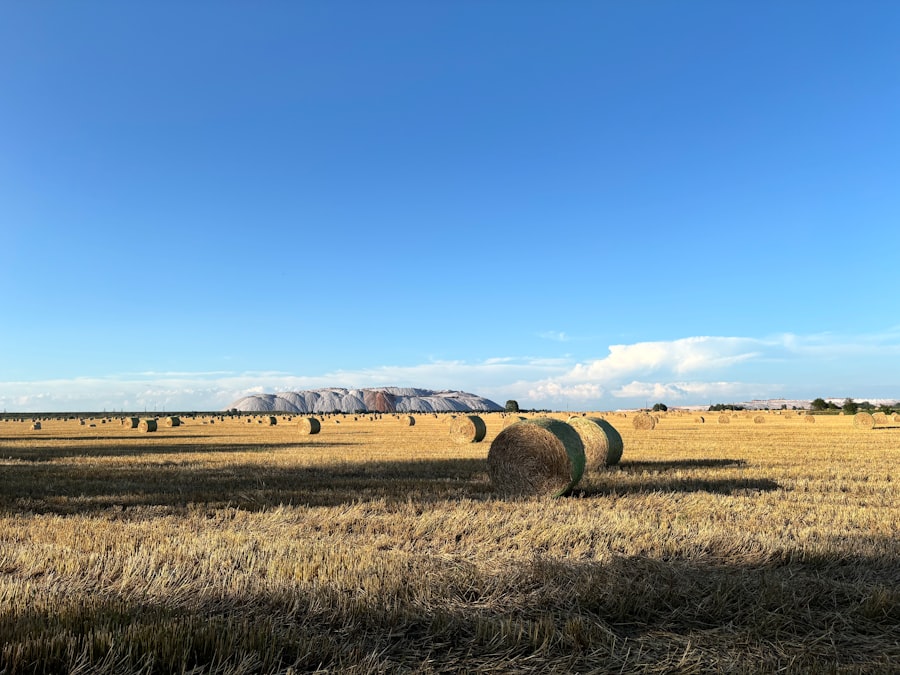
The soaring farmland prices have profound implications for farmers and the broader agricultural industry. As you consider the impact on farmers, it becomes evident that rising land costs can create significant barriers to entry for new and aspiring farmers. For those already in the industry, escalating land prices can strain budgets and limit their ability to expand operations or invest in necessary improvements.
This situation may lead to a consolidation trend within the agricultural sector, where larger farms acquire smaller ones, potentially reducing diversity in farming practices. Moreover, as you reflect on the agricultural industry as a whole, it’s important to recognize that rising farmland prices can lead to increased food costs for consumers. Farmers may pass on their higher operational costs to consumers, resulting in elevated prices at grocery stores and markets.
This dynamic can create a ripple effect throughout the economy, impacting food security and access for lower-income households. As you analyze these trends, it becomes clear that while rising farmland prices may benefit some investors, they pose challenges for many stakeholders within the agricultural ecosystem.
Potential Risks for Investors
While investing in farmland may seem like a lucrative opportunity, you should be aware of the potential risks involved. One significant risk is market volatility. Just as with any investment, farmland values can fluctuate based on various factors such as weather conditions, commodity prices, and changes in government policies.
If you decide to invest in farmland during a peak period, you may find yourself vulnerable to sudden declines in value if market conditions shift unexpectedly. Additionally, you should consider the liquidity risk associated with farmland investments. Unlike stocks or bonds that can be easily bought or sold on exchanges, farmland transactions can take time and may involve complex negotiations.
If you need to liquidate your investment quickly due to unforeseen circumstances, you might face challenges in finding a buyer willing to pay your desired price. Understanding these risks is crucial as you navigate the complexities of farmland investment.
Comparison to Previous Real Estate Bubbles
| Metric | Description | Current Value | Trend | Implication |
|---|---|---|---|---|
| Farmland Price Index | Measures the average price level of farmland | 150 (Index) | Rising sharply over last 5 years | Potential overvaluation risk |
| Farmland Price to Income Ratio | Ratio of farmland price to average farmer income | 12:1 | Increasing | Farmland becoming less affordable |
| Farmland Price to Crop Yield Ratio | Price of land relative to annual crop yield value | 25:1 | Elevated compared to historical average of 15:1 | Possible bubble indicator |
| Investment Inflows into Farmland | Annual capital invested in farmland assets | 20 billion | Increasing | Growing speculative interest |
| Farmland Mortgage Debt Levels | Outstanding loans secured by farmland | High | Rising | Increased financial risk |
| Government Regulation Changes | New policies affecting farmland ownership and investment | Pending stricter controls | Expected | Could cool down speculative bubble |
| Farmland Vacancy Rates | Percentage of farmland not in productive use | Low (3%) | Stable | Indicates strong demand for productive land |
When examining the current farmland bubble, it’s insightful to compare it to previous real estate bubbles that have occurred throughout history. You might recall the housing bubble of the mid-2000s, which was characterized by rapid price increases fueled by easy credit and speculative buying. Similarly, the current farmland market exhibits signs of speculative behavior as investors flock to purchase land without fully considering long-term sustainability or profitability.
As you analyze these parallels, it’s essential to recognize that while farmland is often viewed as a more stable investment compared to residential real estate, it is not immune to market corrections. The lessons learned from past bubbles serve as a reminder that overvaluation can lead to significant losses when reality sets in. By understanding these historical contexts, you can better assess your own investment strategies in the current farmland market.
Government Policies and Regulations

Government policies play a pivotal role in shaping the landscape of farmland investments. As you explore this aspect, consider how subsidies and incentives can influence land prices and farming practices. For instance, programs aimed at promoting sustainable agriculture or supporting small farmers can create opportunities for investment while also impacting market dynamics.
You may find that these policies can either bolster or hinder your investment decisions based on their alignment with your goals.
As urban areas expand and encroach upon agricultural land, you might encounter challenges related to land use restrictions or development pressures.
Understanding these regulatory frameworks is essential for making informed decisions about where and how to invest in farmland.
Strategies for Mitigating Risks
To navigate the complexities of farmland investment successfully, you should consider implementing strategies to mitigate potential risks. One effective approach is diversification. By spreading your investments across different regions or types of agricultural land, you can reduce your exposure to localized market fluctuations or adverse weather events.
Additionally, conducting thorough due diligence before making any investment is crucial. You should assess factors such as soil quality, water availability, and local market conditions to ensure that your investment aligns with long-term growth potential.
Engaging with agricultural experts or consultants can provide valuable insights that enhance your decision-making process and help you identify promising opportunities while avoiding pitfalls.
Alternative Investment Options
While farmland presents an attractive investment avenue, it’s worth exploring alternative options that may align with your financial goals and risk tolerance. For instance, you might consider investing in agricultural technology companies that focus on innovations aimed at improving crop yields or sustainability practices. These companies often operate at the intersection of technology and agriculture, providing opportunities for growth without directly investing in land.
Another alternative could be investing in agricultural commodities or exchange-traded funds (ETFs) that focus on agriculture-related assets. These options allow you to gain exposure to the agricultural sector without the complexities associated with direct land ownership. By diversifying your investment portfolio with these alternatives, you can balance risk while still participating in the growth potential of agriculture.
Expert Opinions and Predictions
As you navigate the landscape of farmland investments, seeking expert opinions can provide valuable insights into future trends and market dynamics. Many analysts predict that while current prices may be elevated due to strong demand and limited supply, there are signs that growth may stabilize in the coming years. Experts emphasize the importance of understanding regional variations in farmland markets and recognizing that not all areas will experience the same level of price appreciation.
Additionally, some experts caution against overexposure to farmland investments during this period of rising prices. They suggest maintaining a balanced approach by considering other asset classes alongside farmland to mitigate risks associated with potential market corrections. By staying informed through expert analyses and predictions, you can make more strategic decisions regarding your investments.
Signs of a Bursting Bubble
As an investor in farmland or someone considering entering this market, it’s crucial to be vigilant for signs of a potential bubble burst. One key indicator is a sudden increase in supply as more investors rush to capitalize on rising prices. If you notice an influx of new listings or an oversupply of available land for sale, it may signal an impending correction in prices.
Another warning sign could be a decline in demand due to changing economic conditions or shifts in consumer preferences. If commodity prices begin to fall or if there are significant changes in government policies affecting agriculture, these factors could lead to decreased interest in farmland investments. By keeping an eye on these indicators, you can better position yourself to respond proactively should market conditions shift.
Long-Term Outlook for Farmland Investments
Looking ahead, the long-term outlook for farmland investments remains complex yet promising. While short-term fluctuations may occur due to various economic factors, the fundamental demand for food is unlikely to diminish as global populations continue to grow. As you consider your investment strategy, it’s essential to adopt a long-term perspective that accounts for both potential risks and opportunities within the agricultural sector.
Moreover, advancements in technology and sustainable farming practices are likely to shape the future of agriculture positively. As innovations emerge that enhance productivity and environmental stewardship, you may find new avenues for investment within this evolving landscape. By staying informed about industry trends and maintaining a forward-thinking approach, you can position yourself for success in the dynamic world of farmland investments.
In conclusion, while the rise of farmland prices presents both opportunities and challenges for investors like yourself, understanding the underlying factors at play is crucial for making informed decisions. By considering risks, exploring alternative options, and staying attuned to expert insights and market signals, you can navigate this complex landscape with confidence as you pursue your investment goals in agriculture.
Investing in farmland has become increasingly popular, but recent analyses have raised concerns about a potential bubble in this market. A related article discusses the implications of such a bubble and offers insights into the current trends affecting agricultural investments. For more information, you can read the article [here](https://www.howwealthgrows.com/).
WATCH THIS! The Gold Rush is Over. Now, the Dirt Rush is ON. 🚜💰
FAQs
What is meant by a farmland bubble?
A farmland bubble refers to a situation where the prices of agricultural land increase rapidly and to levels that are not supported by the underlying economic fundamentals, such as crop yields, commodity prices, or rental income. This can lead to an unsustainable market that may eventually correct sharply.
Why are experts warning about a farmland bubble?
Experts warn about a farmland bubble when they observe signs such as rapid price increases, high levels of speculative investment, and a disconnect between land values and agricultural productivity. These conditions can pose risks to investors and the broader economy if the bubble bursts.
What factors contribute to rising farmland prices?
Several factors can drive up farmland prices, including increased demand for agricultural products, low interest rates, government subsidies, limited land availability, and interest from institutional investors seeking stable returns.
How can a farmland bubble impact investors?
If a farmland bubble bursts, investors may face significant losses as land values decline. This can affect farmers who use land as collateral, lenders, and the broader agricultural sector, potentially leading to reduced investment and economic instability.
Are farmland investments generally considered safe?
Farmland has traditionally been viewed as a relatively stable investment due to its tangible nature and income-generating potential. However, like all investments, it carries risks, especially if prices become inflated beyond sustainable levels.
What should potential investors consider before investing in farmland?
Investors should assess factors such as current land prices relative to historical trends, local agricultural productivity, commodity market conditions, interest rates, and potential regulatory changes. Consulting with agricultural and financial experts is also advisable.
Can government policies influence farmland prices?
Yes, government policies such as subsidies, tax incentives, zoning laws, and environmental regulations can significantly impact farmland values by affecting profitability and land use.
How does farmland price volatility compare to other asset classes?
Farmland prices tend to be less volatile than stocks but can be more volatile than some fixed-income investments. However, during a bubble, volatility can increase sharply, leading to rapid price corrections.
What signs indicate a potential farmland bubble is forming?
Indicators include rapid and sustained price increases, high levels of speculative buying, divergence between land prices and agricultural income, and increased borrowing to finance land purchases.
What are the long-term prospects for farmland investment?
Long-term prospects depend on factors such as global food demand, technological advancements in agriculture, climate change impacts, and economic conditions. While farmland can offer steady returns, investors should remain cautious of market cycles and potential bubbles.