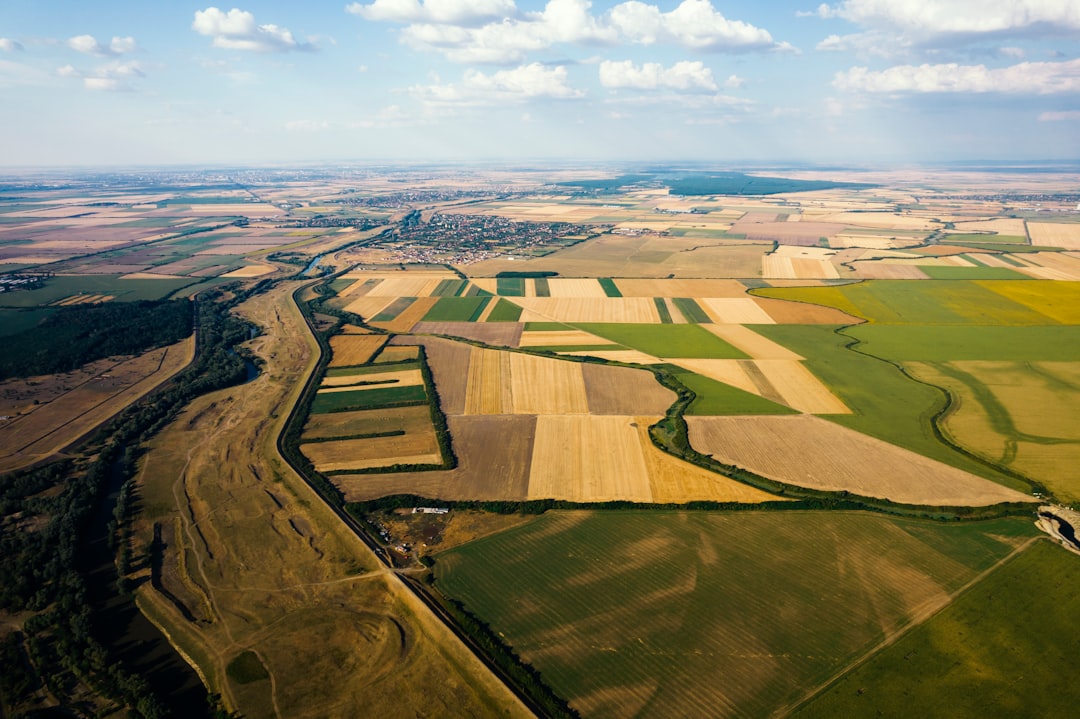
In recent decades, you have likely observed a notable shift in the landscape of global investment. While traditional assets like stocks, bonds, and real estate have long dominated portfolios, a new contender has steadily gained traction: farmland. This article will explore the burgeoning interest of institutional investors in acquiring agricultural land, dissecting the underlying motivations, the implications for the agricultural sector, and the broader economic ramifications.
You might wonder, what makes a seemingly rustic asset like farmland so appealing to sophisticated financial entities? The answer lies in a confluence of economic and demographic factors that create a compelling investment thesis. Farmland, unlike many financial instruments, offers a tangible asset with intrinsic value. You can’t print more land, and its fundamental utility in food production is irreplaceable. Learn more about the financialization of American agriculture and its impact on the economy.
A Hedge Against Inflation
In times of economic uncertainty, you seek assets that can preserve or even appreciate in value. Farmland, historically, has demonstrated a strong correlation with inflation. As the cost of living rises, so too does the value of food commodities, which in turn influences the price of the land on which these commodities are grown. Think of it as a natural buffer, a sturdy dike against the eroding forces of inflation, protecting your capital from devaluation.
Diversification and Portfolio Stabilization
For institutional investors managing vast sums of capital, diversification is paramount. You understand the adage “don’t put all your eggs in one basket.” Farmland offers a unique asset class with low correlation to traditional financial markets. When stock markets experience volatility, or bonds yield meager returns, farmland can often demonstrate a more stable performance, acting as a crucial anchor in an otherwise turbulent portfolio. It’s like adding a slow, steady battleship to a fleet of nimble but volatile destroyers.
Tangible Asset with Intrinsic Value
Imagine holding a deed to a productive farm. You are not simply holding a piece of paper representing a claim on future earnings; you are holding an actual, physical asset capable of generating real goods. This tangibility provides a psychological comfort and a fundamental security that many abstract financial instruments lack. You can literally walk the land, feel the soil, and witness its productive capacity.
Demographic and Global Food Demand Trends
The world’s population continues to grow, and with it, the demand for food and agricultural products. You are aware of the projections: by 2050, the global population is expected to reach nearly 10 billion. This demographic tidal wave necessitates a proportional increase in food production. Farmland, therefore, is not just a present-day asset but an investment in the future of human sustenance. This underlying demand acts as a powerful, persistent tailwind for farmland values.
Institutional investors have increasingly turned their attention to farmland acquisition as a strategic move to diversify their portfolios and capitalize on the growing demand for sustainable food production. This trend is highlighted in a related article that discusses the various factors driving institutional interest in agricultural assets, including the potential for stable returns and the impact of climate change on traditional investments. For more insights on this topic, you can read the full article here: How Wealth Grows.
The Mechanisms of Acquisition: How Institutions Are Entering the Farmland Market
So, how are these large investment entities actually acquiring farmland? You might not see them directly buying individual farms at local auctions. Their approach is often more structured and scalable.
Farmland Investment Trusts (FITs) and Real Estate Investment Trusts (REITs)
One common vehicle is the establishment of Farmland Investment Trusts (FITs) or specialized Real Estate Investment Trusts (REITs) focused on agricultural land. These entities pool capital from numerous investors and acquire vast tracts of farmland, often across different regions and even continents. You, as an investor, can then buy shares in these trusts, gaining exposure to farmland without the complexities of direct ownership and management.
Direct Acquisitions and Joint Ventures
In some instances, particularly for larger institutional investors or sovereign wealth funds, direct acquisitions of extensive farmlands are undertaken. These can involve purchasing entire farming operations or partnering with existing agricultural businesses in joint ventures. This direct approach offers greater control but also necessitates a higher level of expertise in agricultural management.
Sustainable and Regenerative Agriculture Focus
Increasingly, institutional investors are not just looking for any farmland, but specifically for operations that prioritize sustainable and regenerative agricultural practices. You recognize the growing consumer demand for ethically and environmentally produced food. This focus on sustainability can be seen as a form of “impact investing,” where financial returns are sought alongside positive environmental and social outcomes. It’s not just about cultivating crops, but cultivating responsible stewardship.
The Impact on the Agricultural Sector: A Double-Edged Scythe
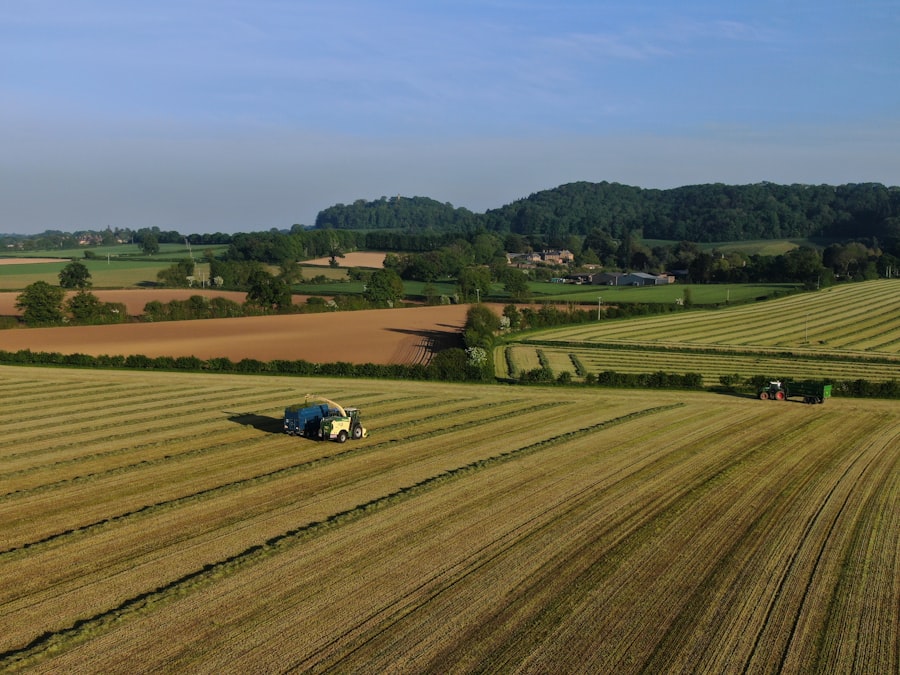
The influx of institutional capital into agriculture presents both opportunities and challenges. You should consider both sides of this powerful force.
Potential for Capital Infusion and Modernization
For many agricultural regions, institutional investment can be a much-needed shot in the arm. It can bring significant capital for infrastructure improvements, adoption of advanced technologies (like precision agriculture and automation), and expansion of production capacities. This can lead to increased efficiency, higher yields, and improved profitability for the sector as a whole. Imagine a rusty old plow being replaced by a gleaming, technologically advanced tractor – that’s the potential for modernization.
Concerns Regarding Land Consolidation and Small Farmer Displacement
However, you must also acknowledge the potential downsides. The acquisition of large land parcels by institutional investors can lead to land consolidation, where smaller family farms find it difficult to compete or expand. This can result in the displacement of traditional farming communities and a loss of local agricultural knowledge. The fear is that the small, independent gardener might be muscled out by the sprawling corporate farm.
Leaseback Arrangements and Tenant Farming
Often, institutional investors acquire farmland and then lease it back to existing or new farmers. While this can provide a stable income stream for the investor, it can also shift the power dynamic. Farmers, as tenants, may have less control over long-term land management decisions and may face pressure to prioritize short-term yields over sustainable practices to meet lease obligations. You can see how this might feel like tilling someone else’s garden.
Impact on Food Security and Local Economies
The long-term implications for food security and local economies are also a subject of debate. If institutional investors primarily focus on export-oriented cash crops, it could potentially impact the availability and affordability of staple foods for local populations. You must consider whether these large-scale investments truly serve the broader community’s food needs or primarily cater to global markets.
Navigating the Future: Regulatory Frameworks and Ethical Considerations

Given the profound implications, you naturally look for mechanisms to manage this evolving landscape.
The Need for Transparent Regulatory Frameworks
As institutional interest in farmland grows, you recognize the increasing need for transparent and robust regulatory frameworks. These frameworks should aim to balance the benefits of capital investment with the protection of local agricultural communities and environmental sustainability. This is about establishing clear rules of the game to ensure fair play for all participants.
Ethical Investment Guidelines and Social Responsibility
Many institutional investors are increasingly adopting ethical investment guidelines and prioritizing social responsibility in their acquisition strategies. This includes considerations of fair labor practices, environmental stewardship, and community engagement. You, as a discerning observer, will want to see if these commitments translate into tangible actions on the ground.
Data Collection and Market Intelligence
For a healthy and informed market, comprehensive data collection and market intelligence are crucial. Understanding the true ownership structure of agricultural land, the investment trends, and their socioeconomic impacts is vital for effective policy-making and responsible investment decisions. This is about shining a light into the corners of the market, dispelling shadows of uncertainty.
Institutional investors are increasingly turning their attention to farmland acquisition as a strategic move to diversify their portfolios and hedge against inflation. This trend is driven by the growing demand for sustainable food sources and the stability that agricultural assets can provide. For those interested in exploring the nuances of this investment strategy, a related article offers valuable insights into the motivations behind these acquisitions and the potential benefits for investors. You can read more about it in this informative piece on wealth growth strategies at How Wealth Grows.
Conclusion: A Seed Planted for the Long Term
| Year | Institutional Investors’ Farmland Acquisition (Acres) | Percentage of Total Farmland Market | Average Price per Acre | Top Institutional Investors | Region |
|---|---|---|---|---|---|
| 2018 | 500,000 | 5% | 3,200 | BlackRock, TIAA, Hancock Agricultural | United States |
| 2019 | 650,000 | 6.5% | 3,450 | BlackRock, TIAA, Farmland Partners | United States |
| 2020 | 800,000 | 8% | 3,700 | BlackRock, TIAA, Gladstone Land | United States |
| 2021 | 950,000 | 9.5% | 4,000 | BlackRock, TIAA, Farmland Partners | United States |
| 2022 | 1,100,000 | 11% | 4,250 | BlackRock, TIAA, Hancock Agricultural | United States |
The institutional interest in farmland acquisition is not a fleeting trend but a deeply rooted phenomenon driven by fundamental economic and demographic forces. You are witnessing a significant shift in capital allocation, as sophisticated investors recognize the enduring value and resilience of agricultural land. While this infusion of capital offers immense potential for modernizing farming practices and enhancing global food production, it also necessitates careful consideration of its social, economic, and environmental impacts.
As this trend continues to unfold, you, as a thoughtful participant in the global economy, must remain vigilant. The challenge lies in cultivating an environment where institutional investment in farmland serves not only the interests of investors but also the long-term sustainability of agriculture, the well-being of farming communities, and the food security of a growing global population. It’s about ensuring that the fruits of this investment are shared equitably and sustainably for generations to come.
WATCH THIS! ⚠️💰🌾 Why Wall Street Is Buying Up America’s Farmland (And Why It Should Terrify You)
FAQs
What are institutional investors?
Institutional investors are organizations that pool large sums of money to invest in various assets. Examples include pension funds, insurance companies, endowments, and mutual funds.
Why are institutional investors interested in farmland?
Institutional investors are attracted to farmland because it offers long-term capital appreciation, diversification benefits, and a hedge against inflation. Farmland can also generate steady income through agricultural production or leasing.
How do institutional investors acquire farmland?
Institutional investors typically acquire farmland through direct purchases, partnerships with local operators, farmland investment funds, or real estate investment trusts (REITs) specializing in agricultural land.
What impact does institutional farmland acquisition have on local farmers?
The impact varies; some local farmers benefit from leasing land or receiving capital for expansion, while others may face increased land prices or reduced access to farmland. The effects depend on the scale and management practices of the investors.
Are there risks associated with institutional investment in farmland?
Yes, risks include market volatility, changes in agricultural commodity prices, regulatory changes, environmental factors, and potential conflicts with local communities or farmers.
How is farmland valuation determined for institutional investors?
Farmland valuation considers factors such as soil quality, location, water availability, crop yields, local market conditions, and potential for future development or alternative uses.
Do institutional investors manage farmland directly?
Often, institutional investors hire professional farm managers or partner with local operators to manage day-to-day agricultural activities, while they focus on investment oversight and strategic decisions.
What regulations affect institutional investors acquiring farmland?
Regulations vary by country and region but may include restrictions on foreign ownership, environmental laws, zoning rules, and agricultural subsidies or incentives.
How does institutional investment in farmland affect food security?
Institutional investment can improve food security by increasing agricultural efficiency and investment in technology. However, concerns exist about land concentration and prioritization of profit over local food needs.
Is farmland a liquid asset for institutional investors?
Farmland is generally considered a relatively illiquid asset due to the time and complexity involved in buying and selling agricultural land compared to stocks or bonds.