
Here’s an article about implementing Open Market Ordinances for Commercial Waste Management, written from a second-person perspective, with the requested structure, style, and length:
You stand at a critical juncture in your municipality’s approach to commercial waste. The traditional, often monolithic, waste management systems are showing their age, creaking under the strain of increasing waste volumes, evolving environmental regulations, and the ever-present pressure to optimize operational efficiency and cost-effectiveness. You’re likely wrestling with a system that, while familiar, might be akin to a one-size-fits-all suit – it might sort of fit, but it rarely fits perfectly and can leave you with significant areas of discomfort. Implementing Open Market Ordinances for Commercial Waste Management is not merely a procedural shift; it’s a strategic evolution, a deliberate recalibration of how your jurisdiction interacts with the vital, yet often overlooked, sector of commercial waste generation. This approach unlocks a dynamic ecosystem, replacing a potential monopoly with a vibrant marketplace, allowing businesses to engage directly with a diverse array of service providers.
You might already have a general idea, but let’s solidify the core concept. An Open Market Ordinance, in the context of commercial waste, fundamentally alters the procurement and delivery of waste management services. Instead of a municipality contracting with a single, exclusive provider for all commercial waste collection and disposal within its boundaries, an Open Market Ordinance opens the floodgates. It allows businesses to solicit and contract directly with multiple, licensed waste haulers and disposal facilities. Think of it as moving from a single, government-run grocery store to a bustling farmer’s market. You, the constituent and the business owner, now have a choice, the ability to compare prices, service levels, and specialized offerings before making your purchasing decision.
Dismantling the Monopoly: The Core Principle
At its heart, an Open Market Ordinance is a deconstruction of a singular, often municipally mandated, waste management contract. You are, in essence, removing the artificial barrier that compels all commercial entities to use a designated company, regardless of their specific needs or the perceived value of the service. This is not about abandoning oversight; it is about decentralizing the delivery mechanism while retaining crucial regulatory control. You are not throwing the baby out with the bathwater; you are ensuring the bathwater is being managed by the most efficient and effective available means.
Shifting the Locus of Control: From Municipality to Business
The most significant shift you’ll observe is the transfer of direct contracting power from the municipality to individual commercial entities. While the municipality will still set the rules of engagement – the licensing requirements, the environmental standards, the reporting obligations – the actual selection of who hauls their trash and where it goes becomes their prerogative. This empowers businesses, making them active participants in their waste management rather than passive recipients of a mandated service.
Key Differentiators from Franchise Agreements
It’s essential to distinguish Open Market Ordinances from a franchise agreement, which is a more common model. A franchise typically grants an exclusive right to a single company to provide services within a defined area, often in exchange for fees or other concessions to the municipality. This can lead to a lack of competition, potentially higher prices, and less incentive for the franchisee to innovate or offer tailored solutions. An Open Market Ordinance, by contrast, fosters competition by allowing any qualified provider to operate and for any business to choose among them. This is the difference between being assigned a table at a restaurant and being able to select your preferred table and waiter.
Open market ordinances for commercial waste management are crucial for promoting sustainability and efficiency in urban areas. These regulations can significantly impact how businesses handle their waste, encouraging them to adopt more environmentally friendly practices. For further insights on the economic implications of such ordinances, you can read a related article that discusses the benefits of sustainable waste management practices in commercial settings. To explore this topic in depth, visit this article.
The Pillars of Implementation: Essential Components
Implementing an Open Market Ordinance is not a spontaneous event; it requires careful planning and the establishment of robust frameworks. You must build multiple sturdy pillars to support this new structure, ensuring that it stands strong and serves its intended purpose.
Establishing a Comprehensive Licensing and Permitting System
This is your primary gatekeeper, your mechanism for ensuring that only legitimate and capable entities are allowed to operate within your newly liberalized market. You need a clear, transparent, and rigorous system for licensing all waste haulers and potentially requiring permits for disposal facilities that serve your commercial sector. This process should not be an insurmountable hurdle, but a well-defined pathway that weeds out unqualified operators.
Defining Eligibility Criteria for Service Providers
You’ll need to outline precisely what a waste hauler must demonstrate to earn a license. This typically includes proof of adequate insurance, appropriate vehicle registrations, adherence to safety standards, and a commitment to environmental compliance. You might also require a demonstration of financial stability and a track record of responsible operations. This is akin to setting a minimum standard for ingredients and preparation in your farmer’s market; you want quality and safety.
Establishing Renewal Processes and Compliance Monitoring
Licensing is not a one-time event. You need a system for periodic renewals, during which you can re-verify compliance and assess any changes in the operator’s standing. Furthermore, you must have robust mechanisms in place for ongoing monitoring. This could involve random audits, tracking of waste disposal manifests, and responding to complaints. You can’t just set the rules and walk away; you need to maintain a presence to ensure adherence.
Mandating Reporting and Data Collection
To maintain oversight and to understand the impact of your ordinance, you’ll need to implement mandatory reporting requirements for both businesses and service providers. This data is the engine that drives your understanding of the waste stream and the performance of the market.
Specifying Data Requirements: Waste Types, Volumes, and Diversion Rates
You need to know what’s being generated, in what quantities, and where it’s going. This typically includes requirements for reporting:
- Waste Stream Composition: What types of waste are being generated (e.g., recyclables, organics, solid waste)?
- Volume and Tonnage: How much waste is being produced by each commercial entity?
- Diversion Rates: What percentage of waste is being diverted from landfills through recycling and composting?
- Disposal Locations: Where is the residual waste being sent?
Implementing Digital Reporting Platforms for Efficiency
Manual reporting can be a logistical nightmare. You should explore implementing digital platforms or portals that allow businesses and haulers to submit their data electronically. This streamlines the process, reduces errors, and makes data analysis far more efficient. This is the equivalent of a digital inventory system for your farmer’s market, providing real-time insights.
Setting Service Standards and Environmental Regulations
While you’re opening the market, you’re not abandoning your responsibility to protect the environment and ensure a baseline level of service for your businesses. You need to establish clear, enforceable standards.
Defining Minimum Service Frequencies and Collection Protocols
You might need to specify minimum collection frequencies for different types of waste or for businesses of certain sizes. This prevents situations where businesses are left with overflowing bins for extended periods. Likewise, establish clear protocols for how waste should be collected and transported to prevent spills and environmental contamination.
Enforcing Landfill Bans and Recycling Mandates
Your ordinance is an opportunity to strengthen your diversion goals. You can use this framework to enforce existing landfill bans on specific materials and to mandate participation in recycling and composting programs for commercial entities. This is where you steer the market towards your environmental objectives.
Benefits and Opportunities: Unlocking the Potential
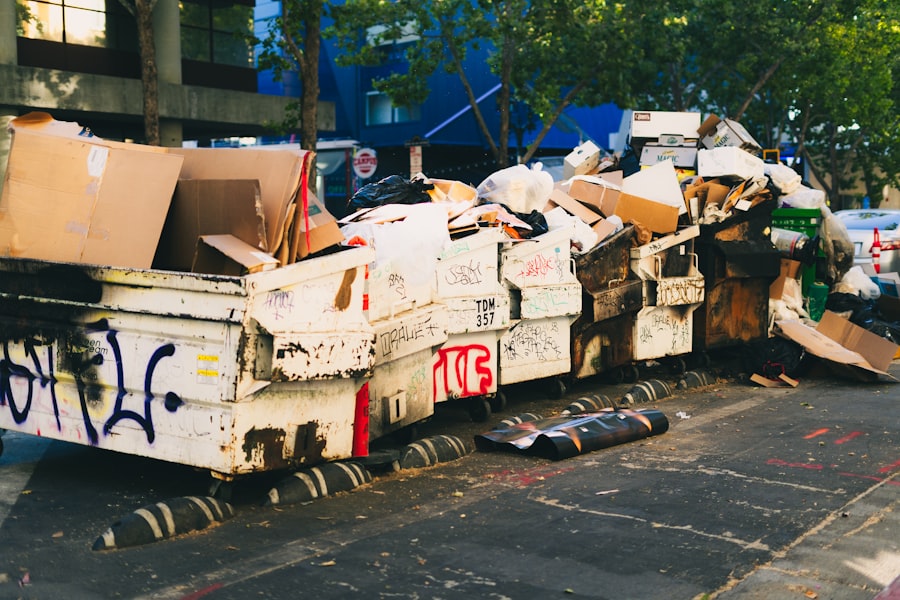
When implemented effectively, an Open Market Ordinance can act as a powerful catalyst for positive change within your commercial waste management landscape. You’re not just rearranging furniture; you’re building a more efficient, responsive, and sustainable operation.
Driving Competition and Cost Savings for Businesses
The most immediate and palpable benefit you’ll observe is increased competition. When businesses have multiple haulers vying for their business, they are more likely to secure competitive pricing. This can translate into significant cost savings that can be reinvested into their core operations, making your local economy more robust. Imagine the price wars that erupt when multiple vendors are selling the same produce at a market – your businesses can benefit from similar dynamics.
Price Negotiation Power for Consumers of Waste Services
With a choice of providers, businesses gain significant leverage in negotiating service contracts. They can shop around, compare quotes, and even negotiate terms beyond just price, such as service guarantees or specialized handling for certain waste streams. You’re empowering them to be discerning consumers.
Encouraging Innovation in Service Offerings
Competition breeds innovation. Waste haulers will be motivated to differentiate themselves by offering specialized services, such as enhanced recycling programs, food waste collection, or container cleaning. They might also invest in newer, more fuel-efficient fleets or technologies that reduce their environmental footprint. This creates a richer tapestry of options for your businesses.
Enhancing Environmental Performance and Diversion Rates
An Open Market Ordinance can be a powerful tool for achieving your municipality’s waste diversion goals. By creating a more dynamic market for recycling and composting services, you can encourage greater participation and more efficient processing.
Incentivizing the Development of Advanced Recycling and Composting Infrastructure
As demand for specialized waste diversion services increases, you’ll likely see investment in more advanced sorting technologies, anaerobic digestion facilities, and composting operations. This can elevate your municipality’s position as a leader in sustainable waste management. This is akin to seeing new and improved methods of food preservation and distribution emerge in a thriving market.
Promoting Waste Reduction and Source Separation
When businesses have more control over their waste management, they are often more inclined to implement waste reduction strategies at the source. This can include better inventory management, employee training on recycling protocols, and the adoption of reusable materials. They have a direct incentive to reduce the volume of waste they generate, potentially lowering their service costs.
Adapting to Evolving Waste Streams and Technologies
The nature of waste is not static. New materials emerge, and technologies for handling them evolve rapidly. An Open Market Ordinance provides the flexibility to adapt to these changes more readily than a rigid, single-contract system.
Facilitating the Adoption of New Waste Processing Technologies
When a new, more efficient, or environmentally sound waste processing technology emerges, a competitive market can adopt it much faster. Service providers will be eager to gain a competitive edge by offering these cutting-edge solutions. You’re allowing the market to be your early adopter and innovator.
Responding to Changes in Material Markets and Recycling Capabilities
The markets for recycled commodities fluctuate. An Open Market Ordinance allows service providers to adapt their operations and seek out the most advantageous markets for materials, further enhancing the viability of recycling programs. This flexibility is crucial in navigating the complex global commodity landscape.
The Mechanics of Implementation: Putting It into Practice

Successfully navigating the transition to an Open Market Ordinance requires a methodical approach, covering regulatory development, stakeholder engagement, and ongoing operational management. You must be the conductor of this orchestra, ensuring every instrument plays its part harmoniously.
Developing the Ordinance: Legal Framework and Policy Design
The ordinance itself is the blueprint for your new system. It must be legally sound, clear in its intent, and comprehensive in its scope. This is where you lay down the foundation stones.
Drafting Clear and Enforceable Regulatory Language
The language of your ordinance must be precise and unambiguous. It should clearly define terms, outline responsibilities, and specify enforcement mechanisms. Avoid jargon where possible and ensure it is accessible to the businesses it will affect.
Incorporating Provisions for Enforcement and Dispute Resolution
You need to anticipate how you will enforce the ordinance and how disputes between businesses, haulers, or the municipality will be resolved. This could include penalty structures for non-compliance, as well as established channels for mediation or arbitration.
Engaging Stakeholders: Building Consensus and Understanding
Your success hinges on the buy-in of various stakeholders. You cannot implement this in a vacuum; you must bring people along with you.
Conducting Public Consultations and Business Outreach Programs
Before finalizing the ordinance, engage in extensive public consultations. Hold meetings, workshops, and informational sessions to explain the proposed changes, address concerns, and solicit feedback from businesses, waste haulers, and residents. This is where you sow the seeds of understanding.
Collaborating with Waste Hauler Industry Representatives
Work closely with existing waste haulers and potential new entrants. Understand their operational challenges, their perspectives on competition, and their capacity to adapt. Their insights are invaluable in shaping a workable ordinance. This is like consulting with the farmers before setting up the market stalls.
Managing the Transition: Phased Implementation and Support
A sudden, abrupt change can be disruptive. A well-managed transition will ease the shift and minimize potential friction.
Implementing a Phased Rollout Strategy
Consider a phased implementation, perhaps starting with a specific sector of businesses or a particular type of waste. This allows you to learn and adapt as you go, refining your processes before broader application.
Providing Resources and Information to Businesses
Equip your businesses with the knowledge and resources they need to navigate the new system. This could include informational guides, workshops on selecting service providers, and templates for reviewing contracts. You are their guide through this new landscape.
Open market ordinances for commercial waste management have become a crucial topic for municipalities aiming to enhance sustainability and reduce costs. These regulations encourage competition among waste service providers, ultimately benefiting businesses and the environment. For further insights on related policies and their implications, you can read a comprehensive article on this subject at this link. Understanding these ordinances can help stakeholders navigate the complexities of waste management in a more efficient manner.
Challenges and Mitigation Strategies: Navigating the Hurdles
| City | Ordinance Name | Year Enacted | Commercial Waste Types Covered | Mandatory Recycling % | Open Market Allowed | Penalties for Non-Compliance | Annual Waste Reduction Target |
|---|---|---|---|---|---|---|---|
| New York | Commercial Waste Open Market Ordinance | 2018 | General, Organic, E-Waste | 50% | Yes | Fines up to 5,000 | 10% |
| Los Angeles | Commercial Waste Management Act | 2020 | General, Construction, Hazardous | 60% | Yes | Fines and Service Suspension | 15% |
| Chicago | Open Market Commercial Waste Ordinance | 2019 | General, Organic | 55% | Yes | Fines up to 3,000 | 12% |
| Houston | Commercial Waste Open Market Policy | 2021 | General, E-Waste, Hazardous | 45% | Yes | Warnings and Fines | 8% |
| San Francisco | Commercial Waste Open Market Ordinance | 2017 | General, Organic, Construction | 65% | Yes | Fines up to 7,500 | 20% |
While the potential benefits are significant, implementing an Open Market Ordinance is not without its challenges. You must anticipate these potential obstacles and develop proactive strategies to overcome them. A wise architect anticipates the strongest winds and designs accordingly.
Potential for Market Concentration and Dominance by Large Players
Despite the intention of competition, there’s a risk that a few large, well-established waste haulers could dominate the market, potentially stifling smaller or newer businesses. This could lead back to a scenario with limited real choice, even if it’s not a formal monopoly.
Implementing Anti-Collusion Measures and Fair Competition Policies
You need to be vigilant against any signs of collusion between service providers. This could involve monitoring pricing trends, investigating any reported anti-competitive practices, and ensuring fair access to the market for all qualified entities.
Encouraging the Growth of Smaller and Specialized Haulers
Consider initiatives that support smaller, local, or specialized waste hauling companies. This could include streamlined licensing processes for these entities or encouraging partnerships between businesses and these smaller providers.
Ensuring Adequate Service Levels and Infrastructure
Without a single, contracted entity, there’s a concern that service levels might become inconsistent, or that the necessary infrastructure for waste processing and disposal might not keep pace with demand.
Establishing Minimum Performance Bonds for Service Providers
Require service providers to post performance bonds, ensuring that they have a financial stake in maintaining agreed-upon service levels. If they fail to meet these standards, the municipality can tap into the bond to rectify the situation.
Investing in or Incentivizing the Development of Publicly Accessible Infrastructure
Work to ensure that there is sufficient public or privately owned infrastructure for recycling, composting, and disposal. This might involve direct municipal investment or offering incentives for private companies to develop such facilities.
Addressing Environmental Compliance and Enforcement Complexities
With numerous independent operators, ensuring consistent environmental compliance and effective enforcement can be more complex than overseeing a single provider.
Developing Robust Inspection and Auditing Protocols
Implement a comprehensive system of inspections and audits to verify that all licensed haulers are adhering to environmental regulations at every stage of the waste management process. This is your eyes and ears on the ground.
Creating a Clear and Accessible Complaint Resolution System
Establish a transparent and efficient system for businesses and residents to report any instances of non-compliance or environmental violations by waste haulers. Prompt and effective resolution of these complaints is crucial for maintaining public trust.
The Long-Term Vision: A Sustainable Waste Ecosystem
Implementing an Open Market Ordinance is not merely a regulatory adjustment; it’s an investment in a more dynamic, responsive, and sustainable long-term waste management ecosystem for your municipality. You’re not just clearing out the clutter; you’re building a more efficient and environmentally conscious system for the future.
Fostering a Culture of Responsibility and Innovation
By empowering businesses and fostering competition, you cultivate a culture where waste management is seen not just as a cost, but as an opportunity for efficiency and environmental stewardship. This proactive mindset is essential for long-term success.
Adapting to Future Challenges and Opportunities
The world of waste management is constantly evolving. An Open Market Ordinance provides the inherent flexibility to adapt to new technologies, changing regulations, and emerging environmental concerns, ensuring your municipality remains at the forefront of best practices. You are building a system that can bend without breaking.
Becoming a Model for Other Municipalities
Through careful planning, effective implementation, and demonstrable success, your municipality can become a beacon, showcasing the benefits of Open Market Ordinances. You can share your lessons learned and inspire other communities to embrace similar progressive approaches to commercial waste management. Your success can be the blueprint for others.
FAQs
What are open market ordinances for commercial waste?
Open market ordinances for commercial waste are local government regulations that allow businesses to choose their own waste collection service providers rather than being restricted to a single, designated hauler. These ordinances promote competition among waste management companies.
How do open market ordinances benefit businesses?
These ordinances provide businesses with the flexibility to select waste haulers that best meet their needs in terms of price, service quality, and sustainability practices. This can lead to cost savings and improved waste management services.
Are open market ordinances mandatory for all cities?
No, open market ordinances are not mandatory and vary by jurisdiction. Some cities adopt these ordinances to encourage competition, while others maintain exclusive contracts with specific waste haulers.
What impact do open market ordinances have on waste haulers?
Open market ordinances increase competition among waste haulers, which can drive innovation and better customer service. However, they may also lead to challenges in coordinating waste collection schedules and maintaining consistent service standards.
Do open market ordinances affect recycling and sustainability efforts?
Yes, by allowing businesses to choose their waste service providers, open market ordinances can encourage haulers to offer enhanced recycling and sustainability programs to attract customers. This can lead to improved environmental outcomes in commercial waste management.