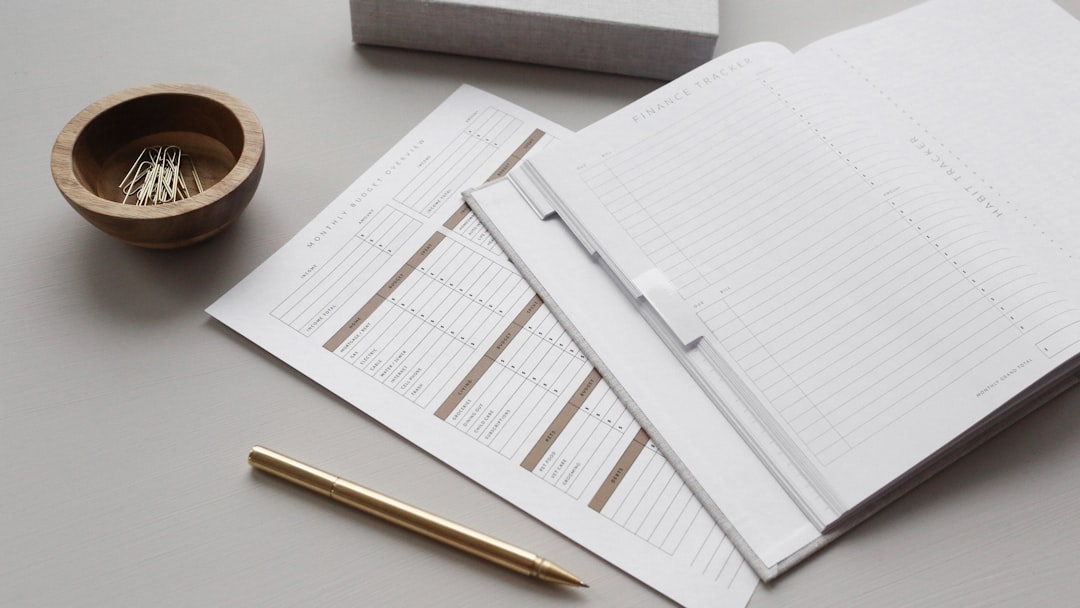
Budget leaks represent small, often unnoticed expenditures that gradually erode personal finances and undermine savings efforts. These incremental expenses accumulate over time, creating a significant drain on financial resources that can prevent individuals from achieving their monetary objectives. Budget leaks occur across multiple categories of spending, ranging from minor daily purchases to recurring subscription services that may go unmonitored.
Common examples include unused gym memberships, forgotten streaming services, frequent small purchases like coffee or snacks, bank fees, and impulse buying. These expenses typically fall below the threshold of conscious spending awareness, making them particularly problematic for budget management. The cumulative impact of budget leaks can be substantial.
For instance, a daily $5 coffee purchase amounts to $1,825 annually, while multiple unused subscriptions can cost hundreds of dollars per year. Research indicates that the average household maintains approximately 3.4 paid subscriptions they rarely or never use, representing a significant source of financial waste. Identifying budget leaks requires systematic expense tracking and regular financial review.
Financial experts recommend the 24-hour rule for discretionary spending and quarterly subscription audits to eliminate unnecessary recurring charges. Addressing budget leaks involves both immediate corrective actions and long-term behavioral changes.
This includes canceling unused services, negotiating better rates for essential services, automating savings to occur before discretionary spending, and establishing clear spending guidelines for different expense categories.
Key Takeaways
- Identifying household budget leaks is crucial for maintaining financial health and preventing unnecessary expenses.
- Common budget leaks often occur in areas like utilities, subscriptions, and impulse purchases.
- Using tools and strategies such as expense tracking and budgeting apps helps pinpoint where money is leaking.
- Open communication among household members plays a key role in recognizing and addressing budget leaks.
- Creating a comprehensive plan and seeking professional advice can effectively control and reduce budget leaks.
Understanding the Importance of Identifying Budget Leaks
Identifying budget leaks is not merely an exercise in accounting; it is a vital practice that can lead to significant improvements in your financial well-being. When you take the time to scrutinize your spending habits, you gain valuable insights into where your money is going and how you can redirect it toward more meaningful goals. By understanding the importance of this process, you empower yourself to make informed decisions about your finances.
Moreover, recognizing budget leaks allows you to cultivate a mindset of financial awareness. You become more attuned to your spending patterns and can identify areas where you may be overspending or making unnecessary purchases. This heightened awareness can lead to better financial habits, ultimately resulting in increased savings and reduced stress related to money management.
In essence, identifying budget leaks is a foundational step toward achieving financial stability and independence.
Common Areas of Budget Leaks in a Household

As you begin to explore the common areas where budget leaks may occur, it’s essential to consider both fixed and variable expenses. Fixed expenses, such as rent or mortgage payments, are often easier to track; however, variable expenses can be more elusive. One common area where budget leaks often arise is in discretionary spending.
This includes dining out, entertainment, and shopping—areas where it’s easy to lose track of how much you’re actually spending. Another significant source of budget leaks can be found in subscription services. You may have signed up for multiple streaming platforms, gym memberships, or magazine subscriptions that you no longer use or need.
These recurring charges can add up quickly and drain your finances without you even realizing it. By taking a closer look at these common areas, you can begin to identify where your money is slipping away and take action to plug those leaks.
The Impact of Budget Leaks on Financial Health
The impact of budget leaks on your financial health can be profound. Even small amounts that seem insignificant at first can accumulate over time, leading to substantial losses in your overall budget.
This accumulation of seemingly minor expenses can hinder your ability to reach financial milestones such as saving for a home, retirement, or even an emergency fund. Additionally, budget leaks can create a cycle of financial stress. When you’re unaware of where your money is going, it becomes challenging to manage your finances effectively.
This lack of clarity can lead to anxiety about bills and payments, making it difficult for you to focus on long-term financial goals. By addressing these leaks head-on, you not only improve your current financial situation but also pave the way for a more secure future.
Tools and Strategies for Identifying Budget Leaks
| Category | Monthly Budgeted Amount | Actual Monthly Spending | Leak Amount | Leak Percentage | Leak Analysis Notes |
|---|---|---|---|---|---|
| Groceries | 500 | 600 | 100 | 20% | Impulse purchases and eating out increased costs |
| Utilities | 200 | 220 | 20 | 10% | Higher electricity usage during winter |
| Transportation | 150 | 180 | 30 | 20% | Extra trips and fuel price increase |
| Entertainment | 100 | 150 | 50 | 50% | Unplanned events and subscriptions |
| Dining Out | 120 | 180 | 60 | 50% | Frequent dining out and takeaways |
| Miscellaneous | 80 | 100 | 20 | 25% | Untracked small expenses |
| Total | 1150 | 1430 | 280 | 24.35% |
To effectively identify budget leaks, you can utilize various tools and strategies designed to enhance your financial awareness. One popular method is using budgeting apps that allow you to track your spending in real-time. These apps categorize your expenses and provide insights into where your money is going, making it easier for you to spot potential leaks.
By regularly reviewing this data, you can make informed decisions about where to cut back. Another effective strategy is maintaining a detailed expense journal. By writing down every purchase you make for a month, you create a comprehensive overview of your spending habits.
This practice not only helps you identify leaks but also encourages mindfulness in your purchasing decisions. As you analyze your journal entries, you may discover patterns in your spending that warrant further examination and adjustment.
Analyzing and Tracking Household Expenses
Once you’ve identified potential budget leaks, the next step is analyzing and tracking your household expenses more closely. This process involves categorizing your expenses into fixed and variable costs and assessing how each category aligns with your overall financial goals. By breaking down your spending into manageable segments, you gain clarity on which areas require immediate attention.
Tracking household expenses can also involve setting specific spending limits for each category. For example, if you notice that dining out is a significant leak in your budget, consider setting a monthly limit for restaurant expenses. This approach not only helps curb overspending but also encourages you to seek out more cost-effective alternatives, such as cooking at home or exploring free community events for entertainment.
Tips for Preventing and Addressing Budget Leaks
Preventing and addressing budget leaks requires a proactive approach to managing your finances. One effective tip is to establish a monthly review process where you assess your spending against your budget. During this review, take note of any unexpected expenses or areas where you’ve exceeded your limits.
By regularly monitoring your finances, you can catch potential leaks before they become significant issues. Another helpful strategy is to create a “no-spend” challenge for yourself or your household. This challenge involves committing to a specific period—such as a week or month—where you refrain from non-essential purchases.
This practice not only helps you identify areas where you may be overspending but also fosters a sense of discipline and mindfulness regarding your finances.
The Role of Communication in Identifying Budget Leaks
Communication plays a vital role in identifying and addressing budget leaks within a household. If you share financial responsibilities with a partner or family members, open discussions about spending habits are essential for creating a unified approach to budgeting. By sharing insights into each other’s spending patterns, you can collectively identify potential leaks and work together to address them.
Moreover, fostering an environment of transparency regarding finances can lead to better decision-making as a household. When everyone is on the same page about financial goals and challenges, it becomes easier to hold each other accountable for sticking to the budget. This collaborative effort not only strengthens relationships but also enhances overall financial health.
Seeking Professional Help for Budget Leak Identification
If you’re struggling to identify budget leaks on your own or feel overwhelmed by the process, seeking professional help may be beneficial. Financial advisors or budgeting coaches can provide valuable insights tailored to your unique situation. They can help you analyze your spending habits and develop strategies for addressing any leaks effectively.
Additionally, professionals often have access to tools and resources that can simplify the budgeting process for you. They can assist in creating a comprehensive financial plan that aligns with your goals while ensuring that potential leaks are addressed proactively. Investing in professional guidance may seem like an additional expense initially; however, it can lead to significant long-term savings by helping you regain control over your finances.
Creating a Comprehensive Budget Leak Identification Plan
To effectively manage budget leaks, creating a comprehensive identification plan is essential. Start by setting clear financial goals that outline what you want to achieve in both the short and long term. Next, develop a detailed budget that accounts for all income sources and expenses while allowing room for savings and discretionary spending.
Once your budget is established, implement regular check-ins—whether weekly or monthly—to review your spending against this plan. During these check-ins, assess any areas where you’ve encountered unexpected expenses or overspending. Adjust your budget as necessary based on these findings and continue refining your approach until you’ve successfully plugged those budget leaks.
Taking Control of Household Finances through Budget Leak Identification
In conclusion, taking control of household finances begins with identifying and addressing budget leaks effectively. By understanding the importance of this process and utilizing various tools and strategies at your disposal, you empower yourself to make informed decisions about your money. Whether through tracking expenses meticulously or engaging in open communication with family members about finances, every step taken toward identifying these leaks contributes to improved financial health.
Ultimately, recognizing that even small expenditures can have significant impacts on your overall budget will help foster a mindset of financial awareness and responsibility. As you implement the strategies discussed in this article, you’ll find yourself better equipped to manage your finances effectively and work toward achieving your long-term financial goals with confidence.
For those interested in understanding household budget leak analysis, a related article that provides valuable insights is available at this link. This resource delves into common pitfalls in budgeting and offers practical tips to help individuals identify and address areas where their finances may be leaking, ultimately leading to better financial management and savings.
WATCH THIS! 💰 STOP Apps Are Stealing $1,000 From You Every Year—Here’s Proof & The 30-Day Fix
FAQs
What is a household budget leak?
A household budget leak refers to unnecessary or untracked expenses that cause money to be spent without clear awareness, leading to a shortfall in the planned budget.
Why is it important to analyze household budget leaks?
Analyzing budget leaks helps identify areas where money is being wasted or overspent, allowing for better financial control, improved savings, and more effective allocation of resources.
How can I identify leaks in my household budget?
You can identify leaks by tracking all expenses meticulously, reviewing bank and credit card statements, categorizing spending, and comparing actual expenses against your budgeted amounts.
What tools can assist in household budget leak analysis?
Tools such as budgeting apps, spreadsheets, financial software, and expense tracking apps can help monitor spending patterns and highlight areas of leakage.
How often should I perform a household budget leak analysis?
It is recommended to review your household budget and analyze leaks monthly or quarterly to maintain financial discipline and adjust spending habits as needed.
What are common causes of household budget leaks?
Common causes include impulse purchases, subscription services that are no longer used, unplanned dining out, utility wastage, and failure to track small daily expenses.
Can analyzing budget leaks help in debt reduction?
Yes, by identifying and eliminating unnecessary expenses, more funds become available to pay down debts faster and improve overall financial health.
Is it necessary to involve the whole household in budget leak analysis?
Involving all household members can improve transparency, encourage shared responsibility, and help identify leaks that might be overlooked by a single person.
What steps should I take after identifying a budget leak?
After identifying leaks, prioritize which expenses to reduce or eliminate, set realistic spending limits, and adjust your budget accordingly to prevent future leaks.
Can budget leak analysis improve long-term financial planning?
Yes, understanding spending patterns and eliminating leaks contributes to more accurate budgeting, better savings, and more effective long-term financial planning.