
You’ve likely noticed the subtle shifts in your local grocery aisles over the past decade. Perhaps a familiar name disappeared, replaced by a slightly different, yet oddly similar, banner. Or perhaps you’ve seen a burgeoning independent store suddenly acquire a competitor, expanding its footprint. These aren’t mere coincidences or organic market trends; they are often the visible ripples of a much larger, and frequently opaque, financial current: private equity’s involvement in grocery chain consolidation. This article will guide you through the intricate landscape of private equity’s influence on the grocery sector, explaining its mechanisms and potential consequences for you, the consumer.
To understand why private equity firms have set their sights on grocery chains, you must first grasp their fundamental business model. Private equity, as a rule, seeks out companies that are undervalued, underperforming, or ripe for operational improvements. They acquire these companies, typically with a significant portion of borrowed money (known as leveraged buyouts), implement changes to boost profitability, and then sell them off, usually within three to seven years, at a substantial return. The grocery sector, with its steady cash flow and essential nature, has proven to be an attractive target. Learn how to maximize your 401k retirement savings with this comprehensive guide.
Stable Revenue Streams
Grocery stores, unlike many other retail sectors, offer a relatively recession-proof business model. People need to eat, regardless of economic conditions. This fundamental truth provides a consistent, predictable revenue stream that appeals to private equity investors seeking stable returns. You, as a consumer, are a constant source of this revenue.
Fragmented Market Opportunity
Historically, the grocery market has been somewhat fragmented, with numerous regional players alongside national giants. This fragmentation presents an opportunity for private equity to acquire multiple smaller chains and consolidate them, achieving economies of scale and increasing market power. Imagine a patchwork quilt of individual stores; private equity sees the potential to stitch them together into a larger, more uniform blanket.
The ongoing trend of grocery chain consolidation and the increasing influence of private equity ownership in the sector have significant implications for consumers and the market as a whole. For a deeper understanding of how these dynamics are shaping the grocery landscape, you can explore a related article that discusses the impact of private equity on retail strategies and consumer choices. To read more, visit this article.
The Mechanisms of Consolidation
Once a private equity firm identifies a suitable target, the consolidation process typically begins. This isn’t a simple merger of equals; it’s a strategic acquisition driven by financial engineering and operational restructuring.
Leveraged Buyouts (LBOs)
The most common method for private equity firms to acquire grocery chains is through leveraged buyouts. You might envision a firm buying a company outright with its own capital; however, an LBO involves using a considerable amount of borrowed money, often collateralized by the assets of the acquired company itself. This debt, in essence, is transferred to the grocery chain, burdening it with significant interest payments.
Debt Loading and Financial Restructuring
After an LBO, the acquired grocery chain often finds itself laden with substantial debt. This debt can be a double-edged sword: it boosts the private equity firm’s potential returns if the investment goes well, but it also places immense pressure on the grocery chain to generate profits to service that debt. You, the consumer, may experience the fallout of this pressure through price changes or reduced service.
Operational Synergies and Cost Cutting
A key promise of private equity consolidation is the realization of “synergies.” This often translates to combining back-office functions, centralizing purchasing, and streamlining supply chains. While these efficiencies can genuinely reduce costs, they frequently come at a price.
Workforce Reductions
One of the most immediate and impactful consequences of consolidation and the pursuit of synergies is workforce reductions. Duplicative roles are eliminated, and processes are automated, leading to layoffs. You might notice fewer employees on the floor, longer lines, or a reduced level of personalized service as a result.
Vendor Renegotiations
Private equity firms are adept at leveraging increased scale to renegotiate terms with vendors. By buying in larger volumes for a consolidated entity, they can demand lower prices from suppliers. While this could theoretically lead to lower prices for you, it often translates into higher profit margins for the private equity firm and the grocery chain, and sometimes pushes smaller, local suppliers out of the market.
Consequences for the Consumer
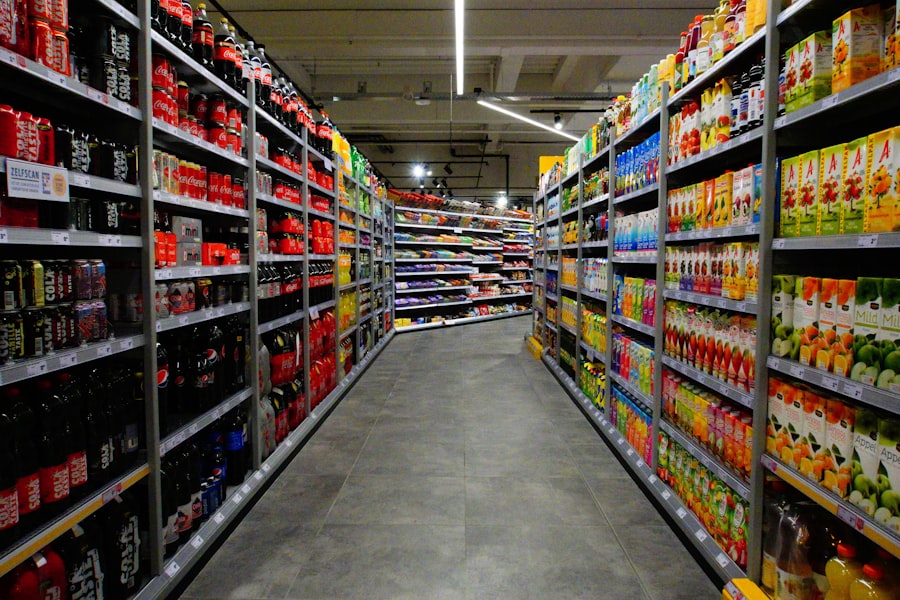
The ripple effect of private equity’s influence extends far beyond the boardroom, eventually touching your wallet and your shopping experience.
Price Impacts
The primary concern for many consumers is the impact on prices. While private equity aims to maximize profits, the relationship between consolidation and consumer prices is complex and not always straightforward.
Potential for Increased Prices
In areas with less competition following consolidation, grocery chains may gain greater pricing power. Without strong alternatives, you might find prices creeping upwards. Imagine a desert oasis; if there’s only one source of water, the provider dictates the price.
Initial Price Reductions (Short-lived)
Sometimes, private equity-backed chains may initially offer competitive prices or even discounts to gain market share or to rapidly liquidate old inventory. However, these are often temporary measures, a strategic move to establish dominance rather than a sustainable long-term pricing model.
Product Selection and Quality
Consolidation often leads to a harmonization of product offerings across different banners. While this can simplify supply chains, it can also limit your choices.
Reduced Local and Specialty Offerings
Smaller, independent grocery stores often pride themselves on offering a curated selection of local and specialty products. When these stores are absorbed into larger chains, these unique offerings may be replaced by more standardized, nationally branded items. You might find your favorite local jam or artisanal bread disappearing from the shelves.
Emphasis on Private Label Brands
To further boost profit margins, consolidated grocery chains often increase their emphasis on private label (store brand) products. While these can offer value, they also limit the variety of national brands available to you.
Employee Morale and Service Quality
The changes brought about by private equity ownership can significantly impact employees, and by extension, your shopping experience.
Reduced Benefits and Wages
To reduce costs, private equity firms may cut employee benefits, reduce wages, or demand more output from fewer staff. This can lead to decreased morale and a higher turnover rate. You might notice less engaged staff, or a general decline in the quality of customer service.
Impact on Store Atmosphere
A store with high employee morale often has a more welcoming and efficient atmosphere. Conversely, a stressed and understaffed environment can make your shopping experience less pleasant. Imagine the difference between a thriving garden and a neglected patch; the care put in is evident.
Long-Term Outlook and Exit Strategies

Private equity investments are not indefinite; they are designed to be temporary. Firms aim to exit their investments within a defined timeframe, typically by selling the consolidated entity.
Initial Public Offerings (IPOs)
One common exit strategy is an Initial Public Offering (IPO), where the consolidated grocery chain is sold to the public on a stock exchange. This allows the private equity firm to cash out its investment.
Sale to Another Private Equity Firm or Strategic Buyer
Alternatively, the firm might sell the grocery chain to another private equity firm seeking its next investment, or to a larger, strategic buyer (another established grocery chain).
The Cycle Continues
The sale of a private equity-backed grocery chain often initiates a new cycle of consolidation and restructuring, perpetuating the influence of private equity in the sector. You, as a consumer, remain a consistent factor in this ongoing financial game.
The recent trend of grocery chain consolidation has raised significant concerns about the implications of private equity ownership on local communities and food accessibility. As larger firms acquire smaller chains, questions arise regarding the impact on pricing, product variety, and employee treatment. For a deeper understanding of these dynamics, you can explore a related article that discusses the effects of such ownership structures on the grocery industry. To learn more about this topic, visit this insightful article.
Regulatory Scrutiny and Future Implications
| Metric | Description | Value/Example | Source/Year |
|---|---|---|---|
| Number of Grocery Chains Owned by PE Firms | Total grocery chains under private equity ownership in the US | 15 | Industry Report, 2023 |
| Average Consolidation Rate | Annual percentage of grocery chains consolidated through PE acquisitions | 8% | Market Analysis, 2022 |
| PE Ownership Market Share | Percentage of grocery retail market controlled by PE-owned chains | 22% | Retail Data, 2023 |
| Average EBITDA Multiple Paid | Average earnings multiple paid by PE firms for grocery chains | 11.5x | Financial Review, 2023 |
| Average Holding Period | Average duration PE firms hold grocery chains before exit | 5 years | Private Equity Journal, 2022 |
| Revenue Growth Post-Consolidation | Average annual revenue growth rate after PE consolidation | 6.8% | Industry Benchmark, 2023 |
| Cost Synergies Achieved | Average percentage reduction in operating costs post-consolidation | 12% | Consulting Report, 2023 |
The increasing dominance of private equity in various sectors, including groceries, has not gone unnoticed by regulators. Concerns about market concentration, consumer welfare, and labor practices are growing.
Antitrust Concerns
Regulators are increasingly scrutinizing consolidation deals for potential antitrust violations. The worry is that fewer, larger players in the grocery market could lead to reduced competition, higher prices, and less innovation, ultimately harming you.
Labor Protections
There’s also a growing focus on the impact of private equity on labor. Calls for stronger protections for workers, particularly regarding wages, benefits, and job security, are becoming more vocal.
The Role of Informed Consumers
As a consumer, your awareness of these dynamics is crucial. Understanding the forces at play in the grocery market allows you to make more informed choices about where you shop and to advocate for policies that protect your interests. You are not a passive recipient of these changes; your choices and voices hold weight.
In conclusion, private equity’s entry into the grocery sector is a multifaceted phenomenon driven by predictable revenue, market fragmentation, and the pursuit of operational efficiencies. While it can introduce innovative practices and streamline operations, it also carries potential risks for consumers, including price increases, reduced product variety, and diminished service quality. You are at the heart of this ecosystem, and by understanding its intricacies, you gain a stronger position to navigate the evolving landscape of your local grocery store.
WATCH THIS 🛑 SHOCKING: Your 401(k) Is Cutting Your Raise (Here’s Proof)
FAQs
What is grocery chain consolidation?
Grocery chain consolidation refers to the process where multiple grocery store companies merge or are acquired, resulting in fewer, larger entities dominating the market. This can lead to increased market share and operational efficiencies for the consolidated companies.
How does private equity ownership impact grocery chains?
Private equity ownership involves investment firms purchasing grocery chains, often with the goal of improving profitability and eventually selling the business for a return. This can lead to changes in management, cost-cutting measures, and strategic shifts aimed at increasing the value of the grocery chain.
Why are grocery chains attractive to private equity firms?
Grocery chains are attractive to private equity firms because they generate steady cash flow, have strong brand recognition, and operate in an essential industry with consistent consumer demand. Additionally, there are opportunities to improve operational efficiency and expand market reach.
What are the potential benefits of grocery chain consolidation?
Benefits of consolidation can include economies of scale, improved supply chain management, enhanced purchasing power, and the ability to invest in technology and store improvements. These factors can lead to lower prices and better service for consumers.
What are some concerns related to grocery chain consolidation and private equity ownership?
Concerns include reduced competition, which may lead to higher prices for consumers, potential job losses due to cost-cutting, and a focus on short-term profits over long-term community and employee welfare. Private equity ownership may also prioritize financial returns over customer experience.
How does consolidation affect consumers?
Consolidation can lead to fewer grocery store options in certain areas, potentially reducing competition. While it may result in lower prices due to efficiencies, it can also limit product variety and local store responsiveness.
Are there regulatory considerations in grocery chain consolidation?
Yes, regulatory bodies such as the Federal Trade Commission (FTC) in the United States review mergers and acquisitions to prevent monopolistic practices and ensure competitive markets. Large consolidations may be subject to antitrust investigations and conditions.
Can private equity ownership lead to changes in grocery store operations?
Yes, private equity owners often implement operational changes to improve profitability. This can include restructuring management, optimizing supply chains, closing underperforming stores, and investing in technology or marketing.
What is the difference between private equity ownership and traditional corporate ownership in grocery chains?
Traditional corporate ownership typically involves publicly traded companies or family-owned businesses focused on long-term growth. Private equity ownership is usually more focused on short- to medium-term financial returns, often involving leveraged buyouts and eventual resale of the business.
How has grocery chain consolidation evolved in recent years?
In recent years, grocery chain consolidation has accelerated due to competitive pressures, the rise of e-commerce, and changing consumer preferences. Private equity firms have increasingly invested in grocery chains, contributing to a wave of mergers and acquisitions in the sector.