Garbage Collection Yields: A Household Comparison
You stand at your curb, the plastic bin a silent sentinel, waiting for the rumble of the sanitation truck. You’ve tossed in the remnants of your week – the pizza box, the coffee grounds, the plastic wrappers that once encased fleeting pleasures. But have you ever truly considered what this weekly ritual yields? Beyond the removal of unsightly debris, your garbage bin is a treasure trove, a micro-ecosystem of consumption, and a surprisingly potent indicator of your household’s habits. This article aims to provide a factual comparison of typical garbage collection yields, allowing you to peer into your own bin with a more discerning eye.
The contents of your garbage bin are not random; they are a narrative woven from your daily decisions, your purchasing patterns, and your household’s unique rhythm. You might think of it as mere refuse, but it’s a physical manifestation of your life’s footprint.
The Dominant Debris: What Fills Your Bin Most?
When you peek into your bin, what catches your eye first? For many households, the bulk of the waste falls into distinct categories. You’ll likely find a significant accumulation of food scraps – the uneaten portions of meals, the vegetable peels, the coffee grounds that fuel your mornings. This category, often termed “organic waste,” forms the backbone of much household refuse. Beyond edibles, you’ll encounter packaging materials. This is where the story of your consumption truly begins to unfold. Think of the cardboard boxes that arrive almost daily, the plastic containers that housed your groceries, and the array of film plastics that wrap everything from bread to electronics.
Organic Waste: The Biodegradable Burden
You might be surprised by the sheer volume of food waste you generate. Consider the banana peels, the eggshells, the wilted salad greens. These items, though seemingly insignificant individually, aggregate into a substantial portion of your weekly discard. It’s a testament to how much we purchase and subsequently don’t consume, or simply discard as a byproduct of preparation.
Packaging Predominance: The Echo of Commerce
The shelves of supermarkets are a symphony of packaging. From the humble paper bag to the multi-layered plastic pouches, commerce relies heavily on wrapping its wares. You, as the consumer, are left to manage this aftermath. The cardboard from online orders, the plastic tubs from yogurt, the foil wrappers from snacks – these are the tangible echoes of your shopping trips, accumulating in your bin with a silent insistence.
The Unseen Contributors: Smaller Yet Significant Items
Beyond the obvious bulk, your bin harbors a multitude of smaller items that, collectively, contribute significantly to its yield. These are the often-overlooked components that, when tallied, paint a more complete picture of your household’s impact.
Paper Products: Beyond the Newspaper
While newspapers might be a relic of a bygone era for some, other paper products are ubiquitous. You’ll find paper towels, tissues, napkins, and yes, often, discarded mail and junk mail. While some of this might be recyclable, it often ends up mixed with general waste, adding to the volume.
Plastics: A Spectrum of Single-Use
The variety of plastics you encounter can be staggering. From rigid containers and bottles to flexible films and bags, these materials are designed for convenience but persist in the environment for centuries. You might find plastic cutlery, straws, single-use condiment packets, and the myriad of small plastic components that are part of everyday objects.
In recent discussions about waste management, understanding the garbage collection yield per household has become increasingly important. A related article that delves into the financial implications of waste disposal and strategies for improvement can be found at How Wealth Grows. This resource provides valuable insights into how households can optimize their waste management practices while also considering the economic aspects of garbage collection.
Quantifying the Yield: A Comparative Look
To truly understand the implications of your garbage collection, it’s helpful to consider the typical yields of different household types. These are not rigid classifications but rather general archetypes that can help you orient yourself.
The Solo Dweller: The Minimalist’s Mountain
A single individual often generates the smallest volume of household waste. Your consumption patterns are, by necessity, more contained. However, this doesn’t mean there’s no significant waste.
Food Footprint: The Single Serving Struggle
While your total food waste might be less, the proportion of spoiled food can sometimes be higher for individuals. The challenge of buying in appropriate quantities for one can lead to more items reaching the bin before being consumed. The single-use packaging of convenience foods also plays a role.
Packaging Peaks: The Online Shopper’s Delight (and Dilemma)
Even a solo dweller can generate substantial packaging waste, especially if they are frequent online shoppers. The ubiquitous cardboard boxes, bubble wrap, and packing peanuts can quickly fill a bin, even with minimal other refuse.
The Couple’s Cart: Shared Sustenance, Shared Waste
A household of two often sees an increase in waste, particularly organic waste, as the volume of food consumed rises. However, there’s also an opportunity for more efficient purchasing and preparation.
Shared Meals, Shared Scraps: The Two-Person Equation
With more mouths to feed, the volume of food scraps naturally increases. However, couples may also coordinate grocery shopping, potentially leading to less food spoilage if meals are planned effectively. The packaging associated with larger grocery purchases is also more common.
Packaging Parity: Two Sets of Habits
The packaging generated by a couple can be similar to that of a solo dweller, albeit on a larger scale. If both individuals have habits of purchasing items with significant packaging, the total volume can escalate.
The Family Foundry: The Epicenter of Excess
A family, especially one with children, typically generates the largest volume of household waste. The demands of feeding, clothing, and entertaining a family lead to a constant influx of discarded materials.
Food Frenzy: The Growing Garbage Gut
Children’s appetites and preferences can lead to significant food waste. Leftovers from picky eaters, snacks that go uneaten, and the sheer volume of groceries required to feed a family contribute to a substantial organic waste stream. Birthday parties, with their array of packaged treats and disposable decorations, are also a notable contributor.
Packaging Paradox: The Convenience Conundrum
Families often rely on convenience, which frequently translates to more packaging. Single-serving snack packs, pre-prepared meals, and the constant need for everyday essentials can result in an avalanche of plastic containers, wrappers, and cardboard boxes. School lunches, too, can be a significant source of plastic waste from sandwich bags, juice boxes, and single-use cutlery.
Beyond the Bin: The Bigger Picture of Waste
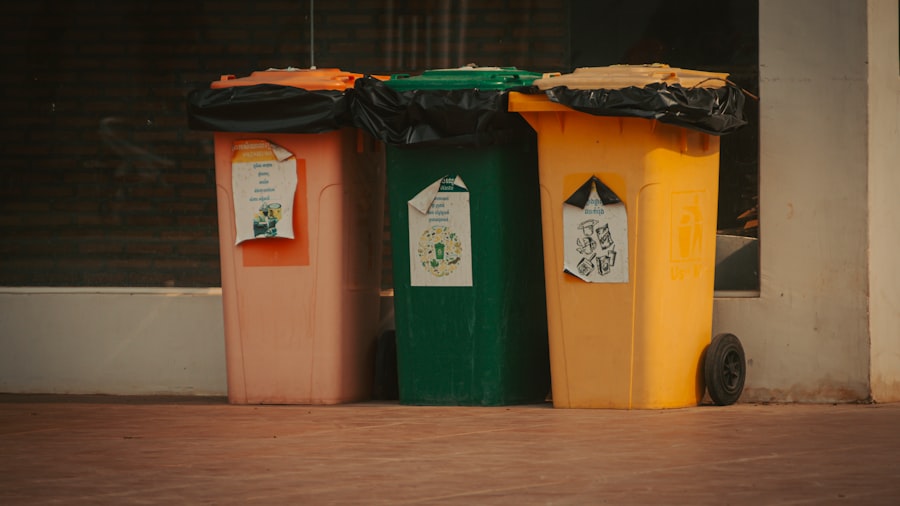
Your garbage bin is not an isolated entity; it’s a small cog in a vast planetary machine. Understanding what you discard allows you to grasp the broader implications.
The Landfill Legacy: Where Does It All Go?
The primary destination for your unsorted garbage is often a landfill. These engineered sites are designed to contain waste, but they are not without their environmental consequences. You might envision them as vast pits, but they are complex systems designed to minimize immediate environmental impact.
Decomposing Dilemmas: The Slow Decay
Organic waste in landfills decomposes anaerobically, meaning without oxygen. This process releases methane, a potent greenhouse gas that contributes to climate change. You can think of it as a slow, foul-smelling cocktail being brewed underground.
Resource Depletion: The Lost Potential
What you discard is often composed of valuable resources that could be repurposed. The metals in cans, the fibers in paper, and certain types of plastics can all be given a second life. When these materials are buried, their potential is lost, and new resources must be extracted to create replacements, often with greater environmental cost.
The Recycling Revolution: A Counterbalance to Waste
While not all household waste is recyclable, a significant portion is. Your choices regarding sorting and rinsing can have a profound impact on the effectiveness of recycling programs.
The Circular Economy: Closing the Loop
Recycling aims to create a circular economy, where materials are continuously reused, reducing the need for virgin resources. When you properly sort your recyclables, you are contributing to this loop, ensuring that materials like aluminum, glass, and certain plastics can be transformed into new products.
Contamination Concerns: The Bin’s Bugbears
Unfortunately, contamination is a major hurdle for recycling. Food residue on recyclable containers, non-recyclable items mixed in with recyclables, and improper sorting can render entire batches of recyclables unusable. You are the guardian of the recycling stream; your vigilance prevents contamination.
Your Household’s Eco-Footprint: A Personal Audit
Armed with this knowledge, you can begin to conduct a personal audit of your own household’s garbage collection yields. This is not about judgment, but about illumination.
The Trash Tally: A Week in Review
For one week, you could meticulously track what goes into your garbage bin. Categorize items as you discard them – food scraps, plastic packaging, paper products, etc. You might find yourself surprised by the sheer volume of items you toss without a second thought.
Identifying Hotspots: Where Does the Most Waste Originate?
Once you have your tally, analyze it. Are you generating an excessive amount of food waste? Is packaging from online orders overwhelming your bin? Identifying these “hotspots” is the first step toward targeted reduction.
Benchmarking Your Bin: How Do You Compare?
While precise comparisons are difficult due to varying lifestyles and local waste management practices, you can use the general archetypes presented here as a loose benchmark. Are you significantly exceeding the typical yields for your household size?
Understanding the factors that influence garbage collection yield per household is crucial for effective waste management strategies. A related article discusses various methods to enhance recycling efforts and reduce landfill waste, which can significantly impact the overall yield. For more insights on this topic, you can read the article here: enhancing recycling efforts. By implementing these strategies, communities can improve their waste management systems and promote a more sustainable environment.
Strategies for Reduction: Taming the Trash Tide
| City | Average Garbage Collection Yield per Household (kg/month) | Recycling Rate (%) | Organic Waste Collected (kg/month) | Non-Recyclable Waste (kg/month) |
|---|---|---|---|---|
| New York | 30 | 35 | 10 | 20 |
| Los Angeles | 28 | 40 | 12 | 16 |
| Chicago | 25 | 30 | 8 | 17 |
| Houston | 27 | 25 | 9 | 18 |
| Phoenix | 22 | 20 | 7 | 15 |
Understanding your garbage collection yields is only the first step. The next, and arguably more important, step is to actively work towards reducing them.
Conscious Consumption: The Power of Prudence
The most effective way to reduce waste is to consume less. This means being more mindful of your purchases, opting for products with minimal packaging, and avoiding impulse buys. You are the gatekeeper of what enters your home.
Bulk Buying Benefits: Less Plastic, More Product
When feasible, consider buying items in bulk. This often reduces the amount of packaging per unit and can be more cost-effective in the long run. Your commitment to purchasing larger quantities can significantly shrink your packaging footprint.
Reusable Revolution: The Everyday Arsenal
Embrace reusable alternatives wherever possible. Shopping bags, water bottles, coffee cups, and food containers can drastically cut down on single-use items. These are not just trendy accessories; they are practical tools for waste reduction.
Composting Contributions: Turning Scraps into Soil
Divert your organic waste from landfills by composting. This practice not only reduces landfill burden but also creates valuable nutrient-rich compost for your garden or houseplants. You can transform what was once considered garbage into fertile ground.
Backyard Bounty: The Home Composting Hub
If you have outdoor space, a backyard compost bin can be an excellent way to manage food scraps and yard waste. It’s a tangible way to give back to the earth.
Indoor Innovations: The Countertop Converter
Even without a yard, countertop compost bins and vermicomposting (worm composting) are viable options for managing smaller amounts of organic waste.
Advocate for Change: Your Voice Matters
Beyond your own household, you can advocate for broader waste reduction initiatives. Support businesses that prioritize sustainability, engage with local officials about waste management policies, and educate others about the importance of reducing their garbage collection yields. You are a part of a larger community, and your actions can ripple outwards.
FAQs
What is garbage collection yield per household?
Garbage collection yield per household refers to the average amount of waste collected from each household within a specific area over a given period. It is typically measured in kilograms or pounds and helps in assessing waste generation and management efficiency.
Why is measuring garbage collection yield per household important?
Measuring garbage collection yield per household is important for planning and optimizing waste management services. It helps municipalities understand waste generation patterns, allocate resources effectively, and develop strategies to reduce waste and promote recycling.
How is garbage collection yield per household calculated?
Garbage collection yield per household is calculated by dividing the total amount of waste collected in a specific area by the number of households served during the same period. For example, if 1,000 kilograms of waste are collected from 100 households in a week, the yield is 10 kilograms per household per week.
What factors can affect garbage collection yield per household?
Several factors can influence garbage collection yield per household, including household size, consumption habits, local waste management policies, availability of recycling programs, and seasonal variations. Economic status and community awareness about waste reduction also play significant roles.
How can households reduce their garbage collection yield?
Households can reduce their garbage collection yield by practicing waste reduction techniques such as recycling, composting organic waste, reusing items, and minimizing single-use products. Educating family members about responsible consumption and proper waste segregation also contributes to lowering the amount of waste generated.