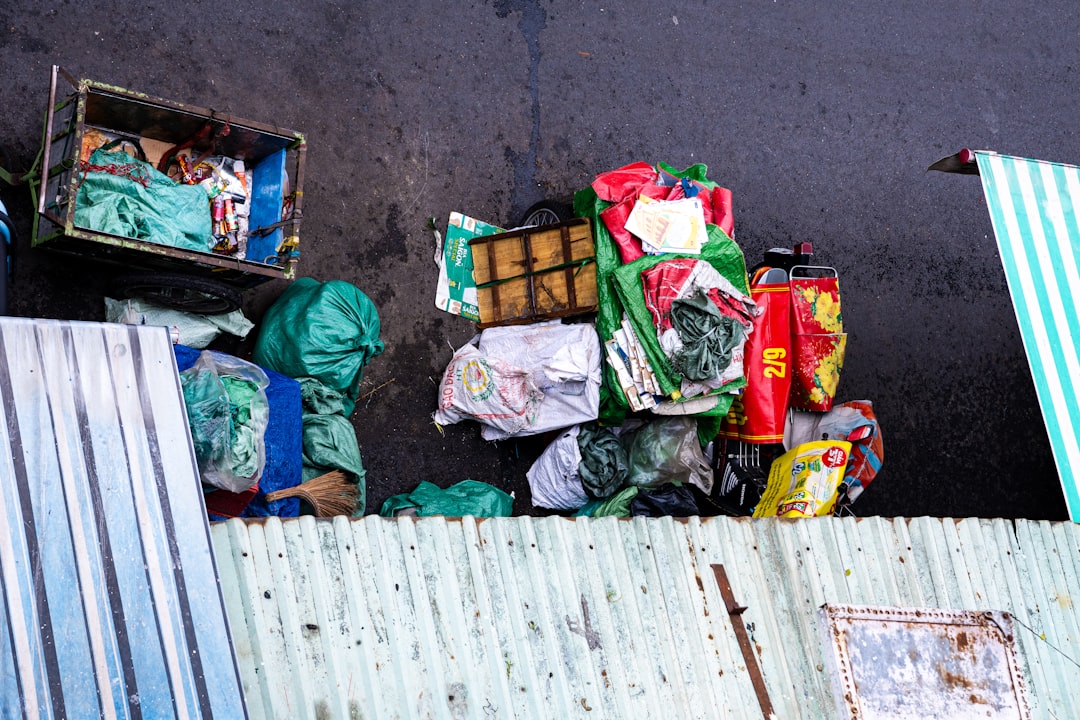
You stand at the precipice of a paradigm shift, a fundamental reevaluation of what constitutes value. For generations, waste has been a silent, often unpleasant, byproduct of your endeavors, relegated to landfills or incinerators, a symbol of consumption and environmental burden. However, the winds of change are blowing, and a new narrative is unfolding: the rise of trash as a financial asset. This transformation is not a distant dream but a burgeoning reality, driven by innovation, necessity, and a growing awareness of the planet’s finite resources. The discarded remnants of your daily life, once deemed worthless, are now being mined for their intrinsic material and energy potential, unlocking significant economic opportunities.
Beyond the Bin: Reimagining Discarded Materials
You’ve been conditioned to view objects as having a singular lifespan, moving from purchase to use to disposal. This linear model, inherent in much of your economic activity, is no longer sustainable. The concept of “waste” itself is becoming obsolete. What you once cast aside is increasingly being recognized as a valuable resource, a raw material waiting for its second, third, or even fourth act. Think of your discarded plastic bottles not as litter but as a potential source of fibers for new clothing or building materials. Consider your food scraps not as refuse but as feedstock for biogas production. This shift in perspective is the bedrock upon which the “trash as an asset” movement is built. It requires a deliberate unlearning of deeply ingrained perceptions.
The Circular Economy: A Framework for Resourcefulness
The circular economy is the overarching philosophy guiding this transformation. Unlike the traditional “take-make-dispose” model, a circular economy aims to keep resources in use for as long as possible, extracting maximum value from them while in use, then recovering and regenerating products and materials at the end of each service life. This is achieved through various strategies, including product design for durability and recyclability, repair and refurbishment services, and advanced recycling technologies. Your role in this framework is not just as a consumer but as a participant in a fluid system of resource management.
From Landfill to Laboratory: The Emergence of Valorization Technologies
The innovation that underpins this shift is crucial. Landfills, once the final resting place for your discarded items, are slowly transitioning into sophisticated resource recovery facilities. Advanced sorting technologies, chemical recycling processes, and energy-from-waste systems are transforming mixed waste streams into valuable commodities. These technologies act as alchemical engines, transmuting the mundane into the marketable. They are the silent workhorses that enable the economic viability of “trash” as an asset.
In recent years, the transformation of waste into a financial product has garnered significant attention, highlighting the innovative ways in which society is addressing environmental challenges. A related article that delves deeper into this intriguing topic can be found at How Trash Became a Financial Product. This piece explores the mechanisms through which discarded materials are being repurposed into valuable assets, shedding light on the intersection of finance, sustainability, and waste management.
The Untapped Potential of Municipal Solid Waste (MSW)
Plastic: The Ubiquitous Commodity
You generate vast quantities of plastic waste daily. This ubiquitous material, once a symbol of modern convenience, now presents both a significant environmental challenge and a considerable economic opportunity. The sheer volume of discarded plastic makes it an abundant resource, and advancements in recycling are making it increasingly feasible to reclaim its constituent components. From soft drink bottles to packaging, the PET and HDPE plastics you discard are a prime example of underutilized assets.
Mechanical Recycling: The Staple Solution
Mechanical recycling, the most established method, involves collecting, sorting, cleaning, and reprocessing plastic materials into new products. This is akin to refining crude oil into usable petrochemicals; you are breaking down the plastic at a molecular level without fundamentally altering its polymer structure for it to be reformed into new items. The efficiency and effectiveness of mechanical recycling are constantly improving, leading to higher quality recycled plastic.
Chemical Recycling: Unlocking Deeper Value
Beyond mechanical recycling, chemical recycling offers a more profound transformation. Processes like pyrolysis and gasification break down plastics into their basic chemical building blocks, which can then be used to create virgin-equivalent plastics or other valuable chemical compounds. This is like deconstructing a complex piece of furniture back into its constituent lumber and then using that lumber to build something entirely new, with properties indistinguishable from the original. This advanced approach is critical for tackling mixed and contaminated plastic waste streams that are difficult to process mechanically.
Paper and Cardboard: The Renewable Reserve
The paper and cardboard you discard represent a substantial and renewable source of fiber. Historically, these materials have been recycled, but new applications and improved recovery rates are elevating their status as valuable assets. The energy embedded within these materials also makes them a viable option for energy recovery.
Fiber Recovery: A Continuous Cycle
The recycling of paper and cardboard forms a continuous cycle, reducing the demand for virgin timber. Different grades of paper and cardboard can be processed for various applications, from new paper products to insulation and packaging materials. This closed-loop system is a testament to the inherent value retained within these commonly discarded items.
Biomass Energy: Harnessing Combustion’s Potential
When paper and cardboard cannot be effectively recycled, their potential as a biomass fuel source comes to the fore. Through controlled combustion or gasification, the energy contained within these materials can be converted into electricity and heat, providing a renewable energy alternative.
Metals: The Enduring Treasure
Metals, particularly ferrous (iron and steel) and non-ferrous (aluminum, copper), are highly recyclable and retain their properties indefinitely. The energy required to produce virgin metals is significant, making recycled metals a more economically and environmentally attractive option. You are, in essence, sitting on a readily accessible mine of valuable elements.
Scrap Metal Markets: A Global Exchange
The scrap metal industry is a well-established market where discarded metallic items are collected, sorted, and sold to foundries and manufacturers. The prices of scrap metals are closely tied to global commodity markets, underscoring their recognized financial value.
Precious Metal Recovery: The Microscopic Goldmine
Even seemingly insignificant amounts of precious metals, such as gold and silver found in discarded electronics, are now being meticulously recovered. These “urban mines” represent a significant untapped resource, with specialized processes designed to extract these valuable elements from e-waste.
Energy Recovery from Waste: Powering the Future
Waste-to-Energy (WtE) Plants: Municipal Powerhouses
Waste-to-energy plants are playing an increasingly vital role in transforming discarded materials into a source of renewable energy. These facilities, often fueled by non-recyclable municipal solid waste, generate electricity and heat through controlled combustion or gasification processes. They are the industrial furnaces that convert your refuse into a usable commodity.
Incineration with Energy Recovery: The Modern Approach
Modern incineration facilities are far removed from the rudimentary methods of the past. They employ advanced technologies for emissions control and heat recovery, making them a cleaner and more efficient option for waste management and energy generation.
Gasification and Pyrolysis: Advanced Thermal Processes
Gasification and pyrolysis are more sophisticated thermal processes that break down waste into a synthesis gas (syngas) or liquid fuels, which can then be used to generate electricity or produce chemicals. These technologies offer greater flexibility in the types of waste they can process and can often yield more valuable byproducts.
Anaerobic Digestion: Capturing Biogas’s Potential
Anaerobic digestion is a biological process that breaks down organic waste in the absence of oxygen to produce biogas, a mixture primarily of methane and carbon dioxide. This biogas can be used to generate electricity and heat, or it can be purified and used as a renewable natural gas (biomethane). Your food scraps and sewage are prime candidates for this biomimetic power generation.
Biogas for Electricity and Heat: Localized Energy Solutions
The biogas produced through anaerobic digestion can be directly used in combined heat and power (CHP) units to generate electricity and thermal energy for local communities or industrial facilities. This decentralizes energy production and reduces reliance on fossil fuels.
Biomethane: A Renewable Substitute for Natural Gas
Upgraded biogas, known as biomethane, is chemically similar to natural gas and can be injected into existing gas grids or used as a fuel for vehicles. This provides a direct renewable substitute for a fossil fuel that is deeply integrated into your energy infrastructure.
The Financial Dynamics of Waste: Investment and Market Forces
The Growing Market for Recycled Materials
As the technologies for waste valorization mature and the demand for sustainable products increases, the market for recycled materials is experiencing robust growth. This burgeoning market transforms waste from a liability into an asset with tangible financial worth.
Commodity Markets and Price Fluctuations
The prices of recycled materials are often influenced by global commodity markets, similar to how raw materials are traded. Understanding these market dynamics is essential for businesses involved in waste valorization and for investors seeking opportunities.
Corporate Sustainability Initiatives: Driving Demand
Many corporations are setting ambitious sustainability targets, which include increasing their use of recycled content in their products and packaging. This corporate commitment acts as a significant demand driver for recycled materials, further enhancing waste’s financial appeal.
Investment Opportunities in Waste Management and Recycling
The transformation of waste into a financial asset has opened up a new frontier for investment. From waste collection and sorting infrastructure to advanced recycling technologies and energy recovery facilities, there are numerous opportunities to invest in this growing sector.
Start-ups and Innovation: The Cutting Edge
Numerous start-ups are emerging with innovative solutions for waste management and resource recovery. These companies are at the forefront of developing new technologies and business models that unlock the financial potential of waste.
Established Players and Infrastructure Development
Established waste management companies and infrastructure developers are also significant players, investing heavily in expanding their capabilities and embracing new approaches to waste valorization. The sheer volume of waste necessitates large-scale infrastructure to efficiently process it.
Environmental, Social, and Governance (ESG) Investing
The increasing focus on ESG principles by investors makes the waste-to-wealth sector particularly attractive. Companies demonstrating strong environmental stewardship and social responsibility in their waste management practices are well-positioned to attract capital.
The Economics of Landfill Diversion
Diverting waste from landfills is not just an environmental imperative; it is increasingly an economic one. Reduced landfill tipping fees, the revenue generated from selling recovered materials, and the potential for energy generation all contribute to the economic rationale for moving away from landfilling. Your choices to recycle and compost directly impact these economic calculations.
Reducing Landfill Footprint and Associated Costs
Landfills are expensive to operate and maintain, and they come with long-term environmental liabilities. Diverting waste reduces these costs and minimizes the need for new landfill capacity.
Revenue Generation from Recovered Resources
The sale of recycled metals, plastics, paper, and the energy generated from waste represent direct revenue streams that can offset operational costs and generate profits. This is where waste truly becomes wealth.
The transformation of trash into a financial product has garnered significant attention in recent years, highlighting the innovative ways in which waste management can intersect with investment opportunities. A fascinating article that delves deeper into this topic can be found here, where it explores how companies are turning waste into valuable resources and the implications for both the environment and the economy. This shift not only emphasizes the importance of sustainability but also showcases the potential for profit in what was once considered mere refuse.
Policy and Regulatory Frameworks: Enabling the Transition
| Year | Event | Description | Financial Impact | Key Players |
|---|---|---|---|---|
| 1980s | Introduction of Junk Bonds | High-yield bonds issued by companies with lower credit ratings became popular. | Market for high-risk debt grew to billions in issuance. | Michael Milken, Drexel Burnham Lambert |
| 1990s | Rise of Asset-Backed Securities (ABS) | Pooling of various debt instruments, including subprime loans, into tradable securities. | ABS market expanded to trillions in value globally. | Investment banks, rating agencies |
| 2000s | Growth of Collateralized Debt Obligations (CDOs) | Complex financial products bundling “trash” debt into tranches sold to investors. | CDO issuance peaked at over 500 billion annually in the US. | Wall Street firms, hedge funds |
| 2007-2008 | Financial Crisis | Collapse of mortgage-backed securities and CDOs led to global financial meltdown. | Trillions in losses worldwide, major bank failures. | Global financial institutions, governments |
| 2010s | Regulatory Reforms | Introduction of Dodd-Frank Act and stricter oversight on risky financial products. | Reduction in issuance of high-risk securities, increased transparency. | Regulators, financial institutions |
Government Incentives and Support Programs
Governments worldwide are recognizing the economic and environmental benefits of waste valorization and are implementing policies to encourage this transition. These can include financial incentives, tax breaks, and grants for businesses investing in recycling and waste-to-energy technologies.
Subsidies for Renewable Energy from Waste
Policies that subsidize renewable energy sources, including waste-derived energy, can make these projects more economically viable and competitive with traditional energy sources.
Extended Producer Responsibility (EPR) Schemes
EPR schemes place the responsibility for managing products at the end of their life cycle on the producers themselves. This incentivizes manufacturers to design products that are more durable, repairable, and recyclable, thereby reducing the burden of waste management and creating opportunities for resource recovery. You are, in a way, indirectly influencing production methods through your purchasing power and advocacy for such policies.
Waste Management Regulations and Targets
Stricter waste management regulations and ambitious diversion targets are powerful drivers for innovation and investment in waste valorization. When landfills become less accessible or more expensive, and when there are mandates to recycle and recover resources, the economic case for treating waste as an asset becomes undeniable.
Landfill Bans and Restrictions
The implementation of landfill bans or restrictions on certain types of waste can compel businesses and municipalities to seek alternative disposal and recovery methods. This often involves investing in infrastructure for recycling and waste-to-energy.
Recycling and Composting Mandates
Mandates for increased recycling and composting rates create a consistent supply of valuable organic and material resources, supporting the development of markets for these recovered materials.
International Collaboration and Knowledge Sharing
As the “waste to wealth” movement gains momentum globally, international collaboration and knowledge sharing are becoming increasingly important. Sharing best practices, technological advancements, and policy successes can accelerate the transition towards a more circular economy worldwide.
Sharing Best Practices in Waste Valorization
Learning from the experiences of other countries and regions that have successfully implemented waste valorization strategies can help avoid pitfalls and optimize solutions.
Harmonizing Standards and Certifications
As the market for recycled materials grows, harmonizing standards and certifications for recycled content and waste-derived products can facilitate international trade and build consumer confidence.
You are at the forefront of a pivotal shift, where what was once considered a burden is now an opportunity. The discarded remnants of your consumer lifestyle are no longer destined for oblivion but for reinvention, offering a tangible pathway to economic growth and environmental sustainability. The path forward involves continued innovation, thoughtful policy, and your active participation in embracing this new paradigm of resourcefulness.
FAQs
What does it mean for trash to become a financial product?
It refers to the process where waste materials are transformed into commodities or assets that can be traded or invested in financial markets. This often involves recycling, waste-to-energy projects, or securitization of waste management revenues.
How can waste be turned into a valuable commodity?
Waste can be processed and recycled into raw materials for manufacturing, converted into energy through incineration or biogas production, or used as collateral in financial instruments, thereby creating economic value from what was previously considered worthless.
What are some examples of financial products related to trash?
Examples include green bonds issued to fund waste management projects, asset-backed securities based on waste collection revenues, and carbon credits generated from landfill gas capture or recycling initiatives.
Why has trash become an attractive area for financial investment?
Growing environmental concerns, regulatory pressures, and the demand for sustainable solutions have increased the profitability and appeal of waste management and recycling industries, making them viable sectors for financial investment.
What are the potential risks associated with investing in trash-related financial products?
Risks include regulatory changes, technological uncertainties, market volatility in commodity prices derived from recycled materials, and operational challenges in waste processing and management.