
Formaldehyde donors are chemical compounds that release formaldehyde when they undergo hydrolysis or other chemical reactions. These compounds are often used in various industries, including cosmetics, to serve as preservatives. By releasing formaldehyde, they help to prevent the growth of bacteria, fungi, and other microorganisms, thereby extending the shelf life of products.
Common formaldehyde donors include quaternium-15, DMDM hydantoin, and imidazolidinyl urea. While they are effective in maintaining product integrity, their use has raised concerns due to the potential health risks associated with formaldehyde exposure. In the realm of cosmetics, formaldehyde donors are particularly prevalent in products such as shampoos, conditioners, and lotions.
Their ability to inhibit microbial growth makes them appealing to manufacturers who want to ensure the longevity and safety of their products. However, the very properties that make these compounds useful also contribute to the ongoing debate about their safety. As consumers become more aware of the ingredients in their beauty products, understanding what formaldehyde donors are and how they function is crucial for making informed choices.
Key Takeaways
- Formaldehyde donors are chemicals used in cosmetics to release formaldehyde for preservation.
- They help prevent microbial growth but pose health risks like allergies and irritation.
- Regulations require labeling of formaldehyde donors to inform consumers.
- Common products with formaldehyde donors include hair and nail care items.
- Consumers can choose safer alternatives by checking labels and opting for formaldehyde-free cosmetics.
The Use of Formaldehyde Donors in Cosmetics
The incorporation of formaldehyde donors in cosmetics is primarily driven by their preservative qualities. In a world where product safety and longevity are paramount, these compounds offer a reliable solution for preventing contamination. For instance, in hair care products, formaldehyde donors help maintain the integrity of formulations by inhibiting microbial growth that could spoil the product or pose health risks to users.
This is particularly important for products that are used frequently and may be exposed to moisture, such as shampoos and conditioners. However, the use of formaldehyde donors is not without controversy. While they serve a functional purpose, many consumers are increasingly concerned about the potential side effects associated with these chemicals.
The beauty industry has seen a shift towards transparency and clean beauty, prompting brands to reconsider their ingredient lists. As a result, some companies have begun to reformulate their products to eliminate formaldehyde donors in favor of safer alternatives that do not compromise efficacy.
Health Risks Associated with Formaldehyde Donors
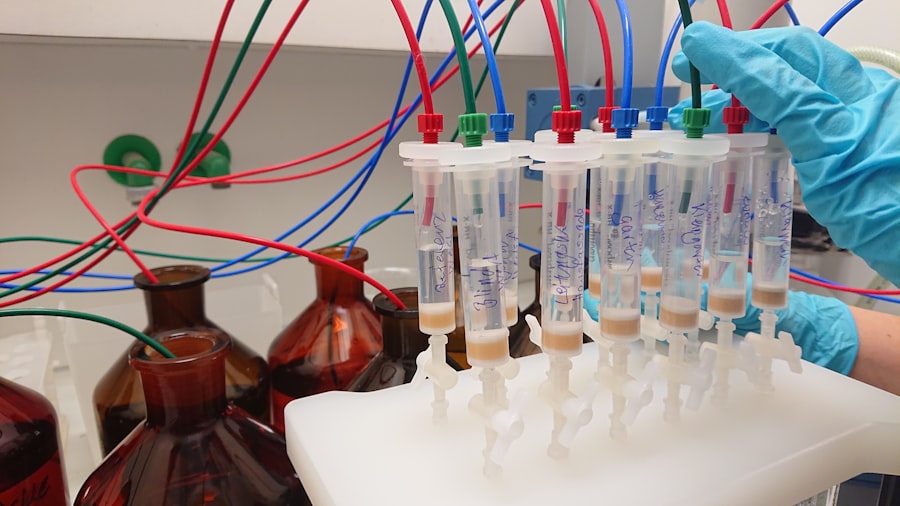
The health risks linked to formaldehyde donors have been a topic of extensive research and discussion. Formaldehyde itself is classified as a human carcinogen by several health organizations, including the International Agency for Research on Cancer (IARC). Prolonged exposure to formaldehyde can lead to various health issues, including respiratory problems, skin irritation, and allergic reactions.
When used in cosmetics, the potential for skin absorption raises concerns about long-term exposure and its cumulative effects on health. Moreover, individuals with sensitive skin or pre-existing conditions may experience heightened reactions to products containing formaldehyde donors. Symptoms can range from mild irritation to severe allergic responses, making it essential for consumers to be vigilant about the ingredients in their cosmetics.
As awareness grows regarding these risks, many people are opting for products that are free from formaldehyde donors altogether, seeking safer alternatives that do not compromise their health.
Regulations and Labeling of Formaldehyde Donors in Cosmetics
Regulatory bodies around the world have established guidelines regarding the use of formaldehyde donors in cosmetics. In the United States, the Food and Drug Administration (FDA) does not specifically ban these compounds but requires that all cosmetic ingredients be safe for use. The European Union has stricter regulations, limiting the concentration of formaldehyde in cosmetic products and requiring clear labeling of any ingredients that release formaldehyde.
Despite these regulations, consumers often find it challenging to navigate ingredient lists and understand what constitutes a safe product. The lack of standardized labeling practices can lead to confusion and misinformation. As a result, advocacy groups and health organizations are pushing for more transparent labeling practices that clearly indicate the presence of formaldehyde donors in cosmetics.
This would empower consumers to make informed choices about the products they use on their skin and hair.
Common Cosmetics Containing Formaldehyde Donors
| Formaldehyde Donor | Common Use in Cosmetics | Typical Concentration Range (%) | Formaldehyde Release Rate | Regulatory Limits | Potential Health Concerns |
|---|---|---|---|---|---|
| Quaternium-15 | Preservative in shampoos, conditioners, lotions | 0.1 – 0.5 | Up to 0.2% formaldehyde | EU: Max 0.2% free formaldehyde in finished product | Skin sensitization, allergic contact dermatitis |
| DMDM Hydantoin | Preservative in hair care and skin care products | 0.1 – 0.6 | Slow release of formaldehyde over time | EU: Max 0.2% free formaldehyde | Potential allergen, irritant |
| Imidazolidinyl Urea | Preservative in creams, lotions, shampoos | 0.1 – 0.5 | Releases formaldehyde gradually | EU: Max 0.2% free formaldehyde | Allergic reactions, skin irritation |
| Bronopol (2-Bromo-2-nitropropane-1,3-diol) | Preservative in cosmetics and personal care | 0.05 – 0.2 | Releases formaldehyde under certain conditions | Restricted in some regions | Skin sensitization, potential toxicity |
| Sodium Hydroxymethylglycinate | Preservative in skin care and hair care | 0.1 – 0.5 | Releases formaldehyde slowly | EU: Max 0.2% free formaldehyde | Possible allergen, irritant |
You may be surprised to learn that many everyday cosmetics contain formaldehyde donors. Products such as shampoos, conditioners, nail polishes, and even some facial creams often include these compounds due to their preservative properties. For instance, quaternium-15 is commonly found in hair care products because it effectively prevents microbial growth while maintaining product stability.
Additionally, some popular brands may use formaldehyde donors in their formulations without explicitly stating it on the packaging. This can make it difficult for consumers who wish to avoid these ingredients entirely. By familiarizing yourself with common products that contain formaldehyde donors, you can make more informed decisions about your cosmetic purchases and opt for alternatives that align with your health preferences.
How to Identify Formaldehyde Donors in Cosmetics
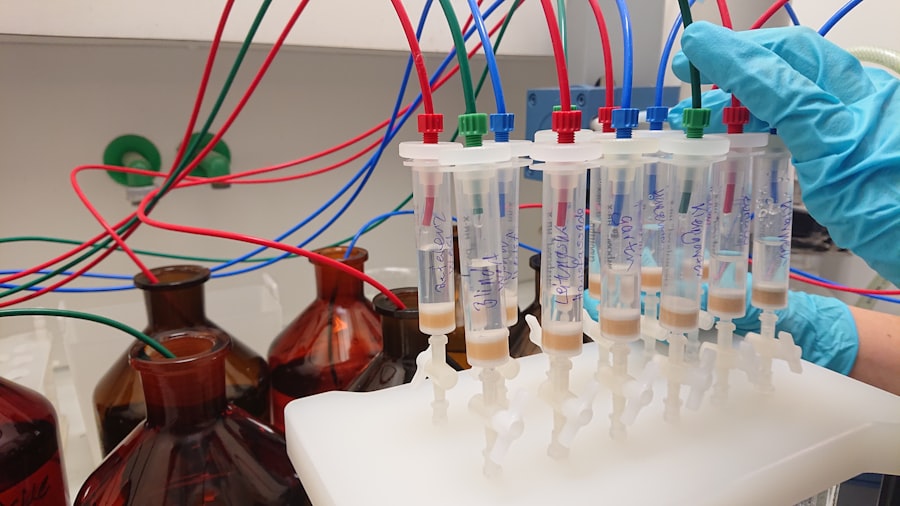
Identifying formaldehyde donors in cosmetics requires a keen eye for ingredient labels. When you read through product ingredients, look for specific names associated with formaldehyde release. Common terms include quaternium-15, DMDM hydantoin, imidazolidinyl urea, and sodium hydroxymethylglycinate.
These ingredients may not always be immediately recognizable, so it’s essential to familiarize yourself with them. In addition to checking ingredient lists, you can also utilize online resources and apps designed to help consumers identify potentially harmful ingredients in cosmetics. Many beauty enthusiasts and health-conscious individuals have turned to these tools to ensure they are making safe choices for their skin and overall well-being.
By being proactive about ingredient awareness, you can take control of your cosmetic choices and prioritize your health.
Alternatives to Formaldehyde Donors in Cosmetics
As consumer demand for safer beauty products continues to rise, many brands are exploring alternatives to formaldehyde donors. Natural preservatives derived from plant sources are gaining popularity as effective substitutes that do not pose the same health risks as traditional chemical preservatives. Ingredients like rosemary extract, vitamin E, and certain essential oils have shown promise in providing antimicrobial properties without releasing harmful substances.
Moreover, some companies are investing in innovative preservation technologies that utilize advanced methods to keep products safe without relying on formaldehyde donors. These alternatives not only cater to health-conscious consumers but also align with the growing trend towards clean beauty and sustainability. By choosing products formulated with safer alternatives, you can enjoy peace of mind while still achieving your desired beauty results.
The Impact of Formaldehyde Donors on the Environment
The environmental impact of formaldehyde donors extends beyond individual health concerns; it also raises questions about sustainability and ecological safety. The production and disposal of cosmetics containing these compounds can contribute to environmental pollution if not managed properly. When washed down drains or disposed of improperly, these chemicals can enter waterways and affect aquatic life.
Furthermore, as awareness grows regarding environmental issues related to cosmetic ingredients, consumers are increasingly seeking brands that prioritize eco-friendly practices. Many companies are now focusing on sustainable sourcing and production methods that minimize their environmental footprint while providing safe products for consumers. By supporting brands committed to environmental responsibility, you can contribute to a healthier planet while enjoying your favorite beauty products.
Allergic Reactions and Sensitivities to Formaldehyde Donors
Allergic reactions and sensitivities to formaldehyde donors can manifest in various ways, ranging from mild irritation to severe skin reactions. Individuals with sensitive skin or pre-existing allergies may find themselves particularly susceptible to these compounds.
If you suspect you have a sensitivity or allergy to formaldehyde donors, it’s crucial to discontinue use of any products containing these ingredients immediately. Consulting with a dermatologist or healthcare professional can provide valuable insights into managing your symptoms and finding suitable alternatives that won’t trigger adverse reactions. Being proactive about your skincare choices is essential for maintaining healthy skin and overall well-being.
Formaldehyde Donors in Hair and Nail Products
Formaldehyde donors are commonly found in hair and nail products due to their effectiveness as preservatives. In hair care formulations like shampoos and conditioners, these compounds help prevent microbial growth while ensuring product stability over time. However, some hair straightening treatments also contain higher concentrations of formaldehyde or its donors, raising concerns about potential exposure during application.
Nail products such as polishes and hardeners may also include formaldehyde donors for similar reasons. While these ingredients help maintain product integrity, they can pose risks during application or prolonged use. If you frequently use hair or nail products containing formaldehyde donors, consider exploring alternatives that prioritize safety without compromising performance.
Tips for Choosing Formaldehyde Donor-Free Cosmetics
When navigating the world of cosmetics, making informed choices is key to ensuring your health and well-being. To choose formaldehyde donor-free cosmetics effectively, start by educating yourself about common ingredients associated with these compounds. Familiarize yourself with terms like quaternium-15 and DMDM hydantoin so you can easily identify them on labels.
Additionally, consider seeking out brands that prioritize transparency in their ingredient sourcing and formulation processes. Many companies now offer clean beauty lines specifically designed without harmful preservatives or chemicals.
By taking these steps towards informed decision-making regarding your cosmetic purchases, you empower yourself to prioritize both your health and beauty needs effectively!
Formaldehyde donors are commonly used in cosmetics as preservatives, but their safety has been a topic of concern among consumers and health professionals alike. For a deeper understanding of the implications of using these compounds in beauty products, you can read more in this related article on the topic. Check it out here: Formaldehyde Donors in Cosmetics.
WATCH THIS! 💰 STOP Apps Are Stealing $1,000 From You Every Year—Here’s Proof & The 30-Day Fix
FAQs
What are formaldehyde donors in cosmetics?
Formaldehyde donors are chemical compounds used in cosmetics and personal care products to release small amounts of formaldehyde over time. They act as preservatives to prevent the growth of bacteria, mold, and yeast, thereby extending the shelf life of the products.
Why are formaldehyde donors used instead of formaldehyde itself?
Formaldehyde donors release formaldehyde slowly and in controlled amounts, which reduces the risk of irritation and toxicity compared to using formaldehyde directly. This makes them safer for use in cosmetic formulations while still providing effective preservation.
Are formaldehyde donors safe in cosmetics?
When used within regulatory limits, formaldehyde donors are generally considered safe for use in cosmetics. Regulatory agencies like the FDA and the European Commission set maximum allowable concentrations to minimize health risks. However, some individuals may be sensitive or allergic to formaldehyde or its donors.
What are common examples of formaldehyde donors in cosmetics?
Common formaldehyde donors include DMDM hydantoin, imidazolidinyl urea, diazolidinyl urea, quaternium-15, and bronopol. These ingredients are often found in shampoos, conditioners, lotions, and other personal care products.
Can formaldehyde donors cause allergic reactions?
Yes, some people may experience allergic contact dermatitis or skin irritation from formaldehyde donors, especially those with formaldehyde sensitivity. Patch testing by a dermatologist can help identify such allergies.
Are there regulations governing the use of formaldehyde donors in cosmetics?
Yes, many countries regulate the use of formaldehyde donors in cosmetics. For example, the European Union restricts the concentration of free formaldehyde to 0.2% in finished products, and requires labeling if formaldehyde donors are present. The U.S. FDA monitors cosmetic safety but does not have specific limits for formaldehyde donors.
How can consumers identify formaldehyde donors in product ingredients?
Consumers can look for ingredient names such as DMDM hydantoin, imidazolidinyl urea, diazolidinyl urea, quaternium-15, and bronopol on product labels. These indicate the presence of formaldehyde-releasing preservatives.
Are there alternatives to formaldehyde donors in cosmetics?
Yes, many cosmetic manufacturers use alternative preservatives that do not release formaldehyde, such as parabens, phenoxyethanol, or natural preservatives like certain essential oils. These alternatives may be preferred by consumers seeking formaldehyde-free products.
Do formaldehyde donors contribute to indoor air pollution?
Formaldehyde released from cosmetics is typically in very low amounts and unlikely to significantly contribute to indoor air pollution. However, formaldehyde can also be emitted from other sources like building materials and tobacco smoke.
Should people with sensitive skin avoid products with formaldehyde donors?
Individuals with sensitive skin or known allergies to formaldehyde should avoid products containing formaldehyde donors to reduce the risk of irritation or allergic reactions. Consulting a dermatologist can provide personalized advice.