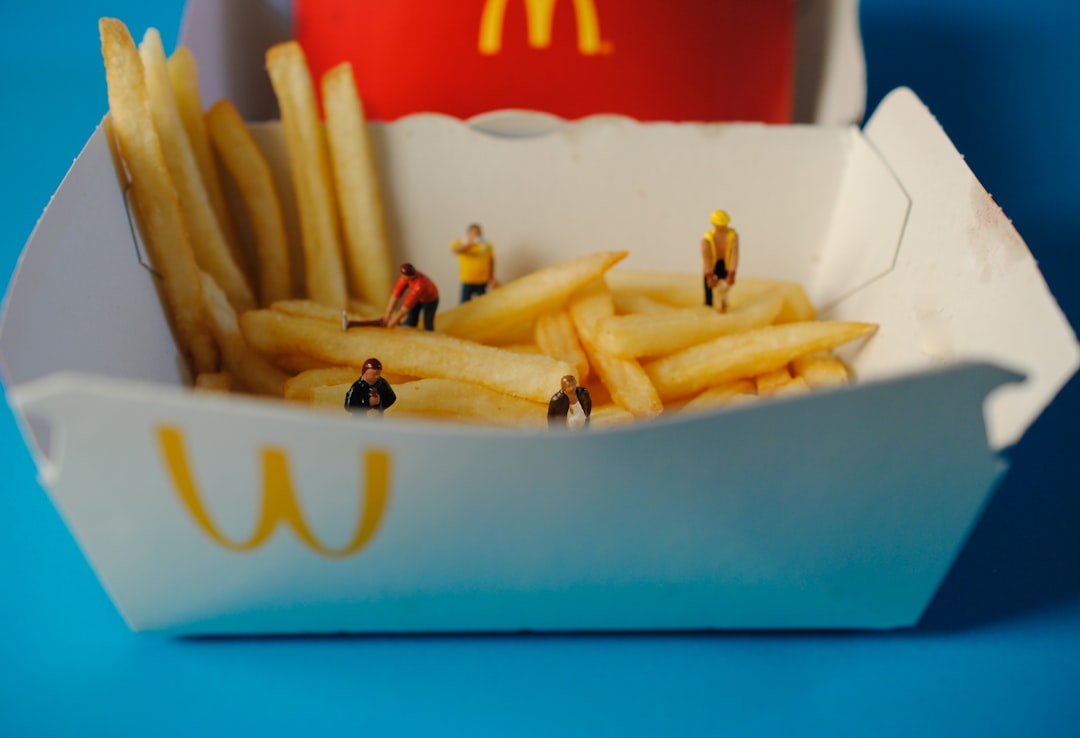
You stand at the counter of your favorite fast-food establishment, a familiar aroma of fried sustenance wafting through the air. You’re ready to place your order, but wait – there’s no human behind the register. Instead, a sleek, metallic arm extends, and a synthesized voice asks, “Welcome. May I take your order?” This isn’t science fiction; it’s a glimpse into your potential future, a future where robots are increasingly taking on roles traditionally filled by humans in the fast-food industry. This phenomenon, often sensationalized as a “job takeover,” is a complex tapestry woven with technological advancement, economic pressures, and societal shifts.
You’ve witnessed the slow but steady encroachment of automation into various facets of your life. From self-checkout kiosks at your grocery store to automated customer service lines, machines are becoming increasingly adept at performing tasks once exclusively human. The fast-food sector, with its repetitive tasks, consistent environments, and high demand for efficiency, is a natural candidate for this robotic evolution. Learn more about the California fast food minimum wage law and its impact on workers and businesses.
Repetitive Tasks and Precision
Consider the typical fast-food kitchen. Flipping burgers, frying fries, assembling sandwiches – these are operations that require consistency and speed. A robot, unburdened by fatigue, emotion, or the need for a break, can perform these tasks with unerring precision and relentless efficiency. You’ll find that a robotic arm can flip a hundred burgers with the exact same motion and timing, ensuring consistent cooking results unimaginable for even the most dedicated human chef.
The Quest for Efficiency and Consistency
For fast-food chains, efficiency is the holy grail. Every second saved translates to increased throughput and higher profits. Robots don’t call in sick, they don’t demand raises, and they can operate 24/7. This consistency in output and reduction in labor costs are powerful incentives for companies to invest in automation. You, as a consumer, might even benefit from faster service and more consistently prepared food, though perhaps at the cost of human interaction.
As the fast food industry increasingly turns to automation, the rise of robots in food preparation and service has sparked concerns about job displacement for human workers. A related article discusses the implications of this trend on employment and the economy, highlighting both the potential benefits and drawbacks of integrating technology into fast food operations. For more insights on this topic, you can read the article here: Fast Food Robots and Job Displacement.
Economic Drivers and the Cost-Benefit Analysis
The decision to introduce robots into the fast-food workforce isn’t driven by a whimsical fascination with technology. It’s a calculated economic move, a ledger of costs and benefits where robots often tip the scales in their favor.
Rising Labor Costs and Minimum Wage
You’ve likely seen debates surrounding minimum wage increases. While intended to improve the lives of low-wage workers, these increases directly impact the operating costs of businesses, particularly those with large workforces like fast-food chains. For an employer, a robot represents a one-time capital investment that, over its operational lifespan, can be significantly cheaper than human labor, especially when considering wages, benefits, and training.
Reducing Human Error and Waste
Humans, by their very nature, are prone to error. A dropped ingredient, an incorrectly measured portion, a miscommunication – these small mistakes can accumulate into significant waste and financial losses. Robots, programmed with precise instructions, eliminate much of this human variability. You’ll find that a robotic dispenser measures out condiments with exactitude, minimizing waste and ensuring portion control, which directly impacts the bottom line.
The Capital Investment vs. Long-Term Savings
Initial investment in robotic systems can be substantial. You’re not just buying a machine; you’re investing in installation, programming, maintenance, and potentially a complete redesign of your kitchen layout. However, when you spread this cost over several years, the long-term savings on wages, benefits, and reduced waste can make robots a highly attractive proposition. It’s a classic economic trade-off: a high upfront cost for sustained, predictable operational expenditure.
The Shifting Landscape of Employment
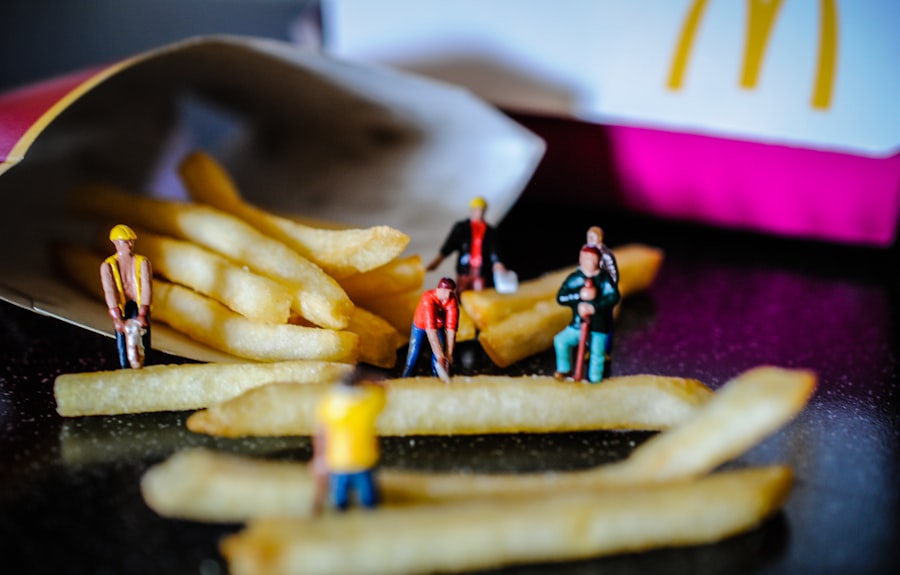
The introduction of robots into the fast-food industry inevitably sparks conversations about job displacement. You might wonder if your teenage neighbor, currently flipping burgers, will be replaced by a robotic counterpart. This concern is valid, and the impact on employment is a critical aspect of this technological transformation.
Displacement of Entry-Level Positions
It’s undeniable that many of the roles being automated are entry-level positions, often occupied by young people, students, or those entering the workforce. These jobs have historically served as stepping stones, providing valuable work experience and first paychecks. The “job takeover” metaphor isn’t entirely inaccurate here; for some, the robotic arm literally occupies the space where a human once stood.
The Emergence of New Roles
However, the narrative isn’t solely about job destruction. As with previous industrial revolutions, automation also creates new types of jobs. You’ll need engineers to design and build these robots, technicians to maintain and repair them, and programmers to develop their operational software. Furthermore, roles focused on customer experience – those requiring empathy, problem-solving, and complex social interaction – are less susceptible to immediate automation. You might see a shift from order-taking to roles focused on trouble-shooting robot malfunctions or guiding customers through novel ordering interfaces.
The Need for Upskilling and Re-skilling
For those currently in fast-food roles, the rise of robots presents a challenge and an opportunity. The challenge is the potential obsolescence of their current skill set. The opportunity lies in acquiring new skills that are in demand. You might find yourself needing to learn basic programming, machine operation, or data analysis to adapt to this new professional landscape. Governments and educational institutions will likely face increasing pressure to provide training programs for these evolving job markets.
The Customer Experience: Convenience vs. Connection
As a customer, you’re at the receiving end of these technological shifts. Your experience in a fast-food restaurant is undergoing a profound change, trading the familiar human touch for potentially greater efficiency.
Speed, Accuracy, and Customization
Imagine ordering a highly customized burger, with multiple ingredient adjustments, and having it assembled perfectly every time, without a single misstep. Robots excel at this level of precision and adherence to specific instructions. You’ll find that complex orders are executed with greater accuracy, reducing the chances of receiving an incorrect meal. This can lead to a more streamlined and satisfying transaction for you.
The Loss of Human Interaction
However, the absence of human interaction can be a double-edged sword. For some, the friendly smile at the drive-thru window or the brief chat with the cashier is an integral part of the fast-food experience. The impersonal nature of a robot, while efficient, can feel cold and detached. You might miss the subtle nuances of human conversation, the ability to ask for recommendations, or the simple act of eye contact that signals recognition. This is where the emotional component of service, a domain where humans still reign supreme, comes into play.
Addressing Customer Concerns and Novelty Factor
Initially, the novelty of robotic service might attract customers. People are often curious about new technologies. However, for widespread adoption, companies will need to ensure that the robotic experience is seamless and addresses potential concerns. What happens if a robot makes a mistake? How do you resolve a complex order issue without a human intermediary? You will expect robust customer support systems to bridge these gaps, be it through human supervisors or increasingly sophisticated AI assistants.
As the fast food industry increasingly turns to automation, the rise of robots taking over jobs has sparked significant debate about the future of employment. A recent article discusses the economic implications of this shift and how it could affect workers in various sectors. For those interested in exploring this topic further, you can read more about it in this insightful piece on wealth and job dynamics at How Wealth Grows. The conversation around automation not only highlights the efficiency gains for businesses but also raises concerns about job displacement and the need for workforce adaptation.
Ethical and Societal Considerations
| Metric | Value | Details |
|---|---|---|
| Percentage of Fast Food Jobs Automated | 15% | Estimated share of fast food roles replaced by robots as of 2024 |
| Average Speed Increase | 30% | Robots prepare and serve food 30% faster than human workers |
| Reduction in Labor Costs | 20% | Average decrease in labor expenses after robot implementation |
| Customer Satisfaction Change | +5% | Increase in customer satisfaction due to faster service and consistency |
| Number of Fast Food Chains Using Robots | 50+ | Chains worldwide that have integrated robotic systems |
| Estimated Job Losses | 100,000+ | Number of fast food jobs potentially displaced by robots globally |
Beyond economics and employment, the proliferation of fast-food robots raises deeper ethical and societal questions that you, as a member of society, should consider.
The “Dehumanization” of Service
When essential human roles are replaced by machines, you might feel a sense of “dehumanization” in the service sector. This isn’t just about feeling less connected, but also about the potential societal message that such roles are beneath human dignity, or that efficiency trumps all other values. What does it mean for a society when more and more of its interactions are mediated by algorithms and metallic arms?
The Digital Divide and Accessibility
The reliance on advanced technology also has implications for accessibility. If ordering systems become primarily digital, what about individuals who are not tech-savvy, or who lack access to smartphones and digital payment methods? You’ll need to ensure that the transition to automation doesn’t inadvertently exclude segments of the population, thereby exacerbating existing digital divides.
The Future of Work and Social Safety Nets
If a significant portion of low-skill jobs are automated not just in fast food but across various industries, what becomes of the workforce traditionally occupying these roles? This leads to discussions about universal basic income (UBI), re-skilling initiatives on a grand scale, and the fundamental re-evaluation of what “work” means in an increasingly automated world. These are not just theoretical debates; they are questions that will directly impact your society.
You’ve seen the rise of machines from mere tools to sophisticated co-workers. The fast-food robot is more than just a novelty; it is a manifestation of profound technological, economic, and societal currents. While the “job takeover” might sound like a dramatic ultimatum, it’s more akin to a tectonic shift, gradually reshaping the landscape of employment and your daily interactions. As you navigate this evolving world, understanding these forces will be paramount in shaping a future where technology serves humanity, rather than the other way around. The robots are here, and their integration into your fast-food experience is not a question of if, but how deeply and how quickly they will embed themselves.
WATCH THIS! 🍔💰 California’s $20 Fast Food Wage: Big Paychecks or Big Layoffs?
FAQs
What are fast food robots?
Fast food robots are automated machines or robotic systems designed to perform tasks typically done by human workers in fast food restaurants, such as cooking, assembling orders, and serving customers.
Why are fast food restaurants using robots?
Fast food restaurants use robots to increase efficiency, reduce labor costs, improve consistency in food preparation, and address labor shortages.
Which jobs in fast food are most affected by robots?
Jobs most affected include food preparation roles, such as frying, grilling, and assembling meals, as well as order taking and cashier positions.
Are fast food robots replacing human workers completely?
While robots are automating certain tasks, they are generally supplementing human workers rather than completely replacing them. Many roles still require human oversight, customer service, and maintenance.
What are the benefits of using robots in fast food?
Benefits include faster service, improved food consistency, reduced human error, lower labor costs, and the ability to operate during labor shortages.
What are the challenges or concerns related to fast food robots?
Concerns include potential job displacement for workers, high initial investment costs, technical malfunctions, and the loss of personal interaction in customer service.
How widespread is the use of robots in the fast food industry?
The use of robots in fast food is growing but still limited to certain chains and locations, often in pilot programs or specific tasks rather than full automation.
Do fast food robots impact food quality?
Robots can improve consistency and precision in food preparation, which may enhance food quality, but they may lack the adaptability and creativity of human cooks.
What is the future outlook for robots in fast food jobs?
The trend toward automation is expected to continue, with more advanced robots performing a wider range of tasks, but human workers will likely remain essential for many roles.
How do fast food robots affect employment opportunities?
Robots may reduce the number of entry-level jobs available but could also create new jobs in robot maintenance, programming, and supervision.