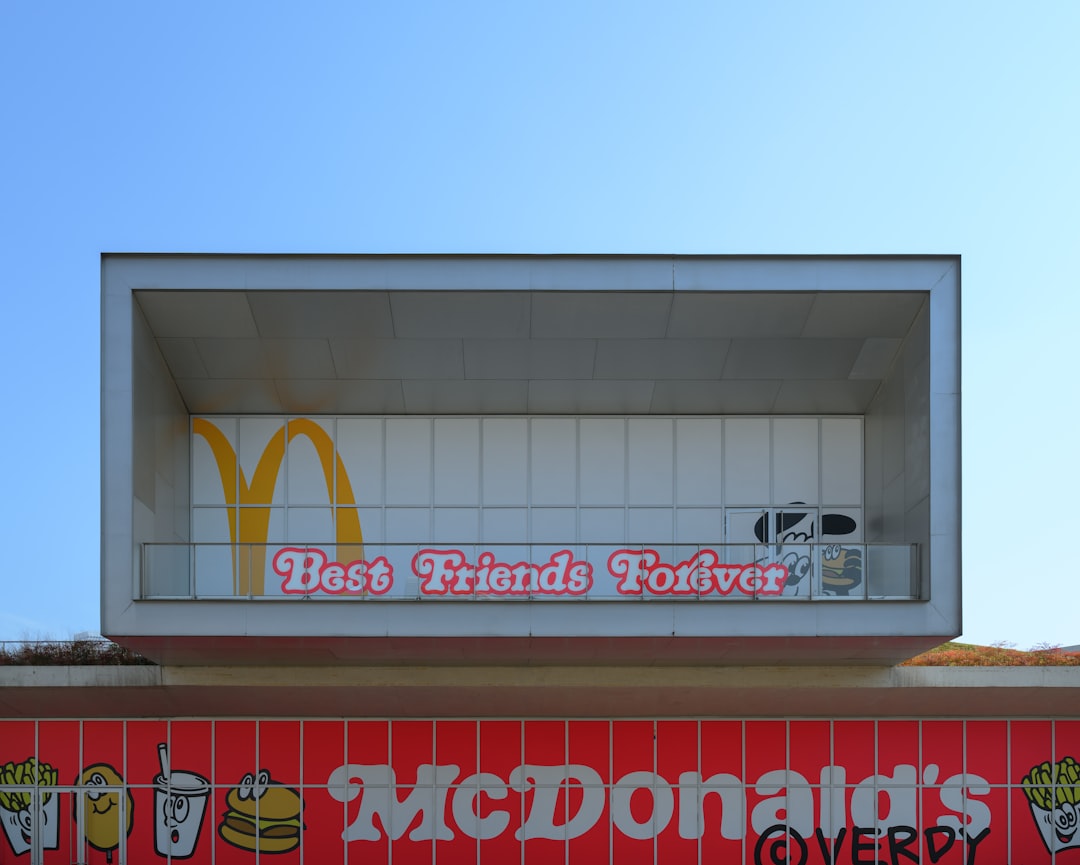
You stand at a crossroads in the Californian culinary landscape, a place where the familiar aroma of sizzling burgers meets the unfamiliar scent of innovation. The golden arches and crimson roofs you’ve come to recognize are shifting, remodeling their foundational structures in response to a confluence of societal pressures, legislative mandates, and evolving consumer tastes. This isn’t merely a facelift; it’s a profound re-engineering of the fast-food business model, a testament to the industry’s enduring capacity for adaptation, even when facing significant headwinds. California, a bellwether for national trends, is acting as a crucible, forging new paradigms that will undoubtedly shape the future of quick-service dining across the nation.
You cannot ignore the seismic shifts occurring in California’s labor laws, particularly the impact of the Fast Food Council and its attendant wage hikes. This isn’t a whisper in the wind; it’s a roaring gale fundamentally altering the cost structure of every fast-food establishment in the state. The recent changes in the California fast food minimum wage law have sparked widespread discussions across the industry.
The Fast Food Accountability and Standards Recovery Act (FAST Act)
You’ve likely heard of the FAST Act, a piece of legislation that, after much debate and revision, has become a cornerstone of California’s labor landscape. Initially envisioned to establish a statewide council with sweeping powers over wages and working conditions, its final form, while modified, still represents a significant departure from previous regulatory frameworks. The very existence of this council, regardless of its precise powers, signals a new era where labor is increasingly empowered to negotiate and influence the operational parameters of the fast-food industry. You are now operating in an environment where minimum wage increases are not just a possibility but a codified reality, often climbing at a faster rate than the broader economy.
Minimum Wage Escalation and Its Ripple Effects
Consider the direct impact: your labor costs are no longer a static line item. They are a variable, and a rapidly escalating one at that. When you pay your crew members significantly more, you must recoup those costs elsewhere. This isn’t just about the hourly rate; it’s about the entire compensation package, including benefits, taxes, and other associated expenditures that proportionally increase with the base wage. You’re no longer just competing for customers; you’re also competing for a shrinking pool of affordable labor talent, or rather, you’re competing to pay more for the talent you need. This creates a cascade of effects throughout your entire supply chain and operational model.
Automation as a Strategic Imperative
In response to these escalating labor costs, you see a burgeoning adoption of automation. This isn’t a dystopian vision of robots replacing all human interaction, but rather a strategic integration of technology to optimize efficiency and reduce reliance on manual labor for repetitive tasks. Think of the self-ordering kiosks that have become ubiquitous in many fast-food establishments. These aren’t just for convenience; they are a direct response to rising wages.
- Front-of-House Automation: You’ll encounter more self-serve soda fountains, digital ordering boards that integrate directly with kitchen systems, and even robotic baristas in some upscale quick-service concepts. These technologies empower customers to take control of their ordering process, simultaneously reducing the need for human order-takers.
- Back-of-House Automation: While less visible to the public, significant advancements are being made in kitchen automation. Automated fryers, robotic burger flippers, and automated beverage dispensers are becoming increasingly sophisticated. These devices are designed to maintain consistency, reduce waste, and operate with precision, often performing tasks that were once exclusively the domain of human employees. You’re essentially offloading repeatable, predictable tasks to machines, freeing human staff for more complex, customer-facing, or supervisory roles. This is a critical pivot, allowing you to manage the rising cost of human labor by optimizing its deployment.
In recent years, the fast food industry in California has undergone significant changes in its business model, adapting to evolving consumer preferences and regulatory demands. A related article that delves into these transformations can be found at How Wealth Grows, where it explores the shift towards healthier menu options, sustainability practices, and the integration of technology in service delivery. These changes reflect a broader trend in the food service sector, emphasizing the importance of innovation in meeting the needs of a more health-conscious and environmentally aware customer base.
The Shifting Sands of Consumer Preference
You recognize that your customers are no longer simply looking for speed and affordability. Their palates and priorities have evolved, creating new demands that you must address to remain competitive. This isn’t a niche market anymore; it’s a mainstream shift.
The Rise of Health-Conscious Dining
You’ve observed the undeniable trend towards healthier eating. Consumers are increasingly scrutinizing nutritional information, opting for fresh ingredients, and seeking out options that align with their dietary restrictions or health goals. The days of solely relying on high-fat, high-sodium, calorie-dense offerings are numbered.
- Menu Diversification: You’re seeing fast-food chains diversify their menus to include salads, wraps, grilled options, and plant-based alternatives. This isn’t an act of benevolence; it’s a direct response to market demand. You can’t afford to alienate a growing segment of your customer base who prioritize wellness.
- Transparency and Sourcing: Customers want to know where their food comes from. They’re demanding transparency in sourcing, preferring locally sourced ingredients, antibiotic-free meats, and ethically raised produce. You’re effectively navigating a minefield of ethical considerations and public perception, where a single misstep in sourcing can lead to significant reputational damage.
Demand for Customization and Personalization
You understand that the “one-size-fits-all” approach to fast food is increasingly obsolete. Consumers crave agency and the ability to tailor their meals to their exact preferences. This isn’t just about asking for no pickles; it’s about a fundamental desire for a bespoke dining experience, even at speed.
- Build-Your-Own Concepts: The success of “build-your-own” concepts, whether it’s a burrito bowl, a salad, or a pizza, highlights this desire. You’re empowering the customer to be the architect of their meal, fostering a sense of ownership and satisfaction.
- Technology-Enabled Personalization: Mobile ordering apps and digital kiosks facilitate this customization. You can save preferred orders, modify ingredients with a few taps, and even receive personalized recommendations based on past purchases. This data-driven approach allows you to anticipate and cater to individual tastes with unprecedented precision.
The Experience Economy and Ambiance
You’re acutely aware that dining out isn’t just about the food; it’s about the entire experience. Fast food, traditionally focused on speed and efficiency, is now being forced to contend with customer expectations for a more pleasant and engaging environment.
- Modernizing Interiors: You’re witnessing a wave of renovations across the fast-food spectrum, transforming clinical, utilitarian spaces into more inviting and contemporary environments. Think comfortable seating, updated decor, and even softer lighting.
- Drive-Thru Optimization: While interior ambiance is important, the drive-thru remains a crucial battleground. You’re seeing innovations like dual drive-thrus, AI-powered suggestion systems at order points, and streamlined pick-up areas designed to minimize wait times and improve efficiency. The drive-thru is still your bread and butter for many, and you must continually refine its operation to maintain speed and customer satisfaction.
Technological Transformation and Digital Dominance

You’re standing at the precipice of a digital revolution within the fast-food industry. Technology is no longer merely a support function; it is becoming the central nervous system of your business operations and customer interactions.
The Ubiquity of Mobile Ordering and Delivery
You’ve undoubtedly seen the proliferation of mobile ordering apps and third-party delivery services. These are not merely conveniences; they are now essential channels for customer engagement and revenue generation. The pandemic accelerated their adoption, but their integration into daily life is now permanent.
- Proprietary Apps vs. Third-Party Aggregators: You’re navigating the complex terrain of balancing your own branded app, which offers greater control and data, with the expansive reach of third-party delivery platforms like DoorDash, Uber Eats, and Grubhub. Each has its advantages and disadvantages, particularly concerning commission fees and customer data ownership. Your strategy here is crucial, as it impacts both profitability and customer relationships.
- Ghost Kitchens and Dark Stores: To capitalize on the delivery boom, you’re seeing the emergence of “ghost kitchens” – facilities dedicated solely to fulfilling delivery orders, often operating without a traditional storefront. This allows you to expand your reach and operational efficiency without the overhead of a full-service restaurant. Similarly, “dark stores” for ingredient prep and logistics are becoming more common, streamlining the supply chain for off-premise dining.
Data Analytics and Personalized Marketing
You now have access to an unprecedented amount of customer data. This isn’t just a mountain of information; it’s a goldmine of insights that, when properly leveraged, can revolutionize your marketing and operational strategies.
- Understanding Customer Behavior: Through loyalty programs, mobile app usage, and online ordering patterns, you can discern individual customer preferences, peak ordering times, popular menu items, and even preferred payment methods. This granular data allows you to move beyond broad generalizations and understand your customer base at an individual level.
- Targeted Promotions and Loyalty Programs: Armed with this data, you can craft highly personalized marketing campaigns. Imagine offering a discount on a customer’s favorite menu item, or sending a push notification about a new vegetarian option to someone who frequently orders plant-based meals. Loyalty programs can be tailored to reward specific behaviors, fostering stronger customer relationships and repeat business.
Reimagining the Workforce: From Assembly Line to Agile Teams

You’re grappling with the fundamental reshaping of your workforce, driven by both technological advancements and changing labor market dynamics. The traditional model of a static assembly line of tasks is giving way to a more adaptable, multi-skilled, and tech-augmented team.
Upskilling and Cross-Training
With automation handling many repetitive tasks, you’re finding that your human employees need a broader skill set. The focus is shifting from simple task execution to problem-solving, customer service, and technology management.
- Tech Proficiency: Your staff must be proficient in operating and troubleshooting the various automation systems, from self-ordering kiosks to robotic kitchen assistants. This requires training programs focused on technology literacy and maintenance.
- Customer Service Excellence: As technology handles transactional aspects, human interactions become more critical. You’re investing in training for enhanced customer service, conflict resolution, and creating a positive dining experience. Your employees are no longer just order-takers; they are brand ambassadors.
Attracting and Retaining Talent in a Competitive Market
Even with rising wages, the fast-food industry faces significant challenges in attracting and retaining talent. You’re compelled to offer more than just a paycheck to stand out in a tight labor market.
- Improved Benefits and Work-Life Balance: You’re exploring more competitive benefit packages, beyond basic health insurance, to include paid time off, tuition assistance, and flexible scheduling options. These aren’t luxuries; they’re increasingly becoming necessities to attract and retain quality employees.
- Career Pathing and Development: To combat high turnover, you’re focusing on creating clear career paths and opportunities for advancement within your organization. Investing in employee development, mentorship programs, and internal promotions can foster loyalty and reduce recruitment costs in the long run. You’re essentially building a pipeline for future leadership from within your own ranks.
As the fast food industry continues to evolve, recent changes in California’s business model are drawing significant attention. These adjustments reflect a growing emphasis on sustainability and health-conscious options, which are reshaping consumer preferences. For a deeper understanding of these trends and their implications on the market, you can explore a related article that discusses the financial aspects of these shifts in detail. This insightful piece can be found at How Wealth Grows, providing valuable information for anyone interested in the future of fast food in California.
Navigating the Regulatory Labyrinth and Public Perception
| Metric | Before Model Change (2020) | After Model Change (2023) | Change (%) | Notes |
|---|---|---|---|---|
| Average Order Size | 12 items | 9 items | -25% | Shift towards healthier, smaller portions |
| Delivery Sales Percentage | 15% | 40% | +167% | Increased focus on delivery and online ordering |
| Labor Costs | 30% | 35% | +16.7% | Higher minimum wage laws in California |
| Menu Items | 50 | 35 | -30% | Menu simplification to improve efficiency |
| Use of Plant-Based Options | 5% | 20% | +300% | Responding to consumer demand for sustainability |
| Customer Foot Traffic | 1000 visits/day | 700 visits/day | -30% | Shift to off-premise dining and delivery |
You’re operating in an environment where California’s regulatory landscape is a dynamic and often challenging force. Furthermore, public perception, amplified by social media and advocacy groups, plays an increasingly significant role in your operational decisions.
Compliance with Evolving Labor Laws
You must dedicate substantial resources to staying abreast of and complying with California’s constantly evolving labor laws. This isn’t a one-time adjustment; it’s an ongoing process of monitoring, interpreting, and implementing new regulations.
- Legal Expertise: You’re often employing legal counsel or subscribing to specialized regulatory services to ensure full compliance with wage laws, scheduling requirements, and worker protection statutes. Non-compliance can lead to severe penalties, lawsuits, and significant reputational damage.
- Operational Adjustments: You’re continually adjusting your operational procedures, scheduling practices, and compensation structures to align with the latest legal mandates. This can be a complex and resource-intensive undertaking, requiring significant internal coordination and communication.
Sustainability and Environmental Stewardship
You’re facing increasing pressure from consumers, advocacy groups, and even investors to adopt more sustainable and environmentally friendly practices. This isn’t just about corporate social responsibility; it’s about safeguarding your brand image and appealing to a growing segment of environmentally conscious consumers.
- Waste Reduction and Recycling: You’re implementing ambitious waste reduction programs, exploring composting initiatives, and prioritizing recyclable or compostable packaging materials. The days of indiscriminate single-use plastics are drawing to a close.
- Energy Efficiency and Green Sourcing: You’re investing in energy-efficient equipment, exploring renewable energy sources for your operations, and scrutinizing your supply chain for environmentally responsible sourcing practices. This extends beyond the food itself to the entire ecosystem of your business. You’re effectively becoming a steward of the environment, not just a purveyor of fast food.
Corporate Social Responsibility and Community Engagement
You understand that your role in the community extends beyond providing food. Actively engaging in corporate social responsibility initiatives and fostering strong community ties can enhance your brand’s reputation and build customer loyalty.
- Local Partnerships and Philanthropy: You’re forming partnerships with local charities, sponsoring community events, and engaging in philanthropic activities. These actions demonstrate a commitment to the well-being of the communities you serve.
- Ethical Practices and Transparency: You’re ensuring ethical labor practices throughout your supply chain, promoting diversity and inclusion within your workforce, and maintaining transparency in your business operations. This builds trust with consumers and positions your brand as a responsible corporate citizen.
You are witnessing a profound metamorphosis in the fast-food industry in California. It’s a challenging, dynamic, and ultimately transformative period. The businesses that embrace these shifts, adapt strategically, and innovate relentlessly will not only survive but thrive in this exciting new era of quick-service dining. You are at the forefront of this evolution, and your choices today will shape the fast-food landscape of tomorrow.
WATCH THIS! 🍔💰 California’s $20 Fast Food Wage: Big Paychecks or Big Layoffs?
FAQs
What are the recent changes in the fast food business model in California?
Recent changes in California’s fast food business model include increased adoption of digital ordering systems, a shift towards healthier menu options, and the implementation of stricter labor and environmental regulations. Many fast food chains are also focusing on sustainability and local sourcing.
Why is California seeing changes in its fast food industry?
California’s fast food industry is evolving due to consumer demand for healthier and more sustainable food options, state regulations on labor practices and environmental impact, and advancements in technology that facilitate online ordering and delivery services.
How are labor laws affecting fast food businesses in California?
California has implemented higher minimum wage laws and stricter labor regulations, which have led fast food businesses to adjust their staffing models, increase automation, and sometimes raise menu prices to offset increased labor costs.
Are fast food restaurants in California offering healthier menu options?
Yes, many fast food restaurants in California are expanding their menus to include healthier options such as plant-based meals, salads, and items with reduced calories, sodium, and fat to meet consumer preferences and regulatory guidelines.
How is technology influencing fast food business models in California?
Technology is playing a significant role by enabling mobile ordering, contactless payments, and delivery services. Fast food chains are investing in apps and kiosks to improve customer experience and operational efficiency.
What environmental initiatives are fast food businesses in California adopting?
Fast food businesses in California are adopting initiatives such as reducing single-use plastics, implementing recycling programs, sourcing ingredients locally, and using energy-efficient equipment to comply with state environmental regulations and consumer expectations.
How do these business model changes impact consumers?
Consumers benefit from greater convenience through digital ordering, access to healthier and more diverse menu options, and the knowledge that many fast food businesses are adopting sustainable and ethical practices.
Are these changes unique to California or part of a broader trend?
While California often leads in regulatory changes and consumer trends, many of these business model adaptations are part of a broader national and global shift in the fast food industry towards health, technology integration, and sustainability.