When considering farmland investment, it is essential to understand the associated risks. Farmland can offer potential benefits through asset appreciation and income from agricultural production, but it carries significant challenges.
Crop prices fluctuate based on supply and demand, global trade policies, and consumer preferences. These price variations directly affect investment returns and make profitability difficult to forecast. Physical land characteristics also present substantial risks.
Soil quality, water availability, and climate conditions determine farmland productivity. Land unsuitable for agriculture or vulnerable to drought and flooding may underperform financially. Successful farmland investment requires comprehensive research and due diligence.
Investors must evaluate financial aspects alongside environmental and geographical factors that influence investment outcomes.
Key Takeaways
- Farmland investment carries diverse risks including market volatility, climate change, and political factors.
- Long-term sustainability depends on effective land management and mitigating soil degradation.
- Natural disasters and crop failures pose significant threats to farmland productivity.
- Access to capital and navigating legal and tax complexities are critical challenges for investors.
- Global economic trends and regulatory changes can greatly impact farmland investment outcomes.
Assessing Market Volatility and Fluctuations
Market volatility is a critical aspect of farmland investment that you cannot afford to overlook. Agricultural commodities are subject to price swings influenced by various external factors, including weather conditions, geopolitical events, and changes in consumer demand. For instance, a drought in a major agricultural region can lead to reduced crop yields, driving up prices but also creating uncertainty about future supply.
As an investor, you need to be prepared for these fluctuations and understand how they can affect your bottom line. To navigate this volatility effectively, you should consider diversifying your investments within the agricultural sector. By investing in different types of crops or even different geographical areas, you can mitigate some of the risks associated with market fluctuations.
Additionally, staying informed about global agricultural trends and market forecasts can help you make more strategic decisions regarding when to buy or sell your farmland. Engaging with agricultural economists or market analysts can provide valuable insights that enhance your understanding of market dynamics. Investing in farmland investment can provide sustainable returns and long-term growth opportunities.
Potential Impact of Climate Change on Farmland
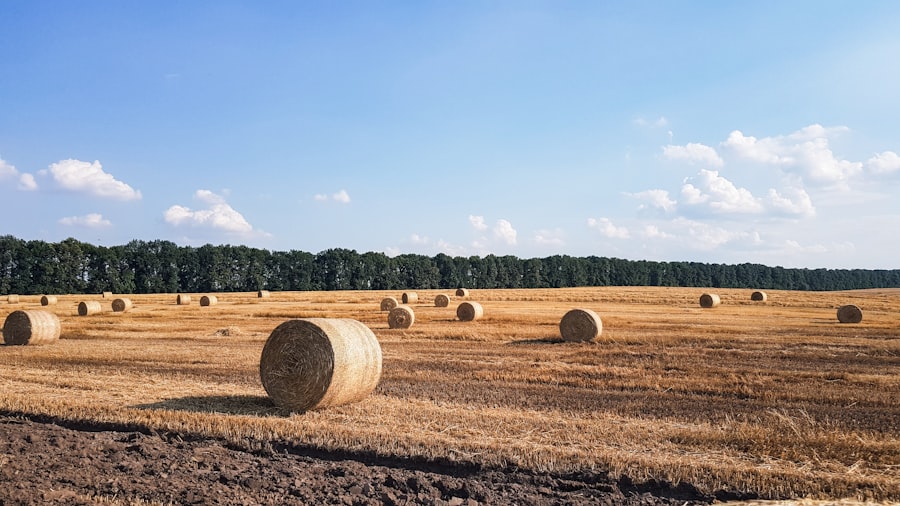
Climate change is an increasingly pressing issue that poses significant risks to farmland investment. As temperatures rise and weather patterns become more erratic, the agricultural landscape is likely to undergo substantial changes. You may find that traditional farming practices become less viable as certain crops struggle to adapt to new climatic conditions.
For example, regions that were once ideal for growing specific crops may become unsuitable due to increased heat or altered rainfall patterns. Moreover, climate change can exacerbate existing challenges such as pest infestations and soil degradation. As an investor, it’s essential to consider how these factors could impact the long-term viability of your farmland.
You might want to explore sustainable farming practices that enhance resilience against climate change, such as crop rotation, cover cropping, and improved irrigation techniques. By investing in innovative agricultural methods, you can not only protect your investment but also contribute positively to environmental sustainability.
Evaluating the Long-Term Sustainability of Farmland
When investing in farmland, evaluating its long-term sustainability is paramount. Sustainable farming practices not only ensure the health of the land but also contribute to the overall viability of your investment. You should assess whether the land has been managed sustainably in the past and what practices are currently in place.
This includes examining soil health, water management systems, and biodiversity on the property. Furthermore, consider the potential for regenerative agriculture techniques that can enhance soil fertility and reduce reliance on chemical inputs. By prioritizing sustainability, you not only protect your investment from future risks but also align with growing consumer demand for environmentally friendly products.
As more consumers seek out sustainably produced food, your farmland could become increasingly valuable if it adheres to these principles.
Political and Regulatory Risks in Farmland Investment
| Risk Factor | Description | Potential Impact | Mitigation Strategies |
|---|---|---|---|
| Market Volatility | Fluctuations in commodity prices and land values. | Reduced returns or losses on investment. | Diversify crops and regions; monitor market trends. |
| Climate Change | Unpredictable weather patterns affecting crop yields. | Lower productivity and increased operational costs. | Invest in resilient crop varieties; implement sustainable practices. |
| Regulatory Risks | Changes in land use laws, taxes, or environmental regulations. | Increased compliance costs or restricted land use. | Stay informed on policy changes; engage with local authorities. |
| Liquidity Risk | Difficulty in quickly selling farmland assets. | Inability to access capital when needed. | Plan long-term investments; maintain diversified portfolio. |
| Operational Risks | Management inefficiencies, labor shortages, or equipment failure. | Reduced farm productivity and increased expenses. | Hire experienced managers; invest in training and maintenance. |
| Environmental Degradation | Soil erosion, depletion, or contamination affecting land quality. | Decline in land value and crop yields. | Adopt conservation practices; monitor soil health regularly. |
Political and regulatory risks are another critical consideration when investing in farmland. Changes in government policies regarding land use, agricultural subsidies, or environmental regulations can significantly impact your investment’s profitability. For instance, if a new regulation restricts certain farming practices or imposes additional costs on landowners, it could affect your returns.
You should stay informed about local and national policies that could influence your farmland investment. Engaging with local agricultural organizations or industry groups can provide insights into potential regulatory changes on the horizon. Additionally, understanding property rights and zoning laws in your area is essential to avoid legal complications down the line.
By being proactive in monitoring political developments, you can better position yourself to adapt to changes that may arise.
Potential Challenges in Land Management and Maintenance
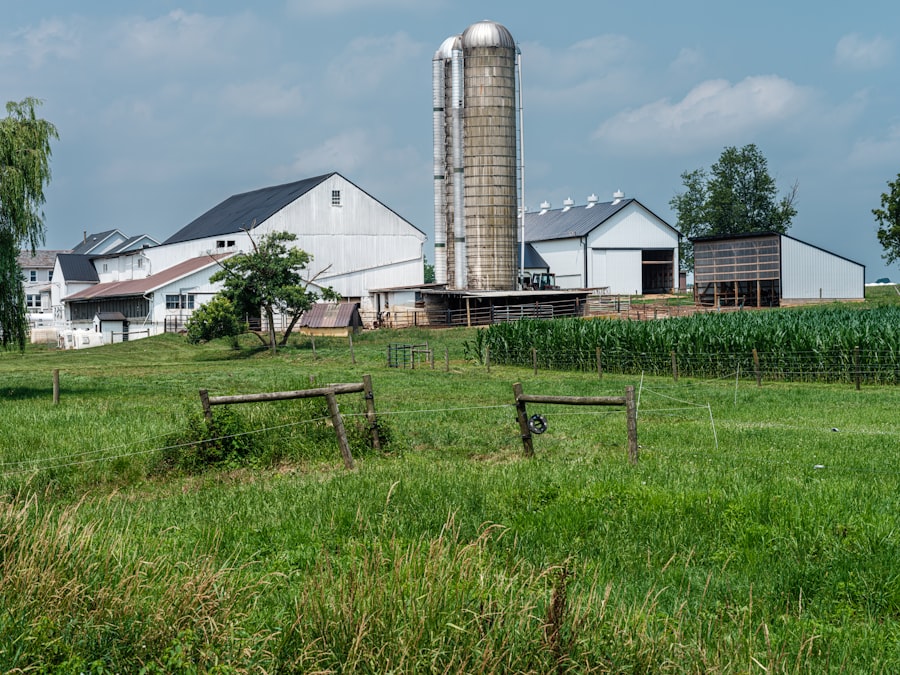
Effective land management is crucial for maximizing the potential of your farmland investment. However, managing agricultural land comes with its own set of challenges. You may encounter issues related to soil health, pest control, and crop rotation that require ongoing attention and expertise.
If you lack experience in farming or land management, you might find it beneficial to partner with experienced farmers or agronomists who can guide you through best practices. Moreover, maintaining farmland often involves significant time and financial commitments. You need to be prepared for the costs associated with equipment maintenance, labor, and inputs such as seeds and fertilizers.
If you are unable or unwilling to dedicate the necessary resources to manage your land effectively, it could lead to diminished returns on your investment. Therefore, it’s essential to have a clear plan for how you will manage your farmland before making a purchase.
Considering the Impact of Global Economic Trends
Global economic trends can have a profound impact on farmland investments. Factors such as trade agreements, currency fluctuations, and shifts in consumer behavior can all influence agricultural markets. For instance, if a major trading partner imposes tariffs on agricultural products, it could affect demand for certain crops and subsequently impact prices.
As an investor, you need to be aware of these global dynamics and how they may affect your investment strategy. Additionally, economic trends can influence input costs for farming operations. Rising fuel prices or increased costs for fertilizers can eat into profit margins and affect overall returns on your investment.
Staying informed about global economic indicators and trends will help you make more informed decisions regarding your farmland investments. Engaging with economic analysts or subscribing to industry reports can provide valuable insights into how global trends may impact your agricultural investments.
Assessing the Potential for Soil Degradation and Contamination
Soil health is a critical factor in determining the productivity of farmland. As an investor, you must assess the potential for soil degradation and contamination on any property you consider purchasing. Practices such as monocropping or excessive use of chemical fertilizers can lead to soil depletion over time, reducing its fertility and productivity.
Additionally, contamination from nearby industrial activities or improper waste disposal can pose serious risks to both crop yields and human health. To mitigate these risks, consider conducting thorough soil tests before making an investment decision. Understanding the nutrient composition and potential contaminants present in the soil will help you make informed choices about land management practices moving forward.
Furthermore, investing in regenerative agriculture techniques can enhance soil health over time, ensuring that your farmland remains productive for years to come.
Understanding the Risks of Crop Failures and Natural Disasters
Crop failures due to natural disasters pose significant risks for farmland investors like yourself. Events such as droughts, floods, hurricanes, or pest infestations can devastate crop yields and lead to substantial financial losses. While some risks are unavoidable, there are strategies you can employ to mitigate their impact on your investment.
One approach is to diversify your crop portfolio by planting a variety of crops that have different growing seasons and resilience levels against adverse weather conditions. This way, if one crop fails due to unforeseen circumstances, others may still thrive and provide income.
By understanding these risks and implementing proactive measures, you can better protect your farmland investment from unforeseen challenges.
Potential Challenges in Accessing Capital and Financing
Accessing capital for farmland investments can present challenges that require careful consideration on your part. Traditional financing options may not always be readily available for agricultural ventures due to perceived risks associated with farming operations. Lenders may require substantial down payments or impose strict repayment terms that could strain your finances.
To navigate these challenges effectively, explore alternative financing options such as agricultural grants or cooperative lending programs designed specifically for farmers and land investors. Building relationships with local banks or credit unions that understand the agricultural sector can also improve your chances of securing favorable financing terms. Additionally, having a solid business plan outlining your investment strategy will demonstrate your commitment and increase your credibility with potential lenders.
Evaluating the Legal and Tax Risks in Farmland Investment
Legal and tax considerations are vital components of farmland investment that you must evaluate thoroughly before proceeding with any purchase. Zoning laws and land use regulations can significantly impact how you manage your property and what activities are permissible on it. Failing to comply with these regulations could result in fines or restrictions that hinder your ability to operate effectively.
Tax implications are another critical aspect to consider when investing in farmland. Different regions have varying tax structures related to property ownership and agricultural income that could affect your overall returns. Consulting with a tax professional who specializes in agricultural investments will help you navigate these complexities effectively.
By understanding both legal and tax risks associated with farmland investment upfront, you can make more informed decisions that protect your interests over time. In conclusion, investing in farmland presents both opportunities and challenges that require careful consideration and strategic planning on your part. By understanding the various risks involved—from market volatility to climate change—you can position yourself for success in this unique asset class while contributing positively to sustainable agriculture practices.
Investing in farmland can be a lucrative opportunity, but it also comes with its own set of dangers that potential investors should be aware of. For a deeper understanding of these risks, you can read the article on farmland investment strategies at How Wealth Grows. This resource provides valuable insights into the potential pitfalls and considerations that come with investing in agricultural land, helping investors make informed decisions.
WATCH THIS! The Gold Rush is Over. Now, the Dirt Rush is ON. 🚜💰
FAQs
What are the common risks associated with farmland investment?
Common risks include market volatility, changes in agricultural commodity prices, weather-related events such as droughts or floods, regulatory changes, and potential difficulties in land management or tenant relations.
How can weather impact farmland investments?
Weather can significantly affect crop yields and land productivity. Extreme conditions like droughts, floods, or storms can reduce income from farmland and potentially damage the land, leading to financial losses.
Are there legal or regulatory dangers in farmland investment?
Yes, farmland investments can be affected by zoning laws, environmental regulations, water rights, and changes in agricultural policies. Non-compliance or sudden regulatory changes can impact the value and usability of farmland.
Is farmland investment a liquid asset?
No, farmland is generally considered an illiquid asset. Selling farmland can take considerable time due to the niche market and high transaction costs, which can pose challenges if quick access to capital is needed.
What financial risks should investors be aware of in farmland investment?
Investors should consider risks such as fluctuating land values, variable income from crop production, high maintenance and operational costs, and potential debt servicing if the land is purchased with leverage.
Can farmland investments be affected by market demand changes?
Yes, shifts in demand for agricultural products, changes in consumer preferences, or global trade policies can influence the profitability and value of farmland investments.
How important is due diligence before investing in farmland?
Due diligence is critical. Investors should assess soil quality, water availability, legal status, historical land use, and local market conditions to mitigate risks and make informed decisions.
Are there environmental concerns linked to farmland investment?
Environmental issues such as soil degradation, water scarcity, and biodiversity loss can affect farmland productivity and sustainability, potentially impacting long-term investment returns.
What role does management play in farmland investment risks?
Effective land and tenant management are essential. Poor management can lead to reduced yields, legal disputes, or increased costs, thereby increasing investment risks.
Can diversification reduce risks in farmland investment?
Yes, diversifying across different geographic locations, crop types, or investment vehicles can help mitigate risks associated with weather, market fluctuations, and regulatory changes.