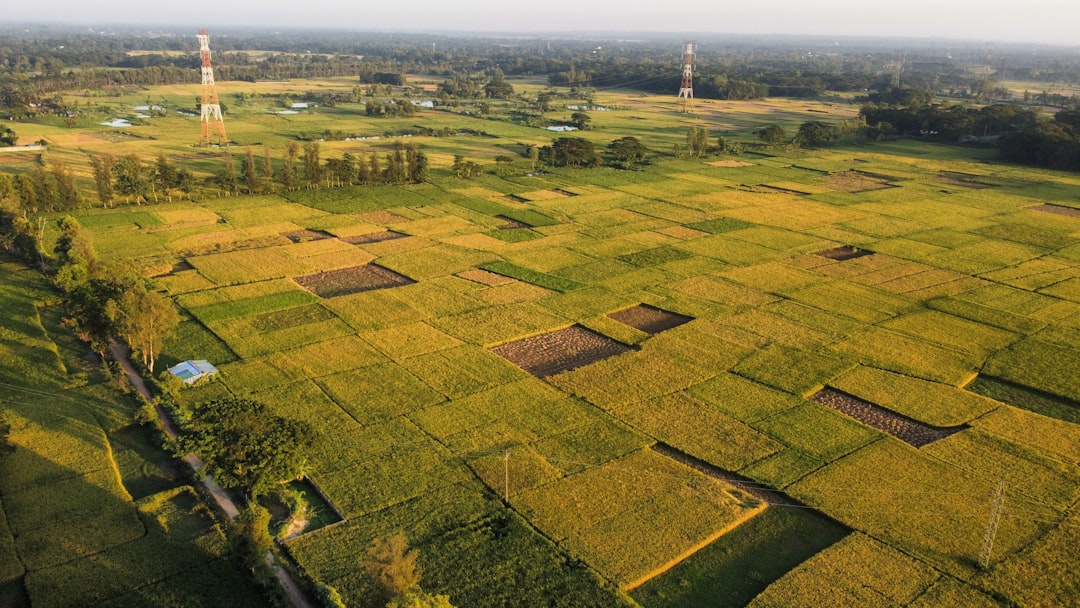
Farmland investment has become an increasingly popular asset class in recent years. Agricultural land investment involves purchasing land for crop production, livestock raising, or other agricultural purposes. This investment category combines tangible asset ownership with income-generating potential, offering portfolio diversification benefits.
Farmland investment presents several distinct advantages compared to traditional investments such as stocks and bonds. Agricultural land typically appreciates in value over time, often exceeding inflation rates. Furthermore, farmland serves as a hedge against market volatility because agricultural products are essential commodities with consistently stable demand.
Understanding farmland investment fundamentals enables investors to make informed decisions aligned with their financial objectives.
One of the most compelling reasons to consider farmland investment is the potential for passive income. Unlike many other forms of investment that require active management and constant attention, farmland can generate income with relatively little ongoing effort on your part. This is particularly appealing for individuals seeking to build wealth while maintaining their current lifestyle or pursuing other interests.
When you invest in farmland, you can earn income through various channels. For instance, leasing the land to farmers allows you to receive rental payments without having to engage in the day-to-day operations of farming.
Moreover, as global food demand continues to rise, the value of agricultural land is likely to increase, further enhancing your passive income potential.
Investing in
While farmland investment presents numerous opportunities, it is essential to recognize that it is not without its risks. Like any investment, there are factors that could negatively impact your returns or even lead to losses. Understanding these risks is crucial for making informed decisions and developing strategies to mitigate them.
One significant risk associated with farmland investment is market fluctuations. The agricultural sector can be influenced by various external factors, including changes in consumer demand, commodity prices, and global trade policies. As a result, the income generated from your farmland may not be as stable as you would hope.
By being aware of these risks and staying informed about market trends, you can better prepare yourself for potential challenges.
Market Volatility and Price Fluctuations
Market volatility is an inherent characteristic of the agricultural sector. Prices for crops and livestock can fluctuate dramatically based on a variety of factors, including weather conditions, supply chain disruptions, and shifts in consumer preferences. As an investor in farmland, you must be prepared for these price fluctuations and understand how they can impact your investment’s profitability.
For example, if you own farmland that produces corn, a sudden drop in corn prices due to oversupply or decreased demand could significantly affect your rental income or the land’s overall value. Conversely, if prices rise due to increased demand or adverse weather conditions affecting crop yields elsewhere, your investment could see substantial gains. By keeping a close eye on market trends and being adaptable in your investment strategy, you can navigate these fluctuations more effectively.
Environmental and Weather Risks
| Risk Factor |
Description |
Potential Impact |
Mitigation Strategies |
| Market Price Volatility |
Fluctuations in crop prices affecting revenue |
Moderate to High |
Diversify crops, use futures contracts |
| Weather and Climate Risks |
Adverse weather events like droughts or floods |
High |
Crop insurance, irrigation systems |
| Soil Degradation |
Loss of soil fertility reducing yields over time |
Moderate |
Crop rotation, sustainable farming practices |
| Regulatory Changes |
New laws affecting land use or farming subsidies |
Moderate |
Stay informed, legal consultation |
| Operational Risks |
Management inefficiencies or labor shortages |
Moderate |
Hire experienced managers, automation |
| Liquidity Risk |
Difficulty selling farmland quickly |
High |
Long-term investment horizon, diversified portfolio |
| Environmental Regulations |
Restrictions on pesticide use or water rights |
Moderate |
Compliance monitoring, sustainable practices |
| Political Risk |
Changes in government policies or land ownership laws |
Low to Moderate |
Geographic diversification, political risk insurance |
Environmental factors play a crucial role in the success of agricultural investments. Weather conditions can significantly impact crop yields and livestock production, making it essential for you to consider these risks when investing in farmland. Droughts, floods, and extreme temperatures can all lead to reduced harvests and financial losses.
Moreover, climate change poses long-term risks to agricultural productivity. As weather patterns become increasingly unpredictable, the viability of certain crops may be compromised in specific regions. To mitigate these environmental risks, you may want to invest in farmland located in areas with favorable climates or diversify your investments across different regions and crop types.
By doing so, you can reduce your exposure to localized weather events and enhance the resilience of your investment portfolio.
Legal and Regulatory Risks
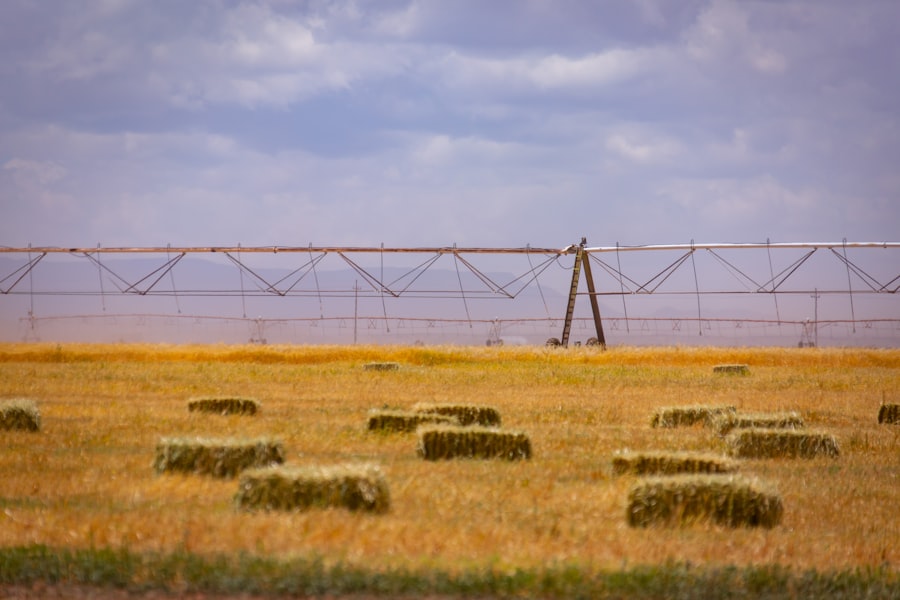
Investing in farmland also comes with legal and regulatory considerations that can impact your investment’s success. Zoning laws, land use regulations, and environmental protections can all affect how you manage your property and the types of activities permitted on it. As a potential investor, it is crucial to familiarize yourself with these regulations to avoid potential legal pitfalls.
Additionally, changes in government policies related to agriculture can have far-reaching implications for your investment. Subsidies, tariffs, and trade agreements can all influence market dynamics and affect the profitability of farming operations. Staying informed about legislative developments and engaging with local agricultural organizations can help you navigate these complexities and make more informed decisions regarding your farmland investments.
Management and Operational Risks
While investing in farmland may seem like a passive endeavor, it often requires some level of management and oversight. If you choose to lease your land to farmers or operate it yourself, you will need to consider the operational risks involved. Poor management practices or inadequate knowledge of agricultural operations can lead to suboptimal yields and financial losses.
If you decide to manage the farmland directly, it is essential to have a solid understanding of farming practices and market conditions. Alternatively, hiring experienced farm managers or agronomists can help mitigate these risks by ensuring that best practices are followed and that the land is utilized effectively. Regardless of your approach, being proactive about management will play a significant role in determining the success of your investment.
Tenant and Lease Risks
If you opt for a leasing arrangement as part of your farmland investment strategy, tenant-related risks will come into play. The success of your investment may depend heavily on the reliability and competence of the tenant farmer who operates on your land. If they fail to meet their obligations or do not manage the land effectively, it could lead to financial losses for you.
To mitigate tenant risks, conducting thorough due diligence before entering into lease agreements is crucial. Assessing a tenant’s experience, financial stability, and farming practices can help ensure that you partner with someone who will maintain the land’s productivity. Additionally, including clear terms in lease agreements regarding maintenance responsibilities and performance expectations can help protect your interests as a landowner.
Financial Risks
Financial risks are another critical aspect of farmland investment that you must consider. The initial capital required to purchase farmland can be substantial, and securing financing may involve taking on debt that could strain your finances if not managed properly. Fluctuations in interest rates can also impact your borrowing costs and overall returns.
Moreover, ongoing expenses such as property taxes, maintenance costs, and insurance premiums must be factored into your financial planning. If crop yields are lower than expected or market prices decline significantly, these costs could become burdensome. To mitigate financial risks, it’s essential to develop a comprehensive budget that accounts for both expected income and potential expenses while maintaining a buffer for unforeseen circumstances.
Mitigating Risks through Diversification
One effective strategy for mitigating risks associated with farmland investment is diversification. By spreading your investments across different types of agricultural properties or geographic regions, you can reduce your exposure to any single risk factor. For instance, investing in both crop-producing land and pastureland for livestock can help balance out potential losses from one sector with gains from another.
Additionally, diversifying within crop types—such as investing in both grains and specialty crops—can further enhance your portfolio’s resilience against market fluctuations. By adopting a diversified approach to farmland investment, you can create a more stable income stream while minimizing the impact of adverse events on any single investment.
Seeking Professional Advice
Navigating the complexities of farmland investment can be challenging, especially if you’re new to this asset class. Seeking professional advice from experts in agriculture or real estate can provide valuable insights that enhance your decision-making process. Financial advisors with experience in farmland investments can help you assess potential opportunities while considering your risk tolerance and financial goals.
Furthermore, engaging with agricultural consultants or land management professionals can offer guidance on best practices for managing your property effectively. They can provide insights into market trends, crop selection, and operational strategies that align with current agricultural practices. By leveraging professional expertise, you can make more informed decisions that ultimately contribute to the success of your farmland investment journey.
In conclusion, while farmland investment presents unique opportunities for passive income and long-term appreciation, it is essential to approach it with a clear understanding of the associated risks. By being aware of market volatility, environmental factors, legal considerations, management challenges, tenant reliability, financial obligations, and employing strategies like diversification and professional advice-seeking, you can navigate this complex landscape more effectively. With careful planning and informed decision-making, investing in farmland can become a rewarding addition to your overall investment portfolio.
Investing in farmland can be an attractive option for generating passive income, but it is essential to understand the associated risks. For a deeper insight into these risks and how to navigate them, you can refer to the article on farmland investment strategies available at How Wealth Grows. This resource provides valuable information that can help potential investors make informed decisions while considering the potential pitfalls of this investment avenue.
WATCH THIS! The Gold Rush is Over. Now, the Dirt Rush is ON. 🚜💰
FAQs
What is farmland investment for passive income?
Farmland investment for passive income involves purchasing agricultural land with the goal of generating steady income, typically through leasing the land to farmers or through agricultural production, without active day-to-day management by the investor.
What are the common risks associated with farmland investment?
Common risks include market price volatility for crops, weather and climate risks, changes in agricultural policies or subsidies, soil degradation, pest infestations, and potential difficulties in land management or tenant relations.
How does weather impact farmland investment returns?
Weather conditions such as droughts, floods, or unseasonal temperatures can significantly affect crop yields, which in turn impacts rental income or profits from agricultural production, making returns unpredictable.
Is farmland investment considered a safe investment?
While farmland is often viewed as a relatively stable asset due to its tangible nature and demand for food production, it is not risk-free. Factors like environmental changes, market fluctuations, and regulatory shifts can affect its safety and profitability.
Can farmland investment provide consistent passive income?
Farmland can provide consistent passive income, especially when leased to reliable tenants. However, income levels may vary due to factors like crop prices, lease terms, and unforeseen events affecting agricultural productivity.
What should investors consider before investing in farmland?
Investors should evaluate location, soil quality, water availability, local agricultural markets, tenant reliability, legal and environmental regulations, and potential risks related to climate and market conditions.
Are there ways to mitigate risks in farmland investment?
Yes, diversifying investments across different regions or types of farmland, purchasing insurance, conducting thorough due diligence, and working with experienced land managers or agricultural experts can help mitigate risks.
How liquid is farmland as an investment?
Farmland is generally considered an illiquid investment because selling agricultural land can take time due to limited buyers and regulatory requirements, which may affect the ability to quickly access invested capital.
What role do government policies play in farmland investment risks?
Government policies on land use, environmental regulations, subsidies, and taxation can significantly impact farmland profitability and risks, making it important for investors to stay informed about relevant policy changes.
Can farmland investment be affected by environmental concerns?
Yes, environmental issues such as soil erosion, water scarcity, and climate change can affect farmland productivity and value, posing risks to long-term investment returns.