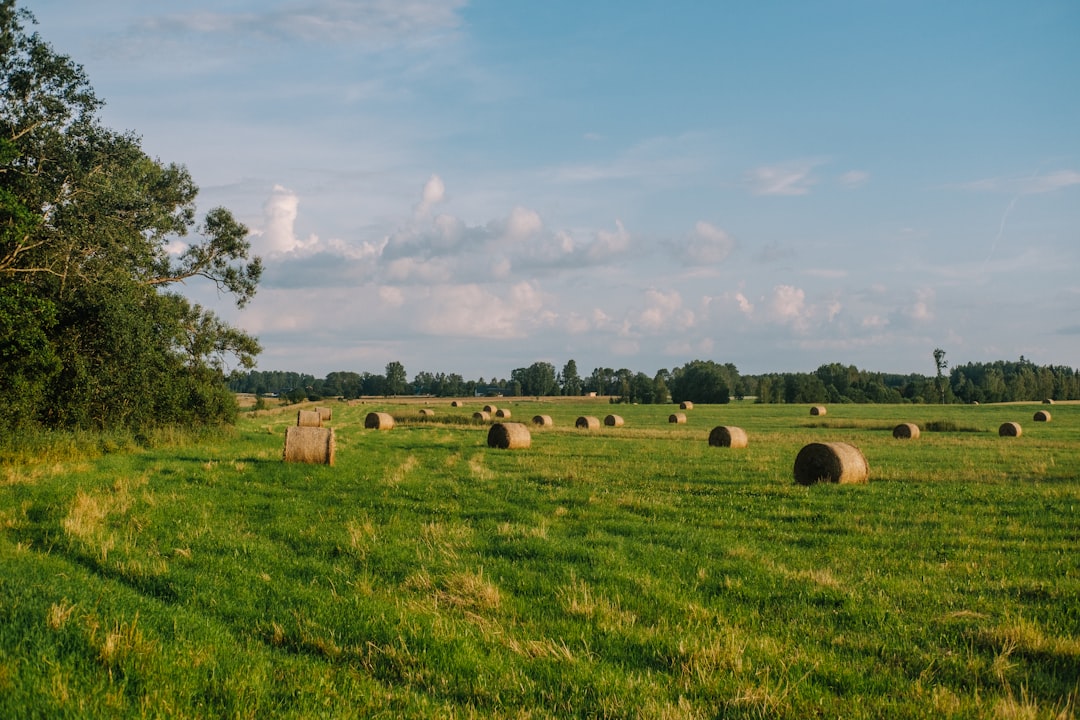
The allure of farmland, a seemingly timeless asset, has increasingly captivated the attention of investors, leading to the rise of Farmland Investment Funds. These entities pool capital from various sources to acquire and manage agricultural land, with the promise of steady returns and diversification. However, as these funds become more prominent players in the global food system, a critical question emerges: what is their impact on the very sustenance of populations – food prices? This article aims to dissect this complex relationship, exploring the mechanics of these funds and their multifaceted influence on the cost of what you put on your plate.
You may have noticed a shift in the landscape. Where once individual farmers and families tilled the soil, increasingly, vast tracts of land are being managed by corporate entities. This is the new reality brought about by Farmland Investment Funds. These funds are not your grandfather’s agricultural cooperative; they are sophisticated financial instruments designed to attract institutional investors, such as pension funds, sovereign wealth funds, and private equity firms, as well as high-net-worth individuals. They operate by aggregating substantial sums of money, which are then deployed to purchase agricultural properties.
What Exactly Is a Farmland Investment Fund?
At its core, a Farmland Investment Fund is a vehicle that allows you to invest in farmland indirectly. Instead of buying a specific plot or farm yourself, you become a shareholder or limited partner in a fund that owns and operates a portfolio of farms. The fund’s management team, often comprising individuals with expertise in finance, agriculture, and real estate, is responsible for acquiring suitable land, leasing it to farmers, overseeing its management, and ultimately aiming to generate returns through rental income and capital appreciation of the land itself. Think of it as buying a piece of a giant, productive pie, rather than baking a single loaf yourself.
Diverse Investment Strategies: Leasing Out vs. Direct Operation
The strategies employed by these funds can vary significantly. Some funds adopt a passive approach, purchasing land and then leasing it out to experienced farmers under long-term agreements. In this model, the fund primarily acts as a landlord, collecting rent and benefiting from the underlying appreciation of the land. Other funds take a more active role, engaging in direct farming operations. This can involve owning and operating the farm machinery, employing farm labor, and making decisions about crop selection, planting, and harvesting. This active role offers the potential for higher returns but also carries greater operational risk and requires a deeper understanding of agricultural practices.
The Investor’s Perspective: Why Farmland?
For investors, farmland offers a compelling proposition, particularly in an era of volatile stock markets and low interest rates. Its historical performance has often been seen as a hedge against inflation, as the value of land and the prices of agricultural commodities tend to rise with general price levels. Furthermore, it is a tangible asset, unlike stocks or bonds, which can offer a sense of security.
Diversification Benefits: A Stable Anchor in a Turbulent Sea
One of the primary drivers for institutional investors is diversification. Farmland’s performance is often uncorrelated with traditional asset classes like equities and bonds. This means that when your stock portfolio is taking a beating, your farmland investment might be holding steady or even appreciating, providing a stabilizing effect on your overall investment portfolio. It’s like having a sturdy anchor in a stormy sea, keeping your financial vessel from being tossed about too wildly.
Inflation Hedge: Protecting Your Purchasing Power
Historically, farmland has proven to be a reliable inflation hedge. As the general cost of goods and services rises, so too do the prices of agricultural commodities and, consequently, the value of the land that produces them. This ability to preserve purchasing power over time makes it an attractive long-term investment, especially in periods of economic uncertainty where inflation is a concern.
Investing in farmland has become an increasingly popular strategy for those looking to diversify their portfolios, particularly in light of rising food prices. A related article discusses how farmland investment funds can serve as a hedge against inflation and provide stable returns, making them an attractive option for investors. For more insights on this topic, you can read the article here: How Wealth Grows.
The Mechanics of Influence: How Funds Acquire and Manage Land
The way Farmland Investment Funds operate has a direct bearing on their influence. The sheer scale of capital they deploy and the sophisticated management techniques they employ create a ripple effect throughout the agricultural sector.
The Acquisition Trail: Building a Land Empire
When a fund decides to acquire land, it often does so through large-scale purchases. This can involve buying entire farms from retiring farmers, consolidating smaller parcels, or even engaging in bidding wars with other buyers. The capital available to these funds often dwarfs that of individual farmers, allowing them to outbid local producers or acquire land that might otherwise remain in family ownership for generations.
Impact on Land Values: The Price Tag Goes Up
The presence of large institutional buyers can significantly drive up land values in a given region. As demand for farmland increases due to fund activity, limited supply naturally leads to higher prices. This can be a double-edged sword for existing farmers. While it might increase the equity they hold in their land, it also makes it significantly more expensive to purchase additional land for expansion or for new farmers to enter the industry. This escalating price tag can create a barrier to entry, making it harder for smaller, independent operations to thrive.
Leasing Arrangements: The Landlord-Tenant Dynamic
Once acquired, the majority of farmland owned by these funds is leased to farmers. These leasing agreements are crucial as they directly influence the operational realities for those who work the land. The terms of these leases, including duration, rent structure, and responsibilities, can have a profound impact on a farmer’s ability to invest in their operations and their overall profitability.
Negotiating Power: A David and Goliath Scenario
The negotiating power between a large Farmland Investment Fund and an individual farmer is often asymmetrical. Funds, with their legal teams and financial expertise, are in a strong position to dictate terms. While many funds aim for mutually beneficial relationships, the inherent imbalance means that farmers may be compelled to accept leases that offer less favorable terms, potentially impacting their ability to allocate capital towards sustainable practices or technological upgrades. This can feel like a David and Goliath scenario, where the smaller farmer is at a disadvantage.
Management and Operational Oversight: Efficiency vs. Consolidation
Some funds engage in more direct management of their farmland holdings. This can involve implementing standardized farming practices across their portfolio, investing in advanced technology, and focusing on maximizing yields. While this can lead to increased efficiency and potentially lower production costs in the long run, it can also contribute to the consolidation of farming operations.
Economies of Scale: Efficiency’s Double-Edged Sword
The pursuit of economies of scale is a common objective for these funds. By operating large, contiguous parcels of land, they can achieve greater efficiency in planting, harvesting, and resource allocation. This can lead to lower per-unit production costs. However, this drive for efficiency can also lead to the marginalization of smaller, less capitalized farms that cannot achieve similar economies of scale. This consolidation can reduce the diversity of farming practices and potentially create regional dependencies on a few large operators.
The Price of Plenty: Farmland Funds and Food Cost Interplay
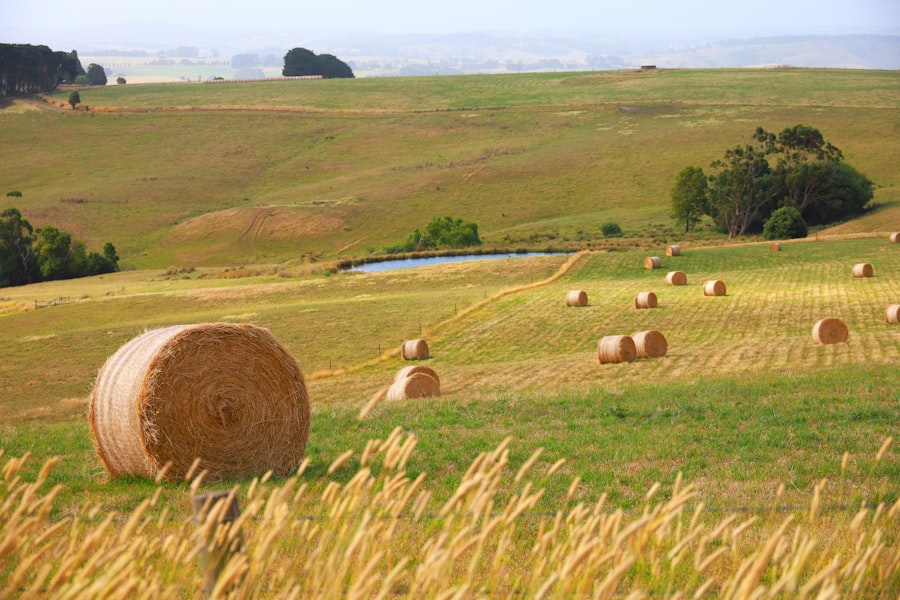
The most significant question for you, the consumer, is undoubtedly how these financial maneuvers translate to the cost of your groceries. The impact of Farmland Investment Funds on food prices is not a single, direct cause-and-effect but rather a complex web of interconnected factors.
Input Costs: The Farmer’s Bottom Line
The cost of producing food is influenced by a myriad of inputs, from seeds and fertilizers to labor and machinery. When farmland becomes more expensive to acquire or lease, these increased costs are often passed down the supply chain.
Land Rent as a Production Cost: A Growing Burden
For farmers who lease land, the rent paid to the fund becomes a significant production cost. As funds seek to maximize returns for their investors, these rental rates can increase over time. This higher cost of access to land directly impacts the farmer’s profitability and, consequently, the price they may need to charge for their produce to remain viable. It’s akin to a landlord raising your rent significantly; you, as a tenant, have to find ways to absorb that extra expense, which might mean raising your own prices for goods or services.
Capital Investment and Technology Adoption: Potential for Cost Reduction or Increase
Funds with significant capital may invest in advanced farming technologies, such as precision agriculture, automated machinery, and improved irrigation systems. In theory, these investments can lead to increased yields and greater efficiency, potentially driving down production costs. However, the initial outlay for such technologies can be substantial, and the benefits may not be immediately realized or may accrue primarily to the fund rather than directly to the consumer. Moreover, if these technologies require specialized inputs or maintenance, they could also introduce new cost drivers.
Supply and Demand Dynamics: The Global Palate
The activities of Farmland Investment Funds can influence both the supply and demand for agricultural products on a global scale, creating a ripple effect that ultimately touches your grocery bill.
Increased Production Capacity: A Double-Edged Scythe
When funds invest in improving farmland and employing modern agricultural techniques, they can contribute to increased food production capacity. If this increased supply outpaces demand, it can theoretically lead to lower prices. However, investment decisions are often driven by market demand for specific commodities. If funds focus on high-demand, high-return crops, this can shift overall production patterns, potentially leading to gluts in some areas and shortages in others.
Speculation and Market Volatility: The Unpredictable Ingredient
The very nature of investment funds, particularly those driven by financial market principles, can introduce an element of speculation into agricultural markets. While farmland itself is a real asset, its perceived value and the potential returns it can generate can be influenced by broader financial trends and investor sentiment. This can lead to periods of heightened volatility in land values and, by extension, in the prices of agricultural commodities. When the financial markets are in a frenzy, agricultural land can sometimes become a safe haven or a speculative play, leading to price swings that are not directly tied to the actual cost of producing food.
The Role of Global Trade and Market Access: Bridging Continents
Farmland Investment Funds often operate on a global scale, acquiring land in various countries and producing commodities that are traded internationally. This global dimension adds another layer of complexity to their impact on food prices.
Export-Oriented Agriculture: Feeding Distant Tables
Many of these funds are focused on producing commodities for export markets. If a significant portion of farmland in a particular region is dedicated to export crops, this can reduce the availability of those crops for the domestic market, potentially driving up local prices. Conversely, increased production from these funds for the global market can help to stabilize international prices.
Currency Fluctuations and Trade Policies: Shifting Sands
The prices of internationally traded agricultural commodities are also influenced by factors such as currency exchange rates and trade policies. When a Farmland Investment Fund is operating across borders, currency fluctuations can impact their profitability and their pricing decisions. Similarly, changes in tariffs, import/export quotas, and trade agreements can create new cost structures or open up new markets, indirectly affecting the prices you pay.
Beyond the Farm Gate: Broader Socioeconomic Implications
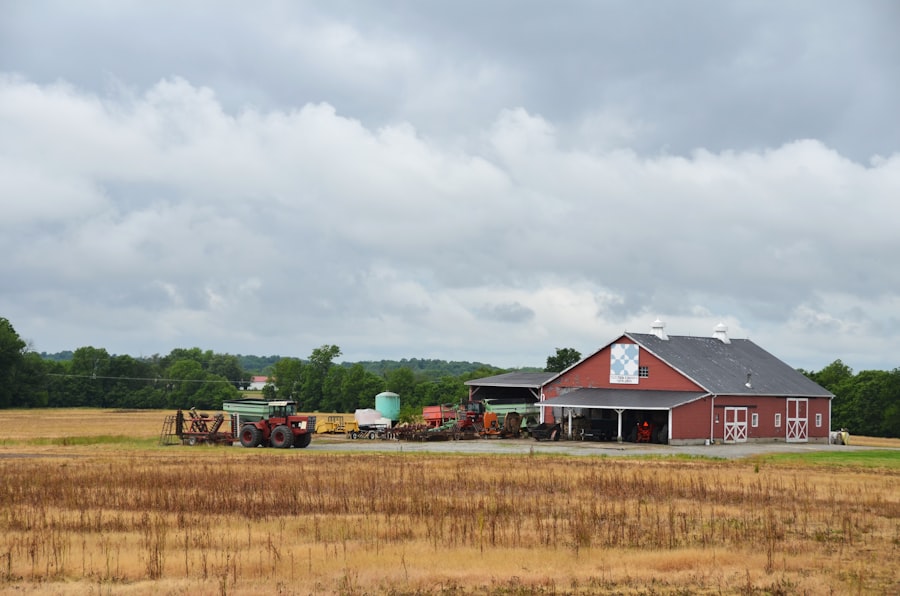
The influence of Farmland Investment Funds extends beyond mere price fluctuations. Their growing presence has broader socioeconomic implications that you should be aware of.
Land Access and Farmer Livelihoods: The Changing Face of Agriculture
As previously mentioned, the increasing cost of land due to fund acquisitions can make it exceedingly difficult for new farmers to enter the industry and for existing smaller farmers to expand. This can lead to a consolidation of agricultural operations, potentially reducing the number of independent farmers and concentrating land ownership in fewer hands.
The Disappearing Family Farm: A Cherished Tradition at Risk
The traditional image of the family farm, a cornerstone of many rural communities, is increasingly under pressure. When land is sold to large investment funds, it can mean the end of multi-generational farming operations. This not only has economic consequences for the families involved but also can impact the social fabric of rural areas, potentially leading to depopulation and a loss of local knowledge and heritage. The narrative of these farms, like cherished heirlooms, may be lost to the impersonal ledger of investment returns.
Food Security and Sovereignty: Who Controls the Harvest?
The concentration of farmland ownership in the hands of a few large entities, especially those with global reach, raises questions about food security and food sovereignty. If a significant portion of a nation’s food production is controlled by foreign-owned investment funds, it could create vulnerabilities in times of geopolitical instability or economic crisis.
The Power of the Purse: Influence Over Agricultural Policy
Large institutional investors, with their substantial financial clout, can exert considerable influence over agricultural policy and regulations. This can occur through lobbying efforts or by shaping industry standards. While their intentions may be to improve efficiency and profitability, this influence could inadvertently lead to policies that favor large-scale industrial agriculture over smaller, diversified operations or those focused on sustainable practices.
Environmental Considerations: The Stewardship of the Soil
The way farmland is managed has crucial environmental implications, from soil health and water usage to biodiversity and carbon emissions. The investment strategies of Farmland Investment Funds can either promote or detract from sustainable land management practices.
Short-Term Gains vs. Long-Term Stewardship: A Balancing Act
Some funds, driven by the need to deliver short-term returns to their investors, may prioritize immediate yield maximization, potentially at the expense of long-term soil health or environmental sustainability. Practices that deplete soil nutrients or overuse water resources might be employed if they are seen as more profitable in the short term. However, a growing trend among more forward-thinking funds is to incorporate ESG (Environmental, Social, and Governance) principles into their investment strategies, recognizing that sustainable practices can also lead to long-term financial benefits.
Investing in farmland has gained significant attention recently, especially as food prices continue to fluctuate due to various economic factors. A related article discusses how farmland investment funds can serve as a hedge against rising food costs, providing both financial returns and a tangible asset. For those interested in exploring this topic further, you can read more about it in this insightful piece on how wealth grows. This connection between agricultural investments and food price stability highlights the potential benefits of diversifying one’s portfolio into farmland.
navigating the future: Your Role as a Conscious Consumer
| Year | Farmland Investment Funds (Billion USD) | Global Food Price Index | Percentage Change in Food Prices | Correlation Coefficient |
|---|---|---|---|---|
| 2018 | 12.5 | 105 | +3% | 0.68 |
| 2019 | 14.0 | 110 | +4.8% | |
| 2020 | 16.2 | 120 | +9.1% | |
| 2021 | 18.7 | 135 | +12.5% | |
| 2022 | 21.3 | 150 | +11.1% |
Understanding the impact of Farmland Investment Funds on food prices is not about succumbing to alarmism, but about fostering informed decision-making. You, as a consumer, hold significant power in shaping the agricultural landscape.
The Power of Choice: Where Your Food Comes From Matters
Every purchase you make sends a signal to the market. By consciously choosing where to buy your food and supporting producers who employ sustainable and ethical practices, you can influence demand. This might mean opting for locally sourced produce, supporting farmer’s markets, or seeking out brands that are transparent about their supply chains and their commitment to responsible land stewardship.
Supporting Local and Sustainable Agriculture: Planting Seeds of Change
When you choose to buy from local farmers or from companies that prioritize sustainability, you are directly supporting a different model of agriculture. This can help create a more resilient and equitable food system, one that is less susceptible to the volatile currents of global finance and more attuned to the needs of communities and the environment. It’s like choosing to nurture a small garden in your backyard rather than relying solely on produce trucked in from afar.
Transparency and Accountability: Demanding Clarity
As Farmland Investment Funds become more prevalent, advocating for greater transparency and accountability within the industry is crucial. This includes understanding who owns and controls the land that produces your food and the practices employed on that land.
Informed Choices: Educating Yourself and Others
By equipping yourself with knowledge about these investment structures and their potential impacts, you can become a more informed consumer and advocate for positive change. Sharing this information with friends and family, engaging in discussions with policymakers, and supporting organizations that champion agricultural reform can all contribute to a more equitable and sustainable food future.
The Future of Food: A Collective Responsibility
The future of food is a collective responsibility. By understanding the complexities of farmland investment and its impact on food prices, you can make more conscious choices that support a food system that is not only affordable but also sustainable, equitable, and resilient for generations to come. The decisions made today about who owns and manages our farmland will, in large part, dictate the bounty on your table tomorrow.
FAQs
What are farmland investment funds?
Farmland investment funds are pooled investment vehicles that acquire agricultural land to generate returns through farming operations, land appreciation, or leasing to farmers. These funds allow investors to gain exposure to the agricultural sector without directly managing farmland.
How do farmland investment funds impact food prices?
Farmland investment funds can influence food prices by affecting land availability and farming practices. Large-scale acquisitions may reduce land access for traditional farmers, potentially impacting food production costs. However, increased investment can also lead to improved agricultural efficiency and productivity, which may help stabilize or lower food prices.
Why are investors interested in farmland investment funds?
Investors are attracted to farmland investment funds because farmland is considered a tangible asset with potential for steady income through crop production and land value appreciation. Additionally, farmland investments can provide diversification benefits and act as a hedge against inflation.
Are there risks associated with investing in farmland funds?
Yes, risks include market volatility, changes in agricultural commodity prices, weather-related impacts, regulatory changes, and potential difficulties in land management. Additionally, geopolitical factors and shifts in food demand can affect the profitability of farmland investments.
How do farmland investment funds differ from direct farmland ownership?
Farmland investment funds allow investors to participate indirectly in farmland ownership through pooled capital managed by professionals, reducing the need for hands-on management. Direct ownership requires active involvement in land management and farming operations, which can be time-consuming and require specialized knowledge.