Farmland investment carries several significant risks that require careful consideration. Agricultural commodity prices are subject to substantial volatility, driven by factors including weather patterns, international demand fluctuations, and policy changes. These price movements directly affect investment returns, making it necessary to monitor market conditions and understand agricultural economic trends.
Physical risks represent another critical concern for farmland owners. Natural disasters such as droughts, floods, and pest infestations can cause substantial crop damage and financial losses. The inherent unpredictability of agricultural production means that even well-executed farming operations may experience significant setbacks.
Effective risk management strategies should incorporate comprehensive insurance coverage and contingency planning to protect against potential losses.
Key Takeaways
- Farmland investment carries unique risks that require thorough understanding before committing funds.
- Comprehensive research and analysis are essential to identify promising farmland opportunities.
- Evaluating potential returns and long-term outlook helps in making informed investment decisions.
- Environmental, regulatory, and operational challenges must be carefully considered to ensure sustainable ownership.
- Diversification and professional guidance enhance the management and future planning of farmland investments.
Researching and Analyzing Farmland Opportunities
Before diving into farmland investment, thorough research is paramount. You should start by identifying regions with strong agricultural potential. Factors such as soil quality, climate, and access to water resources play a significant role in determining the viability of farmland.
By analyzing these elements, you can pinpoint areas that are not only productive but also have a history of stable returns. Once you have identified potential locations, it’s time to delve deeper into specific opportunities. This involves examining local market conditions, understanding the types of crops that thrive in the area, and assessing the competition.
You may want to connect with local farmers or agricultural experts who can provide insights into the nuances of farming in that region. This groundwork will equip you with the knowledge necessary to make informed decisions about where and how to invest. Investing in farmland investment can provide sustainable returns and long-term growth opportunities.
Assessing the Potential Return on Investment
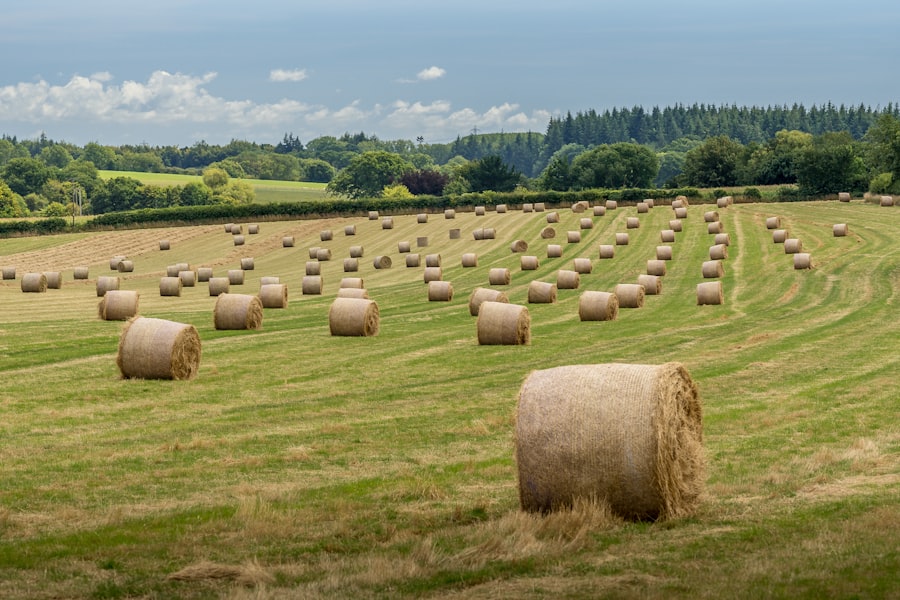
Evaluating the potential return on investment (ROI) is a critical step in your farmland investment journey. You need to consider both short-term and long-term returns when assessing an opportunity. Short-term returns may come from leasing the land to farmers or engaging in crop production yourself, while long-term returns could stem from appreciation in land value over time.
To accurately assess ROI, you should analyze historical data on land prices and crop yields in your chosen area. This analysis will help you project future earnings and understand the factors that could influence your investment’s profitability. Additionally, consider the costs associated with owning farmland, such as property taxes, maintenance expenses, and any necessary improvements.
By calculating these costs against your expected income, you can gain a clearer picture of your potential ROI.
Evaluating the Long-Term Outlook for Farmland
The long-term outlook for farmland investment is influenced by various factors, including demographic trends, technological advancements, and shifts in consumer preferences. As the global population continues to grow, the demand for food is expected to rise significantly.
Moreover, advancements in agricultural technology are transforming farming practices and improving yields. Precision agriculture, for instance, allows farmers to optimize their operations through data-driven decisions. As these technologies become more widespread, they can enhance the productivity of your farmland investment.
However, it’s essential to stay abreast of these developments and consider how they may impact your investment strategy over time.
Considering Environmental and Regulatory Factors
| Metric | Description | Considerations for Beginners | Warning |
|---|---|---|---|
| Initial Investment | Amount of capital required to purchase farmland | Start with smaller plots or consider farmland REITs | High upfront costs can lead to financial strain |
| Land Quality | Soil fertility, water availability, and climate suitability | Research soil reports and local climate data | Poor land quality reduces crop yields and profitability |
| Market Volatility | Fluctuations in crop prices and demand | Diversify crops or investment types to mitigate risk | Price drops can lead to losses and cash flow issues |
| Management Requirements | Time and expertise needed to manage farmland | Consider hiring experienced managers or partners | Lack of knowledge can result in poor land use and losses |
| Legal and Regulatory Risks | Local laws, zoning, and environmental regulations | Consult legal experts before purchase | Non-compliance can lead to fines or forced sale |
| Liquidity | Ease of selling farmland or exiting investment | Plan for long-term investment horizons | Farmland can be difficult to sell quickly without loss |
| Environmental Risks | Weather events, pests, and climate change impacts | Invest in insurance and sustainable practices | Natural disasters can cause significant damage and loss |
Environmental considerations are paramount when investing in farmland. Sustainable farming practices are becoming increasingly important as consumers demand more eco-friendly products. You should evaluate how environmental factors such as soil health, water availability, and biodiversity may affect your investment’s viability.
Implementing sustainable practices not only benefits the environment but can also enhance your land’s value and appeal to a broader market. Regulatory factors also play a significant role in farmland investment. Zoning laws, land use regulations, and environmental protections can all impact how you manage your property.
It’s essential for you to familiarize yourself with local regulations and ensure compliance to avoid potential legal issues down the line. Engaging with local authorities or agricultural organizations can provide valuable insights into the regulatory landscape affecting your investment.
Understanding the Operational Challenges of Farmland Ownership
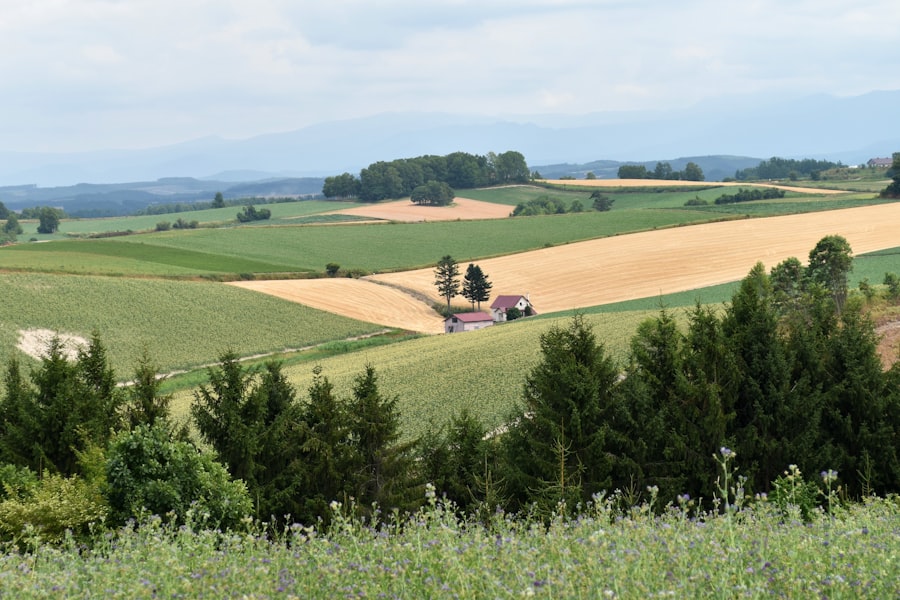
Owning farmland comes with its own set of operational challenges that you must be prepared to navigate. One of the most significant challenges is managing the day-to-day operations of farming. If you plan to farm the land yourself, you’ll need to acquire knowledge about crop management, equipment maintenance, and labor management.
Alternatively, if you choose to lease the land to farmers, finding reliable tenants who will care for your property is crucial. Additionally, you should be prepared for unexpected challenges that may arise during the growing season. Weather events, pest outbreaks, or equipment failures can disrupt operations and impact yields.
Having a solid operational plan in place will help you respond effectively to these challenges and minimize their impact on your investment.
Exploring Different Types of Farmland Investments
Farmland investment is not a one-size-fits-all approach; there are various types of investments you can explore based on your goals and risk tolerance. Direct ownership of agricultural land is one option that allows you full control over operations and decision-making. However, this approach requires significant capital and expertise.
Alternatively, you might consider investing in agricultural real estate investment trusts (REITs) or farmland funds. These options allow you to invest in farmland without directly managing it yourself. They provide diversification and professional management while still offering exposure to the agricultural sector.
Each type of investment comes with its own set of risks and rewards, so it’s essential for you to evaluate which aligns best with your financial objectives.
Seeking Professional Advice and Guidance
Navigating the complexities of farmland investment can be daunting, which is why seeking professional advice is highly recommended. Engaging with agricultural consultants or financial advisors who specialize in farmland can provide you with valuable insights and guidance tailored to your specific situation. They can help you assess potential opportunities, evaluate risks, and develop a comprehensive investment strategy.
Additionally, networking with other investors or joining agricultural associations can offer support and resources as you embark on your investment journey. Learning from others’ experiences can help you avoid common pitfalls and make more informed decisions about your farmland investments.
Diversifying Your Investment Portfolio with Farmland
Incorporating farmland into your investment portfolio can be an effective way to diversify your assets. Farmland often behaves differently than traditional investments like stocks or bonds, providing a hedge against market volatility. By adding farmland to your portfolio, you can reduce overall risk while potentially enhancing returns.
Moreover, farmland investments tend to have low correlation with other asset classes, meaning they may perform well even when other investments are struggling. This unique characteristic makes farmland an appealing option for investors looking to create a balanced portfolio that withstands economic fluctuations.
Managing and Monitoring Your Farmland Investment
Once you’ve made your farmland investment, ongoing management and monitoring are essential for success. Regularly assessing the condition of your land and crops will help you identify any issues early on and take corrective action as needed. If you’re leasing the land to farmers, maintaining open communication with them is crucial for ensuring that operations run smoothly.
You should also keep an eye on market trends and changes in agricultural practices that could impact your investment’s performance. Staying informed will enable you to make timely decisions regarding crop selection, leasing agreements, or potential improvements to the property.
Planning for the Future of Your Farmland Investment
As with any investment, planning for the future is vital when it comes to farmland ownership. Consider your long-term goals: Are you looking for steady income through leasing or aiming for capital appreciation? Your strategy will influence how you manage your property over time.
Additionally, think about succession planning if you’re considering passing down your farmland investment to future generations. Establishing a clear plan for transferring ownership or management responsibilities will ensure that your investment continues to thrive long after you’re gone. Engaging with estate planning professionals can help you navigate this process effectively.
By understanding the risks involved, conducting thorough research, assessing potential returns, and seeking professional guidance, you can position yourself for success in this unique asset class. With thoughtful management and a long-term perspective, farmland can become a valuable addition to your investment portfolio.
For those considering farmland investment, it’s essential to approach this opportunity with caution and knowledge. A helpful resource for beginners is the article found at