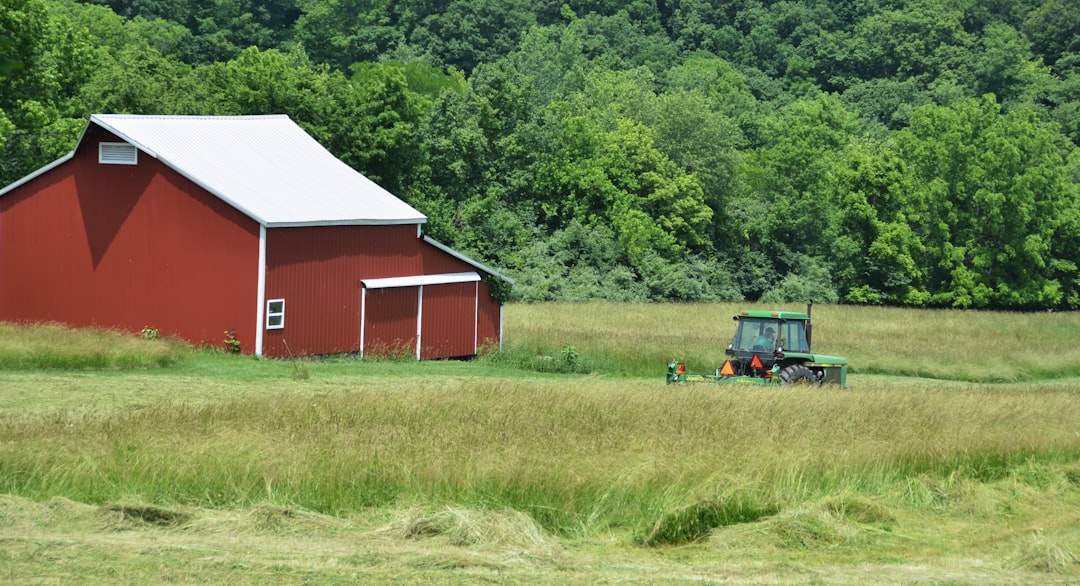
You’re considering your options for long-term wealth preservation and growth. Perhaps you’ve explored equities, real estate, precious metals, or even cryptocurrencies. Each presents a unique risk-reward profile. But have you truly examined the enduring appeal of farmland? This venerable asset class, often overlooked in the clamor of modern financial markets, offers a compelling proposition for the astute investor seeking stability, intrinsic value, and sustained returns. Think of farmland not just as dirt, but as a living factory, perpetually producing, adapting, and growing value under your stewardship.
In an increasingly digitized and abstract financial world, the solidity of physical assets holds a unique allure. Farmland, unlike a stock certificate or a digital currency, is something you can literally walk on, touch, and observe in its productive capacity. This tangibility offers a psychological comfort and a fundamental hedge against systemic uncertainties. Learn more about the financialization of American agriculture and its impact on the economy.
Intrinsic Value and Scarcity
Farmland possesses an inherent value rooted in its ability to produce food, fiber, and fuel. This utility is constant and immutable, regardless of market fluctuations or geopolitical tremors. As the global population continues to expand, the demand for agricultural products will only intensify, placing upward pressure on the value of the land itself. You are investing in the foundation of human sustenance.
A Limited Resource
The Earth’s arable land is finite. While technological advancements can improve yields on existing land, the absolute quantity of productive soil is fixed. Urban sprawl, erosion, and climate change further constrain this supply. This scarcity principle is a powerful driver of long-term appreciation. You are acquiring a piece of an increasingly rare and critical resource.
Investing in farmland has gained popularity as a long-term investment strategy, offering potential stability and growth in an ever-changing economic landscape. For those interested in exploring this topic further, a related article can be found at How Wealth Grows, which discusses the benefits and considerations of investing in agricultural land. This resource provides valuable insights into how farmland can serve as a hedge against inflation and a means of diversifying an investment portfolio.
Farmland as an Inflation Hedge
Inflation, the silent thief of purchasing power, erodes the value of currency over time. Protecting your capital from this insidious force is a paramount concern for any long-term investor. Farmland historically demonstrates a strong correlation with inflation, making it an effective inflationary hedge.
Rising Commodity Prices
When inflation takes hold, the cost of goods and services typically rises. Agricultural commodities—the output of farmland—are no exception. As wheat, corn, soybeans, and other farm products become more expensive, the revenue derived from cultivating farmland increases, directly benefiting the landowner. Your investment is tied to the price of basic necessities, which tend to rise with inflation.
Land Value Appreciation
Beyond commodity prices, the value of the land itself tends to appreciate during inflationary periods. This is because real assets, particularly those with intrinsic utility, are often perceived as safe havens when fiat currencies depreciate. Investors seek to convert declining cash into tangible assets, boosting demand for land. Consider your farmland as an anchor in a rising tide of prices.
Rental Income Adjustments
If you choose to lease your farmland to an operator, rental agreements often incorporate provisions for periodic adjustments, allowing you to increase your income in line with prevailing market rates and inflationary pressures. This provides a dynamic income stream that adapts to economic realities.
Diversification and Portfolio Stability
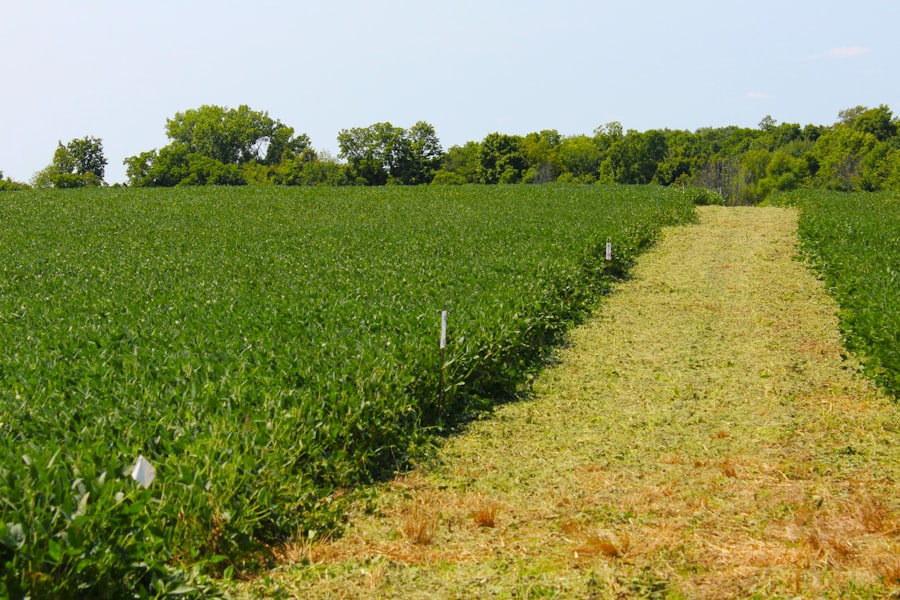
A well-constructed investment portfolio is a diversified portfolio. Farmland offers a unique asset class that often performs independently of traditional financial markets, providing valuable diversification benefits and enhancing overall portfolio stability.
Low Correlation with Traditional Assets
Farmland typically exhibits a low correlation with stocks, bonds, and even commercial real estate. This means that when one asset class experiences a downturn, farmland may remain stable or even appreciate, dampening overall portfolio volatility. Imagine farmland as a steady keel, balancing your portfolio against market storms.
Reduced Volatility
Compared to the often-turbulent swings of the stock market, farmland values tend to be less volatile. Its pricing is driven by fundamental economic factors, such as population growth, food demand, and agricultural productivity, rather than speculative sentiment. This provides a smoother and more predictable investment trajectory.
A Hedge Against Economic Downturns
While no investment is entirely immune to economic pressures, farmland often demonstrates resilience during economic downturns. People still need to eat, regardless of the unemployment rate or GDP figures. This inherent demand for agricultural output provides a foundational stability that many other assets lack.
Income Generation and Returns
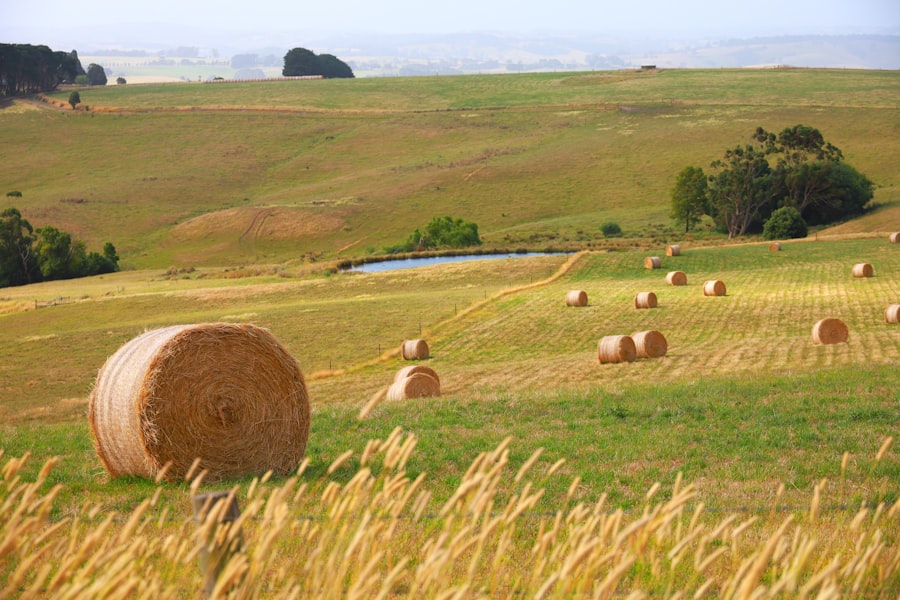
Beyond capital appreciation, farmland provides a consistent and often growing source of income, offering a dual pathway to investor returns.
Rental Income
Many farmland investors choose to lease their land to experienced farmers. This provides a steady stream of rental income, which can be structured in various ways, such as cash rent per acre or a crop-share agreement. This passive income stream contributes directly to your return on investment. Think of it as the regular harvest of your investment, even if you are not directly tilling the soil.
Capital Appreciation
Historically, farmland has demonstrated consistent long-term capital appreciation. This is driven by the factors discussed previously: scarcity, population growth, and inflation hedging. As the value of land increases, so does your equity in the asset.
Potential for Operational Profits
For those with an agricultural background or a willingness to engage in direct farming, operating the land yourself can unlock additional profits from crop sales and livestock production. This is a more hands-on approach but offers the potential for higher returns. However, it also introduces operational risks and requires specialized knowledge.
Investing in farmland has gained attention as a promising long-term strategy, especially in a world where food demand continues to rise. A related article discusses various aspects of this investment approach, highlighting its potential benefits and risks. For those interested in exploring this topic further, you can read more about it in this insightful piece on wealth growth. By understanding the dynamics of agricultural investments, investors can make informed decisions that align with their financial goals. Check out the article here: wealth growth.
Considerations Before Investing
| Metric | Description | Typical Range / Value | Notes |
|---|---|---|---|
| Annual Return | Average yearly percentage gain from farmland investment | 6% – 12% | Includes income from crop sales and land appreciation |
| Land Appreciation Rate | Annual increase in farmland value | 3% – 8% | Varies by region and market conditions |
| Income Yield | Annual income generated from leasing or farming activities | 2% – 5% | Depends on crop type and lease agreements |
| Volatility | Price fluctuation level compared to stocks or bonds | Low to Moderate | Farmland tends to be less volatile than equities |
| Inflation Hedge | Effectiveness in protecting against inflation | High | Land values and crop prices often rise with inflation |
| Liquidity | Ease of converting farmland to cash | Low | Farmland sales can take months to complete |
| Holding Period | Recommended minimum investment duration | 10+ years | Long-term horizon needed to realize gains |
| Tax Benefits | Potential tax advantages from farmland ownership | Varies | Includes depreciation, conservation easements, and capital gains treatment |
While the advantages of farmland investment are compelling, it’s crucial to approach this asset class with a clear understanding of its unique characteristics and potential challenges. Like any significant decision, thorough due diligence is paramount.
Illiquidity
Farmland is not a liquid asset. Selling a parcel of land can take time, often months, depending on market conditions and the specific property. You cannot quickly convert your investment to cash as you can with a publicly traded stock. Therefore, ensure that capital allocated to farmland is not needed for immediate financial obligations. Consider this a long-term commitment, not a short-term trade.
Management Requirements
While passive rental income is an attractive feature, even leased farmland requires some level of management. This could involve finding and vetting tenants, negotiating lease agreements, monitoring land health, and addressing occasional issues. If you choose to operate the farm yourself, the management requirements drastically increase, encompassing everything from planting schedules to equipment maintenance and market sales.
Environmental Factors and Risk
Agriculture is inherently exposed to environmental risks. Weather patterns, such as droughts or floods, can significantly impact crop yields and, consequently, income. Pests and diseases also pose a threat. While insurance can mitigate some of these risks, they remain fundamental considerations. You are investing in a system that is intimately connected to nature’s whims.
Market Knowledge and Due Diligence
Understanding local agricultural markets, soil types, water rights, and zoning regulations is crucial. Investing in farmland requires specialized knowledge or access to expert advice. Thorough due diligence, including professional appraisals, environmental assessments, and legal reviews, is essential before committing capital. Don’t venture into this complex landscape without a reliable map and experienced guides.
Capital Intensity
Farmland acquisition often requires a substantial upfront capital investment. While financing options are available, a significant portion of your portfolio may be tied up in this single asset. Carefully assess your financial capacity and risk tolerance.
Conclusion
Farmland, in its unassuming yet profoundly essential form, presents a compelling and often underestimated opportunity for the long-term investor. It stands as a bulwark against inflation, a pillar of portfolio diversification, and a source of both capital appreciation and consistent income. Its tangible nature and fundamental utility in feeding a growing world population underscore its enduring value.
As you navigate the complex terrain of investment options, consider the profound stability and intrinsic worth offered by farmland. It is an investment rooted in the very earth beneath our feet, a testament to the cycles of nature and the fundamental needs of humanity. By carefully evaluating the opportunities and acknowledging the considerations, you may discover that farmland is precisely the stable, long-term anchor your investment portfolio needs. Your foresight today in securing a piece of this productive resource could yield substantial and sustainable returns for generations to come.
WATCH THIS! ⚠️💰🌾 Why Wall Street Is Buying Up America’s Farmland (And Why It Should Terrify You)
FAQs
What makes farmland a good long-term investment?
Farmland is considered a good long-term investment because it typically appreciates in value over time, provides a hedge against inflation, and generates steady income through agricultural production or leasing. Its intrinsic value is supported by the finite supply of arable land and growing global food demand.
How does farmland compare to other types of investments?
Compared to stocks or bonds, farmland tends to be less volatile and offers tangible asset security. It also provides diversification benefits in an investment portfolio. Unlike some real estate, farmland has productive use, generating income through crop production or leasing to farmers.
What factors influence the value of farmland?
Key factors include soil quality, location, climate, water availability, local agricultural markets, and government policies. Infrastructure access and land management practices also impact farmland value and productivity.
Is farmland a liquid investment?
Farmland is generally less liquid than stocks or bonds because it can take time to find buyers and complete transactions. However, farmland can be sold or leased, providing some flexibility in accessing capital.
What are the risks associated with investing in farmland?
Risks include weather variability, commodity price fluctuations, changes in agricultural policy, environmental regulations, and potential land degradation. Market demand and operational costs can also affect profitability.
Can investors generate income from farmland without farming it themselves?
Yes, investors can lease farmland to farmers or agricultural companies, earning rental income without direct involvement in farming operations. This approach reduces operational risks and management responsibilities.
How does farmland act as a hedge against inflation?
Farmland values and agricultural commodity prices often rise with inflation, preserving purchasing power. The income generated from farmland leases or production typically increases with inflation, providing a natural hedge.
What is the typical holding period for farmland investments?
Farmland is usually held for the long term, often 10 years or more, to realize appreciation and income benefits. Short-term fluctuations in value are common, but long-term trends tend to be positive.
Are there tax advantages to investing in farmland?
Tax benefits vary by jurisdiction but may include favorable capital gains treatment, depreciation deductions, and estate planning advantages. Investors should consult tax professionals to understand specific implications.
How can one start investing in farmland?
Investors can purchase farmland directly, invest in farmland real estate investment trusts (REITs), or participate in agricultural funds. Direct ownership requires due diligence on land quality and management, while funds and REITs offer more liquidity and professional management.