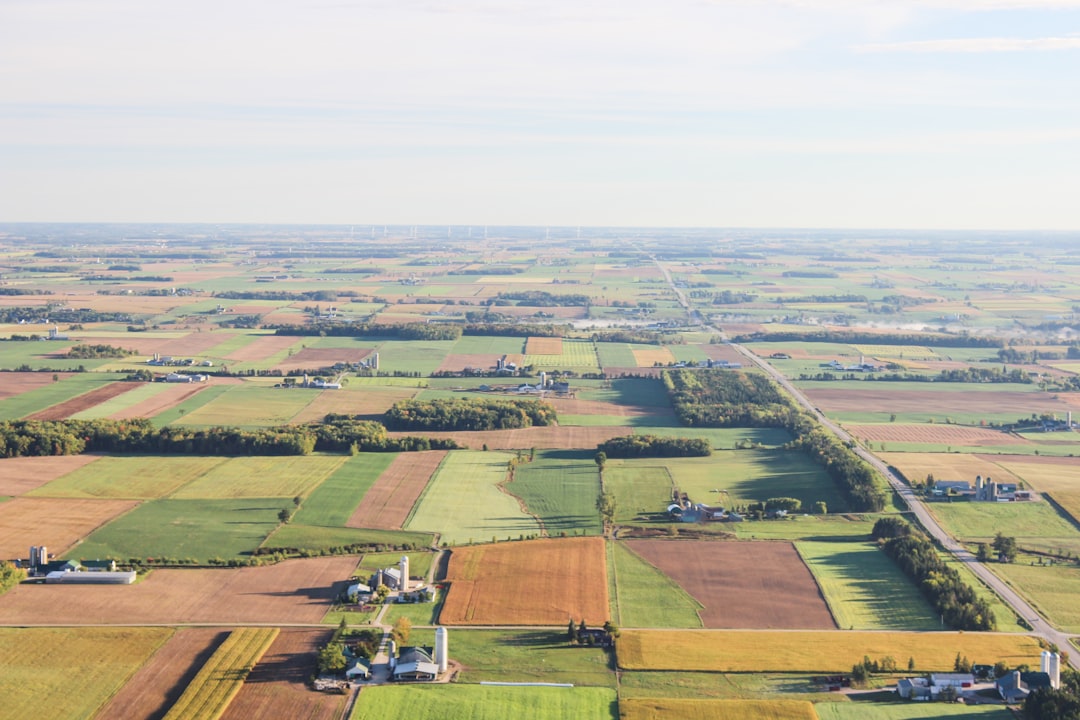
Farmland has emerged as a significant investment consideration for managing inflation risk in global economies. As a finite resource with intrinsic value, farmland produces essential commodities including food and fiber, which distinguishes it from traditional financial assets. This fundamental utility provides a natural hedge against inflation, as the purchasing power of agricultural products remains relatively stable during periods of rising prices.
Historical data demonstrates that farmland values typically appreciate at rates that exceed inflation. As living costs increase, agricultural product demand rises correspondingly, driving up land valuations. This relationship offers a practical advantage over conventional investments such as stocks and bonds, which may experience volatility during inflationary periods.
Farmland’s tangible nature and essential output create a more resilient investment profile during economic uncertainty. The appreciation of farmland values reflects both increased demand for agricultural goods and the scarcity of available arable land. Investors seeking portfolio diversification and inflation protection have increasingly recognized farmland as a viable alternative asset class that maintains value through economic cycles.
Investing in farmland investment can provide sustainable returns and long-term growth opportunities.
Key Takeaways
- Farmland historically serves as a strong hedge against inflation due to its intrinsic value and income-generating potential.
- Key factors like limited supply, rising food demand, and crop price increases contribute to farmland’s inflation resilience.
- Diversifying portfolios with farmland can reduce overall risk and provide stable returns during inflationary periods.
- Investors must consider risks such as market volatility, regulatory changes, and environmental challenges when investing in farmland.
- Thorough due diligence and understanding government policies are crucial for maximizing farmland’s benefits as an inflation hedge.
Historical Performance of Farmland as a Hedge Against Inflation
Historically, farmland has demonstrated a remarkable ability to serve as a hedge against inflation. You may be surprised to learn that over the past several decades, agricultural land has consistently appreciated in value, often outpacing inflation rates. This trend can be attributed to various factors, including the increasing global population and the corresponding demand for food.
As more people require sustenance, the value of farmland tends to rise, providing a natural buffer against inflationary pressures. In addition to its historical performance, you might also consider the cyclical nature of agricultural commodities. When inflation rises, so does the price of food and other agricultural products.
This correlation means that farmland investments can yield substantial returns during inflationary periods. By examining historical data, you can see that farmland has not only maintained its value but has often provided investors with significant capital appreciation, reinforcing its status as a reliable hedge against inflation.
Factors Contributing to Farmland’s Resilience in Inflationary Environments
Several factors contribute to farmland’s resilience in inflationary environments, making it an appealing investment choice for you. One key aspect is the essential nature of agricultural production. Regardless of economic conditions, people will always need food and other agricultural products.
This constant demand helps stabilize farmland values even during periods of high inflation. You may find comfort in knowing that your investment in farmland is tied to a fundamental human need. Another factor is the limited supply of arable land.
As urbanization continues to encroach on agricultural areas, the availability of farmland diminishes. This scarcity can drive up land prices, particularly in regions where agricultural production is vital. Additionally, advancements in agricultural technology and practices can enhance productivity, further increasing the value of farmland.
By understanding these factors, you can appreciate why farmland remains a resilient asset class during inflationary times.
Farmland as a Diversification Tool in Inflation-Proofing Investment Portfolios
Incorporating farmland into your investment portfolio can serve as an effective diversification tool, particularly when seeking to protect against inflation. You may already know that diversification is a fundamental principle of investing; by spreading your investments across various asset classes, you can mitigate risk and enhance overall returns. Farmland offers a unique opportunity to diversify beyond traditional stocks and bonds while providing a hedge against inflation.
When you invest in farmland, you are not only gaining exposure to an asset that tends to appreciate during inflationary periods but also benefiting from its low correlation with other asset classes.
By adding farmland to your portfolio, you can create a more balanced investment strategy that helps protect your wealth from the erosive effects of inflation.
Risks and Challenges of Investing in Farmland as an Inflation Hedge
| Metric | Description | Typical Value | Relevance to Farmland as Inflation Hedge | Warning/Consideration |
|---|---|---|---|---|
| Inflation Rate (%) | Annual percentage increase in consumer prices | 2-3% | Higher inflation can increase farmland value and crop prices | Rapid inflation spikes may cause market volatility |
| Farmland Appreciation Rate (%) | Annual increase in farmland market value | 3-7% | Typically outpaces inflation over long term | Subject to regional market fluctuations and policy changes |
| Crop Yield (bushels/acre) | Average production per acre of farmland | 150-200 (corn example) | Higher yields improve income and hedge effectiveness | Weather and climate risks can reduce yields |
| Input Costs Inflation (%) | Increase in costs for seeds, fertilizer, equipment | 4-6% | Rising input costs can reduce profit margins | May offset gains from higher crop prices |
| Land Rental Rates Growth (%) | Annual increase in farmland rental prices | 2-5% | Reflects demand and can indicate farmland value trends | Volatile in times of economic uncertainty |
| Interest Rates (%) | Cost of borrowing capital for farmland purchase | 3-7% | Higher rates increase financing costs, reducing returns | Rising rates can depress farmland prices |
| Government Subsidies (amount/acre) | Financial support from government programs | Varies by region | Can stabilize income and farmland values | Policy changes may reduce subsidy availability |
While investing in farmland presents numerous advantages as an inflation hedge, it is essential to recognize the risks and challenges associated with this asset class. One significant risk is the potential for fluctuations in commodity prices. Although farmland values may rise during inflationary periods, they can also be affected by changes in market demand for agricultural products.
If commodity prices decline unexpectedly, you could see a corresponding decrease in the value of your farmland investment. Additionally, managing farmland requires expertise and resources that may not be readily available to all investors. You might face challenges related to land management, crop selection, and understanding local agricultural markets.
These complexities can make it difficult for individual investors to navigate the farmland investment landscape effectively. By being aware of these risks and challenges, you can make more informed decisions about whether farmland is the right investment for your portfolio.
The Impact of Government Policies and Regulations on Farmland as an Inflation Hedge
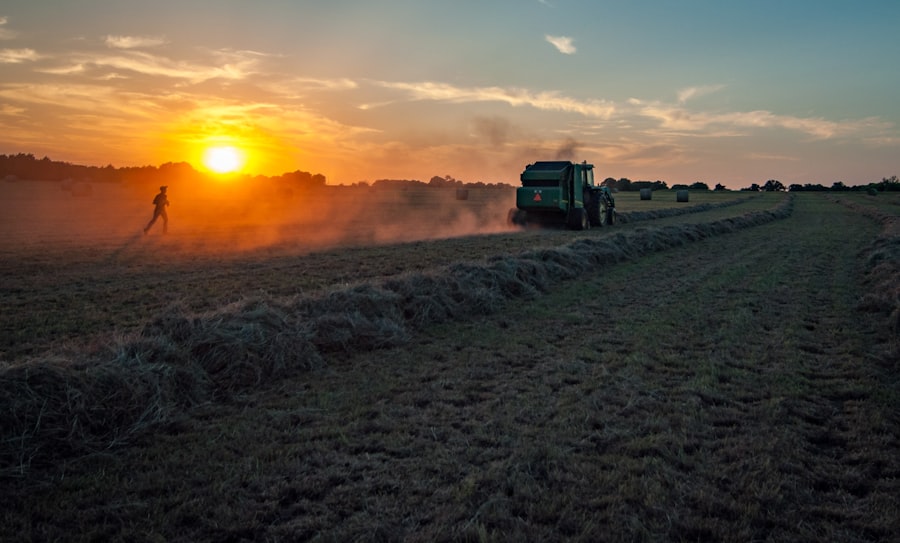
Government policies and regulations play a crucial role in shaping the landscape of farmland investment and its effectiveness as an inflation hedge. You may find that agricultural subsidies, zoning laws, and environmental regulations can significantly impact land values and farming practices. For instance, favorable government policies that support agricultural production can enhance the profitability of farming operations and subsequently increase farmland values.
Conversely, restrictive regulations or unfavorable policies can hinder agricultural productivity and negatively affect land values. As an investor, it is essential to stay informed about current government policies and their potential implications for your farmland investments. By understanding how these factors influence the agricultural sector, you can better assess the risks and opportunities associated with investing in farmland as a hedge against inflation.
Farmland Investment Strategies for Inflationary Periods
When considering farmland as an investment during inflationary periods, you may want to explore various strategies that can enhance your returns while mitigating risks. One approach is to invest in high-quality agricultural land located in regions with strong demand for food production. By focusing on areas with favorable climate conditions and access to water resources, you can increase the likelihood of successful crop yields and long-term appreciation.
Another strategy involves diversifying your farmland investments across different types of crops or livestock operations. By spreading your investments across various agricultural sectors, you can reduce your exposure to market fluctuations related to specific commodities. Additionally, you might consider partnering with experienced farmers or agricultural management firms that can provide valuable insights and expertise in managing your investments effectively.
The Potential for Farmland Appreciation in Inflationary Environments
The potential for farmland appreciation during inflationary environments is one of the most compelling reasons to consider this asset class for your investment portfolio. As inflation drives up the cost of goods and services, the value of agricultural products typically rises as well. This increase in demand for food and other agricultural commodities can lead to higher land values over time.
You may also want to consider how global trends impact farmland appreciation. With a growing population and increasing urbanization, the demand for food production is expected to rise significantly in the coming years. This trend could further drive up farmland values as investors seek to capitalize on the limited supply of arable land available for cultivation.
By recognizing these dynamics, you can better understand the long-term potential for appreciation in your farmland investments.
Farmland Investment Options for Retail Investors
As a retail investor interested in farmland, you have several options available to you that cater to different levels of involvement and risk tolerance. One popular choice is investing through Real Estate Investment Trusts (REITs) focused on agriculture or farmland. These publicly traded companies allow you to gain exposure to farmland without directly purchasing land yourself, providing liquidity and diversification within your investment portfolio.
Another option is crowdfunding platforms that specialize in agricultural investments. These platforms enable you to pool resources with other investors to acquire shares in specific farmland projects or properties. This approach allows you to participate in farmland investments with lower capital requirements while still benefiting from potential appreciation and income generation from agricultural production.
The Importance of Due Diligence in Farmland Investment for Inflation Protection
Conducting thorough due diligence is paramount when considering farmland investments as a hedge against inflation. You should carefully evaluate factors such as soil quality, water availability, local market conditions, and historical performance before making any investment decisions. Understanding these elements will help you assess the potential risks and rewards associated with specific parcels of land.
Zoning laws, environmental regulations, and property rights can all impact the viability of your farmland investment. By taking the time to conduct comprehensive due diligence, you can make informed decisions that align with your investment goals while minimizing potential pitfalls.
The Future Outlook for Farmland as an Inflation Hedge
Looking ahead, the future outlook for farmland as an inflation hedge appears promising. With ongoing global challenges such as climate change, population growth, and food security concerns, the demand for agricultural production is likely to remain strong. As these factors continue to shape the agricultural landscape, you may find that investing in farmland becomes increasingly attractive as a means of protecting your wealth from inflation.
Moreover, advancements in technology and sustainable farming practices are expected to enhance productivity and efficiency within the agricultural sector. These innovations could further bolster the value of farmland investments over time. By staying informed about emerging trends and developments within agriculture, you can position yourself strategically within this asset class while reaping the benefits of its potential as an effective hedge against inflation.
In conclusion, investing in farmland offers numerous advantages as a hedge against inflation while presenting unique challenges and risks that require careful consideration. By understanding its historical performance, resilience factors, diversification benefits, and future outlook, you can make informed decisions about incorporating farmland into your investment strategy. With due diligence and strategic planning, you have the opportunity to leverage this valuable asset class to protect your wealth from the erosive effects of inflation while contributing positively to global food security.
Investing in farmland has increasingly been recognized as a viable hedge against inflation, as it tends to retain value and generate income even during economic downturns. For those interested in exploring this topic further, a related article can be found at How Wealth Grows, which discusses various investment strategies, including the benefits of agricultural assets in an inflationary environment.
WATCH THIS! The Gold Rush is Over. Now, the Dirt Rush is ON. 🚜💰
FAQs
What does it mean to use farmland as a hedge against inflation?
Using farmland as a hedge against inflation means investing in agricultural land to protect the value of money. Since farmland often appreciates in value and can generate income through crop production or leasing, it can help offset the eroding purchasing power caused by rising prices.
Why is farmland considered a good hedge against inflation?
Farmland is considered a good hedge against inflation because its value tends to increase with rising commodity prices and demand for food. Additionally, farmland can produce tangible goods, such as crops, which often see price increases during inflationary periods, providing both asset appreciation and income.
Are there risks associated with investing in farmland as an inflation hedge?
Yes, investing in farmland carries risks such as weather variability, changes in agricultural policy, fluctuating commodity prices, and potential land management costs. These factors can affect the profitability and value of farmland, making it not a guaranteed protection against inflation.
How does inflation impact farmland prices?
Inflation can lead to higher farmland prices as the cost of inputs like fertilizers, equipment, and labor increases. Additionally, higher food prices can boost farm income, making farmland more valuable. However, excessive inflation or economic instability can also negatively impact land values.
Can farmland investments provide income during inflationary periods?
Yes, farmland can generate income through crop production, livestock grazing, or leasing the land to farmers. This income often rises with inflation, helping investors maintain purchasing power.
Is farmland investment suitable for all investors looking to hedge against inflation?
Farmland investment may not be suitable for all investors due to its illiquid nature, management requirements, and market risks. It is generally more appropriate for investors with a long-term horizon and willingness to manage or outsource land operations.
How can investors access farmland as an inflation hedge?
Investors can access farmland through direct purchase, farmland investment funds, real estate investment trusts (REITs) focused on agriculture, or partnerships with farming operations. Each method has different levels of involvement, risk, and liquidity.
What factors should be considered before investing in farmland for inflation protection?
Key factors include location, soil quality, water availability, local agricultural markets, land price trends, regulatory environment, and the investor’s ability to manage or oversee the property. Understanding these elements helps assess the potential for farmland to serve as an effective inflation hedge.