
The space industry has experienced significant growth in startup activity over the past decade, marking what industry analysts term the “New Space” movement. This shift has altered the traditional aerospace sector structure, which was previously dominated by government agencies and established corporations. The current landscape includes numerous emerging companies developing technologies across space exploration, satellite systems, and commercial space services.
Several key factors have contributed to the proliferation of space startups. Technological advances have substantially decreased launch costs, with reusable rocket systems and miniaturized satellite components making market entry more economically viable. The development of small satellites, or CubeSats, has reduced both manufacturing costs and launch requirements.
Simultaneously, increased private investment and venture capital funding have provided essential financial resources for space technology development and commercialization efforts. This convergence of reduced technological barriers and enhanced funding availability has enabled new market participants to develop innovative solutions for space transportation, satellite deployment, Earth observation, and emerging sectors such as space tourism and asteroid mining. The resulting competitive environment has accelerated technological development and expanded commercial opportunities within the space economy.
Key Takeaways
- Space startups are rapidly growing, driven by innovation and new market opportunities.
- Venture capital plays a crucial role in funding and scaling space startups.
- Understanding different types of venture capital funding helps space startups secure appropriate investments.
- Space startups face unique challenges but also significant opportunities in attracting venture capital.
- Successful space startups demonstrate the positive impact of venture capital on advancing space innovation.
Understanding Venture Capital
To navigate the landscape of space startups effectively, it’s essential to grasp the concept of venture capital. Venture capital (VC) refers to a form of private equity financing that is provided to early-stage, high-potential companies in exchange for equity or convertible debt. This funding is crucial for startups that may not yet have access to traditional forms of financing, such as bank loans or public offerings.
As you delve deeper into this world, you’ll discover that venture capitalists are not just investors; they often play a pivotal role in shaping the direction and strategy of the companies they fund. Venture capital operates on a high-risk, high-reward model. Investors are typically looking for companies with the potential for exponential growth, which is particularly relevant in the fast-evolving space sector.
The VC landscape is characterized by a rigorous selection process, where investors evaluate business models, market potential, and the capabilities of founding teams. Understanding this process will empower you as an entrepreneur to better position your startup for success in securing funding.
The Role of Venture Capital in Space Startups
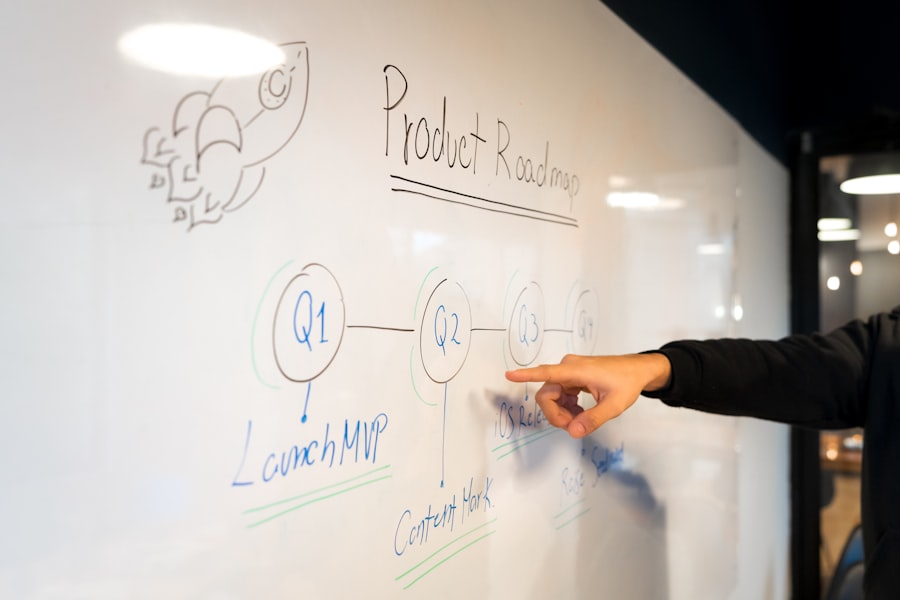
Venture capital plays a transformative role in the development of space startups. By providing essential funding, VC firms enable these companies to pursue ambitious projects that would otherwise be unattainable. This financial support allows startups to invest in research and development, hire top talent, and scale their operations quickly.
As you consider your own venture in this field, it’s important to recognize how critical venture capital can be in turning innovative ideas into viable businesses. Moreover, venture capitalists often bring more than just money to the table. They can offer invaluable industry expertise, mentorship, and networking opportunities that can significantly enhance your startup’s chances of success.
Many VC firms specialize in specific sectors, including aerospace and technology, which means they can provide insights that are particularly relevant to your business. By leveraging these resources, you can navigate challenges more effectively and position your startup for long-term growth.
Key Considerations for Space Startups Seeking Venture Capital
As you embark on your journey to secure venture capital for your space startup, there are several key considerations to keep in mind. First and foremost, you need a compelling business plan that clearly outlines your vision, mission, and value proposition. Investors want to see a well-defined strategy that demonstrates how your startup will address a specific problem or need within the space industry.
This clarity will help you stand out in a competitive landscape. Additionally, it’s crucial to understand your target market and the competitive landscape. Conduct thorough market research to identify potential customers and competitors.
This knowledge will not only inform your business strategy but also instill confidence in potential investors.
Types of Venture Capital Funding for Space Startups
| Startup Name | Funding Stage | Total Funding Raised (in millions) | Number of Investors | Year Founded | Headquarters | Key Focus Area |
|---|---|---|---|---|---|---|
| OrbitalX | Series B | 85 | 12 | 2018 | San Francisco, CA | Satellite Communications |
| AstroLaunch | Series A | 40 | 8 | 2020 | Seattle, WA | Rocket Propulsion |
| SpaceFarm | Seed | 5 | 4 | 2022 | Austin, TX | Space Agriculture |
| GalaxyNet | Series C | 120 | 15 | 2016 | New York, NY | Space Internet |
| LunarTech | Series A | 30 | 7 | 2019 | Denver, CO | Lunar Exploration |
When seeking venture capital for your space startup, it’s important to familiarize yourself with the various types of funding available. Seed funding is often the first step for many startups, providing initial capital to develop prototypes or conduct market research. This early-stage funding is typically sought from angel investors or seed funds that specialize in nascent companies.
As your startup matures, you may seek Series A or Series B funding rounds. These rounds involve larger investments from venture capital firms looking to support companies with proven traction and growth potential. Each funding round comes with its own set of expectations regarding milestones and performance metrics, so it’s essential to be prepared to demonstrate progress as you move through these stages.
Challenges and Opportunities in Space Startup Funding

While the landscape for space startups is filled with opportunities, it is not without its challenges. One significant hurdle is the inherent risk associated with space ventures. Investors may be hesitant due to the high costs and long timelines associated with developing space technologies.
As an entrepreneur, you must be prepared to address these concerns head-on by showcasing a robust risk management strategy and a clear path to profitability. On the flip side, the growing interest in space exploration presents unique opportunities for startups. With increased government support for commercial space initiatives and a rising public fascination with space travel, there is a burgeoning market for innovative solutions.
By aligning your startup’s goals with these trends, you can position yourself as a leader in this exciting field.
Successful Examples of Space Startups Securing Venture Capital
To inspire your own journey, consider some successful examples of space startups that have secured venture capital funding. Companies like SpaceX have revolutionized the industry by demonstrating that private enterprises can achieve what was once thought possible only by government agencies. Their ability to attract significant investment has paved the way for numerous other startups to follow suit.
Another notable example is Planet Labs, which has developed a fleet of small satellites for Earth imaging. By securing substantial venture capital funding, they have been able to expand their operations and provide valuable data services to various industries. These success stories highlight the potential for innovation and growth within the space sector when backed by strategic investment.
The Future of Venture Capital in Space Startups
Looking ahead, the future of venture capital in space startups appears promising. As technology continues to advance and costs decrease, more entrepreneurs will likely enter the market with groundbreaking ideas. Venture capitalists are increasingly recognizing the potential returns associated with investing in space ventures, leading to a more vibrant ecosystem for innovation.
Moreover, as governments around the world continue to prioritize space exploration and commercialization, there will be additional opportunities for collaboration between public entities and private startups. This synergy could lead to new funding avenues and partnerships that further accelerate growth within the industry.
Advice for Space Entrepreneurs Seeking Venture Capital
As you prepare to seek venture capital for your space startup, consider some practical advice that can enhance your chances of success. First, focus on building a strong team with diverse skills and experiences relevant to your industry. Investors often look for teams that can execute their vision effectively.
Additionally, be transparent about your goals and challenges when engaging with potential investors. Building trust is essential in establishing long-term relationships with venture capitalists who may become valuable partners beyond just financial support.
The Impact of Venture Capital on Space Innovation
The influence of venture capital on space innovation cannot be overstated. By providing essential funding and resources, venture capitalists enable startups to push boundaries and explore new frontiers in technology and exploration. This influx of investment has led to breakthroughs in satellite technology, propulsion systems, and even plans for human settlement on other planets.
As you consider your role within this ecosystem, remember that your contributions as an entrepreneur can drive significant advancements in space exploration and technology. The collaboration between innovative minds and forward-thinking investors will continue to shape the future of our endeavors beyond Earth.
Navigating the Venture Capital Landscape in Space Startups
In conclusion, navigating the venture capital landscape as a space entrepreneur requires a blend of strategic planning, market understanding, and relationship-building skills. As you embark on this journey, remember that securing funding is just one piece of the puzzle; fostering innovation and collaboration will ultimately determine your success in this exciting field. By staying informed about industry trends and leveraging available resources, you can position yourself effectively within this dynamic environment.
The rise of space startups presents an unprecedented opportunity for those willing to take risks and pursue their dreams among the stars. Embrace this challenge with confidence as you work towards making your mark on the future of space exploration.
In the rapidly evolving landscape of space startups, venture capital plays a crucial role in fueling innovation and growth. A recent article discusses the increasing interest of investors in this sector and highlights key trends shaping the future of space exploration. For more insights on how venture capital is impacting various industries, including space, you can read the article [here](https://www.howwealthgrows.com/).
FAQs
What is the venture capital space?
The venture capital space refers to the industry and market segment where venture capital firms invest in early-stage, high-potential startups, particularly those focused on innovative technologies and scalable business models.
What types of startups typically receive venture capital funding?
Startups that often receive venture capital funding are those with high growth potential, innovative products or services, scalable business models, and strong founding teams. These can include technology, healthcare, fintech, and space-related startups, among others.
How do venture capital firms select startups to invest in?
Venture capital firms evaluate startups based on factors such as the founding team’s experience, market size, product or service innovation, business model scalability, competitive advantage, and potential for high returns on investment.
What stages of startup development do venture capital firms invest in?
Venture capital firms invest in various stages, including seed stage (early concept development), Series A (product development and market entry), Series B and beyond (scaling operations), depending on their investment focus and strategy.
What is the typical investment size from venture capital firms?
Investment sizes vary widely but typically range from a few hundred thousand dollars in seed rounds to tens of millions in later-stage funding rounds, depending on the startup’s needs and growth stage.
What role do venture capitalists play besides providing funding?
Besides funding, venture capitalists often provide strategic guidance, industry connections, mentorship, and operational support to help startups grow and succeed.
What are the risks associated with venture capital investments?
Venture capital investments are high-risk due to the uncertainty of startup success, market competition, and potential for failure. However, they also offer the possibility of high returns if the startup succeeds.
How can startups attract venture capital investment?
Startups can attract venture capital by developing a strong business plan, demonstrating market potential, building a capable team, showing traction or proof of concept, and networking with investors.
What is the difference between venture capital and other types of funding?
Venture capital is equity-based funding focused on high-growth startups, whereas other funding types include loans (debt), grants, crowdfunding, or angel investments, each with different terms and risk profiles.
Are there specific sectors within the venture capital space that are currently trending?
Yes, sectors such as artificial intelligence, biotechnology, fintech, clean energy, and space technology are currently attracting significant venture capital interest due to their innovation potential and market demand.