You stand at a crossroads, a time of profound reflection. The choices you make today regarding your final resting place resonate not only with your personal values but also with the very earth that will cradle you. Exploring green burial options and the nuances of vault waivers is a journey into a more natural, sustainable, and often more cost-effective, way to say goodbye. This article aims to equip you with the knowledge to navigate these decisions with clarity and confidence.
The green burial movement, often referred to as natural burial, is a return to ancient practices, a conscious rejection of the more industrialized and environmentally impactful methods of body disposition that have become commonplace in recent centuries. It is a profound embrace of the natural cycle of decomposition and return to the earth. Think of it as planting a seed, allowing life to flourish once more from what was.
The Core Principles of Green Burial
At its heart, green burial is guided by a set of fundamental principles designed to minimize environmental impact and honor the deceased. These are not rigid commandments but rather guiding stars that illuminate the path towards natural disposition.
Environmental Sustainability
The primary driver behind green burial is a deep concern for the environment. Traditional burial practices can leave a significant ecological footprint. The manufacturing of caskets, embalming chemicals, and elaborate headstones all contribute to resource depletion and pollution. Green burial seeks to circumvent these issues, allowing the body to return to the earth unhindered by synthetic materials or harmful preservatives.
Biodegradability and Ecological Integration
The emphasis here is on what readily breaks down and becomes part of the ecosystem. Green burial aims to facilitate the natural decomposition process, supporting the soil and its inhabitants. This means avoiding materials that will persist for centuries, hindering the earth’s ability to reclaim and regenerate. It’s about becoming one with the soil, contributing to its vitality rather than creating a persistent monument to absence.
Conservation and Preservation
Many green burial sites are established on or adjacent to protected natural areas. These cemeteries function not only as places of rest but also as stewards of the land, actively working to conserve habitats and biodiversity. Your final resting place could become an integral part of an ecosystem, safeguarding it for future generations. This is akin to a living legacy, where your presence continues to nurture the natural world.
Simplicity and Natural Aesthetics
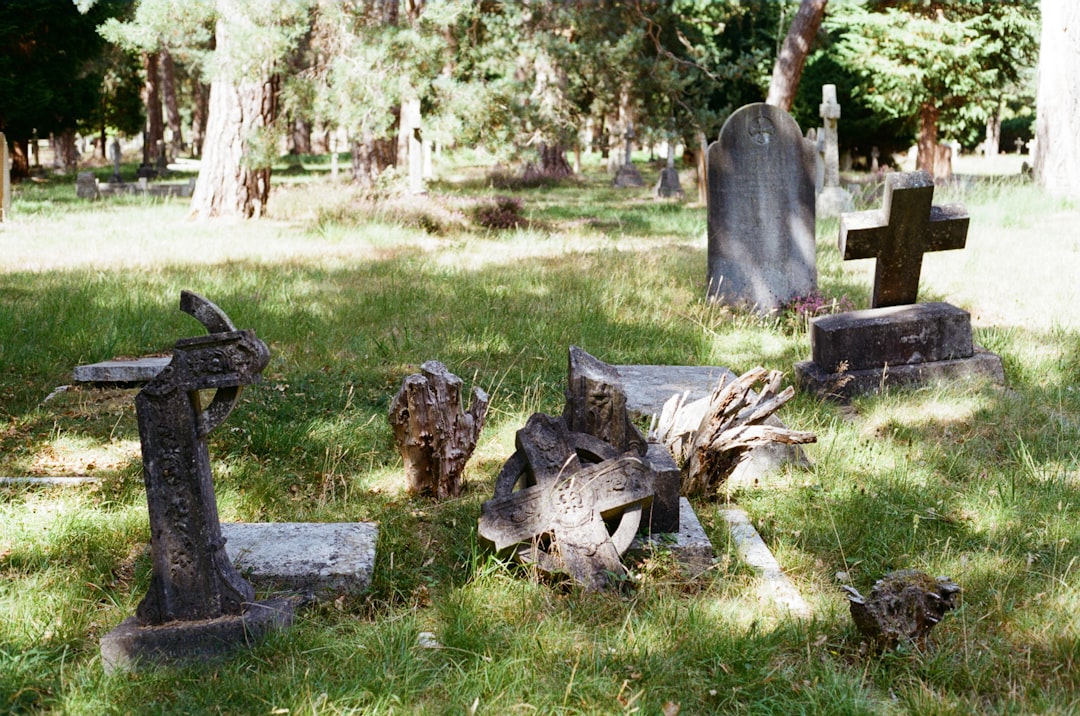
Green burial sites often eschew the manicured lawns, ornate statues, and meticulously carved headstones of traditional cemeteries. Instead, they embrace a more natural, often wilder, aesthetic. The landscape is allowed to evolve organically, with markers that are understated and blend seamlessly with the surroundings. This fosters a sense of peace and connection to nature, a stark contrast to the often artificial feel of conventional burial grounds.
For those interested in exploring eco-friendly alternatives to traditional burial practices, the article on green burial options and vault waivers provides valuable insights. It discusses the benefits of green burials, including their environmental impact and the potential savings associated with opting out of costly burial vaults. To learn more about these sustainable choices, you can read the full article here: green burial options and vault waivers.
Navigating Green Burial Options
When you embark on the path of green burial, you discover a spectrum of choices, each offering a slightly different approach to returning to the earth. These options are designed to cater to varying levels of commitment to natural disposition and personal preferences.
Natural Burial Grounds
These are cemeteries specifically designed and managed for natural burial. They are the most straightforward option for those seeking a fully green experience.
What Constitutes a Natural Burial Ground?
Natural burial grounds adhere to strict guidelines regarding the burial process. This typically includes:
- No Embalming: The use of embalming fluid, which contains formaldehyde and other chemicals, is strictly prohibited. This is a cornerstone of green burial, as these chemicals are harmful to the environment and interfere with natural decomposition.
- Biodegradable Shrouds or Caskets: Bodies are interred in biodegradable materials. This can range from simple shrouds made of cotton, linen, or wool, to caskets constructed from wicker, bamboo, untreated pine, or cardboard. The key is that these materials will decompose naturally.
- No Vaults or Grave Liners: This is a critical point of divergence from traditional burials and will be explored in detail later. In natural burial grounds, concrete or metal burial vaults, which are designed to contain the casket and prevent ground collapse, are typically not permitted.
- Minimal Landscaping and Maintenance: The grounds are managed to promote native plant growth and preserve the natural habitat. You won’t find highly manicured lawns or extensive irrigation systems. The focus is on ecological restoration and maintenance.
- Unmarked or Minimal Markers: Permanent, elaborate headstones are usually discouraged. Instead, markers are often natural stones, engraved wooden stakes, or GPS coordinates, allowing the landscape to largely remain undisturbed.
Certified Natural Burial Grounds
The Green Burial Council is a non-profit organization that provides certification for burial sites and funeral homes that meet rigorous environmental and ethical standards. Choosing a certified provider offers an added layer of assurance that you are selecting a truly green option. Their certification process examines everything from land management practices to the materials used in burial.
Hybrid Burial Grounds
These cemeteries offer both conventional and green burial sections. This provides flexibility for families who may have members with differing preferences or for individuals who are part of a community with established traditions.
Understanding the Distinction
In a hybrid burial ground, you will find areas dedicated to traditional burials with vaults and embalming, as well as dedicated sections where green burial practices are followed.
- Designated Green Sections: These areas will adhere to the principles of natural burial, typically prohibiting embalming and vaults, and using biodegradable containers.
- Proximity to Conventional Areas: While offering green options, these cemeteries may also be adjacent to or share common facilities with conventional burial sections. This is a practical consideration for some families.
- Potential for Compromise: Your choice within a hybrid ground might require careful consideration of the specific rules governing the green burial section, as there can be variations in how strictly these are enforced compared to dedicated natural burial grounds.
Home Burials and Back-Yard Burials (Where Permitted)
In some jurisdictions, individuals may have the option of burial on private property. This offers the ultimate in control and intimacy, but it is subject to strict regulations.
Legal and Practical Considerations
- Zoning and Local Ordinances: The legality of home burials varies significantly by state, county, and even city. You must thoroughly research local laws and obtain any necessary permits before considering this option.
- Environmental Regulations: There are often regulations concerning:
- Depth of Burial: To prevent animal access and ensure proper decomposition.
- Distance from Water Sources: To protect groundwater quality.
- Acreage Requirements: Some areas may require a minimum parcel size.
- Use of Biodegradable Containers: Many regulations mandate biodegradable shrouds or caskets.
- Accessibility and Security: Consider how the burial site will be accessed and maintained over time, and how its privacy will be ensured.
- Future Re-sale of Property: A burial on your property can impact its future sale, as potential buyers may have concerns.
The Significance of Vault Waivers
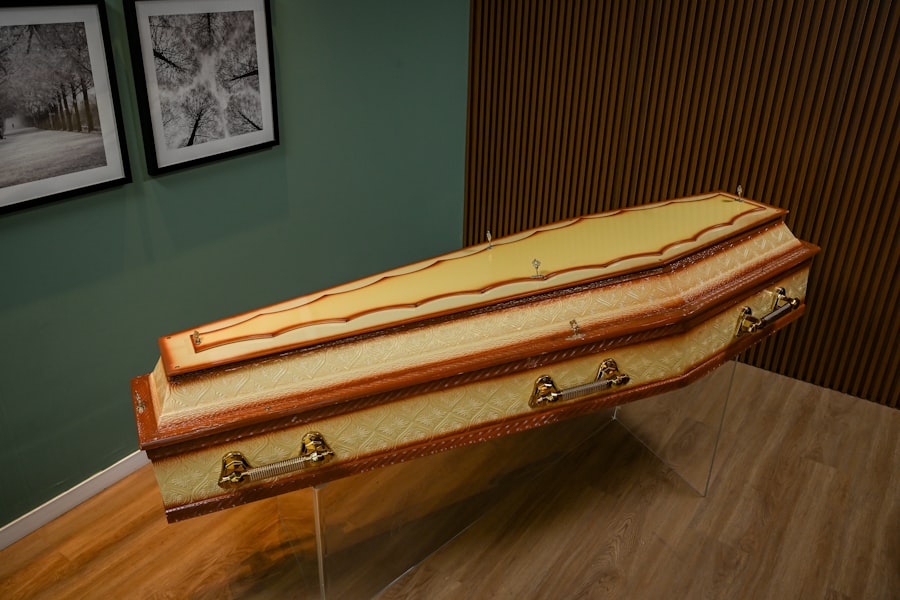
The burial vault, often referred to as a grave liner or outer burial container, is a ubiquitous feature of conventional cemeteries. Its purpose is to provide structural integrity to the grave, preventing the ground from collapsing as a casket decomposes. However, for green burial, the vault is often an unnecessary and environmentally detrimental component. This is where the concept of a vault waiver becomes paramount.
The Traditional Role of Burial Vaults
Vaults are typically constructed from concrete, but can also be made of steel or plastic. They are designed to be a protective shell around the casket.
Preventing Ground Collapse
The primary function of a vault is to support the weight of the earth above and surrounding the grave. Over time, as the casket and its contents decompose, the soil can settle and create depressions in the ground. Vaults prevent this by distributing the weight and maintaining the integrity of the grave site.
Protecting the Casket
Vaults can also be marketed as offering protection to the casket from moisture and insects. However, the effectiveness of this protection is debatable, and the presence of a vault significantly hinders the natural process of decomposition.
Historical and Cultural Context
The widespread adoption of burial vaults is a relatively modern phenomenon, gaining traction in the 20th century. It reflects an evolving approach to death care, often driven by a desire for permanence and a separation from the natural process of decay.
Why Green Burial Seeks to Waive Vaults
The rejection of burial vaults is a foundational principle for most green burial practices. The reasons are multifaceted and deeply rooted in the philosophy of natural disposition.
Environmental Impact of Vaults
- Resource Intensive Manufacturing: The production of concrete, a primary material for vaults, is an energy-intensive process that contributes to greenhouse gas emissions and other environmental pollutants.
- Non-Biodegradable: Vaults are designed to last for many decades, if not centuries. They are essentially man-made objects placed directly into the earth, creating a persistent obstruction to natural decomposition.
- Interference with Soil Processes: The presence of a vault disrupts the natural flow of groundwater through the soil and impedes the movement of beneficial microorganisms that are essential for decomposition.
Facilitating Natural Decomposition
- Direct Contact with Soil: By eliminating the vault, the body, enclosed in a biodegradable shroud or casket, can directly interact with the soil. This allows microorganisms to begin their work promptly, breaking down organic matter efficiently.
- Nutrient Cycling: The decomposition process releases nutrients back into the soil, enriching it and supporting plant life. A vault acts as a barrier, preventing this vital nutrient cycling.
- Return to the Earth: The ultimate goal of green burial is to facilitate a complete and natural return to the earth. Vaults are a significant impediment to this process, creating an artificial tomb that endures long after the body has decomposed.
Cost Considerations
- Eliminating an Upfront Expense: Burial vaults represent a significant additional cost in traditional burial. By waiving them, green burial can be a more affordable option. The cost of a vault can range from hundreds to thousands of dollars.
Understanding Vault Waiver Requirements and Implications

While the intention of green burial is to dispense with vaults, the practicalities of implementing this waiver can vary, and understanding these nuances is crucial.
Cemetery Policies and Regulations
Each cemetery, whether conventional, hybrid, or natural, will have its own set of rules and regulations. Your due diligence in understanding these is paramount.
Designated Natural Burial Sections
In dedicated natural burial grounds, the prohibition of vaults is a given. It is part of their operational framework and marketing. They are designed from the ground up to accommodate this principle.
Hybrid Cemeteries and Specific Requirements
In hybrid cemeteries, the decision to waive a vault typically applies only to designated green burial sections. You must be certain you are selecting a plot within one of these areas.
- Specific Section Designation: Ensure the plot you choose is explicitly part of the cemetery’s natural burial offerings.
- Verbal and Written Confirmation: Obtain confirmation of the vault waiver policy in writing, ideally on the purchase agreement or in cemetery literature.
Conventional Cemeteries and the Possibility of Waivers
Some conventional cemeteries may offer the option to waive a vault, even in their traditional sections. This is less common but not impossible.
- “No Vault” Plots: In rare cases, some conventional cemeteries might designate specific plots where vaults are not required, often for historical preservation or aesthetic reasons.
- Negotiation and Special Circumstances: You may need to engage in direct conversation with cemetery management to explore this possibility. Be prepared to articulate your reasons clearly and understand their potential concerns Regarding ground stability.
The Practicalities of Ground Stability Without Vaults
A common concern raised by cemeteries, particularly conventional ones, is the issue of ground stability without a vault. This is a valid point that requires careful consideration and often specific protocols.
Natural Decomposition and Soil Settling
As mentioned, without a vault, the soil will naturally settle as the casket and body decompose. Green burial sites have developed strategies to manage this.
- Natural Burial Site Management: Many natural burial grounds are designed with the understanding that some subsidence will occur. They often use native ground cover that can tolerate minor depressions.
- Grave Depth and Burial Practices: The depth of the grave is often adjusted to account for natural settling. Sometimes, graves are dug slightly deeper initially, or a layer of natural material is added after burial to help maintain an even surface.
- Grave Re-leveling: Some natural burial sites may have a policy of periodic re-leveling of graves to maintain a consistent appearance, though this is done with natural materials and without disturbing the decomposition process.
The Role of Burial Shrouds and Biodegradable Caskets
The choice of burial container plays a role in how the earth settles.
- Decomposition Rate: Material like a simple cotton shroud will decompose much faster than a wooden casket. This can lead to a more gradual and manageable settling of the soil.
- Structural Integrity of Biodegradable Caskets: While designed to decompose, some biodegradable caskets offer a degree of temporary structural integrity, providing some initial support before breaking down completely.
Legal and Ethical Considerations of Vault Waivers
While the green burial movement advocates for vault waivers, there are legal and ethical dimensions to consider.
Cemetery’s Legal Responsibility
Cemeteries have a legal responsibility to maintain their grounds in a safe and accessible manner. They must ensure that graves do not pose a hazard to visitors.
- Liability Concerns: Cemeteries may be concerned about potential liability if unoccupied graves or graves with extreme settling become trip hazards.
- Contractual Agreements: The deed or contract for a burial plot is a legally binding document. It will specify the obligations of both the purchaser and the cemetery, including any requirements regarding vaults.
Ethical Arguments for Vault Waivers in Green Burial
The ethical arguments for vault waivers in green burial are rooted in environmental stewardship and a desire to honor the natural cycle.
- Minimizing Environmental Harm: The ethical imperative to reduce human impact on the planet extends to end-of-life choices.
- Respect for Natural Processes: Ethical green burial honors the natural process of decomposition and views it as a sacred act rather than something to be artificially contained.
- Transparency and Informed Choice: It is ethically incumbent upon cemeteries and funeral directors to be transparent about their policies and to ensure individuals are fully informed about the implications of foregoing a vault.
As more people seek environmentally friendly alternatives for their final resting places, green burial options are gaining popularity. These options often come with considerations regarding traditional burial practices, including vault waivers, which can allow for a more natural decomposition process. For those interested in exploring the financial aspects of such choices, a related article can provide valuable insights into how these decisions can impact long-term wealth management. You can read more about this topic in the article found here.
Making Informed Decisions About Your Final Disposition
| Green Burial Option | Description | Environmental Impact | Vault Waiver Availability | Typical Cost Range |
|---|---|---|---|---|
| Natural Burial | Interment without embalming, using biodegradable caskets or shrouds. | Low; promotes natural decomposition and conserves resources. | Yes; many cemeteries waive vault requirements for natural burials. | Low to Moderate |
| Conservation Burial | Burial in protected natural areas to preserve land and habitat. | Very Low; supports land conservation and biodiversity. | Yes; vaults typically not required to maintain natural landscape. | Moderate |
| Green Cremation (Alkaline Hydrolysis) | Water-based cremation process with lower emissions than flame cremation. | Lower carbon footprint compared to traditional cremation. | Not applicable; no burial vault needed. | Moderate |
| Biodegradable Urn Burial | Use of urns made from natural materials that decompose in soil or water. | Low; urns break down naturally without pollution. | Varies; some cemeteries waive vaults for urn interment. | Low |
| Memorial Forest Burial | Burial among trees in a forest setting, often with no markers. | Very Low; supports reforestation and natural habitat. | Yes; vaults generally not required. | Moderate |
Exploring green burial options and understanding vault waivers is an act of conscious decision-making for your own future or for that of a loved one. It’s about aligning your values with your final earthly passage.
Researching Providers and Locations
The first step in making an informed decision is to gather information about the available options in your area.
Identifying Green Burial Providers
- Green Burial Council Website: Utilize their directory of certified providers.
- Local Funeral Homes: Inquire directly about their green burial offerings and partnerships.
- Cemetery Directories: Search for cemeteries that explicitly mention natural burial.
Visiting Potential Sites
There is no substitute for seeing a place with your own eyes.
- Observe the Landscape: Does it resonate with you? Does it feel peaceful and natural?
- Inquire About Practices: Ask detailed questions about embalming, container requirements, vault policies, and land management.
- Meet the Staff: Gauge their understanding and enthusiasm for green burial.
Understanding Costs and Budgeting
Green burial can offer cost savings, but it’s essential to have a clear understanding of all expenses involved.
Comparing Green vs. Traditional Costs
- Casket/Shroud Costs: Biodegradable options are generally less expensive than traditional caskets.
- Vault Costs: The most significant saving often comes from the elimination of the burial vault.
- Embalming Fees: The avoidance of embalming also contributes to cost savings.
- Grave Opening and Closing Fees: These fees can sometimes be similar, but may vary.
- Marker Costs: Natural markers are typically less expensive than granite headstones.
Budgeting for Green Burial
- Pre-Need Planning: Consider making arrangements in advance to lock in current prices and alleviate future burdens on loved ones.
- Understanding All Fees: Request a detailed breakdown of all costs from your chosen provider.
Communicating Your Wishes
This is perhaps the most crucial step, ensuring your desires are honored.
Discussing with Family and Loved Ones
Open and honest conversations about your end-of-life wishes are vital.
- Explain Your Rationale: Share why green burial is important to you.
- Address Their Concerns: Be prepared to listen to and address any questions or anxieties your family might have.
- Provide Written Documentation: Make your wishes clear in a will, advance directive, or a separate letter of instruction.
Working with Funeral Directors and Cemetery Staff
Ensure that your chosen professionals understand and are committed to fulfilling your green burial preferences.
Documentation is Key: As alluded to before, having your wishes documented in writing is the most effective way to ensure they are followed. This can include:
- Funeral Planning Documents: Many funeral homes offer pre-need funeral planning services where you can outline all your preferences.
- Advance Healthcare Directives: In some regions, end-of-life wishes can be communicated through these legal documents.
- A Letter of Instruction: A standalone document detailing your funeral and burial preferences.
The Future of Natural Disposition
The growing awareness of environmental issues and a desire for more meaningful and natural end-of-life practices are fueling the expansion of the green burial movement.
Increasing Availability and Acceptance
As more people explore and choose green burial, cemeteries are adapting, and new natural burial grounds are emerging.
Innovation in Materials and Practices
Research and development continue to refine biodegradable materials and burial techniques, making green burial even more accessible and effective.
Policy Changes and Advocacy
Advocacy groups and individuals are working to normalize and legislatively support green burial practices, leading to more favorable regulations in various jurisdictions.
A Legacy of Sustainability
Choosing green burial is more than just a personal decision; it is an act that contributes to the health of the planet and the perpetuation of natural cycles.
Becoming part of the Ecosystem
Your final resting place can become a source of life, nurturing the soil and supporting the flora and fauna of the area. This is a profound and beautiful continuation of your earthly journey.
Inspiring Future Generations
By choosing green burial, you can inspire others to consider more sustainable and natural approaches to death care, leaving behind a legacy not just of remembrance, but of environmental consciousness.
FAQs
What is a green burial?
A green burial is an environmentally friendly method of burial that avoids the use of toxic chemicals, non-biodegradable materials, and concrete vaults. It typically involves using biodegradable caskets or shrouds and allows the body to decompose naturally, minimizing environmental impact.
What are vault waivers in the context of green burials?
Vault waivers are documents that allow families to waive the requirement for a burial vault or liner, which is often mandated by cemeteries. In green burial options, vault waivers enable the use of biodegradable containers without the need for concrete or metal vaults, supporting eco-friendly practices.
Are green burials legal everywhere?
Green burials are legal in many places, but regulations vary by state, country, and cemetery. Some cemeteries have specific sections designated for green burials, while others may require vaults or liners. It is important to check local laws and cemetery policies before choosing a green burial.
What are the benefits of choosing a green burial?
Green burials reduce environmental impact by avoiding toxic embalming fluids, non-biodegradable caskets, and concrete vaults. They promote natural decomposition, conserve natural resources, and often cost less than traditional burials. Additionally, green burial sites can serve as natural preserves or memorial gardens.
Can I choose a green burial if I want to be buried in a traditional cemetery?
It depends on the cemetery’s policies. Some traditional cemeteries offer green burial sections or allow vault waivers, while others require standard burial practices including vaults. It is advisable to consult with the cemetery administration to understand their options and requirements for green burials.