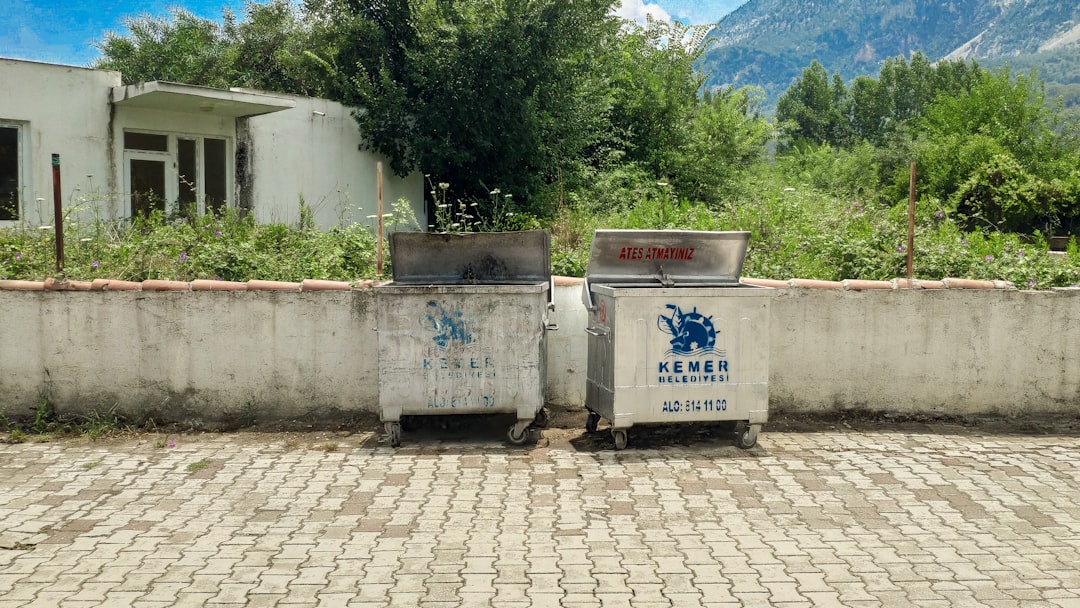
You live in a small town. You know its rhythm, its quiet streets, the familiar faces at the local grocery. You also know its challenges, and one that often doesn’t make headlines but touches every household is waste disposal. For many small communities, managing refuse is a complex and often costly undertaking. This is where the concept of Waste Disposal Co-operatives emerges, not as a silver bullet, but as a practical, empowering tool for towns like yours to take control of their waste management destiny.
The traditional model often sees small towns either struggling with outdated, underfunded municipal systems or relying on private haulers whose pricing can be prohibitive. This leaves your community in a position of reactivity, often at the mercy of external forces and escalating costs. A co-operative, however, shifts this dynamic. It’s analogous to bringing your individual garden hose together with your neighbor’s to water a larger patch of land, creating a more efficient and powerful flow than either could achieve alone.
A Waste Disposal Co-operative is, at its core, a collective enterprise. You and your fellow residents, or a group of businesses within your town, pool your resources, your needs, and your willingness to collaborate to manage your waste. It’s about shared ownership, shared responsibility, and shared benefits. Think of it as building a new toolbox for your town, one that everyone contributes to and everyone can use.
What Defines a Co-operative?
The defining characteristics of a co-operative are paramount to its success. Firstly, it is a voluntary association. No one is forced to join; participation is driven by a common need and a desire for a better solution. Secondly, it is democratically controlled. Each member typically has an equal vote, regardless of their individual contribution, ensuring that the co-operative truly serves the interests of its membership. Thirdly, it is an economic entity where the services are provided at cost, with any surplus being returned to members in proportion to their patronage or reinvested into the co-operative’s infrastructure and services. This contrasts sharply with for-profit waste management companies, whose primary objective is profit maximization.
In small towns, waste disposal co-ops have emerged as a sustainable solution to manage local waste effectively while fostering community engagement. These cooperatives not only reduce the environmental impact of waste but also promote recycling and composting initiatives. For more insights on how communities can benefit from cooperative models, you can read a related article on wealth growth and sustainability at How Wealth Grows.
The Structures of a Co-operative
Waste disposal co-operatives can take various structural forms, each with its own advantages and operational nuances. You might encounter:
Member-Owned and Operated Co-operatives
In this model, the residents or businesses themselves are the direct owners and operators. They might form a steering committee, hire staff, or even volunteer their time for certain tasks. This offers the highest degree of control but also demands significant commitment and expertise
FAQs
What is a waste disposal co-op for small towns?
A waste disposal co-op is a cooperative organization formed by residents or municipalities in small towns to collectively manage and fund waste collection, recycling, and disposal services. This approach helps reduce costs and improve efficiency by sharing resources.
How do waste disposal co-ops benefit small towns?
Waste disposal co-ops benefit small towns by lowering individual expenses through shared services, increasing bargaining power with waste management companies, promoting environmentally friendly practices, and improving waste collection coverage and reliability.
Who can join a waste disposal co-op in a small town?
Typically, residents, local businesses, and municipal entities within the small town can join a waste disposal co-op. Membership requirements vary but usually involve agreeing to cooperative rules and contributing financially to the operation.
What types of waste are managed by these co-ops?
Waste disposal co-ops generally handle household garbage, recyclables such as paper, plastics, and metals, and sometimes organic waste or yard debris. The specific types of waste managed depend on the co-op’s facilities and agreements with waste processors.
How is a waste disposal co-op funded and managed?
Funding for a waste disposal co-op typically comes from membership fees, service charges, and sometimes grants or municipal support. Management is usually conducted by an elected board or committee made up of co-op members who oversee operations, contracts, and budgeting.