
Education extends beyond immediate benefits like knowledge acquisition and personal development to serve as a fundamental driver of economic stability and growth. Economic analysis of education systems reveals their critical role in shaping societal outcomes and influencing overall economic performance through complex interactions between educational policies and economic factors. The economic analysis of education encompasses multiple dimensions: funding mechanisms, accessibility levels, educational quality, and measurable outcomes.
Education functions as a long-term investment rather than merely an expenditure, generating substantial returns through an educated workforce. Research demonstrates that well-educated populations contribute to increased productivity, enhanced innovation capacity, and stronger social cohesion. Educational investments yield measurable economic benefits at both individual and societal levels.
Higher education levels correlate with increased earning potential, reduced unemployment rates, and greater economic mobility. At the macroeconomic level, countries with robust education systems typically experience sustained economic growth, technological advancement, and improved competitiveness in global markets. The relationship between education systems and economic performance involves complex feedback loops where educational quality influences economic outcomes, which in turn affect available resources for educational investment.
Key Takeaways
- Education is a critical driver of economic development and growth through human capital investment.
- Cost-benefit analysis helps evaluate the efficiency and returns of education spending.
- Education significantly impacts income levels, employment opportunities, and economic inequality.
- Government investment in education influences technological innovation and overall economic performance.
- Effective education policies are essential for sustainable economic progress and reducing disparities.
The Role of Education in Economic Development
Education plays a pivotal role in driving economic development. When you consider the skills and knowledge that individuals acquire through education, it becomes clear that these elements are essential for fostering a competitive workforce. A well-educated population is better equipped to adapt to changing market demands, innovate new products and services, and contribute to overall economic growth.
In many ways, education serves as the foundation upon which economies build their future. Moreover, education contributes to social mobility, allowing individuals from diverse backgrounds to improve their circumstances. This aspect is particularly important in developing countries, where access to quality education can significantly alter the trajectory of entire communities.
By investing in education, nations can break the cycle of poverty and create a more equitable society. As you explore this topic further, you will see how education not only enhances individual lives but also propels entire economies forward.
Cost-Benefit Analysis of Education

Conducting a cost-benefit analysis of education involves weighing the financial investments made in educational institutions against the economic returns generated by an educated workforce.
For instance, higher levels of education typically correlate with increased earnings potential, which translates into higher tax revenues for governments.
This creates a positive feedback loop where investments in education yield substantial economic returns. In addition to direct financial benefits, there are also social returns on investment in education. These include improved health outcomes, reduced crime rates, and enhanced civic engagement.
When you consider these factors, it becomes evident that the value of education extends beyond mere monetary gains. The societal benefits contribute to a more stable and prosperous economy, making a compelling case for continued investment in educational initiatives.
Investment in Human Capital
Investing in human capital is crucial for fostering economic growth and development. Human capital refers to the skills, knowledge, and experience possessed by individuals, which can be enhanced through education and training. As you reflect on this concept, consider how investing in your own education can lead to better job opportunities and higher earning potential.
This principle applies not only to individuals but also to nations that prioritize educational development. Countries that invest in human capital tend to experience higher levels of innovation and productivity. When you think about it, a skilled workforce is essential for adapting to technological advancements and global competition.
By prioritizing education and training programs, governments can ensure that their citizens are equipped with the necessary skills to thrive in an ever-evolving job market. This investment ultimately leads to a more dynamic economy capable of sustaining growth over time.
Impact of Education on Income and Employment
| Metric | Description | Value | Unit | Year |
|---|---|---|---|---|
| Education Expenditure | Percentage of GDP spent on education | 5.2 | % of GDP | 2023 |
| Average Annual Cost per Student | Average spending per student in primary and secondary education | 12000 | Currency units | 2023 |
| Return on Investment (ROI) | Estimated economic return for each unit invested in education | 8.5 | Multiplier | 2023 |
| Graduation Rate | Percentage of students completing secondary education | 87 | % | 2023 |
| Unemployment Rate (Educated) | Unemployment rate among individuals with secondary education | 4.3 | % | 2023 |
| Average Income Increase | Average income increase attributed to secondary education | 25 | % | 2023 |
| Public vs Private Education Spending | Ratio of public to private spending on education | 3:1 | Ratio | 2023 |
The relationship between education and income is well-documented; higher levels of education typically lead to higher earnings. As you consider your own career path or that of others around you, it becomes clear that educational attainment plays a significant role in determining income levels. Individuals with advanced degrees often have access to better job opportunities and higher salaries compared to those with only a high school diploma.
Furthermore, education also influences employment rates. A well-educated workforce is more likely to be employed in stable jobs with benefits, contributing to overall economic stability. When you look at unemployment statistics, you will often find that those with lower educational attainment face higher rates of joblessness.
This correlation underscores the importance of investing in education as a means of reducing unemployment and fostering economic resilience.
The Relationship Between Education and Economic Inequality
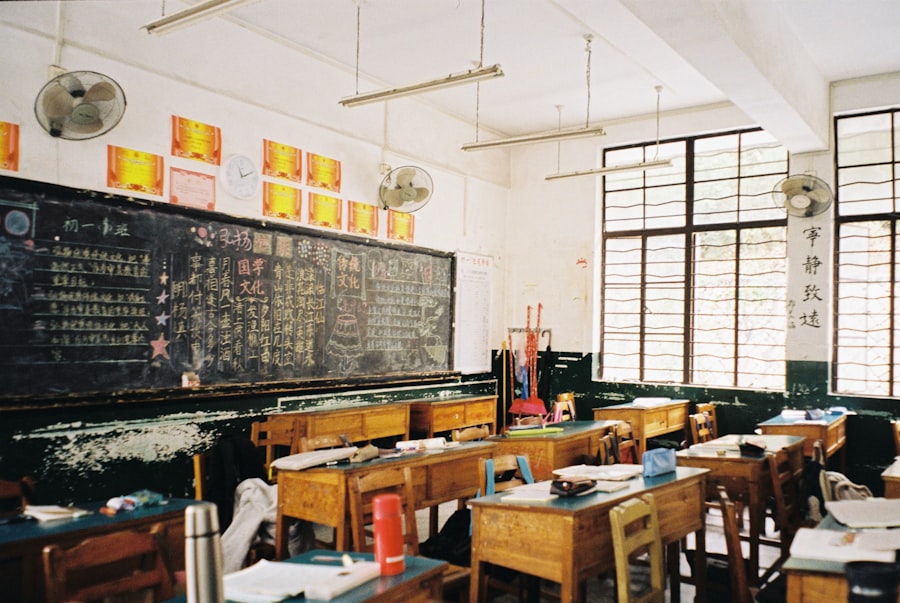
Education is a powerful tool for addressing economic inequality. When you examine the disparities in educational access and quality across different socioeconomic groups, it becomes evident that these inequalities can perpetuate cycles of poverty. Individuals from disadvantaged backgrounds often face barriers to obtaining quality education, which limits their opportunities for upward mobility.
By investing in equitable educational policies and programs, societies can work towards reducing these disparities. You may find it inspiring that initiatives aimed at improving access to quality education for all can lead to a more inclusive economy. When everyone has the opportunity to succeed through education, it not only benefits individuals but also strengthens communities and fosters social cohesion.
Government Spending on Education and its Economic Impact
Government spending on education is a critical factor in shaping the quality and accessibility of educational systems. As you consider the implications of public investment in education, think about how funding levels can directly affect student outcomes. Adequate funding allows for better resources, smaller class sizes, and more qualified teachers—all of which contribute to improved educational experiences.
Moreover, government spending on education has broader economic implications. When you invest in education, you are essentially investing in the future workforce. A well-educated population can drive innovation and productivity, leading to increased economic growth.
As you analyze different countries’ approaches to educational funding, you will notice that those with robust public investment often enjoy stronger economies and lower rates of inequality.
The Influence of Education on Technological Innovation
Education plays a crucial role in fostering technological innovation. As you explore this relationship, consider how educational institutions serve as incubators for new ideas and research. Universities and colleges often collaborate with industries to develop cutting-edge technologies and solutions that drive economic progress.
Furthermore, an educated workforce is essential for adapting to technological changes in various sectors. As industries evolve and new technologies emerge, individuals with relevant skills are better positioned to contribute meaningfully to these advancements.
You may find it fascinating that countries prioritizing STEM (science, technology, engineering, and mathematics) education often lead the way in technological innovation and economic competitiveness.
Education and Economic Growth
The link between education and economic growth is well-established; countries with higher levels of educational attainment tend to experience faster economic growth rates. As you reflect on this connection, consider how an educated workforce drives productivity improvements across various sectors. When individuals possess the skills necessary to perform their jobs effectively, businesses can operate more efficiently and innovate more readily.
Moreover, education contributes to long-term economic stability by fostering adaptability within the workforce. In an ever-changing global economy, individuals who are continuously learning are better equipped to navigate shifts in job markets and industry demands. This adaptability not only benefits individuals but also strengthens entire economies by ensuring they remain competitive on a global scale.
The Economics of Education Policy
Education policy plays a vital role in shaping the landscape of educational systems and their economic impact. As you delve into this topic, consider how policies regarding funding, curriculum development, teacher training, and access can significantly influence educational outcomes. Effective policies can create an environment where students thrive academically while also preparing them for future employment opportunities.
Additionally, evaluating the economics of education policy involves analyzing the trade-offs associated with different approaches. For instance, while increasing funding for public schools may improve educational quality, it may also require reallocating resources from other areas of government spending. As you explore these complexities, you will gain a deeper understanding of how thoughtful policy decisions can lead to positive economic outcomes for society as a whole.
Conclusion and Future Implications
In conclusion, the economic analysis of the education system reveals its profound impact on individual lives and society at large. As you reflect on the various dimensions discussed—ranging from human capital investment to technological innovation—it becomes clear that education is not just a personal endeavor but a collective responsibility that shapes our economies’ futures. Looking ahead, it is essential for policymakers, educators, and communities to prioritize equitable access to quality education for all individuals.
By doing so, we can work towards reducing economic inequality while fostering innovation and growth. The implications of these efforts extend far beyond immediate financial returns; they lay the groundwork for a more prosperous and inclusive society where everyone has the opportunity to succeed through education.
In examining the intricate relationship between education systems and economic outcomes, a valuable resource is available in the article found at How Wealth Grows. This article delves into the economic analysis of various educational frameworks and their impact on wealth accumulation, providing insights that are crucial for policymakers and educators alike. By understanding these dynamics, stakeholders can better address the challenges faced by different educational systems and work towards more equitable economic growth.
📌WATCH THIS! They Sold Your School Building—Then Made You Rent It Back
FAQs
What is an economic analysis of the education system?
An economic analysis of the education system examines the costs, benefits, and economic impacts of education policies, funding, and outcomes. It evaluates how resources are allocated, the return on investment in education, and the broader effects on economic growth and labor markets.
Why is economic analysis important for education systems?
Economic analysis helps policymakers understand the efficiency and effectiveness of education spending, identify areas for improvement, and make informed decisions to maximize social and economic benefits. It also highlights the relationship between education and economic development.
What factors are considered in the economic analysis of education?
Key factors include education funding sources, cost of delivering education, student outcomes, labor market returns, productivity gains, and the impact of education on income inequality and social mobility.
How does education impact economic growth?
Education contributes to economic growth by improving human capital, increasing worker productivity, fostering innovation, and enabling individuals to adapt to technological changes. A well-educated workforce attracts investment and supports higher wages.
What are the common methods used in economic analysis of education?
Common methods include cost-benefit analysis, cost-effectiveness analysis, econometric modeling, and impact evaluation studies. These methods assess the financial inputs against educational and economic outcomes.
How do education systems affect labor markets?
Education systems influence labor markets by shaping the skills and qualifications of the workforce, affecting employment rates, wage levels, and the ability of economies to meet the demands of various industries.
What role does government funding play in the education system?
Government funding is crucial for providing access to education, maintaining infrastructure, paying educators, and supporting programs. Economic analysis evaluates how effectively these funds are used and their impact on educational quality and equity.
Can economic analysis help address educational inequalities?
Yes, economic analysis can identify disparities in resource allocation and outcomes among different groups, guiding policies to promote equity and improve access to quality education for disadvantaged populations.
What is the return on investment (ROI) in education?
ROI in education measures the economic benefits gained from investing in education relative to the costs. This includes higher earnings, reduced unemployment, and broader societal benefits such as lower crime rates and improved health.
How does education system economic analysis influence policy decisions?
By providing evidence on the costs and benefits of various education strategies, economic analysis informs policymakers on where to allocate resources, which programs to expand or cut, and how to design policies that maximize economic and social returns.