
Dynamic pricing has emerged as a pivotal strategy in the retail landscape, reshaping how businesses approach pricing and sales. As a consumer, you may have noticed that prices for the same product can fluctuate based on various factors, such as demand, time of day, or even your browsing history. This pricing model allows retailers to respond swiftly to market changes, optimizing their revenue while catering to consumer behavior.
In an era where competition is fierce and consumer expectations are high, dynamic pricing offers a way for retailers to remain agile and relevant. For you as a shopper, dynamic pricing can mean better deals and more personalized offers. Retailers can adjust prices in real-time, ensuring that they remain competitive while also maximizing their profit margins.
This adaptability not only benefits the retailer but also enhances your shopping experience by providing opportunities for savings and tailored promotions. As you navigate through different platforms, the dynamic nature of pricing can lead to a more engaging and responsive retail environment.
Key Takeaways
- Dynamic pricing enhances retail efficiency by adjusting prices based on demand, benefiting both consumers and retailers.
- Technology plays a crucial role in enabling real-time price adjustments and data analysis for dynamic pricing strategies.
- Transparency and fairness are essential to maintain consumer trust and address ethical concerns in dynamic pricing.
- Understanding consumer behavior helps retailers tailor dynamic pricing to meet preferences and improve satisfaction.
- Legal and regulatory frameworks must be navigated carefully to ensure compliant and successful dynamic pricing implementations.
How Dynamic Pricing Benefits both Consumers and Retailers
Dynamic pricing creates a win-win situation for both consumers and retailers. For you, the consumer, this means that prices can drop during off-peak times or when demand is low, allowing you to snag great deals on products you want. Retailers often use algorithms to analyze purchasing patterns and market trends, which can lead to discounts that are specifically timed to your shopping habits.
This personalized approach not only saves you money but also enhances your overall shopping experience by making it more relevant to your needs.
By adjusting prices based on real-time data, retailers can clear out excess stock or capitalize on high-demand periods.
This flexibility allows them to maximize profits while ensuring that you, as a consumer, have access to products at competitive prices. The ability to respond quickly to market fluctuations means that retailers can maintain their edge in a crowded marketplace, ultimately benefiting you through better service and value.
Addressing Common Misconceptions about Dynamic Pricing
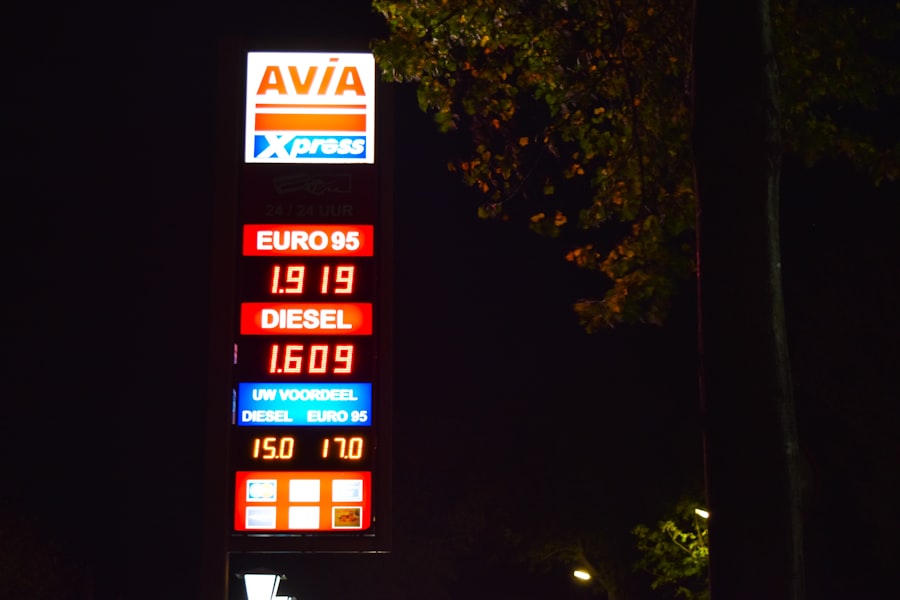
Despite its advantages, dynamic pricing is often misunderstood. One common misconception is that it leads to unfair pricing practices, where consumers feel they are being taken advantage of based on their purchasing behavior. However, it’s essential to recognize that dynamic pricing is not about exploiting consumers; rather, it’s about aligning prices with market conditions and consumer demand.
As a savvy shopper, understanding this can help you appreciate the rationale behind price changes. Another misconception is that dynamic pricing is only beneficial for large retailers with sophisticated technology. In reality, small and medium-sized businesses can also leverage dynamic pricing strategies effectively.
You might find that local shops are using similar techniques to offer competitive prices or special promotions based on local events or seasonal trends. By dispelling these myths, you can better understand how dynamic pricing works and how it can enhance your shopping experience.
The Role of Technology in Implementing Dynamic Pricing Strategies
Technology plays a crucial role in the successful implementation of dynamic pricing strategies. Advanced algorithms and data analytics tools allow retailers to monitor market trends and consumer behavior in real-time. As a consumer, you may not see the behind-the-scenes technology at work, but it significantly influences the prices you encounter online or in-store.
Retailers utilize machine learning models to predict demand fluctuations and adjust prices accordingly, ensuring they remain competitive while meeting your needs. Moreover, the rise of e-commerce has accelerated the adoption of dynamic pricing strategies. With online shopping becoming increasingly popular, retailers can gather vast amounts of data on consumer preferences and purchasing patterns.
This wealth of information enables them to tailor their pricing strategies more effectively. As you browse through various online platforms, the technology behind dynamic pricing ensures that you receive offers that resonate with your interests and shopping habits.
Strategies for Maintaining Transparency and Fairness in Dynamic Pricing
| Metric | Description | Typical Value / Range | Importance in Defense |
|---|---|---|---|
| Price Volatility Index | Measures the frequency and magnitude of price changes | 5% – 20% per day | High volatility can indicate vulnerability to price scraping or manipulation |
| Price Match Rate | Percentage of competitor prices matched or undercut | 70% – 90% | Helps maintain competitiveness while avoiding price wars |
| Response Time to Competitor Price Changes | Time taken to adjust prices after competitor updates | Minutes to 1 hour | Faster response reduces risk of losing sales |
| Price Scraping Detection Rate | Percentage of unauthorized price data scraping attempts detected | 80% – 95% | Critical for protecting pricing strategy and data integrity |
| Dynamic Pricing Algorithm Accuracy | Accuracy of price predictions based on market data | 85% – 95% | Ensures optimal pricing decisions and defense against manipulation |
| Customer Price Sensitivity | Measure of how price changes affect customer demand | Elasticity coefficient: -0.5 to -2.0 | Helps in setting prices that maximize revenue without losing customers |
| Price Change Frequency Limit | Maximum allowed price changes per product per day | 3 – 5 times | Prevents excessive price fluctuations that can confuse customers or trigger competitor retaliation |
While dynamic pricing offers numerous benefits, maintaining transparency and fairness is essential for building trust with consumers like you. One effective strategy is clear communication about how prices are determined. Retailers can provide insights into their pricing algorithms or explain the factors influencing price changes.
By doing so, they empower you with knowledge about why prices fluctuate, fostering a sense of fairness in the process. Another approach is implementing price guarantees or price matching policies. If you find a lower price elsewhere after purchasing a product, retailers can offer refunds or discounts to ensure you feel valued as a customer.
This not only enhances your shopping experience but also reinforces the retailer’s commitment to fair pricing practices. By prioritizing transparency and fairness, retailers can cultivate long-lasting relationships with consumers like yourself.
The Impact of Dynamic Pricing on Competition and Market Dynamics
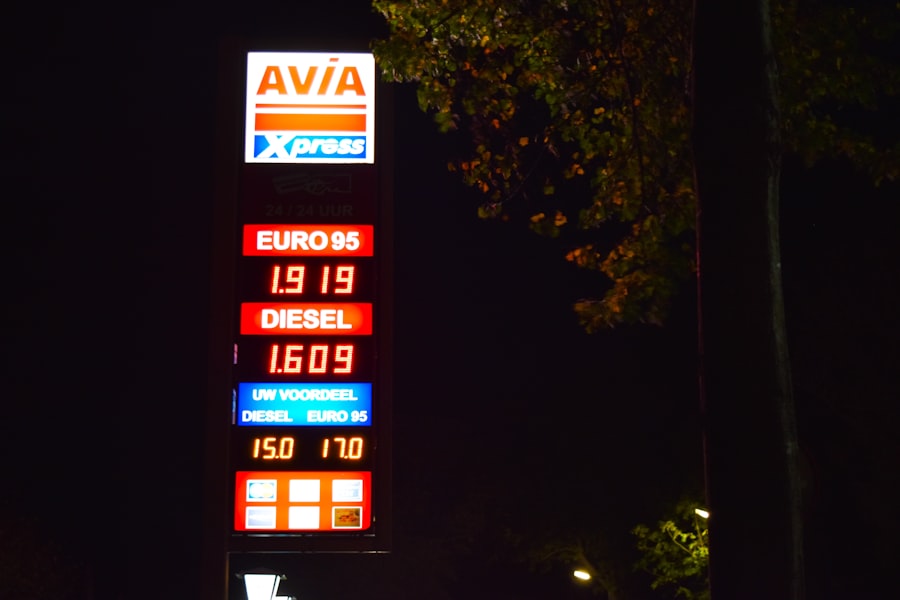
Dynamic pricing significantly influences competition within the retail sector. As a consumer, you benefit from this competitive landscape as retailers strive to offer the best prices and promotions to attract your attention. When one retailer adjusts its prices dynamically, others often follow suit to remain competitive.
This constant price adjustment creates a more vibrant marketplace where you have access to various options at different price points. However, this competitive environment can also lead to price wars among retailers. While this may initially seem advantageous for consumers like you, it can have long-term implications for market dynamics.
Retailers may struggle to maintain profitability if they continuously undercut each other’s prices. As a result, some may resort to cutting corners on quality or customer service to stay afloat. Understanding these dynamics helps you appreciate the delicate balance between competitive pricing and maintaining quality in the products and services you purchase.
Ethical Considerations in Dynamic Pricing
As dynamic pricing becomes more prevalent, ethical considerations come into play. You may wonder whether it is fair for retailers to charge different prices based on individual consumer behavior or demographics. While dynamic pricing aims to optimize revenue and enhance customer experience, it raises questions about equity and fairness in pricing practices.
Retailers must navigate these ethical dilemmas carefully to ensure they do not alienate consumers like yourself. One ethical approach is ensuring that dynamic pricing does not lead to discriminatory practices. Retailers should be cautious about using sensitive data that could result in unfair price discrimination based on factors such as income or location.
By prioritizing ethical considerations in their dynamic pricing strategies, retailers can build trust with consumers and create a more inclusive shopping environment.
Understanding Consumer Behavior and Preferences in Dynamic Pricing
To implement effective dynamic pricing strategies, retailers must have a deep understanding of consumer behavior and preferences. As a consumer, your purchasing decisions are influenced by various factors such as brand loyalty, perceived value, and urgency. Retailers analyze these behaviors through data analytics to tailor their pricing strategies accordingly.
By recognizing what drives your purchasing decisions, they can create offers that resonate with you. Moreover, understanding consumer psychology plays a vital role in dynamic pricing success. For instance, retailers may employ techniques such as anchoring—showing a higher original price alongside a discounted price—to create a perception of value in your mind.
By leveraging insights into consumer behavior, retailers can craft dynamic pricing strategies that not only attract your attention but also encourage conversions.
The Legal and Regulatory Landscape of Dynamic Pricing
The legal and regulatory landscape surrounding dynamic pricing is evolving as this practice becomes more widespread. As a consumer, it’s essential to be aware of your rights regarding pricing transparency and fairness. Various jurisdictions have implemented regulations aimed at preventing deceptive pricing practices and ensuring that consumers are not misled by fluctuating prices.
Retailers must navigate these legal frameworks carefully while implementing dynamic pricing strategies. Compliance with regulations not only protects consumers like yourself but also enhances the retailer’s reputation in the marketplace. By staying informed about the legal landscape surrounding dynamic pricing, you can make more informed purchasing decisions while holding retailers accountable for fair practices.
Case Studies of Successful Dynamic Pricing Implementations
Examining case studies of successful dynamic pricing implementations provides valuable insights into how this strategy can be effectively executed. For instance, consider an online travel agency that uses dynamic pricing based on demand fluctuations for flights and accommodations. By analyzing booking patterns and market trends, they adjust prices in real-time, offering competitive rates during off-peak times while capitalizing on high-demand periods.
Another example is an e-commerce retailer that employs dynamic pricing algorithms to optimize sales during holiday seasons or special events. By analyzing historical data and current market conditions, they can offer targeted discounts that resonate with consumers like yourself during peak shopping times. These case studies illustrate how dynamic pricing can be strategically implemented to enhance both retailer profitability and consumer satisfaction.
Tips for Retailers to Effectively Defend Their Dynamic Pricing Strategies
For retailers looking to defend their dynamic pricing strategies effectively, communication is key. Clearly articulating the rationale behind price fluctuations helps build trust with consumers like yourself who may be skeptical about changing prices. Providing insights into how prices are determined fosters transparency and reassures customers that they are receiving fair treatment.
Additionally, offering value-added services or loyalty programs can help mitigate any negative perceptions associated with dynamic pricing. By rewarding loyal customers with exclusive discounts or early access to sales, retailers can demonstrate their commitment to providing value beyond just competitive pricing. These strategies not only enhance customer satisfaction but also reinforce the retailer’s position in the marketplace.
In conclusion, dynamic pricing is an essential component of modern retail strategies that benefits both consumers and retailers alike. By understanding its importance, addressing misconceptions, leveraging technology, maintaining transparency, considering ethical implications, analyzing consumer behavior, navigating legal landscapes, learning from successful case studies, and effectively communicating strategies, both parties can thrive in this evolving marketplace.
In the ever-evolving landscape of retail, dynamic pricing has become a crucial strategy for maximizing profits and staying competitive. However, retailers must also be prepared to defend their pricing strategies against potential backlash from consumers. A related article that delves into the intricacies of retail dynamic pricing defense can be found at How Wealth Grows, where insights on consumer perception and pricing transparency are explored in depth.
WATCH THIS! 💰 STOP Apps Are Stealing $1,000 From You Every Year—Here’s Proof & The 30-Day Fix
FAQs
What is retail dynamic pricing?
Retail dynamic pricing is a strategy where retailers adjust the prices of their products in real-time or near real-time based on various factors such as demand, competition, inventory levels, and market conditions.
Why do retailers use dynamic pricing?
Retailers use dynamic pricing to maximize revenue, stay competitive, respond to market changes quickly, and optimize inventory management by adjusting prices according to customer behavior and external factors.
What are the common challenges associated with dynamic pricing in retail?
Challenges include customer perception of unfair pricing, price wars with competitors, complexity in managing pricing algorithms, potential legal and ethical concerns, and the risk of alienating loyal customers.
What does retail dynamic pricing defense mean?
Retail dynamic pricing defense refers to strategies and technologies used by retailers to protect their pricing models from being exploited by competitors, price scraping bots, or unauthorized third parties that may use the data to undercut prices or manipulate the market.
How can retailers defend against price scraping and undercutting?
Retailers can use techniques such as IP blocking, rate limiting, CAPTCHA challenges, data obfuscation, and legal measures to prevent automated bots from scraping pricing data and to protect their dynamic pricing strategies.
Are there legal considerations in implementing dynamic pricing defense?
Yes, retailers must ensure that their defense mechanisms comply with laws related to data privacy, anti-competitive practices, and consumer protection to avoid legal repercussions.
What role does technology play in retail dynamic pricing defense?
Technology plays a crucial role by enabling real-time monitoring of pricing data, detecting suspicious activities, automating defense responses, and securing pricing algorithms against unauthorized access.
Can dynamic pricing defense improve customer trust?
Effective dynamic pricing defense can help maintain fair pricing practices and prevent price manipulation, which in turn can enhance customer trust and loyalty.
Is dynamic pricing defense necessary for all retailers?
While not mandatory for all, dynamic pricing defense is particularly important for retailers operating in highly competitive markets or those heavily reliant on online sales where pricing data is easily accessible to competitors.
How does dynamic pricing defense impact overall retail strategy?
Dynamic pricing defense supports a retailer’s overall strategy by safeguarding pricing integrity, enabling competitive advantage, and ensuring sustainable profitability in a dynamic market environment.