You’ve embarked on a journey to understand the colossal machine that is the American farming system. It’s an intricate web of biology, economics, policy, and human endeavor, far more complex than the bucolic imagery often associated with it. This article will serve as your compass, guiding you through its multifaceted landscape, dissecting its components, and revealing its underlying mechanisms. You will find yourself navigating through a system that, while incredibly productive, faces a myriad of challenges and opportunities for evolution.
When you consider American farming, your mind likely conjures images of vast fields stretching to the horizon. This isn’t far from the truth. The sheer scale is staggering, but beneath the surface lies a diverse foundation of land ownership, farm size, and labor demographics. Learn more about corporate control by watching this insightful video corporate control.
Land Ownership and Farm Classification
You’ll discover that American farms are not monolithic entities. Instead, they represent a spectrum.
- Family Farms: These constitute the overwhelming majority of U.S. farms, ranging from small, hobby operations to large, commercially oriented enterprises. You might be surprised to learn that a significant portion of agricultural output still originates from these family-owned businesses, often passed down through generations.
- Corporate Farms: While fewer in number, corporate farms often control immense tracts of land and contribute substantially to national agricultural production. These operations frequently employ advanced technologies and business strategies.
- Non-Family Farms: This category encompasses a variety of structures, including partnerships and trusts, where family members may or may not be directly involved in daily operations.
The Human Element: Labor Dynamics
Toiling the land requires human hands, and the labor force powering American agriculture is as diverse as the farms themselves.
- Family Labor: On family farms, you’ll often find family members providing the primary labor force, dedicating long hours to planting, tending, and harvesting crops or caring for livestock. This is the enduring heart of many agricultural operations.
- Hired Labor: Many farms, especially larger commercial operations, rely heavily on hired labor, both seasonal and year-round. You’ll encounter a significant population of migrant workers, vital to harvesting labor-intensive crops, many of whom face unique challenges related to immigration status and working conditions.
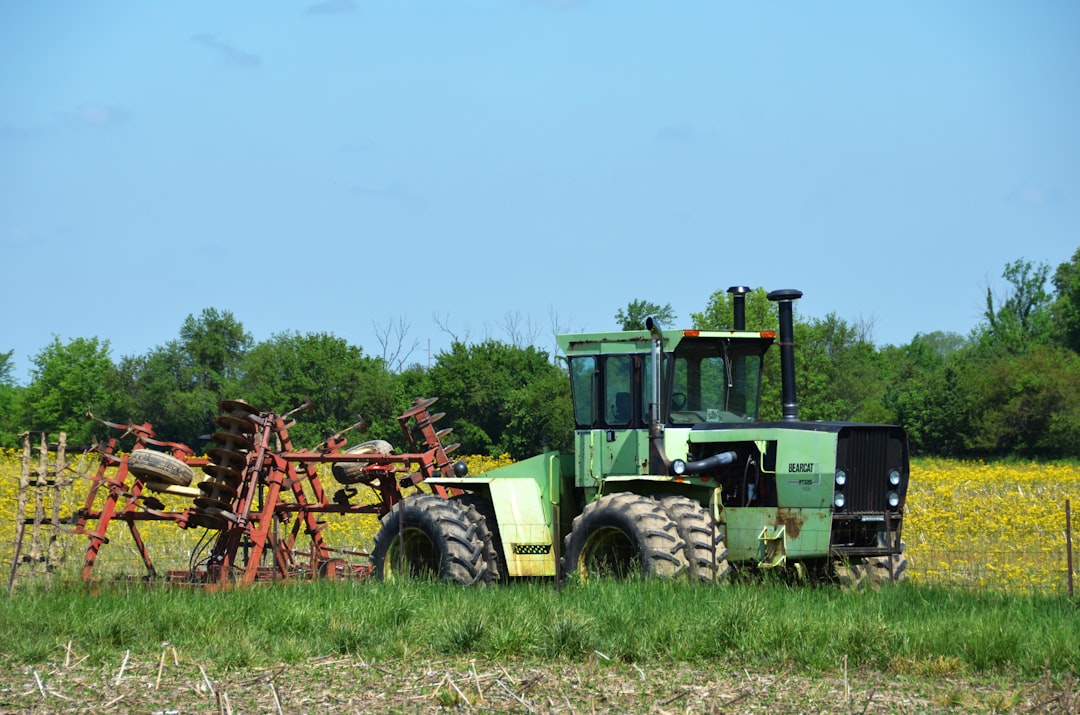
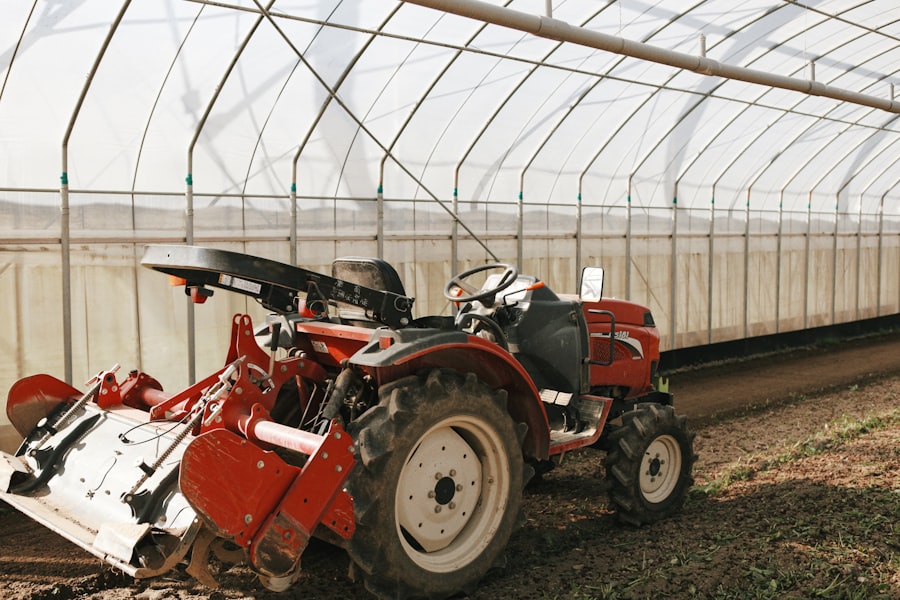
- Technological Displacement: You’ll observe an increasing trend of automation and mechanization across the industry. Tractors with GPS guidance, robotic milking systems, and automated harvest equipment are reshaping the demand for human labor, creating both efficiencies and new concerns about job displacement.
To gain a deeper understanding of the American farming system, you may find it helpful to explore the article available at this link. The article provides insights into the various factors that influence agricultural practices in the United States, including economic trends, technological advancements, and environmental considerations. By examining these elements, readers can better appreciate the complexities and challenges faced by American farmers today.
The Engine Room: Core Agricultural Sectors
Understand that American agriculture isn’t a single enterprise but a collection of specialized engines, each driving a unique sector of food production. You’ll find distinct methodologies and challenges within each.
Crop Production: The Breadbasket of the World
You are standing in the breadbasket of the world. The cultivation of crops forms the bedrock of the American diet and a significant portion of global food supply.
- Row Crops: This encompasses staples like corn, soybeans, wheat, and cotton. You’ll see vast fields dedicated to these commodities, often cultivated with highly specialized machinery and advanced agronomic practices. These crops are not just for direct human consumption; they are feed for livestock, ingredients for processed foods, and raw materials for biofuels.
- Specialty Crops: Beyond the major row crops, you’ll encounter a vibrant and diverse array of specialty crops, including fruits, vegetables, nuts, and horticultural products. These often require more intensive labor and specialized growing conditions. Think of the orchards of California or the vegetable farms of the Northeast.
- Organic and Sustainable Farming: A growing segment you’ll observe is the organic and sustainable farming movement. These producers prioritize ecological balance, soil health, and often eschew synthetic pesticides and fertilizers. You’ll see how consumer demand is driving innovation and market growth in this niche.
Livestock Farming: From Pasture to Plate
The raising of animals for meat, dairy, and other products is another colossal sector, with its own intricate dynamics.
- Cattle Operations: You’ll find large-scale beef feedlots, where cattle are finished for market, alongside smaller cow-calf operations where calves are raised on pasture. Dairy farms, often highly automated, focus on milk production.
- Poultry and Swine: These industries are characterized by highly concentrated, vertically integrated operations. You’ll observe sophisticated facilities designed for efficient production, often with strict biosecurity measures. The scale of these operations can be immense, bringing both economic benefits and environmental concerns.
- Aquaculture: While smaller in scale compared to traditional livestock, aquaculture – the farming of aquatic organisms – is a growing segment you’ll encounter, particularly for species like catfish, salmon, and shrimp.
The Lifelines: Infrastructure and Technology
Imagine the American farming system as a complex organism. Its lifelines are the infrastructure that moves its products and the technology that fuels its efficiency and innovation. You’ll discover how these elements are inextricably linked to its success.
Transportation and Distribution Networks
The journey from farm to fork is a marvel of logistics. You’ll witness a sophisticated network facilitating this movement.
- Road, Rail, and Waterways: Agricultural products rely on a robust multimodal transportation system. You’ll see trucks hauling grain, trains carrying livestock feed, and barges moving bulk commodities along inland waterways. The efficiency of this network is critical to national and global food security.
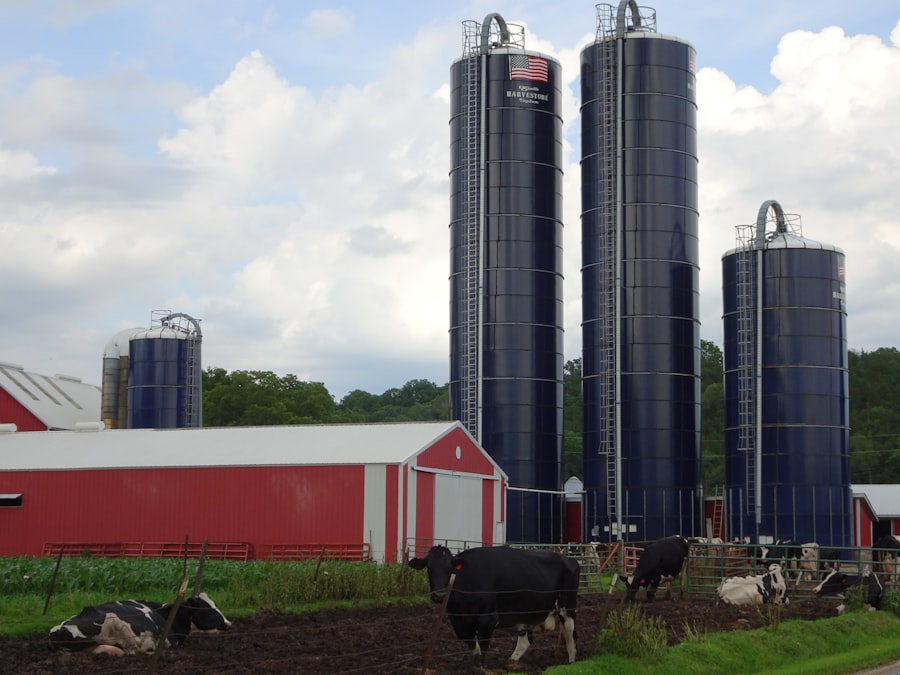
- Cold Chains and Storage Facilities: For perishable goods, you’ll observe the critical role of cold chains – refrigerated transportation and storage facilities – ensuring freshness and minimizing spoilage. Granaries and silos dot the landscape, acting as vast storage lockers for harvested crops.
The Technological Revolution
You’re witnessing a technological revolution in agriculture, transforming practices from the ground up.
- Precision Agriculture: This is a key development you’ll observe. Using GPS, remote sensing (drones and satellites), and data analytics, farmers can apply inputs like water, fertilizer, and pesticides with unprecedented precision, optimizing yields and reducing environmental impact.
- Biotechnology and Genetic Engineering: You’ll see the impact of biotechnology in the development of genetically modified (GM) crops, engineered for traits like pest resistance and herbicide tolerance. This controversial yet impactful technology continues to shape agricultural practices and debates.
- Automation and Robotics: From automated planting and harvesting equipment to robotic systems for livestock management, you’ll find that robotics are increasingly integrated into farming operations, reducing labor demands and enhancing efficiency.
The External Forces: Policy and Market Dynamics
The farming system isn’t an isolated entity; it’s constantly buffeted by external forces. You’ll see how government policies and the invisible hand of the market exert profound influence.
Government Policy: A Guiding Hand (or Heavy Hand)
You’ll quickly realize that the federal government plays a substantial role in shaping the agricultural landscape.
- Farm Bills: These comprehensive legislative packages, enacted every few years, are the bedrock of U.S. agricultural policy. You’ll see how they dictate everything from commodity subsidies and crop insurance to conservation programs and food assistance initiatives. They are complex documents with far-reaching consequences.
- Subsidies and Price Supports: You’ll learn about various government programs designed to stabilize farmer incomes and ensure a reliable food supply. These can include direct payments, crop insurance subsidies, and loan programs, all of which influence planting decisions and market behavior.
- Environmental Regulations: You’ll encounter regulations aimed at mitigating agriculture’s environmental footprint, addressing issues like water quality, soil erosion, and greenhouse gas emissions. These regulations introduce both costs and incentives for sustainable practices.
Market Forces and Global Trade
The global marketplace acts as a powerful current, influencing what farmers grow and how they operate.
- Commodity Markets: You’ll observe that prices for major agricultural commodities (like corn, soybeans, and wheat) are often set on global exchanges, introducing volatility and risk for farmers. These markets represent the global supply and demand for basic food components.
- Consumer Demand: You are a critical player in this system. Shifts in consumer preferences – for organic products, local foods, or specific dietary trends – directly influence what farmers choose to produce and how they market their goods.
- International Trade Agreements: You’ll see how international trade agreements and tariffs impact the export and import of agricultural products, opening up new markets for American farmers or creating competitive challenges.
To gain a deeper understanding of the American farming system, it is beneficial to explore various resources that shed light on its complexities and challenges. One such article discusses the economic factors influencing agriculture and how they impact farmers across the nation. You can read more about these insights in this informative piece on wealth growth in agriculture. For further details, visit this article to enhance your knowledge of the agricultural landscape in the United States.
The Challenges and the Future: Navigating a Shifting Landscape
| Metric | Description | Value | Unit |
|---|---|---|---|
| Number of Farms | Total number of farms in the United States | 2.02 million | Farms |
| Average Farm Size | Average size of farms in the U.S. | 444 | Acres |
| Farm Types | Percentage distribution of farm types | Crop: 45%, Livestock: 35%, Mixed: 20% | Percent |
| Top Crops | Leading crops by acreage | Corn, Soybeans, Wheat | — |
| Farm Income Sources | Breakdown of income sources for farms | Crop sales: 60%, Livestock sales: 35%, Other: 5% | Percent |
| Farm Employment | Number of people employed in farming | Approximately 2.6 million | People |
| Use of Technology | Percentage of farms using precision agriculture technologies | About 70% | Percent |
| Organic Farming | Percentage of farms certified organic | 2.5% | Percent |
You are now equipped to see that the American farming system, for all its productivity, is not without its vulnerabilities and faces a future teeming with complex challenges.
Environmental Stewardship and Sustainability
The environmental impact of agriculture is a critical area you must acknowledge.
- Climate Change: You’ll learn how changing weather patterns, increased droughts, and extreme weather events are directly impacting agricultural productivity and forcing adaptations in farming practices. This is not a distant threat but a present reality.
- Water Scarcity: In many regions, you’ll observe that water resources are finite and under increasing pressure from agriculture, urban development, and industrial use. Efficient irrigation and water conservation are becoming paramount.
- Soil Degradation: You’ll see ongoing efforts to combat soil erosion, nutrient depletion, and compaction, all of which threaten the long-term fertility and productivity of agricultural land. Practices like no-till farming and cover cropping are crucial responses.
Economic Viability and Rural Development
The economic health of the farming community and rural areas is another significant concern.
- Farm Income Volatility: Despite government support, you’ll discover that farm incomes can be highly volatile due to market fluctuations, weather events, and input costs. This uncertainty poses significant challenges for farm families.
- Consolidation and Small Farm Survival: You’ll notice a trend of consolidation in the agricultural sector, with fewer, larger farms producing a greater share of output. This raises questions about the viability of smaller, family-owned operations and the future of rural communities.
- Access to Capital and Credit: For farmers, especially new and beginning farmers, access to capital and credit is crucial for investing in land, equipment, and technology. You’ll find that this can be a significant barrier to entry and growth.
Food Security and Global Population Growth
You are part of a world with a growing population, and the demand for food will only intensify.
- Producing More with Less: You’ll recognize the imperative for American agriculture to continue increasing productivity, but often with constrained resources and a reduced environmental footprint. This is the central paradox and challenge.
- Food Waste: A significant portion of food produced is wasted along the supply chain. You’ll find that reducing food waste offers a substantial opportunity to improve food security without necessarily increasing production.
- Global Food Systems: You’ll appreciate that American agriculture is not isolated; it’s deeply integrated into global food systems, influencing and being influenced by international dynamics of supply, demand, and geopolitics.
As you step back from this in-depth exploration, you will undoubtedly recognize the immense complexity and vital importance of the American farming system. It is a dynamic, evolving entity, perpetually balancing production efficiencies with environmental stewardship, economic realities, and societal demands. Your understanding is now enhanced, providing a clearer lens through which to view the food on your plate and the intricate journey it undertakes to reach you.
FAQs
What is the American farming system?
The American farming system refers to the methods, practices, and infrastructure used in the United States to cultivate crops and raise livestock. It includes a wide range of agricultural activities, from small family farms to large industrial operations, and incorporates modern technology, machinery, and sustainable practices.
What types of farming are common in the United States?
Common types of farming in the U.S. include crop farming (such as corn, soybeans, wheat, and cotton), livestock farming (cattle, poultry, and hogs), dairy farming, and specialty farming (fruits, vegetables, and nuts). The type of farming often depends on regional climate, soil conditions, and market demand.
How has technology impacted American farming?
Technology has significantly transformed American farming by increasing efficiency and productivity. Innovations such as GPS-guided equipment, automated irrigation systems, genetically modified crops, and data analytics help farmers optimize yields, reduce waste, and manage resources more effectively.
What role do government policies play in American agriculture?
Government policies play a crucial role in shaping American agriculture through subsidies, crop insurance programs, conservation initiatives, and trade regulations. These policies aim to support farmers’ incomes, promote sustainable practices, and ensure food security.
What challenges does the American farming system face?
Challenges include climate change impacts, soil degradation, water scarcity, fluctuating market prices, labor shortages, and the need for sustainable practices. Additionally, farmers must navigate complex regulations and global competition.
How important is American farming to the global food supply?
American farming is vital to the global food supply, as the U.S. is one of the world’s largest producers and exporters of agricultural products. It supplies significant quantities of grains, meat, dairy, and other commodities to international markets.
What is the difference between conventional and organic farming in the U.S.?
Conventional farming typically uses synthetic fertilizers, pesticides, and genetically modified organisms (GMOs) to maximize production. Organic farming avoids synthetic chemicals and GMOs, focusing on natural inputs and sustainable practices to maintain soil health and biodiversity.
How do American farmers contribute to environmental conservation?
Many American farmers adopt conservation practices such as crop rotation, cover cropping, reduced tillage, and integrated pest management. These methods help preserve soil quality, reduce erosion, protect water resources, and promote biodiversity.