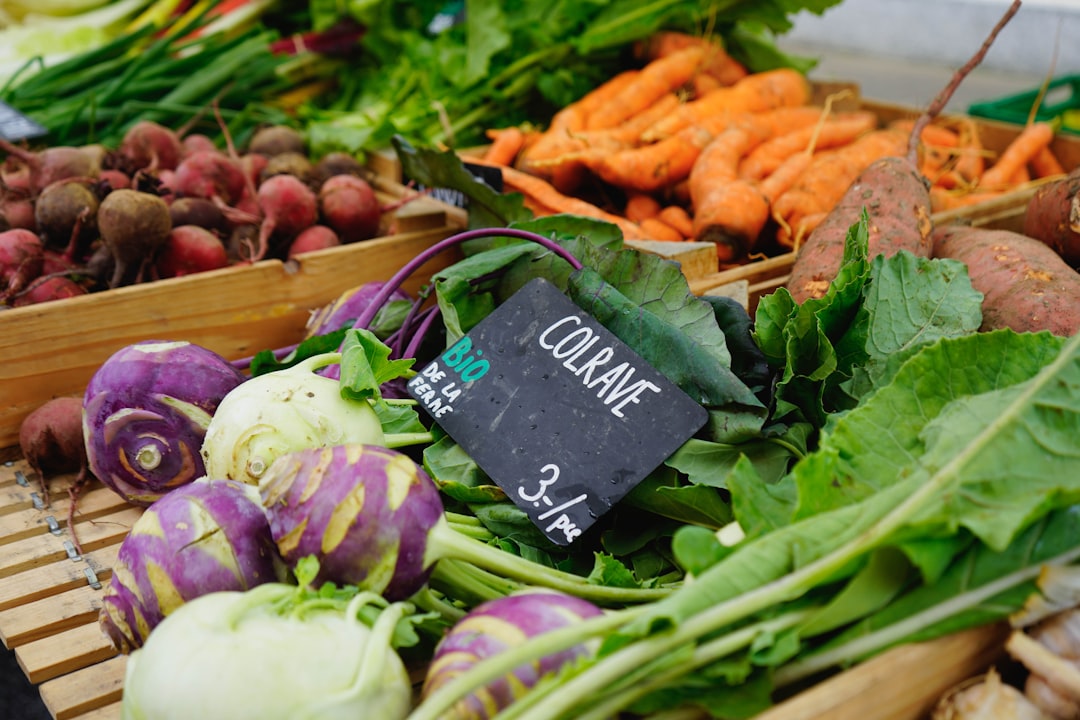
You’ve probably noticed it at the grocery store: prices steadily climbing, your basket feeling lighter even as your receipt grows longer. This isn’t a fleeting trend; it’s a complex interplay of economic forces and corporate strategies. To truly understand why your food budget feels like it’s under siege, you need to peel back the layers of the food system. This exploration will help you decipher the hidden costs on your dinner plate and understand the powerful entities shaping them.
The simple laws of supply and demand are merely the tip of the iceberg when you’re assessing food prices. While seasonal variations and unexpected weather events undoubtedly play a role, a deeper dive reveals a more intricate web of factors influencing what you pay. Learn more about corporate control by watching this insightful video corporate control.
Input Costs: The Building Blocks of Your Meal
Think of a loaf of bread. Its journey to your table begins not with the baker, but with the farmer.
- Grain Prices: The cost of wheat, corn, and other staple crops forms the fundamental base. Global commodity markets are volatile, influenced by geopolitical events, climate patterns, and speculative trading. A drought in one major agricultural region can send ripples across the globe, impacting the price of your breakfast cereal.
- Fertilizer and Pesticides: Modern agriculture relies heavily on these inputs. Their costs are often tied to energy prices (for production and transport) and the availability of raw materials. When natural gas prices rise, so too does the cost of synthetic nitrogen fertilizers, a direct line to higher food prices.
- Labor Wages: From farm workers to factory hands, from truck drivers to grocery store clerks, wages are a significant component of food costs. Increases in minimum wage or general labor shortages directly translate into higher operational expenses for food producers and retailers. You might argue that a living wage is essential, but its economic impact on product pricing is undeniable.
- Energy Prices: Fueling tractors, processing plants, refrigerated trucks, and grocery store lighting all consume energy. Fluctuations in oil and electricity prices are absorbed by the food system and ultimately reflected in the final retail price. Consider the journey of a strawberry from a field to your refrigerator; every mile traveled in a diesel truck adds to its energy footprint and cost.
Processing and Manufacturing: The Transformation Pipeline
Once raw ingredients are harvested, they embark on a journey through a sophisticated industrial pipeline.
- Technology and Equipment: Food processing plants require substantial capital investment in machinery, automation, and hygiene systems. The cost of maintaining and upgrading these facilities, often driven by regulatory requirements and technological advancements, is integrated into the price of processed foods.
- Packaging Materials: From plastic wrappers to cardboard boxes, packaging serves multiple functions: preservation, protection, and marketing. The cost of materials like petroleum-based plastics or pulp for paperboard fluctuates with global commodity markets. Furthermore, consumers increasingly demand sustainable packaging, which can introduce new, often higher, costs for manufacturers.
- Research and Development: Companies invest in R&D to create new products, improve existing ones, and enhance efficiency. This can include developing new flavor profiles, extending shelf life, or finding more cost-effective production methods. While these innovations may offer consumer benefits, their investment costs are recouped through product sales.
To gain a deeper understanding of the relationship between food costs and corporate power, you may find the article on wealth accumulation and its impact on various sectors particularly insightful. This resource discusses how corporate influence can drive food prices and shape consumer choices, providing a broader context for the economic dynamics at play. For more information, you can read the article here: Understanding Food Costs and Corporate Power.
The Macroeconomics of the Plate: Global Forces and National Policies
Your food costs are also shaped by forces operating on a much grander scale, far beyond a single farm or factory. These macroeconomic currents act as formidable headwinds or tailwinds for your grocery budget.
Global Commodity Markets: The interconnected Web
Food is a global business, and what happens in one corner of the world can reverberate everywhere.
- Currency Exchange Rates: When you import ingredients or finished products, the strength of your local currency against the currency of the exporting country directly impacts the cost. A weaker domestic currency makes imports more expensive, raising prices for consumers.
- Trade Agreements and Tariffs: International trade policies can significantly alter food prices. Tariffs, essentially taxes on imported goods, increase their cost to protect domestic industries. Conversely, free trade agreements can lower prices by reducing barriers, though they may also expose domestic producers to increased competition.
- Geopolitical Instability: Conflicts, political unrest, and international sanctions can disrupt supply chains, destroy infrastructure, and limit access to vital resources. The blockage of key shipping routes or the destruction of agricultural lands can lead to scarcity and price spikes on a global scale. Think of a major artery being blocked; the entire system slows, and costs for transit rise.
Government Policies and Subsidies: Steering the Agricultural Ship
Governments play an active role in shaping the agricultural landscape through various policies.
- Agricultural Subsidies: Many countries subsidize farmers to ensure food security, stabilize incomes, or encourage specific crop production. While subsidies can make certain foods cheaper for consumers by offsetting production costs, they can also distort market prices and favor particular types of agriculture over others.
- Regulations and Standards: Food safety, environmental protection, and animal welfare regulations, while essential, add to the cost of production and compliance for farmers and food processors. Adhering to strict hygiene standards or implementing sustainable farming practices requires investment, which is ultimately reflected in product pricing.
- Fiscal and Monetary Policy: Broader economic policies, such as interest rates set by central banks or government spending programs, influence inflation. When inflation is high, the purchasing power of money erodes, and the cost of everything, including food, rises. This is akin to the air slowly leaking from your financial balloon.
Corporate Concentration: The Giants in the Grocery Aisle

You might assume a fragmented market, but the reality is that the food industry, from seed to shelf, is increasingly dominated by a few powerful entities. This concentration has profound implications for pricing and consumer choice.
Consolidation at Every Stage: Fewer Players, More Power
The food system is a series of interconnected supply chains, and power is consolidating at nearly every junction.
- Seed and Input Suppliers: A handful of multinational corporations control a vast share of the global seed market, as well as the production of agricultural chemicals. This oligopoly gives them significant pricing power over farmers, who often rely on their proprietary seeds and associated chemical packages.
- Food Processors and Manufacturers: Many iconic brands you see on supermarket shelves are owned by a small number of colossal food conglomerates. These companies leverage their scale for efficiency but also exert considerable influence over pricing, supply chain logistics, and shelf space.
- Retail Giants: The supermarket sector has seen massive consolidation, with a few dominant chains controlling a large percentage of the market in many regions. Their immense purchasing power allows them to dictate terms to suppliers, influencing everything from product specifications to payment schedules. This can create pressure on smaller producers and limit competition.
Market Power and Price Setting: Steering the Food Ship
When a few large players dominate a market, they gain significant leverage.
- Negotiating Leverage: Large food retailers and manufacturers can demand lower wholesale prices from their suppliers due to the sheer volume of their orders. While this might appear beneficial on the surface, it can squeeze margins for smaller producers, sometimes forcing them out of business or prompting them to cut corners.
- Category Captains and Shelf Space: Retailers often appoint a “category captain” – usually a leading brand in a particular product segment – to manage the shelf layout and product assortment for that category. This gives the captain immense influence over which products get prime shelf space and can make it difficult for smaller, independent brands to compete.
- Information Asymmetry: Large corporations often possess superior market intelligence regarding consumer trends, pricing strategies, and supply chain dynamics. This information advantage allows them to optimize their pricing and product portfolios in ways that smaller competitors cannot.
Beyond the Supermarket: The Hidden Costs and Externalities

The price you see on the tag doesn’t fully encompass the true cost of your food. There are broader societal and ecological impacts that are often externalized, meaning they’re borne by others or by the environment, rather than being fully reflected in the product’s price.
Environmental Degradation: Nature’s Bill
Industrial food production often comes at a cost to the planet, a cost that isn’t itemized on your receipt.
- Resource Depletion: Intensive agriculture can deplete soil nutrients, overuse freshwater resources, and contribute to deforestation for new farmland. The long-term costs of these actions, such as reduced agricultural productivity or water scarcity, are significant but not always factored into today’s food prices.
- Pollution: Runoff from fertilizers and pesticides can contaminate waterways, creating dead zones in oceans and harming biodiversity. Emissions from agricultural machinery and livestock contribute to greenhouse gases. The costs of mitigating this pollution or treating related health issues are spread across society.
- Biodiversity Loss: Monoculture farming, the cultivation of a single crop over large areas, reduces genetic diversity and makes agricultural systems more vulnerable to pests and diseases. This weakens the resilience of our food supply and can lead to greater reliance on chemical interventions.
Public Health Impacts: The Diet-Related Disease Burden
Your diet has a direct impact on your health, and the broader food system significantly influences dietary choices.
- Diet-Related Illnesses: The abundance of inexpensive, highly processed foods, often high in sugar, salt, and unhealthy fats, contributes to rising rates of obesity, type 2 diabetes, and cardiovascular diseases. The healthcare costs associated with treating these preventable conditions are enormous, representing another externalized cost of the current food system.
- Antibiotic Resistance: The widespread use of antibiotics in animal agriculture, often to promote growth or prevent disease in crowded conditions, contributes to the rise of antibiotic-resistant bacteria. This poses a significant threat to human health, making common infections harder to treat. You, the taxpayer and healthcare consumer, bear the brunt of these societal costs.
Understanding food costs and the influence of corporate power is crucial for consumers navigating today’s market. A related article that delves deeper into this topic can be found at this link, where it explores how large corporations shape food pricing and availability. By examining these dynamics, readers can gain valuable insights into the factors that affect their grocery bills and the broader implications for society.
Looking Ahead: Navigating the Food Landscape
| Metric | Description | Example Value | Impact on Food Costs | Relation to Corporate Power |
|---|---|---|---|---|
| Farmgate Price | Price received by farmers for their produce | 150 per ton | Base cost of raw food materials | Often suppressed by large buyers to reduce costs |
| Processing Costs | Expenses related to transforming raw food into products | 50 per ton | Increases final food price | Controlled by large corporations with economies of scale |
| Distribution Costs | Costs of transporting and storing food products | 30 per ton | Added to consumer price | Dominated by few logistics companies linked to food giants |
| Retail Markup | Additional cost added by retailers | 40 per ton | Final price increase to consumers | Large supermarket chains set prices and control shelf space |
| Market Concentration Ratio | Percentage of market controlled by top 4 companies | 70% | Higher concentration can lead to price manipulation | Indicates strong corporate power in food sector |
| Profit Margin of Food Corporations | Percentage of revenue retained as profit | 15% | Influences pricing strategies | Reflects corporate ability to influence market prices |
| Food Price Inflation Rate | Annual percentage increase in food prices | 5% | Measures cost changes affecting consumers | Can be driven by corporate pricing power |
Understanding these complex dynamics is the first step towards more informed decision-making. You are not a passive observer in this system; your choices as a consumer have ripple effects.
Consumer Power and Advocacy: Your Voice Matters
While corporate power is immense, collective consumer action can influence the market.
- Informed Purchasing: By understanding where your food comes from, how it’s produced, and who benefits, you can make more conscious purchasing decisions. Supporting local farmers, choosing brands committed to sustainability, or opting for less processed foods can send signals to the market.
- Support for Sustainable Practices: Seek out products labeled with credible certifications for organic, fair trade, or environmentally responsible practices. Your willingness to pay a premium for these products incentivizes their growth and adoption.
- Advocacy and Policy Engagement: Engage with organizations advocating for a more equitable and sustainable food system. Support policies that promote local food economies, regulate corporate power, subsidize healthy foods, and hold corporations accountable for environmental and social impacts. This isn’t a fight for consumers alone; it requires systemic change.
The food you eat is more than just sustenance; it’s a reflection of global economics, corporate strategy, and societal values. By demystifying the forces that shape your grocery bill, you gain a clearer perspective on a system that profoundly impacts your daily life, your health, and the planet. This deeper understanding empowers you to be a more discerning consumer and a more effective advocate for a food system that serves everyone.
FAQs
What are food costs?
Food costs refer to the total expenses involved in producing, processing, distributing, and selling food products. This includes raw materials, labor, transportation, packaging, and retail pricing.
How does corporate power influence food costs?
Corporate power can influence food costs through market control, pricing strategies, supply chain management, and lobbying for favorable regulations. Large corporations may leverage economies of scale to reduce costs or set prices that impact consumers and smaller producers.
Why is understanding food costs important?
Understanding food costs is important for consumers, producers, and policymakers to make informed decisions about food affordability, sustainability, and economic fairness within the food system.
What role do large corporations play in the food industry?
Large corporations often dominate various stages of the food supply chain, including production, processing, distribution, and retail. Their decisions can affect food availability, pricing, and quality on a global scale.
How do supply chains affect food costs?
Supply chains impact food costs through transportation expenses, storage requirements, and efficiency of distribution. Disruptions or inefficiencies in the supply chain can increase costs and affect food prices.
Can corporate consolidation affect food prices?
Yes, corporate consolidation can reduce competition, potentially leading to higher food prices and less choice for consumers. It can also increase the bargaining power of corporations over suppliers and farmers.
What factors contribute to fluctuations in food costs?
Factors include changes in commodity prices, weather conditions, labor costs, fuel prices, government policies, and global trade dynamics.
How do food costs impact consumers?
Food costs directly affect consumers’ ability to afford nutritious and sufficient food, influencing food security and dietary choices.
Are there regulations to control corporate power in the food industry?
Yes, many countries have antitrust laws and food safety regulations aimed at preventing monopolistic practices and ensuring fair competition in the food industry.
What can consumers do to understand and influence food costs?
Consumers can educate themselves about food sourcing, support local and sustainable producers, advocate for transparent pricing, and participate in policy discussions related to food systems.