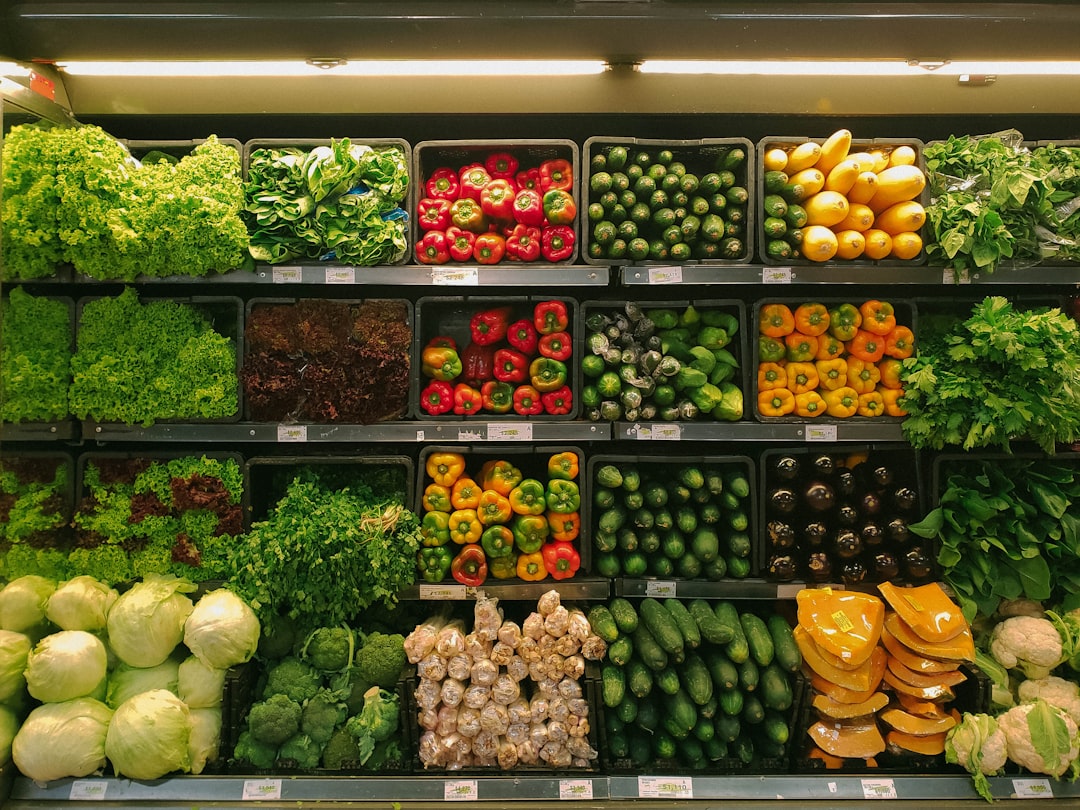
You’ve likely found yourself in the grocery aisle, a familiar battleground where your wallet wrestles with your hunger. The allure of “cheap” groceries is a powerful motivator, a siren song promising respite from economic strain. However, this seemingly benevolent offer often masks a more intricate and less consumer-friendly reality. This article dismantles common myths surrounding cheap groceries, revealing the layers of corporate control that influence what you eat and how much you pay.
When you browse the aisles of your local supermarket, you might perceive a vast array of options. This perception, however, is frequently an elaborate illusion, a meticulously constructed facade designed to guide your purchasing decisions. Learn more about corporate control by watching this insightful video corporate control.
Brand Proliferation: The Same Wine in Different Bottles
Companies often create numerous “brands” of the same or very similar products. You might see several different brands of, for example, canned diced tomatoes, each with slightly varying labels and price points. While this appears to offer choice, it often represents a single manufacturer applying different marketing strategies to essentially the same product. This technique, known as “brand stretching” or “multi-branding,” allows corporations to capture different market segments without genuinely diversifying their product offerings. You are effectively choosing between different marketing narratives rather than fundamentally distinct products.
Private Labeling: The Store’s Own Secret Weapon
Supermarkets themselves are major players in this game. They develop their own “private label” or “store brand” products, often positioned as more affordable alternatives to national brands. While some private label products offer genuine value, others are simply national brand products re-packaged with the store’s branding. This practice allows retailers to exert greater control over pricing and supply chains, further reducing their reliance on external manufacturers. You might be buying the same ketchup, produced in the same factory, but paying less because it bears the supermarket’s name instead of a famous brand. This also grants the supermarket a substantial competitive advantage, as they control both the production (or sourcing) and the retail channel.
In recent discussions about the impact of corporate control on food pricing, an insightful article titled “Exposing Cheap Grocery Myths” sheds light on the misconceptions surrounding grocery costs and the influence of large corporations on our shopping habits. This piece delves into how marketing strategies can mislead consumers into believing they are getting the best deals, while in reality, they may be falling victim to corporate tactics. For a deeper understanding of these issues, you can read the article at How Wealth Grows.
Supply Chain Domination: The Invisible Hand That Feeds You
The journey of your food from farm to fork is a complex tapestry woven with logistical challenges and economic pressures. Corporate powerhouses have intricately positioned themselves at every stage, wielding significant influence over pricing and product availability.
Consolidation of Power: Fewer Players, More Control
Over the past few decades, the food industry has witnessed a dramatic consolidation of power. A handful of multinational corporations now control a disproportionately large share of global food production, processing, and distribution. Think of the major players in meatpacking, or the handful of companies that dominate seed production. This concentration creates an oligopoly, where competition is limited, and these dominant firms can dictate terms to suppliers and, ultimately, to consumers. When fewer companies own the majority of the market, they possess greater leverage to set prices and standards, leaving you with fewer bargaining options. This is akin to having all the major oil refineries owned by just two companies; they can control the price of gasoline with greater impunity.
Retailer Leverage: The Gatekeepers of Your Pantry
Supermarket chains, particularly large ones, act as formidable gatekeepers. Their immense purchasing power allows them to demand favorable terms from suppliers, including lower prices and longer payment terms. This pressure often trickles down to farmers and smaller producers, who may struggle to compete or even survive without access to these major distribution channels. You might see a small, local farmer struggling to get their produce into a large supermarket, while mass-produced items from across the globe easily fill the shelves. This leverage can also affect product diversity, as supermarkets prioritize products that generate high turnover and profit margins, potentially sidelining niche or specialty items.
Vertical Integration: Owning Every Step
Some corporations engage in vertical integration, meaning they own and control multiple stages of the supply chain. A company might own the farms where crops are grown, the processing plants where they’re prepared, and even the transportation networks that deliver them to stores. This level of control further minimizes competition and allows for greater efficiency – and greater profit margins – for the integrated entity. While presented as a way to ensure quality and lower costs, it also creates significant barriers to entry for smaller businesses and can limit consumer choice. You are, in essence, purchasing from a single, monolithic entity that dictates every aspect of the product’s journey.
The Shell Game of Pricing: How “Cheap” Isn’t Always Affordable
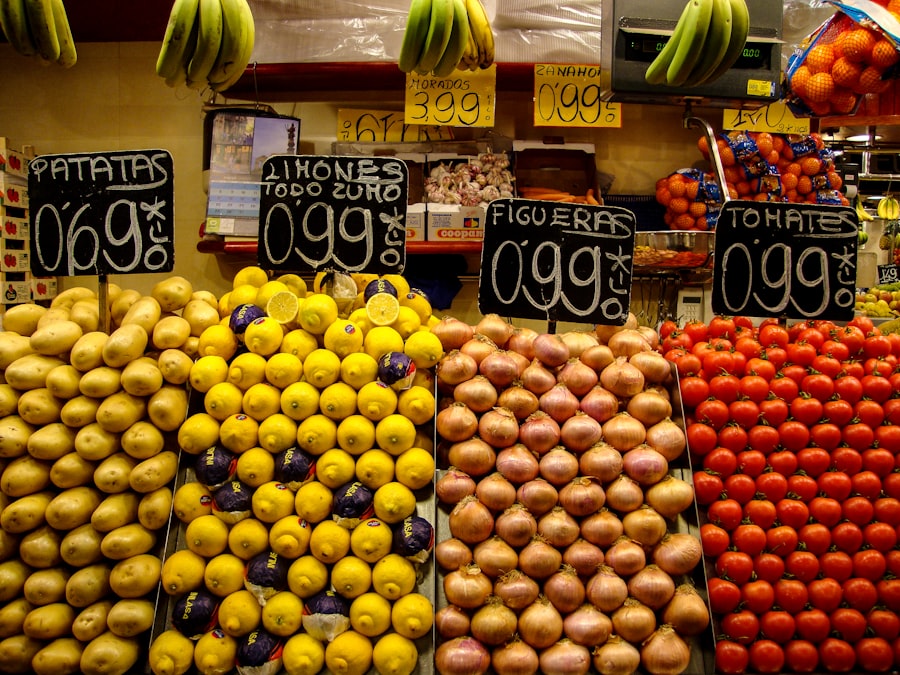
The perception of “cheap” groceries is frequently a carefully constructed narrative, expertly designed to influence your purchasing habits. What appears inexpensive on the surface may hide underlying costs or simply leverage your psychological biases.
Loss Leaders and Promotional Pricing: Baiting the Hook
Supermarkets often employ “loss leaders” – products sold at or below cost – to entice you into the store. You might see an incredible deal on, say, milk or bananas. The expectation is that once you’re inside, you’ll purchase other, higher-margin items. Similarly, promotional pricing, such as “buy one, get one free” or deeply discounted items, can create an illusion of savings. While these deals can genuinely benefit you if you only purchase the discounted items, they often encourage impulse buying and lead you to spend more overall. The “cheap” item serves as a tempting lure, drawing you into a meticulously designed retail environment.
Shrinkflation: Less for Your Money
A more insidious tactic is “shrinkflation,” where the price of a product remains the same, but the quantity or size decreases. You might notice your favorite cereal box contains fewer ounces, or your chocolate bar is slightly smaller, without a corresponding reduction in price. This allows manufacturers to effectively raise prices without explicitly increasing their monetary value, making it harder for you to detect the change. You pay the “same cheap price,” but you’re getting less for your money, a slow erosion of value that often goes unnoticed. It’s like finding a small hole in your pocket where coins slowly disappear, leaving you poorer without a sudden, noticeable loss.
Psychological Pricing: The Allure of .99
You’ve undoubtedly encountered prices ending in .99 or similar fractional amounts (e.g., $4.99 instead of $5.00). This isn’t an accidental convention; it’s a deliberate psychological strategy. Research indicates that consumers perceive prices ending in .99 as significantly cheaper than their whole-number counterparts, even when the difference is negligible. This “left-digit effect” can subtly influence your perception of value and encourage purchases based on an artificial sense of savings. Your brain processes the “4” in $4.99 and anchors that as the primary price point, downplaying the approaching “5.”
Nutritional Compromises: The Hidden Cost of Low Prices
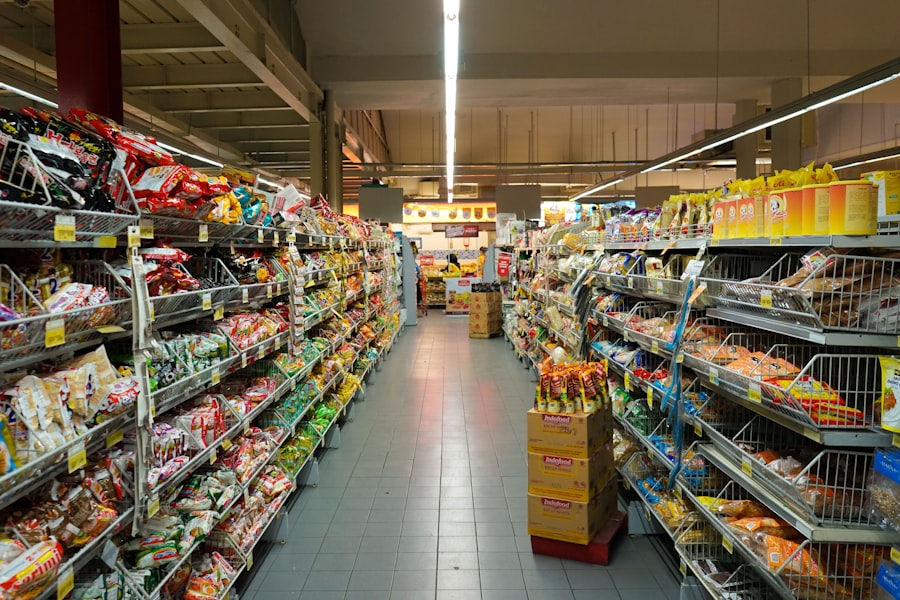
The pursuit of “cheap” often comes with an unspoken caveat regarding nutritional quality. The economic pressures that drive down prices can lead to compromises in ingredient selection and processing methods.
Processed Foods: The Engine of Affordability
Highly processed foods, characterized by ingredients like high-fructose corn syrup, refined grains, and unhealthy fats, are often the most affordable options in the grocery store. These ingredients are inexpensive to produce, have long shelf lives, and can be formulated to be highly palatable (hypersimilar). The industrial processes involved in their creation allow for scale and efficiency, translating into lower consumer prices. However, these foods are frequently low in essential nutrients and high in calories, contributing to various health issues. You might be buying a “cheap” snack, but you’re potentially paying a higher price in long-term health.
Quality of Ingredients: A Race to the Bottom
When cost-cutting is paramount, the quality of ingredients can suffer. Manufacturers might opt for cheaper, lower-grade components, or use artificial flavorings and colorings instead of more expensive natural alternatives. This isn’t just about taste; it can impact the nutritional profile of the product. For instance, a “cheap” fruit juice might contain very little real fruit juice, relying instead on sugar and artificial flavors. The seemingly inexpensive price point obscures the fact that you are consuming a product with diminished nutritional value. It’s like buying a car with a cheap engine that will require constant, expensive repairs down the line.
Dietary Inequality: A Systemic Issue
The prevalence of affordable but nutritionally inferior foods contributes to dietary inequality, where lower-income individuals often have limited access to fresh, healthy options due to economic constraints. This creates a cycle where poor nutrition is often linked to socioeconomic status, leading to disparities in health outcomes. While you may have the agency to choose, many do not, and the “cheap” offerings often become their primary source of sustenance, regardless of nutritional adequacy. This is a societal problem stemming from the economic structures that prioritize profit over public health.
Many consumers are often misled by cheap grocery myths that obscure the reality of corporate control over food pricing and availability. A recent article delves into these misconceptions, shedding light on how large corporations manipulate perceptions to maintain their profit margins while keeping consumers in the dark. For those interested in understanding the deeper implications of these practices, you can read more about it in this insightful piece on exposing these myths and the influence of corporate power. Check it out here.
The Environmental Footprint: An Unseen Bill
| Myth | Reality | Impact on Consumers | Corporate Control Factor |
|---|---|---|---|
| Cheap groceries mean better deals | Low prices often result from lower quality or hidden costs | Consumers may buy less nutritious or lower-quality products | Large corporations use pricing strategies to undercut local producers |
| All brands compete fairly | Major corporations own multiple brands, limiting true competition | Limited choices and higher prices in the long term | Market consolidation reduces diversity and consumer power |
| Discounted products are always surplus or near expiry | Some discounts are strategic to push certain products or brands | Consumers may be misled about product freshness or value | Corporations manipulate pricing to maximize profits |
| Buying in bulk is always cheaper | Bulk items may lead to waste or higher overall spending | Consumers may overspend or discard unused food | Corporations promote bulk buying to increase sales volume |
| Private label brands are cheaper and better value | Private labels are often produced by the same manufacturers as premium brands | Consumers may not get significant savings or quality differences | Corporations control both premium and private label markets |
The journey of “cheap” groceries often extends beyond your immediate transactions, leaving a significant environmental impact that is rarely factored into the sticker price. This unseen bill is paid, not by you at the checkout, but by the planet.
Intensive Agriculture: The Cost to Soil and Water
To meet the demand for low-cost food, agricultural practices often prioritize yield and efficiency over environmental sustainability. This can involve extensive use of synthetic fertilizers and pesticides, which can deplete soil health, contaminate water sources, and harm biodiversity. Monoculture farming, where vast tracts of land are dedicated to a single crop, further exacerbates these issues, making ecosystems more vulnerable to pests and diseases and requiring even more chemical intervention. Your preference for cheap produce might inadvertently contribute to these environmentally damaging practices.
Long-Distance Supply Chains: Fueling Emissions
Many “cheap” groceries travel thousands of miles to reach your plate. This long-distance transportation, often by cargo ship, airplane, or heavy-duty truck, has a substantial carbon footprint due to fossil fuel consumption. While the immediate retail price might be low, the environmental cost in terms of greenhouse gas emissions is considerable. The “cheap” banana from halfway across the world carries an invisible weight of carbon, a cost that is externalized and borne by the global climate.
Packaging Waste: A Pile of Non-Biodegradables
The drive for efficiency and consumer convenience in the grocery sector often leads to excessive packaging, much of which is made from non-recyclable or difficult-to-recycle plastics. Individual portions, multi-packs, and elaborate containers contribute to a growing mountain of waste in landfills and oceans. While packaging ostensibly protects the product and extends shelf life, the environmental burden of its production and disposal is a significant factor in the true cost of “cheap” groceries. The convenience of a pre-packaged, “cheap” meal often translates into a long-lasting environmental legacy of plastic waste.
Strategies for a More Conscious Consumer: Reclaiming Agency
Understanding the mechanisms of corporate control in the grocery sector is the first step towards becoming a more conscious and empowered consumer. While the system is designed to guide your choices, you possess the agency to navigate it more strategically.
Educate Yourself: The Power of Information
Actively seek information about where your food comes from, how it’s produced, and who owns the brands you purchase. Look beyond superficial marketing claims and explore independent sources of information, such as consumer advocacy groups, documentaries, and investigative journalism. Understanding the true cost of your food – both economic and ethical – empowers you to make more informed decisions. Think of it as peeling back the layers of an onion; the more you peel, the more you understand its true nature.
Prioritize Whole, Unprocessed Foods: A Return to Basics
One of the most effective ways to circumvent the pitfalls of corporate food systems is to prioritize whole, unprocessed foods. Fresh fruits and vegetables, legumes, whole grains, and lean proteins offer superior nutritional value and often bypass the complex processing and extensive supply chains of their manufactured counterparts. While not always the “cheapest” option on a per-calorie basis, they offer significantly greater nutritional bang for your buck. This is an investment in your health and a rebellion against the processed food paradigm.
Support Local and Sustainable: Voting with Your Wallet
Whenever possible, support local farmers’ markets, community-supported agriculture (CSA) programs, and businesses committed to sustainable practices. Buying locally reduces transportation costs and emissions, often promotes healthier farming methods, and keeps money circulating within your community. While these options may sometimes have a higher upfront cost, they represent a significant investment in environmental stewardship and local economies. It’s a direct act of support for an alternative, more equitable food system.
Read Labels Critically: The Fine Print Matters
Don’t be swayed solely by attractive packaging or enticing slogans. Take the time to read ingredient lists and nutritional information. Understand what common additives and preservatives are, and make conscious choices about whether you want them in your diet. Pay attention to serving sizes and compare unit prices (price per ounce or gram) to truly assess value, rather than being misled by headline prices. This is where you become a detective, scrutinizing the clues left by manufacturers to understand the real story.
In conclusion, the realm of “cheap” groceries is far more complex than it appears. It is a carefully constructed landscape heavily influenced by corporate control, designed to maximize profit while subtly shaping your perceptions and habits. By understanding the illusion of choice, the dominance of supply chains, the psychological games of pricing, the hidden nutritional compromises, and the unseen environmental footprint, you can transcend the passive consumer role. You can reclaim your agency in the grocery aisle, making choices that benefit not only your wallet but also your health and the planet.
FAQs
What are some common myths about cheap groceries?
Common myths about cheap groceries include the belief that low prices always mean low quality, that discount stores sell expired or unsafe products, and that buying cheap groceries is not cost-effective in the long run. In reality, many affordable grocery items meet safety standards and can be nutritious and high quality.
How do corporations influence grocery prices?
Large corporations often control significant portions of the grocery supply chain, from production to retail. This control can affect pricing, product availability, and marketing strategies. Corporate consolidation can lead to less competition, which may impact prices and consumer choices.
Are cheap groceries less nutritious than more expensive options?
Not necessarily. Many affordable grocery items, such as fresh produce, grains, and legumes, can be just as nutritious as their more expensive counterparts. Nutrition depends more on the type of food rather than its price.
Why do some grocery items appear cheaper at large chain stores?
Large chain stores benefit from economies of scale, allowing them to purchase goods in bulk at lower prices and pass savings on to consumers. They may also use loss leaders—products sold at a loss to attract customers—to compete with other retailers.
Is it true that buying organic groceries is always more expensive?
Organic groceries often cost more due to higher production costs and certification fees. However, prices vary widely depending on the product, location, and store. Some organic items can be affordable, especially when purchased in season or on sale.
How can consumers identify misleading marketing in grocery stores?
Consumers should look beyond marketing claims and check product labels, ingredient lists, and nutritional information. Terms like “natural,” “fresh,” or “healthy” are not strictly regulated and may not guarantee better quality or nutrition.
What role do private labels or store brands play in grocery pricing?
Private labels or store brands are typically priced lower than national brands because they have lower marketing and distribution costs. They often offer comparable quality, making them a cost-effective option for consumers.
How does corporate control affect food diversity in grocery stores?
Corporate control can lead to a focus on high-demand, mass-produced products, potentially reducing the variety of specialty or local foods available. This can limit consumer choices and impact small producers’ ability to compete.
Can buying in bulk help reduce grocery costs?
Yes, buying in bulk can lower the cost per unit of many grocery items, especially non-perishable goods. However, it requires proper storage and planning to avoid waste.
What strategies can consumers use to save money on groceries without compromising quality?
Consumers can compare prices, use coupons, buy seasonal produce, choose store brands, plan meals, and shop sales. Being informed about product quality and nutrition helps make cost-effective and healthy choices.