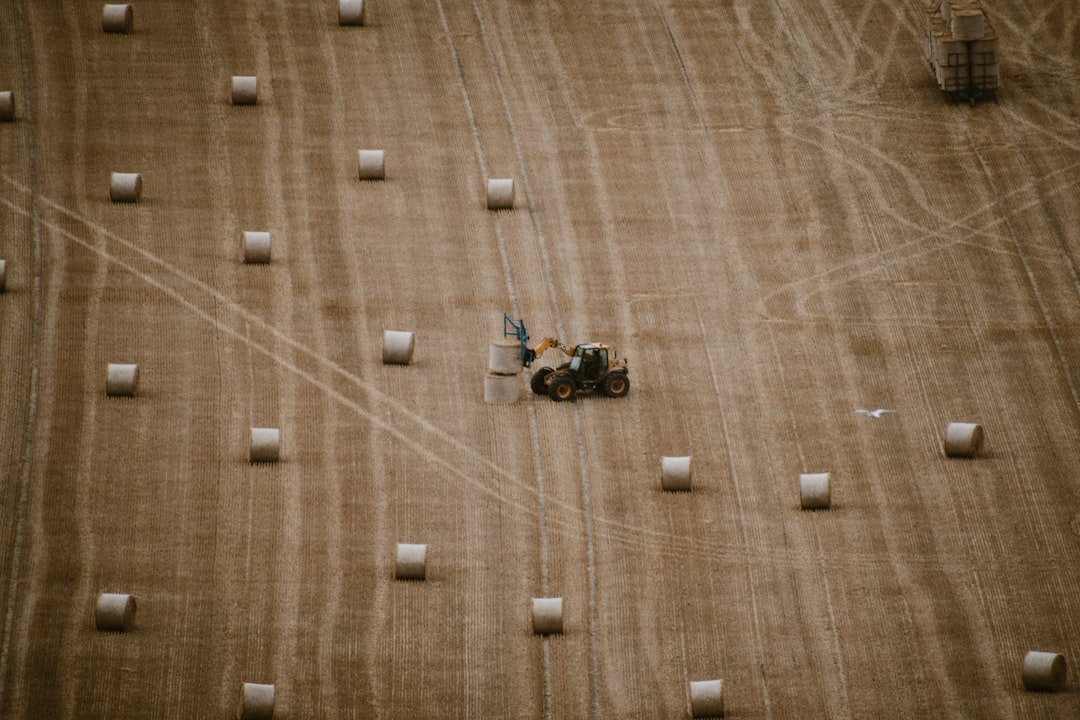
You stand at the edge of a vast field, the scent of earth and crops filling your lungs. This idyllic image, a cornerstone of American identity, often masks a complex and evolving reality, one where the small, independent farmer, once a robust symbol of self-reliance, finds themselves increasingly marginalized. You are about to delve into the intricate history and ongoing implications of a phenomenon known as corporate takeover, specifically how large agricultural corporations, often referred to as “Big Ag,” have systematically gained control over American farming. This isn’t a story of outright conquest but a gradual, strategic entanglement, much like a vine slowly enveloping a sturdy oak.
The foundational narrative of American farming is one of family. You picture homesteaders, pioneers taming the land, cultivating a livelihood directly from the soil. For centuries, this model prevailed, characterized by diversified farms, local markets, and a deep connection between producer and consumer. However, the mid-20th century marked a pivotal shift, an inflection point where the traditional agricultural landscape began to morph under the pressures of modernization and industrialization. Learn more about corporate control by watching this insightful video corporate control.
The Post-War Push for Efficiency
You can trace the roots of this transformation to the aftermath of World War II. The war effort had dramatically boosted industrial capacity and technological innovation. Policy makers and industry leaders, seeing the success of mass production in other sectors, began to envision a similar model for agriculture. The mantra became “produce more with less,” a seemingly noble pursuit aimed at feeding a growing population and bolstering national food security. This period saw a significant injection of scientific research into farming, focusing on hybrid seeds, synthetic fertilizers, and pesticides.
Government Incentives and the Acreage Race
You might assume that this push for efficiency was solely market-driven, but government policies played an instrumental role. Subsidies, initially designed to stabilize commodity prices and protect farmers from volatile markets, inadvertently incentivized larger-scale production. Farmers were encouraged to specialize in a few staple crops, leading to monocultures. You, as a farmer in this era, might have been enticed by the prospect of higher yields and seemingly guaranteed income, expanding your acreage and investing in new, larger machinery. This created a relentless “acreage race,” where the imperative was to grow bigger or risk being left behind.
The transformation of American farming into a system dominated by large corporations has raised significant concerns about the future of agriculture and food production in the United States. A related article explores how these corporations have systematically taken control of farming practices, impacting everything from crop selection to pricing and sustainability. For a deeper understanding of this issue, you can read more in the article available at this link.
The Consolidation Conundrum: Mergers, Acquisitions, and Market Power
As you navigate through the latter half of the 20th century and into the 21st, you witness a dramatic acceleration in the consolidation of agricultural industries. This isn’t just about individual farms growing larger; it’s about a handful of powerful corporations acquiring immense influence across the entire food supply chain, from the genetic material of seeds to the processing and distribution of food. You are observing the formation of an oligopoly, where a few dominant players exert significant control.
The DuPont-Pioneer and Monsanto-Bayer Story
You are likely familiar with names like Monsanto, DuPont, and Bayer. These are not merely seed companies; they are titans of agricultural biotechnology and chemical production. Consider the acquisition of Pioneer Hi-Bred by DuPont, and later the monumental merger of Monsanto with Bayer. These weren’t isolated incidents but part of a larger trend. You, as a conceptual observer, see these mergers as a tightening grip, reducing competition and limiting choices for farmers. When fewer companies control the intellectual property of seeds, they control the fundamental input for agricultural production.
Vertical Integration and Supply Chain Control
Imagine a river, a lifeblood for the ecosystem it sustains. Big Ag’s strategy has been to acquire control over the entire river system, not just a portion of it. This is known as vertical integration. You, as a farmer, find yourself not just buying seeds from large corporations, but also often relying on their fertilizers, pesticides, and even their financing. In some models, such as contract farming, you might even be effectively working for these corporations, raising animals or crops according to their specifications and then selling exclusively back to them at predetermined prices. This arrangement, while sometimes providing a sense of stability, can also erode your autonomy and bargaining power.
The Seed of Dependency: Intellectual Property and Genetic Engineering
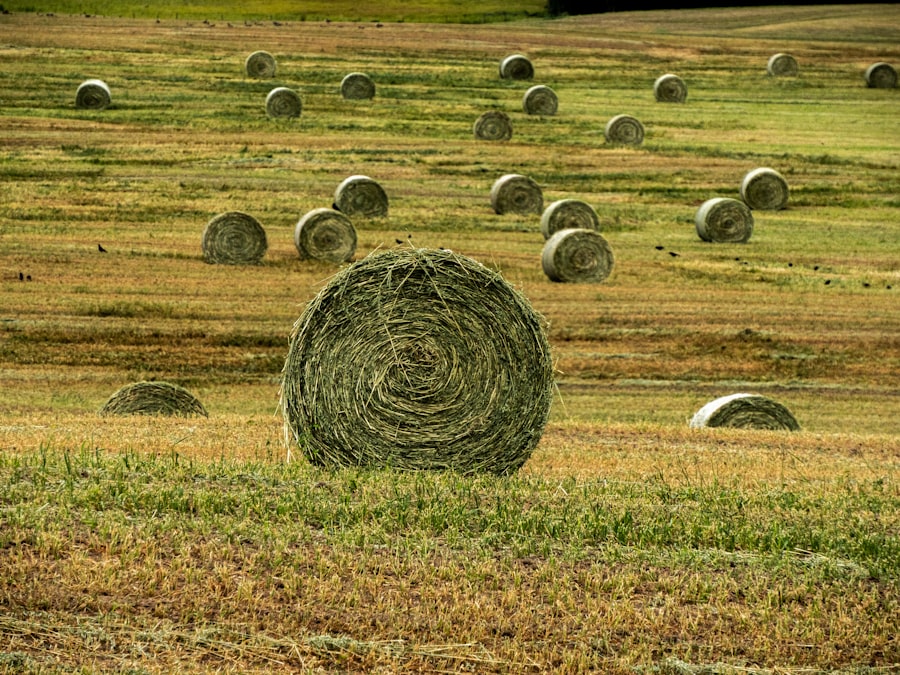
You might think of seeds as naturally occurring, freely exchangeable commodities. However, in the modern agricultural landscape, seeds have become patented intellectual property, a fundamental shift that profoundly impacts farmers. This transformation is intrinsically linked to the rise of genetic engineering.
Patenting Life: The Revolution of Biotech Seeds
Venture into the realm of genetic engineering, and you find a fascinating, yet controversial, frontier. Scientists began to manipulate the genetic makeup of crops to introduce traits like herbicide resistance or pest resistance. This innovation, while promising increased yields and reduced chemical application in some instances, came with a crucial legal development: the ability to patent these genetically modified organisms (GMOs). You, as a farmer, are no longer simply buying seeds; you are purchasing a license to use their patented genetic information. This means you cannot save seeds from one harvest to plant the next, a practice central to farming for millennia.
Restrictions, Royalties, and Lawsuits
The implications of patented seeds are far-reaching. You encounter “technology fees” and “trait use licenses” in addition to the seed cost itself. Furthermore, you are bound by strict agreements preventing you from saving or exchanging seeds. The legal consequences for violating these agreements can be severe, with companies aggressively pursuing farmers suspected of “seed piracy.” This creates a climate of dependency, where you are repeatedly obligated to repurchase proprietary seeds from the same few corporations year after year.
The Web of Debt: Financing, Subsidies, and Financialization
You stand facing a financial labyrinth, a complex interplay of debt, government programs, and market forces that have further entrenched Big Ag’s dominance. The agricultural sector, once seen as a bastion of financial independence, has become increasingly reliant on external financing, often provided by or influenced by the very corporations that supply inputs.
“Get Big or Get Out”: The Debt Spiral
The “get big or get out” mentality, fueled by the acreage race and the need for expensive new technologies, pushed many farmers into significant debt. You, as a farmer pursuing expansion, found yourself needing loans for land, equipment, and cutting-edge seeds and chemicals. The very companies selling these inputs often had financial arms or partnerships with lenders, creating a circular flow of capital that locks farmers into their ecosystem. When commodity prices drop, or disasters strike, this debt becomes a crushing burden, often leading to foreclosures and the consolidation of land into larger holdings.
The Double-Edged Sword of Government Subsidies
You might assume government subsidies are inherently beneficial to farmers, designed to bolster their livelihoods. However, the structure of many agricultural subsidies has paradoxically favored larger operations. These subsidies are often tied to acreage or production volume. Thus, the bigger your farm, the more subsidies you receive. This creates an uneven playing field, where smaller farms find it harder to compete, further incentivizing the “get big” strategy and inadvertently promoting corporate consolidation. You see these policies, though well-intentioned in some respects, acting as a tailwind for industrial agriculture.
The transformation of American farming has been significantly influenced by large corporations, which have increasingly taken control of agricultural practices and resources. This shift has raised concerns about the sustainability of small farms and the quality of food produced. For a deeper understanding of how these corporate entities have reshaped the landscape of farming in the United States, you can read more in this insightful article on wealth and agriculture. It explores the implications of corporate dominance in the farming sector and its impact on local economies. To learn more, visit this article.
The Environmental and Social Harvest: Consequences of Consolidation
| Metric | Data / Statistic | Explanation |
|---|---|---|
| Percentage of Farms Owned by Corporations | Approximately 4% | Corporate-owned farms make up a small but growing share of total farms, controlling a disproportionate amount of production. |
| Share of Agricultural Sales by Corporations | Over 70% | Large corporations dominate agricultural sales, controlling most of the market for crops and livestock. |
| Number of Family Farms Lost Since 1980 | Over 300,000 | Many family farms have been forced out due to competition and consolidation by large agribusinesses. |
| Consolidation in Seed Industry | Top 4 companies control 60% of global seed market | Seed industry consolidation limits farmer choices and increases dependency on corporate products. |
| Consolidation in Meatpacking Industry | Top 4 companies control 85% of beef processing | Meatpacking consolidation reduces competition and squeezes prices paid to farmers. |
| Average Farm Debt Level | Over 300,000 per farm | High debt levels make family farms vulnerable to buyouts by corporations. |
| Percentage of Farmers Reporting Corporate Influence | Over 60% | Majority of farmers feel pressured by corporate contracts and market control. |
You observe the landscape now, dramatically altered by decades of corporate influence. The idyllic vision of the diversified farm has largely given way to vast monocultures, with significant environmental and social repercussions. The pursuit of efficiency and profit, while delivering abundant food at relatively low prices, has come at a considerable cost.
Biodiversity Loss and Ecosystem Fragility
Imagine a vibrant rainforest, teeming with life, now pared down to a single crop for miles. This is a powerful metaphor for the impact of industrial monoculture. The reliance on a few high-yielding crop varieties, often genetically modified, has led to a dramatic reduction in agricultural biodiversity. You are witnessing the disappearance of countless heirloom varieties, making our food system more vulnerable to pests, diseases, and climate change. Furthermore, the intensive use of synthetic fertilizers and pesticides associated with these monocultures degrades soil health, contaminates water sources, and harms beneficial insects and wildlife, unraveling the intricate tapestry of healthy ecosystems.
The Decline of Rural Communities and Farmer Autonomy
Look closely at rural America, and you see the profound social impact of corporate takeover. The decline of independent family farms has hollowed out many rural communities. When farms get bigger, there are fewer farmers, fewer farmhands, and less demand for local businesses that once catered to a thriving agricultural community. You observe a loss of autonomy for the remaining farmers, who often find themselves bound by contracts and market forces dictated by powerful corporations. Their ability to make independent decisions about what to grow, how to grow it, and where to sell it is significantly diminished, transforming their role from independent producers to cogs in a much larger, corporate machine. The once cherished connection to the land and the freedom of self-determination often gives way to the stresses of meeting corporate quotas and navigating complex contractual obligations. The individual farmer, once a cornerstone of the American economy, is increasingly an employee in all but name.
FAQs
What is meant by “big corporations hijacking American farming”?
This phrase refers to the increasing control and influence that large agribusiness corporations have over various aspects of American agriculture, including seed production, farming practices, distribution, and pricing, often at the expense of small and family-owned farms.
How have big corporations gained control over American farming?
Big corporations have gained control through consolidation and mergers, acquiring seed companies, controlling supply chains, influencing agricultural policies, and promoting industrial farming methods that favor large-scale operations.
What impact has corporate control had on small and family farms?
Many small and family farms have struggled to compete with large agribusinesses due to higher costs, limited access to patented seeds, and market pressures, leading to farm closures and reduced diversity in farming operations.
How do corporate practices affect seed diversity?
Large corporations often focus on patented, genetically modified seeds that can limit seed diversity. This reduces the availability of heirloom and traditional seed varieties, potentially impacting biodiversity and resilience in agriculture.
What role do patents and intellectual property play in corporate farming control?
Patents on genetically modified seeds and farming technologies give corporations exclusive rights to sell and control these products, restricting farmers’ ability to save and reuse seeds and increasing dependency on corporate suppliers.
Are there any regulations addressing corporate influence in farming?
There are some federal and state regulations aimed at antitrust enforcement and protecting farmers’ rights, but critics argue that current policies are insufficient to curb the growing dominance of large agribusiness corporations.
What are the environmental implications of corporate-controlled farming?
Corporate farming often emphasizes monoculture and intensive use of chemical inputs, which can lead to soil degradation, reduced biodiversity, water pollution, and increased greenhouse gas emissions.
How does corporate control affect food prices and consumer choice?
Consolidation in the agriculture sector can reduce competition, potentially leading to higher food prices and fewer choices for consumers, as well as less transparency in food sourcing.
What alternatives exist to counteract corporate dominance in farming?
Alternatives include supporting local and organic farms, seed-saving initiatives, cooperative farming models, and policies promoting sustainable agriculture and fair competition.
Why is it important to understand the influence of big corporations on American farming?
Understanding this influence is crucial for making informed decisions about food consumption, supporting sustainable agriculture, protecting farmers’ rights, and ensuring food security and environmental health.