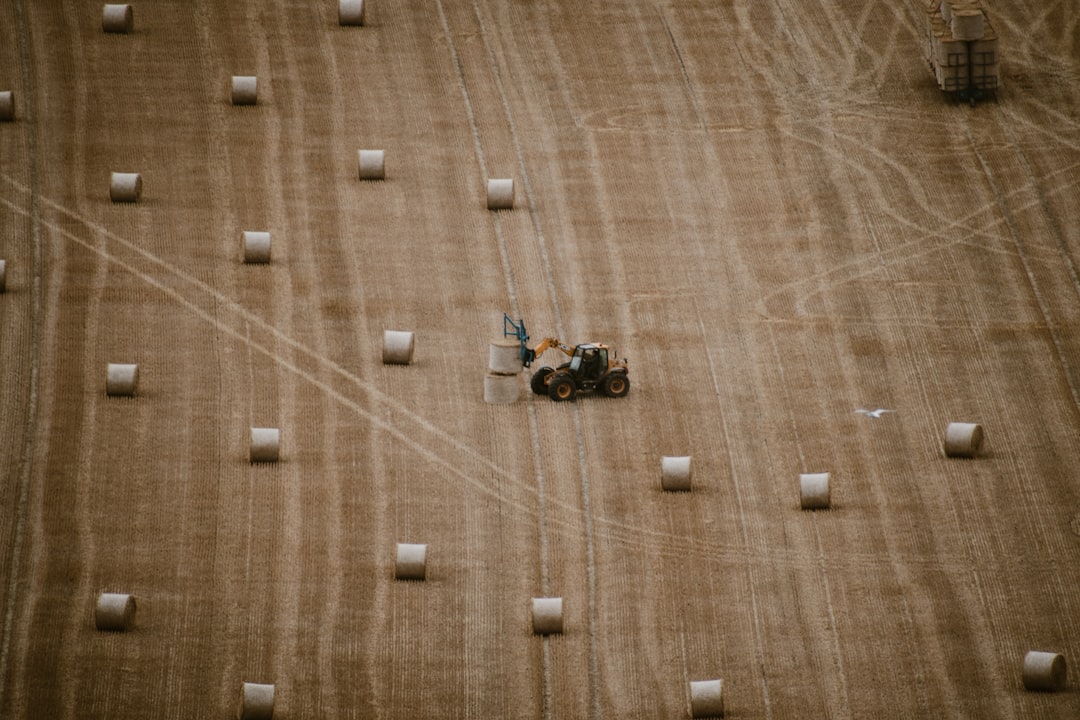
In recent decades, agriculture has undergone significant transformation due to the expansion of corporate farming operations. This shift has altered food production, distribution, and consumption patterns. Corporate farming involves large-scale agricultural enterprises owned and managed by corporations rather than individual farmers.
These operations prioritize efficiency and profit maximization through advanced technology and economies of scale, enabling them to capture substantial market share. The corporate farming model has substantial implications for the agricultural sector, economy, and society. Corporate farming emerged from economic pressures to increase productivity and profitability.
Many traditional family farms have been forced to sell their operations or adopt corporate practices to remain competitive. This transition reflects broader economic trends, including globalization and technological advancement. The consolidation of farms into larger corporate entities has created challenges, including reduced competition and increased market concentration in the agricultural sector.
Investing in farmland investment can provide sustainable returns and long-term growth opportunities.
Key Takeaways
- Corporate farming leads to consolidation and market monopolies, disadvantaging small farmers.
- Heavy use of agrochemicals in corporate farms contributes to environmental degradation and biodiversity loss.
- Corporate influence shapes government policies, often favoring large agribusiness interests.
- Quality of produce declines and transportation costs rise due to centralized, large-scale farming operations.
- Consumers face negative impacts but can support solutions like local farming and sustainable practices.
Consolidation of Farms
The consolidation of farms is a defining characteristic of corporate farming, where smaller agricultural operations are absorbed into larger entities. This trend has been fueled by various factors, including the need for increased efficiency and the ability to compete in a global market. As you consider the implications of this consolidation, it becomes clear that it has led to a significant reduction in the number of independent farms.
Many family-owned farms have been unable to keep pace with the financial demands and technological advancements required to survive in this competitive environment. As a result, you may notice that rural communities are increasingly dominated by a few large agricultural corporations. This concentration of power can lead to a lack of diversity in farming practices and crop production.
With fewer players in the market, there is less incentive for innovation and sustainability. The consolidation of farms not only impacts the farmers themselves but also affects consumers who may find their choices limited as a result of this monopolistic behavior.
Monopoly of the Market
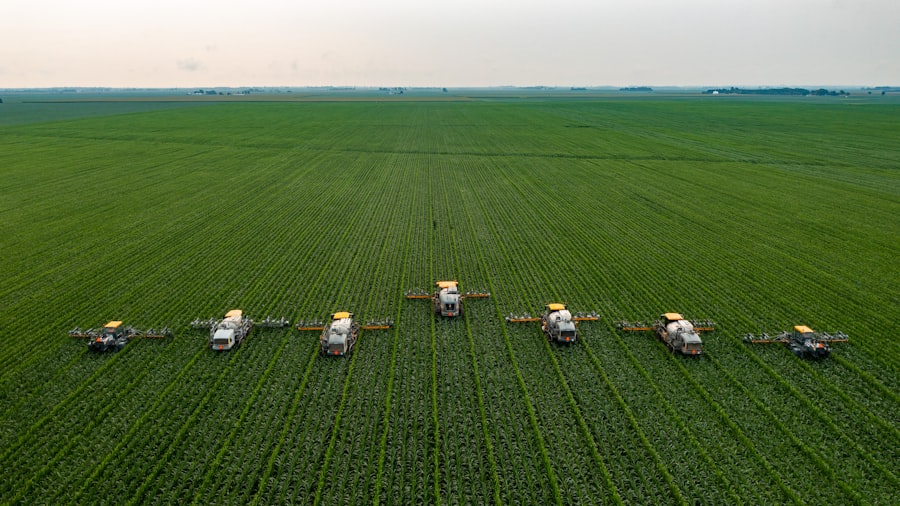
The emergence of corporate farming has given rise to monopolistic practices within the agricultural sector. As large corporations acquire smaller farms, they gain significant control over the market, dictating prices and influencing supply chains. This monopoly can create barriers for new entrants into the market, stifling competition and innovation.
You may find it concerning that such concentration can lead to price manipulation, where consumers ultimately bear the brunt of inflated costs due to a lack of alternatives. Moreover, this monopolistic environment can have detrimental effects on food quality and safety. With fewer companies controlling production, there is less oversight and accountability in agricultural practices.
As you reflect on these issues, consider how this concentration of power not only impacts farmers but also shapes the food system as a whole, leading to potential risks for consumers who rely on these products for their daily sustenance.
Impact on Small Farmers
The rise of corporate farming has had profound consequences for small farmers, many of whom struggle to compete against larger operations. As you explore this impact, you may find that small farmers face numerous challenges, including rising costs for land, equipment, and inputs. These financial pressures can make it nearly impossible for them to sustain their operations, leading many to exit the industry altogether.
Additionally, small farmers often lack access to the resources and technology that corporate farms utilize to maximize efficiency. This disparity creates an uneven playing field where small operations are at a distinct disadvantage. As you consider the future of agriculture, it is essential to recognize the importance of supporting small farmers who contribute to local economies and promote sustainable practices.
Their survival is crucial not only for maintaining diversity in food production but also for preserving rural communities.
Use of Agrochemicals
| Metric | Description | Impact on Grocery Costs |
|---|---|---|
| Input Costs | Corporate farms often use large quantities of synthetic fertilizers, pesticides, and genetically modified seeds. | Higher input costs are passed on to consumers, increasing grocery prices. |
| Monopoly Pricing | Consolidation in agriculture leads to fewer suppliers controlling seed, fertilizer, and equipment markets. | Reduced competition allows price increases, raising grocery costs. |
| Transportation and Distribution | Corporate farms often ship produce long distances to centralized processing and distribution centers. | Increased transportation costs contribute to higher retail prices. |
| Environmental Degradation | Intensive farming practices can degrade soil and water quality, reducing long-term productivity. | Declining yields can lead to supply shortages and higher prices. |
| Labor Costs | Corporate farms may rely on low-wage labor but face regulatory and compliance costs. | Compliance and labor turnover costs can increase operational expenses, reflected in grocery prices. |
| Market Volatility | Large-scale monoculture farming is vulnerable to pests, diseases, and weather events. | Supply shocks cause price spikes in grocery stores. |
One of the hallmarks of corporate farming is the extensive use of agrochemicals, including pesticides and fertilizers, to enhance crop yields. While these chemicals can increase productivity in the short term, they raise significant concerns regarding health and environmental safety. As you examine this issue, you may be alarmed by studies linking agrochemical exposure to various health problems in both farmworkers and consumers.
Moreover, the reliance on these chemicals can lead to soil degradation and water contamination, posing long-term risks to ecosystems. As you reflect on the implications of agrochemical use in corporate farming, consider how this practice not only affects human health but also threatens biodiversity and the sustainability of agricultural systems. The challenge lies in finding a balance between productivity and environmental stewardship.
Environmental Degradation

The environmental consequences of corporate farming are profound and multifaceted. Large-scale agricultural operations often prioritize short-term gains over long-term sustainability, leading to practices that degrade natural resources. As you explore this topic further, you may find that soil erosion, water depletion, and habitat destruction are common outcomes of intensive farming methods employed by corporations.
Additionally, corporate farms frequently engage in monoculture practices, where a single crop is grown over vast areas. This approach can deplete soil nutrients and increase vulnerability to pests and diseases.
Loss of Biodiversity
The rise of corporate farming has contributed significantly to the loss of biodiversity within agricultural systems. As you delve into this issue, you may notice that monoculture practices lead to a decline in plant and animal diversity on farms. The focus on high-yield crops often comes at the expense of traditional varieties that are better adapted to local conditions and more resilient to pests and diseases.
This loss of biodiversity can have cascading effects on ecosystems, disrupting food webs and diminishing resilience against climate change. As you reflect on these consequences, consider how promoting diverse agricultural practices could enhance food security while also protecting vital ecosystems. The challenge lies in finding ways to integrate biodiversity into modern farming practices without sacrificing productivity.
Influence on Government Policies
Corporate farming’s influence extends beyond the fields; it permeates government policies that shape agricultural practices and regulations. As you explore this relationship, you may find that large agribusinesses often wield significant lobbying power, shaping legislation in ways that favor their interests over those of small farmers or environmental concerns. This dynamic can lead to policies that prioritize industrial agriculture at the expense of sustainable practices.
Moreover, government subsidies frequently favor large-scale operations, further entrenching their dominance in the market. As you consider these influences on policy-making, it becomes evident that addressing the challenges posed by corporate farming requires not only grassroots efforts but also systemic changes at the governmental level. Advocating for policies that support small farmers and promote sustainable practices is essential for creating a more equitable agricultural landscape.
Reduction in Quality of Produce
The focus on maximizing yields in corporate farming often comes at a cost: the quality of produce can suffer as a result. As you examine this issue, you may find that large-scale operations prioritize uniformity and shelf life over flavor and nutritional value. This shift can lead to a disconnect between consumers and their food, as many people are left with produce that lacks the taste and quality associated with locally grown options.
Additionally, the use of agrochemicals can further compromise food quality by introducing residues that may pose health risks to consumers. As you reflect on these concerns, consider how supporting local farmers who prioritize quality over quantity can lead to healthier food choices for you and your community.
Increased Transportation Costs
The rise of corporate farming has also contributed to increased transportation costs within the food supply chain. As large-scale operations often source ingredients from distant locations to maximize efficiency, you may notice that transportation plays a significant role in determining food prices. This reliance on long-distance shipping not only adds costs but also increases carbon emissions associated with transporting food across vast distances.
Moreover, this system can create vulnerabilities in food supply chains, as disruptions—such as natural disasters or geopolitical tensions—can lead to shortages or price spikes. As you consider these transportation-related challenges, think about how supporting local agriculture could reduce transportation costs while promoting sustainability within your community.
Consumer Impact and Solutions
As a consumer navigating the complexities of modern agriculture, your choices play a crucial role in shaping the future of food production. The rise of corporate farming has undoubtedly impacted your access to diverse food options and influenced food prices. However, there are solutions available that empower you to make informed decisions about your food sources.
Supporting local farmers through farmers’ markets or community-supported agriculture (CSA) programs can help foster sustainable practices while ensuring fresher produce reaches your table. Additionally, advocating for policies that promote small-scale agriculture and sustainable practices can contribute to a more equitable food system. By being mindful of your purchasing decisions and supporting initiatives that prioritize quality over quantity, you can help drive positive change within the agricultural landscape.
In conclusion, while corporate farming has transformed agriculture in many ways, it is essential to recognize its implications for small farmers, environmental sustainability, and food quality. By understanding these dynamics and making conscious choices as consumers, you can contribute to a more resilient and equitable food system for all.
Corporate farming has been a significant factor in the rising costs of groceries, as large agricultural operations often prioritize profit over sustainable practices, leading to increased prices for consumers. For a deeper understanding of how these practices impact food costs and the economy, you can read more in this related article on wealth growth and its implications: com/’>How Wealth Grows.
WATCH THIS! The Gold Rush is Over. Now, the Dirt Rush is ON. 🚜💰
FAQs
What is corporate farming?
Corporate farming refers to large-scale agricultural operations owned and managed by corporations rather than individual farmers or family-owned farms. These entities often use industrial methods and advanced technology to produce food on a massive scale.
How does corporate farming impact grocery costs?
Corporate farming can raise grocery costs by increasing market consolidation, reducing competition, and controlling supply chains. This can lead to higher prices for consumers as fewer companies dominate the production and distribution of food.
Does corporate farming affect the variety of food available?
Yes, corporate farming often focuses on high-yield, profitable crops and livestock, which can reduce the diversity of food products available in grocery stores. This focus on uniformity can limit consumer choices and affect prices.
Are there environmental costs associated with corporate farming?
Corporate farming practices can lead to environmental degradation, such as soil depletion, water pollution, and loss of biodiversity. These environmental impacts can indirectly contribute to higher food production costs, which may be passed on to consumers.
How does corporate farming influence small farmers?
Corporate farming can make it difficult for small farmers to compete due to economies of scale and access to resources. This can reduce the number of small farms, leading to less competition and potentially higher grocery prices.
Can corporate farming lead to food supply chain disruptions?
Yes, reliance on large-scale corporate farms can make the food supply chain more vulnerable to disruptions, such as disease outbreaks or labor shortages. These disruptions can cause temporary spikes in grocery prices.
Are there any benefits to corporate farming?
Corporate farming can increase food production efficiency and lower costs through economies of scale and technological advancements. However, these benefits do not always translate to lower grocery prices for consumers.
What can consumers do to mitigate the impact of corporate farming on grocery costs?
Consumers can support local and small-scale farmers by purchasing from farmers’ markets, community-supported agriculture (CSA) programs, and local food cooperatives. This can help promote competition and potentially stabilize grocery prices.