You stand at the breakfast table, pouring your morning cereal, perhaps without realizing the intricate web of influence that brought that food to your bowl. Beyond the pleasant pastel packaging and the smiling cartoon mascots lies a significant power dynamic, one that increasingly shapes not only what you eat, but how it is produced, by whom, and at what cost. This is the realm of corporate dominance in agriculture, a landscape where a few powerful entities exert unprecedented control over critical resources, fundamentally altering the global food system.
Historically, agriculture was a fragmented industry, with countless small and medium-sized farms operating relatively independently. However, over the past few decades, a relentless wave of mergers and acquisitions has reshaped this panorama, concentrating immense power into the hands of a dwindling number of multinational corporations. You might envision this as a vast ocean where smaller fish are steadily being consumed by larger predators, leaving fewer, more formidable beings to patrol the depths. Learn more about the financialization of American agriculture and its impact on the economy.
Seed Monopolies: The Genesis of Control
At the very foundation of food production lies the seed. For centuries, farmers typically saved seeds from one harvest to plant the next, a cyclical process that fostered biodiversity and autonomy. However, you now find yourself in an era where proprietary seeds, often genetically modified for specific traits, dominate the market. A handful of companies, often referred to as “Big Ag,” control the vast majority of the global seed supply.
- Patenting Life: These corporations patent their seed varieties, effectively privatizing what was once a common resource. This means farmers often cannot save seeds from their harvest without violating intellectual property laws, forcing them to purchase new seeds annually. You are, in essence, renting the future of your crop from a corporation.
- Genetic Uniformity: The emphasis on high-yielding, standardized seed varieties, while ostensibly improving efficiency, can lead to a reduction in agricultural biodiversity. This makes the global food system more vulnerable to pests, diseases, and climate change, akin to putting all your eggs in one basket – a very large, corporately-owned basket.
- Tied Technologies: Many proprietary seeds are designed to be used in conjunction with specific pesticides and herbicides, also produced by the same corporations. This creates a “tied product” ecosystem, where you are not just buying a seed, but a whole agricultural system.
Agrochemical Interdependence: A Chemical Embrace
Closely intertwined with seed control is the dominance of the agrochemical industry. The same global players who control the seeds often also manufacture the herbicides, insecticides, and fungicides that are increasingly integral to modern farming practices.
- The Herbicide-Resistant Loop: The development of herbicide-resistant crops, while offering convenience, has led to a surge in herbicide use. This, in turn, has fueled the evolution of “superweeds” that are resistant to these chemicals, creating a continuous cycle of developing new, often more potent, herbicides. You are, in some ways, on a chemical treadmill, constantly chasing the next solution.
- Environmental and Health Implications: The widespread use of synthetic agrochemicals raises concerns about their impact on soil health, water quality, and biodiversity. There are also ongoing debates and research into their potential effects on human health, adding another layer of complexity to the corporate control narrative.
- Barriers to Entry: The substantial research and development costs associated with bringing new agrochemicals to market create significant barriers to entry for smaller companies, solidifying the market position of the existing giants.
Corporate control over agricultural resources has become a significant concern in recent years, as large agribusinesses increasingly dominate the market, impacting small farmers and local communities. A related article that delves into the implications of this trend is available at How Wealth Grows, which explores the dynamics of wealth concentration in agriculture and its effects on food security and sustainability. This article provides valuable insights into the challenges faced by the agricultural sector and the need for equitable resource distribution.
Land and Water: The Cornerstones Under Pressure
Beyond seeds and chemicals, corporate dominance extends to the very fundamental resources of land and water, the bedrock upon which all agriculture rests. You might think of these as the unyielding walls of the corporate castle, providing a fortress of control.
Land Acquisition: The Global Land Grab
In recent decades, there has been a phenomenon often termed the “global land grab,” where large corporations, investment funds, and even foreign governments acquire vast tracts of agricultural land, particularly in developing countries.
- Displacement of Smallholders: This often leads to the displacement of smallholder farmers and indigenous communities who may lack formal land titles or legal protections. You see their ancestral lands transformed into large-scale, industrial farms, often for export-oriented crops rather than local food security.
- Food Security vs. Profit: The focus of these large-scale operations is typically on maximizing profit and exporting crops to global markets, rather than feeding local populations. This can exacerbate food insecurity in regions where land was previously used for subsistence farming.
- Sovereignty Concerns: The acquisition of significant portions of a nation’s arable land by foreign entities raises questions about national food sovereignty and the ability of a country to control its own food supply.
Water Rights: A Finite Resource Under Demand
Water, an increasingly scarce and vital resource, is also subject to corporate influence. Large agricultural operations often require significant water resources, sometimes leading to conflicts with local communities and environmental degradation.
- Intensive Irrigation: Industrial farming methods often rely on extensive irrigation systems, drawing heavily from groundwater sources or diverting surface water. This can deplete aquifers and reduce water availability for other uses, including drinking water for surrounding communities.
- Pollution from Runoff: Runoff from large-scale agricultural operations, laden with fertilizers and pesticides, can contaminate water bodies, impacting aquatic ecosystems and human health. You are witnessing the unseen consequences flowing downstream.
- Privatization of Water: In some regions, there is a growing trend towards the privatization of water resources, which can grant powerful corporations control over access and pricing, further marginalizing vulnerable populations.
The Supply Chain: From Farm to Fork, Under One Umbrella
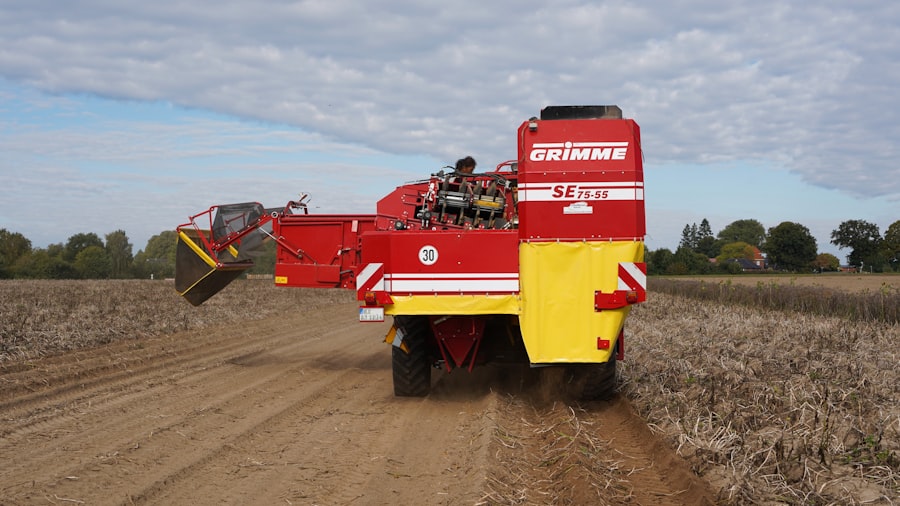
The influence of corporate dominance permeates every stage of the food supply chain, from the initial inputs to the final product on your supermarket shelf. You are a consumer within a system largely orchestrated by a few powerful hands.
Processing and Distribution Dominance: The Middlemen’s Might
Once crops are harvested, they often enter a highly consolidated processing and distribution network. A few powerful companies dominate the processing of commodities like grain, meat, and dairy, effectively acting as gatekeepers between farmers and consumers.
- Price Setting Power: These processing giants often dictate the prices paid to farmers, who have limited bargaining power due to the lack of alternative buyers. You might feel the squeeze of high food prices, while the farmer at the beginning of the chain struggles to make ends meet.
- Standardization and Uniformity: The drive for efficiency and consistency in processing leads to a preference for uniform produce, often at the expense of variety and local adaptations. This can disadvantage smaller farmers who grow diverse crops.
- Logistical Control: Controlling vast logistical networks, from transportation to warehousing, these corporations can efficiently move products across continents, further solidifying their market position.
Retail Concentration: The Supermarket Giants
At the very end of the supply chain, where you make your purchasing decisions, a few large supermarket chains hold significant sway. These retailers dictate terms to suppliers, influencing everything from packaging to production methods.
- Buyer Power and Squeezing Margins: Large retailers leverage their purchasing power to demand lower prices from their suppliers, including farmers and food processors. This can further reduce the profitability for those at the production end of the chain.
- Private Label Brands: The proliferation of private label brands by these retailers gives them even greater control over the products on their shelves, often competing directly with established brands.
- Gatekeepers to the Consumer: Your access to food is largely mediated by these retail giants. Their product selection, pricing strategies, and marketing efforts significantly shape your consumption patterns.
Socio-Economic Impacts: Ripples Across Communities
The concentrated power of corporations in agriculture sends ripples of change through rural communities and societies at large. You witness the transformation of social structures and economic opportunities.
Farmer Marginalization: The Squeezed Middle
The increasing dominance of large corporations often leads to the marginalization of small and medium-sized family farms. They struggle to compete with the economies of scale and negotiating power of their larger counterparts.
- Debt and Dependency: Farmers often incur significant debt to purchase proprietary seeds, fertilizers, and equipment, creating a cycle of dependency on input suppliers and creditors. This can feel like a perpetual uphill battle against forces far larger than yourself.
- Loss of Autonomy: The need to conform to specific production standards and contracts dictated by corporate buyers can erode farmer autonomy and decision-making power.
- Rural Exodus: The economic pressures faced by small farmers can lead to a decline in rural populations as people seek opportunities elsewhere, contributing to urbanization and the loss of traditional farming knowledge.
Labor Exploitation: Human Costs of Efficiency
The pursuit of efficiency and cost reduction in large-scale agriculture can sometimes come at the expense of labor rights and fair wages.
- Migrant Laborers: Many industrial farms rely on migrant and seasonal laborers, who often face precarious working conditions, low wages, and limited protections. You might consider the hidden hands that picked your produce.
- Mechanization and Job Displacement: The increasing mechanization of agricultural processes, while boosting efficiency, can lead to job displacement in rural areas, further exacerbating socio-economic challenges.
- Health and Safety Concerns: Workers in agricultural settings are often exposed to hazardous chemicals and physically demanding tasks, raising concerns about their health and safety.
In recent discussions about the impact of corporate control over agricultural resources, it is essential to consider the broader implications for food security and sustainability. A related article that delves into these issues can be found at How Wealth Grows, which explores how the concentration of power among a few corporations affects farmers and consumers alike. This analysis highlights the need for more equitable systems that prioritize local communities and sustainable practices in agriculture.
Looking Ahead: Addressing the Imbalance
| Metric | Description | Value | Unit | Source/Year |
|---|---|---|---|---|
| Percentage of Agricultural Land Owned by Corporations | Share of total agricultural land controlled by corporate entities | 30 | % | FAO, 2022 |
| Market Share of Top 5 Agribusiness Corporations | Combined market share in global seed and agrochemical markets | 60 | % | IFPRI, 2023 |
| Corporate Control of Global Seed Market | Percentage of global seed sales by top corporations | 70 | % | ISF, 2023 |
| Percentage of Farmland under Contract Farming | Share of farmland operated under contracts with corporations | 25 | % | World Bank, 2021 |
| Investment in Agricultural Technology by Corporations | Annual corporate investment in agri-tech R&D | 4.5 | billion USD | AgFunder, 2023 |
| Percentage of Global Fertilizer Sales by Corporations | Share of fertilizer market controlled by top companies | 65 | % | IFA, 2022 |
The pervasive nature of corporate dominance in agriculture presents complex challenges that require multifaceted solutions. You, as a consumer and a citizen, have a role to play in shaping the future of our food system.
Policy and Regulation: Reining in Power
Addressing corporate dominance necessitates robust policy and regulatory frameworks that promote fair competition, protect farmers, and safeguard environmental resources.
- Antitrust Enforcement: Strengthening antitrust laws and actively enforcing them against anti-competitive mergers and acquisitions can help prevent further consolidation of power.
- Support for Smallholders: Policies that support small and medium-sized farms through subsidies, access to credit, and technical assistance can help them compete with larger entities.
- Environmental Protections: Regulations that limit pesticide use, protect water resources, and promote sustainable farming practices are crucial for long-term food security and ecological health.
Consumer Choices: Voting with Your Fork
Your purchasing decisions, though seemingly small, collectively hold significant power. By making informed choices, you can send signals to the market and support alternative food systems.
- Support Local and Sustainable: Choosing to buy from local farmers’ markets or businesses that prioritize sustainable and ethical production practices can strengthen alternative supply chains.
- Demand Transparency: Advocating for greater transparency in the food supply chain, from ingredient sourcing to labor practices, empowers you to make more informed decisions.
- Educate Yourself: Understanding the complexities of the food system and the impacts of corporate dominance allows you to engage more effectively in discussions about food policy and agricultural reform.
Technological Innovation for Good: Shifting the Paradigm
While technology has often fueled corporate consolidation, it also holds the potential to empower smaller actors and promote more sustainable practices.
- Open-Source Seeds and Data: Developing and promoting open-source seed varieties and agricultural data platforms can break corporate monopolies and empower farmers with greater control over their inputs and information.
- Precision Agriculture for Small Farms: Adapting precision agriculture technologies for smaller-scale operations can help them optimize resource use and reduce input costs, leveling the playing field.
- Distributed Food Systems: Leveraging technology to create more localized and decentralized food systems, such as direct-to-consumer platforms and community-supported agriculture (CSA) models, can empower both producers and consumers.
The story of food is not just about sustenance; it is about power, control, and the future of our planet. As you finish your cereal, consider the journey it took to reach you, and ponder the implications of an agricultural landscape increasingly shaped by a handful of corporate giants. The choices made today, from the boardroom to your breakfast table, will define the global food system of tomorrow.
WATCH THIS! ⚠️💰🌾 Why Wall Street Is Buying Up America’s Farmland (And Why It Should Terrify You)
FAQs
What is corporate control over agricultural resources?
Corporate control over agricultural resources refers to the dominance or significant influence that large corporations have over land, water, seeds, and other inputs essential for agricultural production. This control can affect how resources are allocated, managed, and accessed by farmers and communities.
Why is corporate control over agricultural resources a concern?
It is a concern because it can lead to reduced access to land and resources for smallholder farmers, increased dependency on corporate-owned seeds and chemicals, loss of biodiversity, and potential negative impacts on food sovereignty and local economies.
Which types of corporations are involved in controlling agricultural resources?
Corporations involved include agribusiness companies, seed and agrochemical producers, food processing and distribution firms, and investment firms that acquire farmland or agricultural assets.
How do corporations gain control over agricultural resources?
Corporations gain control through land acquisitions, patenting of seeds and genetic materials, controlling supply chains, investing in agricultural technology, and influencing policies and regulations.
What impact does corporate control have on small-scale farmers?
Corporate control can limit small-scale farmers’ access to land and affordable inputs, reduce their autonomy, increase costs, and sometimes force them to adopt corporate-approved seeds and practices, which may not always be sustainable or culturally appropriate.
Are there any regulations addressing corporate control over agricultural resources?
Regulations vary by country but may include land ownership limits, seed patent laws, antitrust laws, and policies promoting sustainable agriculture and protecting farmers’ rights. International frameworks also address issues related to corporate influence in agriculture.
What are some alternatives to corporate-controlled agricultural systems?
Alternatives include agroecology, community-supported agriculture, seed saving and sharing initiatives, land trusts, cooperative farming, and policies that support smallholder farmers and local food systems.
How does corporate control affect food security?
Corporate control can both positively and negatively affect food security. While it may increase efficiency and production in some cases, it can also reduce diversity, increase vulnerability to market fluctuations, and limit access to affordable food for marginalized populations.
What role do governments play in managing corporate control over agricultural resources?
Governments can regulate corporate activities, enforce land and seed laws, support smallholder farmers, promote sustainable practices, and ensure equitable access to resources to balance corporate influence in agriculture.
Can consumers influence corporate control over agricultural resources?
Yes, consumers can influence corporate control by supporting local and sustainable food producers, advocating for fair policies, participating in food sovereignty movements, and choosing products that promote ethical and equitable agricultural practices.