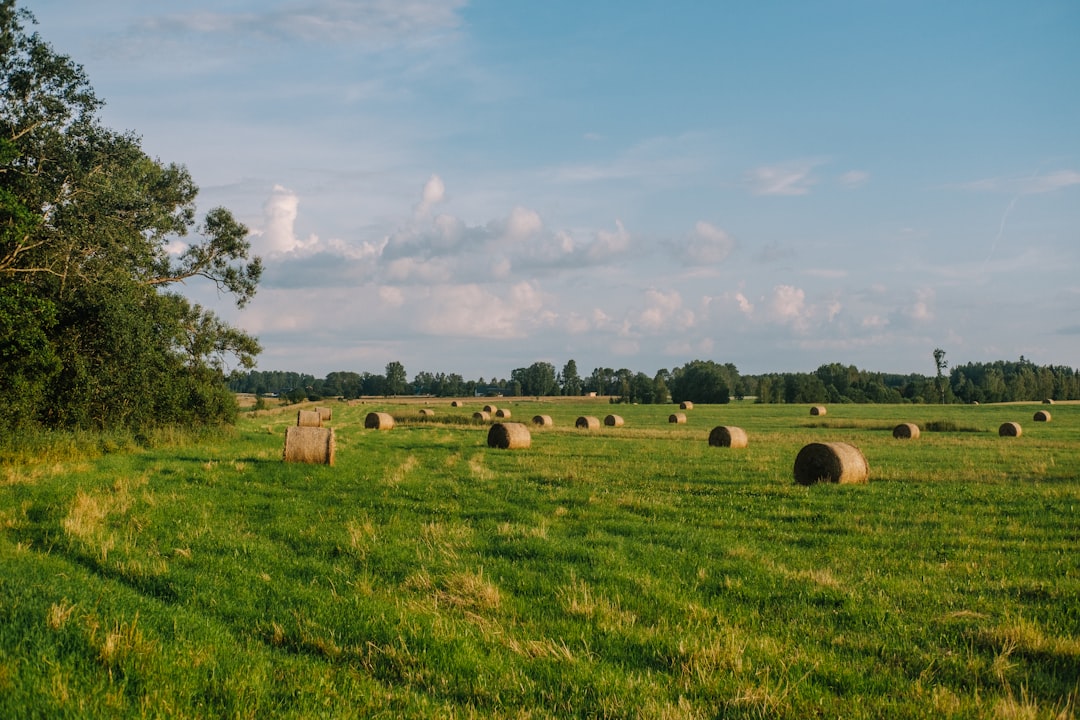
As you evaluate investment opportunities, you may consider diversifying your portfolio across different asset classes. Farmland, gold, and stocks represent three distinct investment options, each with different characteristics, potential returns, and risk profiles that warrant careful consideration. Farmland investment has increased in popularity as global population growth drives demand for agricultural products.
This physical asset provides inflation protection and can generate income through crop production and land appreciation. Gold has traditionally served as a defensive investment during economic downturns, functioning as a store of value that can preserve purchasing power.
Evaluating these three investment options requires assessing how each aligns with your specific financial objectives and your capacity to tolerate market volatility.
Key Takeaways
- Farmland, gold, and stocks each offer unique risk and return profiles, influencing investment decisions.
- Historical data shows varying performance trends, with stocks generally offering higher returns but greater volatility.
- Farmland investment carries benefits like inflation protection and environmental impact considerations but has lower liquidity.
- Gold serves as a hedge against market uncertainty and inflation but does not generate income like stocks or farmland.
- Diversifying across farmland, gold, and stocks can enhance portfolio stability and optimize long-term growth potential.
Historical Performance of Farmland, Gold, and Stocks
When evaluating investment options, historical performance can provide valuable insights into their potential future behavior. Farmland has demonstrated resilience over the decades, often appreciating in value due to its intrinsic worth as a resource for food production. Historically, farmland has outpaced inflation, making it an attractive long-term investment.
You may find that agricultural land values have steadily increased, particularly in regions with strong agricultural output and favorable climate conditions. Gold’s historical performance is equally noteworthy. It has served as a reliable store of value for centuries, often gaining traction during times of economic turmoil.
You might recall instances such as the 2008 financial crisis when gold prices surged as investors sought refuge from market volatility. This trend underscores gold’s role as a hedge against economic instability and currency devaluation. In contrast, stocks have exhibited a more volatile performance history.
While they can offer substantial returns over the long term, stock markets are subject to fluctuations driven by economic cycles, corporate performance, and investor sentiment. Understanding these historical trends can help you make more informed decisions about where to allocate your resources. Investing in farmland investment can provide sustainable returns and long-term growth opportunities.
Risks and Benefits of Investing in Farmland
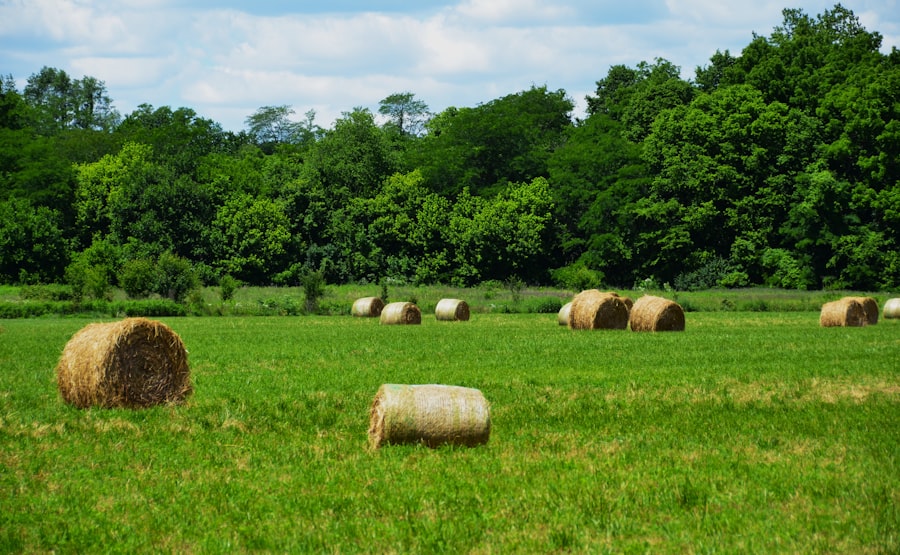
Investing in farmland comes with its own set of risks and benefits that you should carefully consider. One of the primary advantages is the potential for consistent income generation through agricultural production. If you choose to invest in farmland, you may benefit from rental income or profits from crop sales, providing a steady cash flow that can supplement your overall investment strategy.
Additionally, farmland tends to appreciate over time, making it a potentially lucrative long-term investment. However, there are risks associated with farmland investment that you must be aware of. Agricultural markets can be influenced by various factors such as weather conditions, commodity prices, and government policies.
For instance, a drought or flood could significantly impact crop yields and, consequently, your returns. Furthermore, managing farmland requires expertise in agriculture and an understanding of local market dynamics. If you’re not well-versed in these areas, you may face challenges that could affect your investment’s performance.
Risks and Benefits of Investing in Gold
Gold has long been considered a safe-haven asset, offering several benefits that make it an attractive option for many investors. One of the most significant advantages is its ability to preserve wealth during economic downturns. When markets are volatile or inflation rises, gold often retains its value or even appreciates, providing a buffer against financial instability.
As you consider your investment strategy, you may find that allocating a portion of your portfolio to gold can enhance its resilience. Despite its benefits, investing in gold is not without risks. The price of gold can be influenced by various factors such as interest rates, currency fluctuations, and geopolitical events.
For example, if interest rates rise, the opportunity cost of holding gold increases, potentially leading to a decline in its price. Additionally, gold does not generate income like stocks or farmland; its value is primarily derived from market demand and investor sentiment. Therefore, while gold can be a valuable component of your portfolio, it’s essential to weigh its risks against its benefits carefully.
Risks and Benefits of Investing in Stocks
| Investment Type | Average Annual Return (%) | Volatility (Standard Deviation %) | Liquidity | Inflation Hedge | Correlation with Stocks | Typical Investment Horizon |
|---|---|---|---|---|---|---|
| Farmland | 8 – 12 | 5 – 10 | Low | Strong | Low to Negative | 10+ years |
| Gold | 4 – 6 | 15 – 20 | High | Strong | Low to Negative | Variable |
| Stocks | 7 – 10 | 15 – 20 | High | Moderate | High | 5+ years |
Stocks represent ownership in companies and offer the potential for significant returns over time. One of the primary benefits of investing in stocks is the opportunity for capital appreciation as companies grow and generate profits. If you invest wisely in well-performing companies or sectors, you could see substantial gains that outpace inflation and contribute to your long-term wealth accumulation.
However, investing in stocks also comes with inherent risks that you must consider. The stock market is known for its volatility; prices can fluctuate dramatically based on economic conditions, company performance, and investor sentiment. This volatility can lead to short-term losses that may be unsettling if you’re not prepared for them.
Additionally, individual stocks carry specific risks related to the companies themselves—factors such as management decisions or competitive pressures can impact their performance significantly. As you explore stock investments, it’s crucial to conduct thorough research and consider diversifying your holdings to mitigate these risks.
Liquidity of Farmland, Gold, and Stocks
Liquidity refers to how easily an asset can be converted into cash without significantly affecting its price. When comparing farmland, gold, and stocks, you’ll find notable differences in liquidity that can influence your investment decisions. Stocks are generally considered the most liquid asset among the three; they can be bought or sold quickly on exchanges during trading hours.
This ease of transaction allows you to access your funds relatively quickly if needed. Gold also offers a reasonable level of liquidity; it can be sold through various channels such as dealers or online platforms. However, selling physical gold may involve additional steps compared to stocks, such as finding a buyer or dealing with appraisal processes.
In contrast, farmland is typically the least liquid option among these investments. Selling agricultural land can take time due to factors like market conditions and buyer interest. If you require immediate access to cash, farmland may not be the best choice for your portfolio.
Tax Implications of Investing in Farmland, Gold, and Stocks
Understanding the tax implications of your investments is essential for maximizing your returns and minimizing liabilities. Each asset class—farmland, gold, and stocks—has distinct tax considerations that you should be aware of as you plan your investment strategy. For instance, when it comes to farmland investment, income generated from agricultural production may be subject to ordinary income tax rates.
Additionally, if you sell farmland for a profit, you could face capital gains taxes based on how long you’ve held the property. Gold investments also come with specific tax implications. If you sell gold at a profit after holding it for more than one year, you’ll typically be subject to long-term capital gains tax rates.
However, if you sell it within a year of purchase, short-term capital gains tax rates apply—these are usually higher than long-term rates. Stocks have their own tax considerations as well; dividends received from stock investments are generally taxed as ordinary income while capital gains from selling stocks are taxed based on how long you’ve held them.
Environmental and Social Impact of Farmland Investment
Investing in farmland carries significant environmental and social implications that extend beyond mere financial returns. As you consider this investment avenue, it’s essential to recognize the role agriculture plays in food production and land stewardship. Sustainable farming practices can contribute positively to local ecosystems by promoting biodiversity and reducing carbon footprints.
By investing in farmland that prioritizes sustainable practices, you can align your financial goals with environmental responsibility. On the social front, farmland investment can have profound effects on local communities. Supporting local farmers through land leases or partnerships can foster economic development and food security in those areas.
However, it’s crucial to approach farmland investment with an awareness of potential negative impacts as well—such as displacement of local communities or unsustainable farming practices that could harm the environment. By being mindful of these factors, you can make more responsible investment choices that benefit both your portfolio and society at large.
Diversification and Portfolio Allocation with Farmland, Gold, and Stocks
Diversification is a fundamental principle of investing that aims to reduce risk by spreading investments across various asset classes. As you contemplate how to allocate your resources among farmland, gold, and stocks, consider how each asset class interacts with one another within your portfolio. Farmland can provide stability during economic downturns while gold serves as a hedge against inflation; together they can complement stock investments that may experience volatility.
When constructing a diversified portfolio, it’s essential to assess your risk tolerance and investment horizon carefully. If you’re more risk-averse or seeking stability during uncertain times, allocating a larger portion of your portfolio to farmland and gold may be prudent. Conversely, if you’re willing to embrace higher risk for potentially greater returns over time, increasing your stock allocation could be beneficial.
Ultimately, finding the right balance among these asset classes will depend on your individual financial goals and circumstances.
Long-Term Outlook for Farmland, Gold, and Stocks
As you look toward the future of investing in farmland, gold, and stocks, it’s essential to consider the long-term outlook for each asset class based on current trends and economic indicators. The demand for food is expected to rise significantly due to population growth and changing dietary preferences; this trend bodes well for farmland investments as they become increasingly valuable over time. Gold’s long-term outlook remains strong as well; its historical role as a safe haven during economic uncertainty suggests it will continue to attract investors seeking stability amid market fluctuations.
Meanwhile, stocks have historically provided robust returns over extended periods despite short-term volatility; advancements in technology and innovation could further drive growth in various sectors.
Making Informed Investment Decisions
In conclusion, navigating the world of investments requires careful consideration of various asset classes such as farmland, gold, and stocks. Each option presents unique risks and benefits that can significantly impact your financial future. By understanding their historical performance, liquidity characteristics, tax implications, environmental impacts, and long-term outlooks, you can make informed decisions that align with your financial goals.
As you embark on this investment journey, remember that diversification is key to managing risk effectively while maximizing potential returns across different asset classes. Whether you choose to invest in farmland for its stability and income potential or allocate resources toward gold or stocks for growth opportunities will depend on your individual circumstances and preferences. Ultimately, staying informed about market trends and continuously reassessing your portfolio will empower you to make sound investment choices that contribute positively to your financial well-being.
When considering investment options, many investors often weigh the benefits of farmland against traditional assets like gold and stocks. A related article that delves into the nuances of these investment types can be found at this link. It provides insights into how farmland can serve as a hedge against inflation and market volatility, making it an attractive alternative for diversifying one’s portfolio.
WATCH THIS! The Gold Rush is Over. Now, the Dirt Rush is ON. 🚜💰
FAQs
What are the main differences between investing in farmland, gold, and stocks?
Farmland investment involves purchasing agricultural land to generate income through farming or land appreciation. Gold is a physical commodity often used as a hedge against inflation and currency fluctuations. Stocks represent ownership in companies and provide returns through dividends and capital gains. Each asset class has different risk profiles, liquidity, and return potentials.
How does the risk level compare between farmland, gold, and stocks?
Stocks generally carry higher volatility and market risk but offer potentially higher returns. Gold is considered a safe-haven asset with lower volatility but limited income generation. Farmland tends to have moderate risk, influenced by factors like weather, commodity prices, and land value appreciation, and can provide steady income through leasing or farming.
Which investment is more liquid: farmland, gold, or stocks?
Stocks are the most liquid, as they can be bought and sold quickly on stock exchanges. Gold is moderately liquid, especially in forms like coins or bars, but selling physical gold may take time. Farmland is the least liquid due to the time and costs involved in buying or selling property.
Can farmland provide income like stocks and gold?
Yes, farmland can generate income through leasing to farmers or direct agricultural production. Stocks may provide dividends, while gold typically does not generate income but may appreciate in value.
How does inflation impact farmland, gold, and stocks?
Gold is traditionally seen as an inflation hedge, often maintaining value during inflationary periods. Farmland can also act as an inflation hedge since crop prices and land values may rise with inflation. Stocks may be affected variably; some companies can pass costs to consumers, while others may suffer from inflationary pressures.
Is farmland investment suitable for all investors?
Farmland investment may require significant capital, longer investment horizons, and knowledge of agriculture or land management. It may not be suitable for investors seeking quick liquidity or those unfamiliar with the sector. Diversification and professional advice are recommended.
What are the tax implications of investing in farmland compared to gold and stocks?
Tax treatment varies by jurisdiction but generally, farmland investments may benefit from favorable capital gains rates, depreciation, and income from leasing. Stocks are subject to capital gains tax and dividend taxes. Gold investments may incur capital gains tax upon sale. Consulting a tax professional is advisable.
How do market conditions affect farmland, gold, and stock investments?
Stocks are sensitive to economic cycles, corporate performance, and market sentiment. Gold prices often rise during economic uncertainty or currency devaluation. Farmland values depend on agricultural commodity prices, weather conditions, and land demand. Each asset responds differently to market changes.
Can investing in farmland diversify an investment portfolio?
Yes, farmland often has low correlation with stocks and gold, providing diversification benefits. It can reduce overall portfolio volatility and improve risk-adjusted returns.
What are the barriers to entry for investing in farmland compared to gold and stocks?
Investing in farmland typically requires higher capital, due diligence, and management expertise. Gold can be purchased in small quantities easily, and stocks can be bought with relatively low amounts through brokerage accounts. Farmland investment may also involve legal and regulatory considerations.