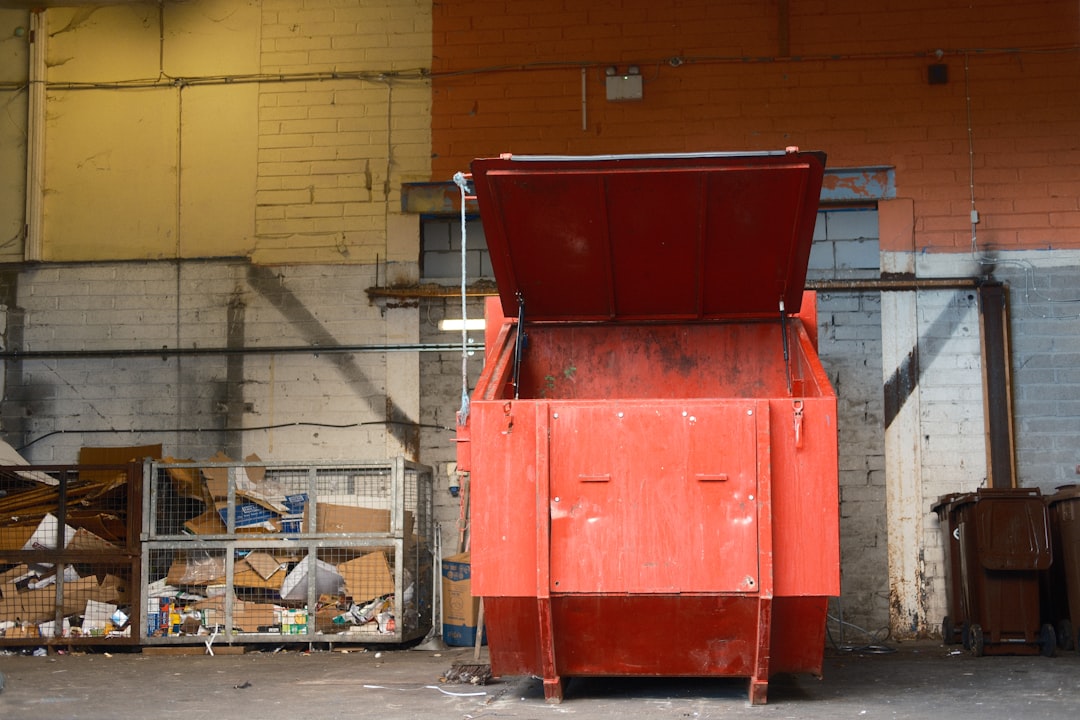
You’ve likely seen them – those hulking metal beasts parked behind restaurants, office buildings, or bordering apartment complexes. These commercial dumpsters, the unsung heroes of waste management, play a crucial role in keeping your community clean and your business operations running smoothly. However, what happens when these vital receptacles become a breeding ground for unwelcome guests – the contaminants? This isn’t just an aesthetic problem; it’s a hazard with significant penalties and consequences that can ripple through your business like a stone thrown into still water. Understanding and preventing commercial dumpster contamination is not an optional courtesy; it’s a cornerstone of responsible business practice.
You might think of contamination as something solely to do with food processing or medical supplies, but in the context of commercial dumpsters, the definition broadens considerably. It refers to the introduction of inappropriate or hazardous materials into a dumpster that is designated for general or specific types of waste. These invaders can be subtle, like liquids
FAQs
What is commercial dumpster contamination?
Commercial dumpster contamination occurs when non-recyclable or hazardous materials are improperly disposed of in dumpsters designated for specific types of waste, such as recyclables or organic waste.
Why are there penalties for commercial dumpster contamination?
Penalties are imposed to encourage proper waste sorting, reduce environmental harm, and ensure compliance with local waste management regulations. Contamination can increase processing costs and reduce the effectiveness of recycling programs.
What types of materials commonly cause contamination in commercial dumpsters?
Common contaminants include food waste in recycling bins, hazardous materials like batteries or chemicals in general waste dumpsters, and non-recyclable plastics or metals in recycling containers.
How are commercial dumpster contamination penalties enforced?
Penalties are typically enforced through inspections by waste management authorities or private waste haulers. Violations can result in fines, additional fees, or suspension of waste collection services.
How can businesses avoid commercial dumpster contamination penalties?
Businesses can avoid penalties by educating employees on proper waste sorting, clearly labeling dumpsters, providing separate containers for different waste types, and regularly monitoring waste disposal practices.