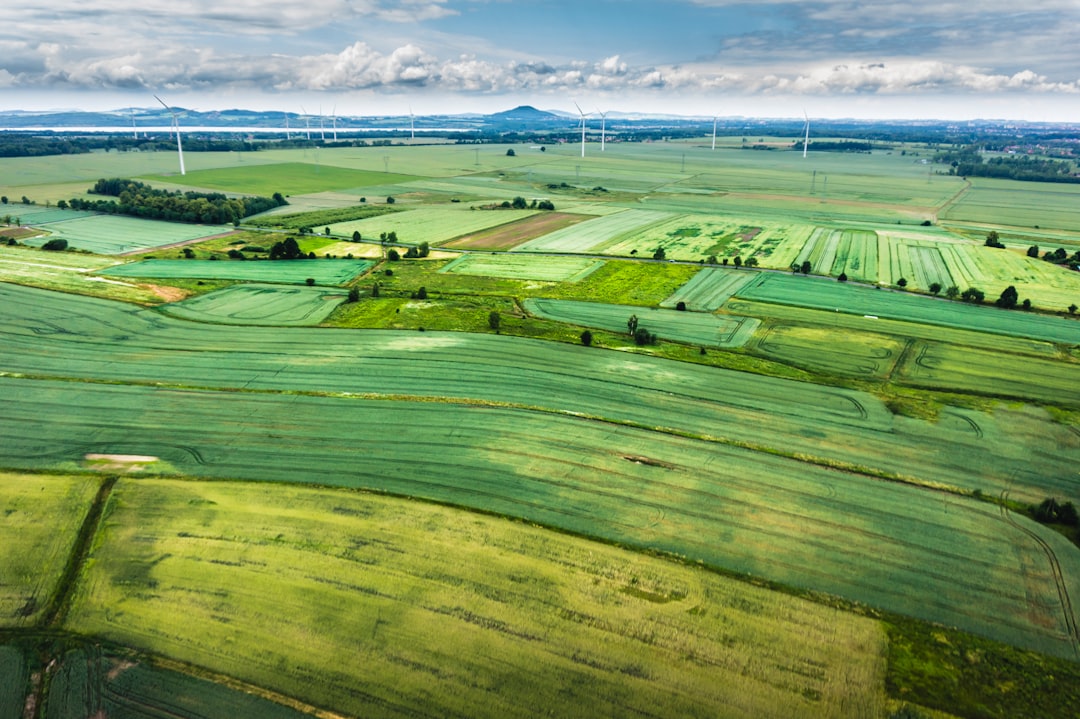
You stand at the precipice of a dream, gazing out over verdant fields, imagining a life rooted in the soil. The allure of owning farmland, whether for a small hobby farm, a burgeoning agricultural enterprise, or simply a tangible asset, is undeniable. However, beneath the romanticized facade, you’ll discover a landscape carved with significant challenges, especially for the average person. This isn’t a gentle stroll through a sunflower field; it’s a climb up a jagged, financial mountain often shrouded in bureaucratic fog.
For most, the most immediate and imposing obstacle is the sheer financial outlay required. Farmland is not just another piece of real estate; it’s a productive asset, and its value reflects that potential, often commanding prices far exceeding conventional residential or commercial properties. Learn more about the financialization of American agriculture and its impact on the economy.
Skyrocketing Land Values
You might be surprised to learn that farmland values have been on a relentless upward trajectory for decades in many regions. This isn’t a localized phenomenon; global demand for food, geopolitical instability affecting supply chains, and large-scale institutional investments have all played a part.
- Institutional Investors and Speculation: Imagine trying to buy a house in a neighborhood where hedge funds are buying up entire blocks. This is a similar scenario for farmland. Large investment firms and even sovereign wealth funds are increasingly viewing agricultural land as a stable, appreciating asset, driving up prices beyond what a typical individual buyer can afford. They see it as a “safe haven” investment, a bulwark against inflation, and an essential commodity for a growing global population. You are competing with entities whose financial muscle is orders of magnitude greater than yours.
- Proximity to Urban Centers: If you dream of working the land while still being within a reasonable commute to off-farm employment or essential services, you’ll quickly discover that land prices escalate dramatically closer to urban areas. The convenience you seek comes with a premium that can quickly become prohibitive. The dream of a rural idyll with city amenities becomes a very expensive reality.
The Difficulty of Securing Financing
Even if you manage to find a parcel seemingly within your budget, the process of financing farmland is distinct and often more arduous than securing a conventional mortgage.
- Specialized Lenders and Higher Requirements: You won’t typically walk into your local bank branch and get a standard home loan for a 100-acre farm. Agricultural financing often requires specialized lenders who understand the unique risks and valuation methods associated with farmland. They will scrutinize your business plan, your agricultural experience, and your collateral with a fine-tooth comb. Expect more rigorous credit requirements and a need for substantial down payments, often significantly higher than what you’d put down on a home.
- Risk Assessment and Income Volatility: Lenders are acutely aware of the inherent risks in agriculture. Crop failures due to weather, fluctuating commodity prices, pest infestations, and disease outbreaks can all severely impact a farm’s profitability. This perceived income volatility translates into increased caution from lenders, who may demand greater financial security or charge higher interest rates to offset their risk. You are not just buying land; you are buying into the inherent unpredictability of nature and markets.
The challenges faced by the average person in purchasing farmland are multifaceted, as highlighted in a related article on the topic. Rising land prices, competition from large agricultural corporations, and the increasing demand for agricultural production all contribute to the barriers that make farmland acquisition difficult for individuals. For more insights on this issue, you can read the article at How Wealth Grows.
Navigating the Labyrinth of Regulations and Bureaucracy
Once the financial hurdles are cleared, you’ll find yourself stepping into a dense forest of regulations, permits, and zoning laws. This isn’t just paperwork; it dictates what you can do with your land, how you can operate, and often, how much time and money you will spend complying.
Zoning and Land Use Restrictions
You might envision a particular type of farming operation, but the local zoning regulations may have a very different idea.
- Agricultural Exclusions and Inclusions: While seemingly counterintuitive, not all parcels zoned “agricultural” allow for every type of agricultural activity. There might be restrictions on livestock numbers, types of crops, or even the placement of structures. You must diligently research these before purchase, as discovering these limitations after closing can derail your entire plan. An analogy here is wanting to sail a specific type of boat, only to find the local harbor only allows kayaks.
- Conservation Easements and Development Rights: Many agricultural areas have programs designed to protect farmland from development. While noble in their intent, these can sometimes limit your future options. A conservation easement, for instance, might prevent you from ever subdividing the land or building additional residences, even if your long-term plans change. You are not just buying the land; you are often inheriting a legacy of restrictions designed to preserve its character, which may or may not align with your personal vision.
Environmental Regulations and Compliance
Farming, by its very nature, interacts profoundly with the environment. You will be subject to a host of environmental regulations designed to protect water, soil, and air quality.
- Water Rights and Usage: In many regions, particularly arid ones, water is a highly contentious issue. You might own the land, but you might not own the rights to the water beneath or running through it. Securing adequate water rights for irrigation or livestock can be a complex, expensive, and sometimes impossible endeavor, involving permits, negotiations, and even legal battles. Without water, your fertile dream can quickly become a parched reality.
- Pesticide and Fertilizer Application: The responsible use of agricultural chemicals is heavily regulated. You will need to understand and comply with strict rules regarding storage, application methods, safety equipment, and record-keeping. Failure to comply can result in hefty fines and environmental damage. This isn’t just about growing crops; it’s about growing them responsibly within a stringent legal framework.
- Waste Management and Runoff: Managing agricultural waste, whether it’s manure from livestock or crop residue, is another heavily regulated area. Preventing nutrient runoff into waterways, proper composting, and responsible disposal are all critical responsibilities you will inherit.
The Knowledge Gap: Lack of Agricultural Experience
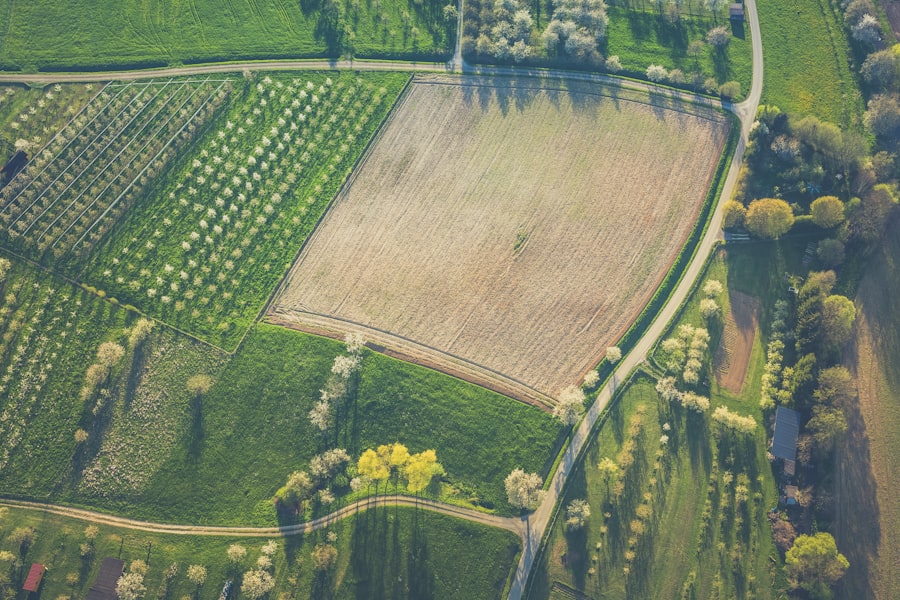
For the average person without a background in farming, the learning curve is not merely steep; it’s practically vertical. You are not just buying a property; you are acquiring a profession that demands a vast breadth of knowledge.
Understanding Soil Science and Agronomy
Beneath your feet lies a complex ecosystem that dictates the success or failure of your venture. Without a fundamental understanding, you are sailing without a rudder.
- Soil Composition and Fertility: You need to understand soil types, pH levels, nutrient deficiencies, and the best methods for maintaining and improving soil health. This isn’t intuitive knowledge; it’s a science. Neglecting your soil is akin to building a house on sand – it will eventually crumble.
- Crop Rotation and Pest Management: Effective farming involves sophisticated strategies for rotating crops to maintain soil fertility and break pest cycles. You need to identify common pests and diseases, understand integrated pest management (IPM) techniques, and know when and how to intervene. This requires observation, foresight, and a deep understanding of botanical interactions.
Livestock Management and Animal Husbandry
If your dream includes animals, a whole new layer of complexity emerges.
- Animal Health and Welfare: You become responsible for the health and well-being of living creatures. This includes understanding their nutritional needs, common ailments, vaccination schedules, and appropriate housing. Missteps here can lead to significant financial losses and ethical concerns.
- Breeding and Reproduction: If you plan to breed animals, you need to understand genetics, reproductive cycles, and birthing processes. This is often a delicate and demanding aspect of animal husbandry that requires specialized knowledge and experience.
The Infrastructural and Labor Demands
Farmland is rarely turn-key. Even if it initially appears well-equipped, maintaining and upgrading infrastructure, along with finding reliable labor, presents further ongoing challenges.
Aging Infrastructure and Modernization Costs
Many available parcels of farmland, particularly those more affordably priced, come with outdated or dilapidated infrastructure.
- Barns, Fencing, and Outbuildings: You might inherit old barns that require extensive repairs or even demolition and rebuilding due to safety concerns. Fencing often needs replacement to be livestock-proof. Wells might be shallow or contaminated, requiring drilling new ones. These are not minor expenses; they are capital-intensive projects that can quickly drain your initial budget. The weathered beauty of an old barn hides a significant renovation bill.
- Irrigation Systems: Old irrigation systems might be inefficient, require significant repairs, or be entirely non-existent, necessitating the installation of new, costly infrastructure. The cost of pumps, pipes, and specialized equipment can be staggering.
Access to Labor and Equipment
Finding skilled agricultural labor can be a significant hurdle, especially in remote areas.
- Skilled Labor Shortages: Modern agriculture often requires specific skills, from operating complex machinery to understanding crop diagnostics. Finding individuals with these skills who are willing to work in rural areas can be challenging. You might find yourself competing with larger operations for the same limited talent pool.
- Machinery and Maintenance: Farming demands a robust fleet of machinery—tractors, cultivators, planters, harvesters, and more. Purchasing new equipment is astronomically expensive, while used equipment often comes with its own maintenance headaches and the need for specialized repair knowledge. You are not just buying a piece of land; you are buying into an entire ecosystem of heavy machinery and its associated costs and complexities.
The increasing difficulty for the average person to purchase farmland can be attributed to various economic factors, including rising land prices and competition from large agricultural corporations. Many individuals find themselves priced out of the market, making it nearly impossible to invest in agricultural land. For a deeper understanding of this issue, you can read a related article that explores the complexities of farmland ownership and the challenges faced by aspiring farmers. Check it out here to gain more insights into why farmland is becoming less accessible to the average buyer.
Market Volatility and Sales Channels
| Factor | Description | Impact on Average Person |
|---|---|---|
| High Land Prices | Farmland prices have increased significantly over the past decades due to demand and limited supply. | Many individuals cannot afford the upfront cost to purchase farmland. |
| Large Minimum Acreage | Many farmland parcels are sold in large acreages, making the total cost very high. | Average buyers may not have the capital to buy large tracts of land. |
| Financing Challenges | Obtaining loans for farmland can be difficult due to strict lending criteria and high down payments. | Limits access to credit for average buyers without substantial assets. |
| Competition from Investors | Institutional investors and corporations often buy farmland as an investment. | Drives prices up and reduces availability for individual buyers. |
| Regulatory Restrictions | Zoning laws and land use regulations can restrict farmland purchases and usage. | Complicates the buying process and limits options for average buyers. |
| Maintenance and Operational Costs | Owning farmland requires ongoing expenses such as taxes, equipment, and labor. | Increases the financial burden beyond just the purchase price. |
| Lack of Agricultural Knowledge | Successful farming requires expertise and experience. | Discourages average buyers unfamiliar with farming practices. |
You might be the most skilled farmer, but if you can’t sell your produce at a profitable price, your efforts will be in vain. The market for agricultural products is notoriously volatile and often difficult for small-scale entrants to penetrate.
Fluctuating Commodity Prices
Agricultural markets are a wild roller coaster, often beyond your direct control.
- Global Supply and Demand: The price you receive for your crops or livestock is heavily influenced by global supply and demand dynamics, weather patterns continents away, and geopolitical events. A bumper crop in another country can drastically depress prices for your produce locally. You are a small boat on a vast ocean, and the currents are unpredictable.
- Middlemen and Processor Dependency: For many conventional crops, you will likely be selling to large processors or distributors. These entities often have significant bargaining power, dictating prices and terms that can squeeze a small producer’s margins. Breaking into direct-to-consumer sales can mitigate this, but it requires significant marketing and logistical effort.
Building Sales Channels and Marketing
Unlike selling a finished widget, agricultural products often require perishable handling and specific market penetration strategies.
- Direct-to-Consumer Challenges: Selling directly to consumers through farmers’ markets, CSAs (Community Supported Agriculture), or online platforms requires a whole different skill set: marketing, customer service, packaging, and logistics. It’s a time-consuming endeavor that detracts from time in the fields. It means you are not just a farmer; you are also a salesperson and a logician.
- Wholesale Market Access: Gaining access to reliable wholesale markets, such as restaurants or grocery stores, often requires consistent supply, specific certifications (e.g., organic), and a proven track record. This can be a chicken-and-egg problem for a new operation: you need to sell to buy experience, but you need experience to sell.
Ultimately, your dream of buying farmland is valid and deeply rooted in a desire for connection to the land and self-sufficiency. However, you must approach this endeavor with eyes wide open, recognizing that it is an undertaking that demands immense capital, diligent research, continuous learning, and an unwavering resilience in the face of unpredictable challenges. It is a journey for the determined and the prepared, not for the faint of heart.
WATCH THIS! ⚠️💰🌾 Why Wall Street Is Buying Up America’s Farmland (And Why It Should Terrify You)
FAQs
Why is farmland often expensive for the average person?
Farmland prices are typically high due to limited availability, increasing demand from investors and commercial agriculture, and the costs associated with maintaining and improving the land. Additionally, farmland is considered a valuable long-term investment, which drives prices upward.
Are there legal restrictions that prevent average people from buying farmland?
In some regions, there are zoning laws, land use regulations, or restrictions on foreign ownership that can limit who can purchase farmland. These laws vary by country and locality and may affect the ability of average individuals to buy farmland.
Does the cost of farming equipment and maintenance affect the ability to buy farmland?
Yes, owning farmland often requires significant investment in equipment, infrastructure, and ongoing maintenance. These additional costs can make purchasing and managing farmland financially challenging for the average person.
Is financing farmland purchase difficult for the average buyer?
Obtaining loans for farmland can be more challenging than for residential properties due to higher risks, longer loan terms, and stricter lending criteria. This can limit the ability of average buyers to secure financing for farmland.
How does farmland ownership differ from other types of real estate?
Farmland ownership involves unique considerations such as soil quality, water rights, agricultural regulations, and potential income from crops or livestock. These factors make farmland a specialized type of real estate that may require specific knowledge and resources to manage effectively.
Can average people invest in farmland without buying it outright?
Yes, there are alternative ways to invest in farmland, such as through farmland investment trusts, agricultural real estate funds, or partnerships. These options allow individuals to gain exposure to farmland without the need to purchase and manage the land directly.
Does urbanization impact the availability of farmland for purchase?
Urbanization often reduces the amount of available farmland as land is converted for residential, commercial, or industrial use. This reduction in supply can increase farmland prices and limit opportunities for average buyers.
Are there government programs to help average people buy farmland?
Some governments offer programs, grants, or subsidies aimed at supporting new farmers or preserving agricultural land. These programs vary widely and may provide financial assistance, training, or favorable loan terms to help individuals purchase farmland.