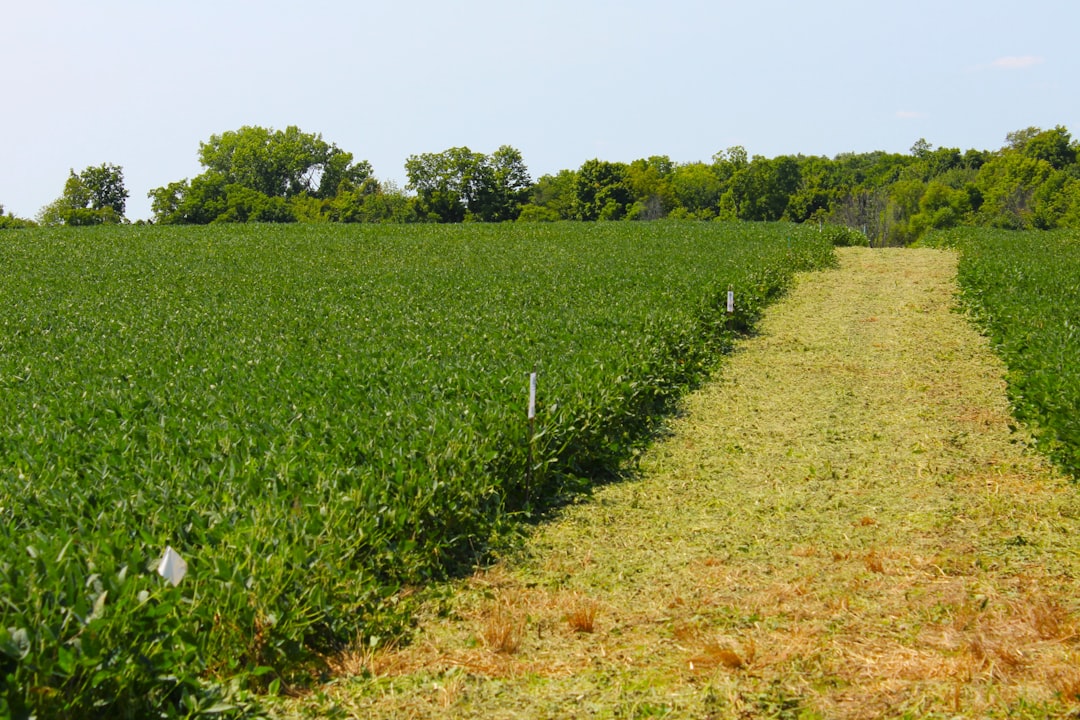
When considering a farmland investment, it is important to understand the associated risks. Farmland can generate substantial returns, but investors face several significant challenges. Market volatility represents a primary concern.
Agricultural commodity prices fluctuate based on weather patterns, international demand, and policy changes. These price movements directly affect farmland profitability, requiring investors to monitor market conditions and agricultural economic indicators regularly. Operational risks also require careful consideration.
Farmland demands active management, including decisions about crop types, irrigation, fertilization, and pest management. Investors without agricultural experience may struggle to make decisions that optimize returns. Additionally, natural disasters such as droughts, floods, and pest infestations can destroy crops and cause substantial financial losses.
A comprehensive understanding of these operational and environmental risks is necessary for making sound farmland investment decisions.
Key Takeaways
- Farmland investment carries risks including market volatility, climate change, and regulatory challenges.
- Long-term viability and income potential are crucial factors when considering farmland for retirement planning.
- Tax implications and legal considerations must be thoroughly evaluated to optimize returns and compliance.
- Effective maintenance and management are essential to preserve farmland value and generate steady income.
- Diversification benefits and professional advice can enhance the success of farmland investments in retirement portfolios.
Evaluating the Long-Term Viability of Farmland for Retirement
As you contemplate farmland as a retirement investment, evaluating its long-term viability is essential. Farmland has historically been viewed as a stable investment due to its intrinsic value and the growing global population’s demand for food. This demand is expected to increase over the coming decades, which could enhance the long-term prospects of farmland investments.
You should consider how agricultural trends, such as organic farming and sustainable practices, may influence the future value of your investment. Moreover, it’s important to assess the location of the farmland you are considering. Some regions are more conducive to agricultural production than others, and factors such as soil quality, climate, and access to water resources can significantly impact the land’s productivity.
By conducting thorough research on these aspects, you can better determine whether the farmland you are interested in will provide a reliable source of income during your retirement years. Investing in farmland investment can provide sustainable returns and long-term growth opportunities.
Considering the Impact of Climate Change on Farmland Investment

Climate change is an increasingly pressing issue that can have profound implications for farmland investment. As you evaluate potential farmland opportunities, it’s crucial to consider how changing weather patterns may affect agricultural productivity. For instance, rising temperatures and altered precipitation patterns can lead to droughts or flooding, both of which can severely impact crop yields.
Understanding these risks will help you make more informed decisions about where and how to invest in farmland. Additionally, you should explore how climate change may influence agricultural practices and technologies. Farmers are increasingly adopting innovative methods to adapt to changing conditions, such as precision agriculture and drought-resistant crops.
By staying informed about these advancements, you can identify farmland investments that are better positioned to withstand the challenges posed by climate change. This proactive approach will not only safeguard your investment but also align it with sustainable practices that are becoming increasingly important in today’s agricultural landscape.
Exploring the Tax Implications of Farmland Investment for Retirement
Investing in farmland can have various tax implications that you should carefully consider as part of your retirement planning. One significant advantage of farmland investment is the potential for tax deductions related to operating expenses, property taxes, and depreciation. These deductions can help reduce your overall tax burden and enhance your cash flow from the investment.
However, it’s essential to understand the specific tax laws in your jurisdiction, as they can vary widely. Moreover, when it comes time to sell your farmland or pass it on to heirs, capital gains taxes may come into play. The appreciation of farmland over time can lead to substantial profits upon sale, but these profits may be subject to taxation.
You should also consider estate planning strategies that can minimize tax liabilities for your heirs. Consulting with a tax professional who specializes in agricultural investments can provide valuable insights into how to optimize your tax situation while ensuring that your retirement goals are met.
Assessing the Potential for Income Generation from Farmland Investment
| Metric | Description | Warning Indicator | Recommended Action |
|---|---|---|---|
| Land Price Volatility | Fluctuations in farmland market prices over time | High volatility (>15% annual change) | Diversify investments; avoid overexposure to farmland |
| Liquidity | Ease of converting farmland to cash | Low liquidity (takes >6 months to sell) | Maintain a portion of portfolio in liquid assets |
| Operational Costs | Annual expenses for maintaining farmland | Rising costs exceeding inflation rate | Review management practices; consider cost-sharing |
| Crop Yield Variability | Year-to-year changes in agricultural output | High variability (>20% fluctuation) | Invest in crop insurance; diversify crop types |
| Regulatory Risk | Changes in laws affecting farmland use or ownership | Frequent or unpredictable regulatory changes | Stay informed; consult legal experts regularly |
| Return on Investment (ROI) | Annual percentage gain from farmland investment | Consistently below inflation rate | Reassess investment strategy; consider alternative assets |
| Environmental Risks | Exposure to droughts, floods, or soil degradation | High risk areas without mitigation plans | Implement sustainable practices; consider insurance |
One of the primary motivations for investing in farmland is its potential for income generation. As you evaluate different farmland opportunities, consider how various crops or livestock operations can provide a steady stream of revenue. Leasing farmland to farmers is another option that allows you to generate income without directly managing agricultural operations.
This passive income approach can be particularly appealing if you prefer a hands-off investment strategy during retirement. Additionally, you should explore alternative income-generating opportunities associated with farmland investment. For instance, agritourism has gained popularity in recent years, allowing landowners to diversify their income streams by offering farm tours, events, or even farm-to-table dining experiences.
By thinking creatively about how to leverage your farmland for income generation, you can enhance its financial viability and create a more robust retirement plan.
Examining the Maintenance and Management Requirements of Farmland

Investing in farmland comes with specific maintenance and management responsibilities that you must be prepared for. Unlike traditional investments such as stocks or bonds, farmland requires ongoing attention to ensure its productivity and profitability. This includes regular tasks such as soil testing, crop rotation planning, and pest management.
If you lack experience in these areas, you may need to hire professionals or consultants to assist with the management of your farmland. Furthermore, understanding the seasonal nature of farming is crucial for effective management. Different crops have specific planting and harvesting times, which means you must be aware of these cycles to maximize yields.
By being proactive about these management requirements, you can safeguard your investment and enhance its long-term viability.
Investigating the Potential for Appreciation of Farmland Assets
Farmland has historically been viewed as a stable asset with strong appreciation potential over time. As you consider investing in this sector, it’s important to analyze historical trends in land values and understand the factors that contribute to appreciation. Population growth and urbanization often drive demand for agricultural land, leading to increased values over time.
By investing in areas with strong growth potential or proximity to urban centers, you may position yourself for significant appreciation. However, it’s essential to recognize that not all farmland will appreciate equally. Factors such as soil quality, location, and access to resources play a critical role in determining land value.
Conducting thorough research on these aspects will help you identify properties with the best potential for appreciation. Additionally, staying informed about local real estate trends and economic developments will enable you to make strategic decisions that align with your long-term investment goals.
Understanding the Legal and Regulatory Considerations of Farmland Investment
Navigating the legal and regulatory landscape surrounding farmland investment is crucial for protecting your interests as an investor. Zoning laws, land use regulations, and environmental protections can all impact how you manage your farmland and what activities are permissible on the property. Familiarizing yourself with these regulations will help you avoid potential legal pitfalls that could jeopardize your investment.
Moreover, understanding property rights and water rights is essential when investing in farmland. In some regions, water access is a critical factor for agricultural success, and disputes over water rights can arise between landowners or between agricultural and urban interests. Consulting with legal professionals who specialize in agricultural law can provide valuable insights into these complexities and help ensure that your investment complies with all relevant regulations.
Considering the Impact of Market Volatility on Farmland Investment
Market volatility is an inherent risk associated with any investment, including farmland. As you evaluate potential farmland opportunities, it’s important to consider how fluctuations in commodity prices can impact your returns. For instance, if crop prices drop significantly due to oversupply or changes in consumer demand, your income from farming operations may be adversely affected.
Staying informed about market trends and global economic conditions will help you anticipate potential challenges. Additionally, diversifying your agricultural production can mitigate some risks associated with market volatility. By growing a variety of crops or engaging in different farming practices, you can reduce your reliance on any single commodity’s performance.
Exploring the Diversification Benefits of Farmland Investment for Retirement
Incorporating farmland into your retirement portfolio offers unique diversification benefits that can enhance overall financial stability. Real estate investments like farmland often behave differently than traditional stocks and bonds during economic downturns; they may provide a hedge against inflation while offering tangible assets that retain intrinsic value over time. By adding farmland to your investment mix, you can reduce overall portfolio risk while potentially increasing returns.
Moreover, farmland investments can provide a steady income stream through leasing arrangements or direct agricultural production. This income diversification can be particularly beneficial during retirement when you may rely on multiple sources of revenue to support your lifestyle. By strategically incorporating farmland into your retirement planning, you create a more resilient financial foundation that can withstand market fluctuations and economic uncertainties.
Seeking Professional Advice for Farmland Investment for Retirement
As you navigate the complexities of farmland investment for retirement, seeking professional advice is invaluable. Agricultural consultants, financial advisors specializing in real estate investments, and legal experts can provide insights tailored to your specific situation and goals. They can help you assess potential properties’ viability while considering factors such as market trends, legal regulations, and tax implications.
Additionally, networking with experienced farmers or landowners can offer practical knowledge about managing farmland effectively. Engaging with local agricultural organizations or attending industry conferences can also provide valuable resources and connections that enhance your understanding of this unique investment landscape. By leveraging professional advice and building a network within the agricultural community, you position yourself for success in your farmland investment journey as part of your retirement strategy.
Investing in farmland can be a lucrative option for retirement, but it’s essential to approach it with caution. A related article that provides valuable insights and warnings about farmland investment is available at this link. It discusses the potential risks and rewards associated with agricultural investments, helping you make informed decisions for your financial future.
WATCH THIS! The Gold Rush is Over. Now, the Dirt Rush is ON. 🚜💰
FAQs
What is farmland investment for retirement?
Farmland investment for retirement involves purchasing agricultural land as a long-term asset to generate income or capital appreciation, often intended to support financial needs during retirement.
What are the potential benefits of investing in farmland for retirement?
Benefits can include steady income from leasing land to farmers, potential appreciation in land value, diversification of investment portfolio, and protection against inflation.
What are the risks associated with farmland investment for retirement?
Risks include market volatility, changes in agricultural commodity prices, weather-related impacts, regulatory changes, liquidity issues, and potential management challenges.
Is farmland investment a liquid asset?
No, farmland is generally considered an illiquid asset because it can take time to sell the property, which may pose challenges if funds are needed quickly during retirement.
How does farmland investment compare to other retirement investments?
Farmland can offer diversification and inflation protection but may have lower liquidity and higher management requirements compared to stocks, bonds, or mutual funds.
What should I consider before investing in farmland for retirement?
Consider factors such as location, soil quality, water availability, local agricultural market conditions, legal and tax implications, and your ability to manage or lease the land effectively.
Can farmland investment provide a reliable income during retirement?
It can provide income through leasing or farming operations, but income levels may fluctuate due to market and environmental factors, so it should be part of a diversified retirement plan.
Are there tax advantages to investing in farmland for retirement?
In some regions, farmland may offer tax benefits such as lower property tax rates or favorable capital gains treatment, but these vary widely and should be reviewed with a tax professional.
Should I seek professional advice before investing in farmland for retirement?
Yes, consulting with financial advisors, agricultural experts, and legal professionals is recommended to understand the complexities and ensure the investment aligns with retirement goals.
What warning signs should I watch for when considering farmland investment for retirement?
Be cautious of overpaying for land, ignoring local market trends, underestimating management costs, lack of diversification, and not accounting for potential environmental or regulatory risks.