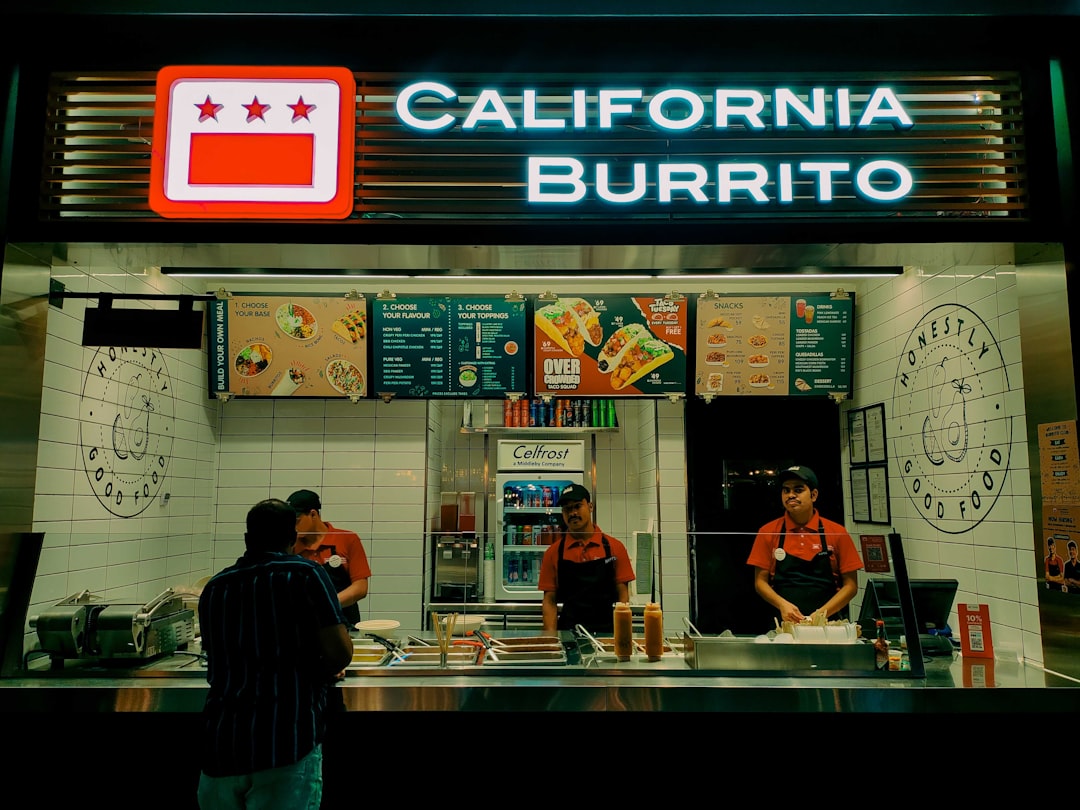
You’ve probably grabbed a burger or a burrito in California, and as you swipe your card, you might occasionally wonder about the person behind the counter. For years, the wages of fast-food workers have been a topic of fervent discussion, a cornerstone of broader economic debates. Now, with the implementation of AB 1228, a new landscape is emerging for these essential workers. You’re not just witnessing a legislative change; you’re observing a significant shift in a multi-billion-dollar industry, one that directly impacts you, not only as a consumer but as a citizen in a dynamic economic ecosystem.
Before delving into the specifics of salaries, it’s crucial for you to grasp the legislative bedrock supporting these shifts. Assembly Bill 1228, signed into law by Governor Gavin Newsom, didn’t appear out of thin air. It represents the culmination of protracted negotiations, labor advocacy, and a recognition of the pressures faced by low-wage workers in one of the world’s most expensive states. Think of this bill as a sturdy scaffolding erected to support a segment of the workforce often treated as disposable, now being acknowledged as indispensable. Learn more about the California fast food minimum wage law and its impact on workers and businesses.
The Fast Food Council: A New Regulatory Body
At the heart of AB 1228 is the establishment of the Fast Food Council. This isn’t just another bureaucratic addition; it’s a paradigm shift in how fast-food wages and working conditions are determined. You might be accustomed to individual businesses or traditional collective bargaining units setting these terms. Now, a dedicated body, comprised of representatives from labor, employers, and state agencies, holds the reins. This shared governance model is a bold experiment, a departure from the conventional wisdom that often pits these groups against each other.
- Council Composition and Mandate: The Council is tasked with setting minimum wage standards for fast food restaurants with 60 or more establishments nationwide. Its powers extend beyond just wages, looking at health and safety standards, and other working conditions. You can see this as an attempt to create a more holistic regulatory environment, pushing beyond just the bottom line of a paycheck.
- A “Power-Sharing Compromise”: AB 1228 emerged from a compromise, effectively replacing a more ambitious ballot initiative. For you, this means a negotiated settlement, preventing a potentially more disruptive and divisive public vote. It’s a testament to the power of dialogue, even between historically adversarial groups.
Defining “Fast Food Restaurant”
It might seem straightforward, but “fast food restaurant” has a specific legal definition under AB 1228. You can’t just apply this new law to every eatery. The definition typically focuses on establishments that offer limited service, pre-prepared or quickly prepared food, and operate within a chain of 60 or more nationwide locations. This carve-out is important for you to understand, as it clarifies which businesses and, consequently, which workers are directly impacted by these new regulations.
In recent discussions surrounding the salaries of fast food workers in California, it is important to consider the broader economic implications of wage increases in the fast food industry. A related article that delves into the financial aspects of this issue can be found at How Wealth Grows, which explores how changes in worker compensation can affect both the economy and the livelihoods of employees. This resource provides valuable insights into the ongoing debates about fair wages and the impact on local communities.
The New Wage Floor: What You Need to Know
The most immediate and tangible impact of AB 1228, for both you and the fast-food worker, is the increased minimum wage. This isn’t a small adjustment; it’s a significant leap, reflecting the rising cost of living in California and the persistent efforts to uplift low-wage earners. Imagine a financial tide, previously at low ebb, now beginning to rise substantially.
The Initial Bump: $20.00 Per Hour
As of April 1, 2024, the minimum wage for eligible fast-food workers across California jumped to $20.00 per hour. If you compare this to the state’s general minimum wage, or even the federal minimum, you’ll immediately recognize the magnitude of this increase. For many workers, this isn’t just extra spending money; it’s the difference between struggling to make ends meet and having a sliver of financial breathing room. Think of it as a safety net being significantly reinforced.
- Impact on Worker Earnings: For a full-time fast-food worker, this translates to an additional few thousand dollars annually. This isn’t merely theoretical; it directly impacts their ability to pay rent, buy groceries, and cover other essential expenses in a state renowned for its high cost of living. You can envision a direct and immediate improvement in the quality of life for potentially hundreds of thousands of Californians.
- Exemptions and Nuances: It’s important for you to note that there are some exemptions. For instance, restaurants that bake and sell bread as a standalone menu item and employ in-house bakers are generally exempt. These specific details are crucial for you to accurately apply the law’s provisions.
Future Adjustments: An Annual Recalibration
The $20.00 an hour is not a static figure. The Fast Food Council is empowered to propose annual wage increases, starting in 2025. These adjustments will be capped at either 3.5% or the annual change in the U.S. Consumer Price Index for Urban Wage Earners and Clerical Workers (CPI-W), whichever is lower. For you, this means a built-in mechanism for continuous wage improvement, a recognition that the cost of living doesn’t stand still.
- Inflationary Safeguards: This indexing to inflation is a critical component, acknowledging that a fixed wage can quickly erode in purchasing power. You can consider this a proactive measure to prevent fast-food workers from falling behind economically, ensuring their wages maintain their real value over time.
- Predictability for Businesses: While wages are increasing, the capped adjustments also offer a degree of predictability for businesses. They won’t face arbitrary or excessively large increases year after year, allowing them to plan their budgets and operational strategies with more certainty.
Economic Ripple Effects: Beyond the Paycheck
The implementation of AB 1228 isn’t an isolated event. It’s a stone thrown into a pond, creating ripples that extend far beyond the immediate increase in worker wages. You, as a consumer and a participant in the economy, will likely experience these effects in various ways. Think of it as a complex interconnected system, where a change in one area invariably triggers responses in others.
Potential Price Increases for Consumers
One of the most frequently cited concerns, and a direct impact you might observe, is the potential for higher prices at fast-food establishments. When labor costs increase significantly, businesses often look for ways to mitigate these expenses, and passing some of that cost onto the consumer through price adjustments is a common strategy.
- The Cost-Benefit Balancing Act: For you, this presents a subtle dilemma. Do you prioritize lower prices for your convenience, or do you view the higher cost as a necessary contribution to fair wages for essential workers? It’s a reflection of your individual economic and social values.
- Elasticity of Demand: The extent to which prices increase, and whether consumers remain loyal to fast food, is a key economic factor. If prices rise too high, some consumers might reduce their fast-food consumption or opt for alternative food choices, impacting the industry’s overall revenue.
Automation and Operational Adjustments
Another anticipated ripple effect is an accelerated move towards automation within the fast-food industry. If labor becomes more expensive, businesses may invest more heavily in technology that can perform tasks traditionally done by human workers, such as self-ordering kiosks, automated beverage dispensers, or even robotic food preparation.
- Efficiency vs. Employment: For you, this represents a trade-off. Increased automation can lead to greater efficiency and potentially lower operational costs, but it also raises questions about future employment levels in the sector. You might find yourself interacting with more machines and fewer people.
- Shifting Skill Sets: If automation gains traction, the jobs that remain might require different skill sets, moving away from simple order-taking towards roles focused on maintenance, oversight, and customer service for automated systems.
Impact on Small Businesses and Franchises
While AB 1228 primarily targets fast-food chains with 60 or more locations, the ripple effects can still be felt by smaller, independent fast-food businesses and individual franchisees. Many franchisees operate on relatively thin margins, and significant increases in labor costs can pose substantial challenges.
- Competitive Pressure: Smaller businesses that are not directly subject to the $20 minimum wage might still face pressure to raise their own wages to attract and retain employees who now have higher-paying options at larger chains. You might see a general upward trend in wages across the broader food service sector.
- Franchisee Dynamics: For franchisees, negotiating these wage increases with the overarching corporate brand can be complex. They bear the direct cost of labor but are often subject to corporate pricing strategies and operational mandates. You can imagine the tension this creates within those business relationships.
The Broader Context: A National Trend?
You might wonder if California’s bold move is an isolated incident or a harbinger of wider changes. The push for higher minimum wages and improved working conditions for low-wage earners is not unique to California. It’s part of a nationwide, and even global, conversation about economic inequality and the value of labor.
The “Fight for $15” Legacy
The seeds of AB 1228 were sown years ago with the “Fight for $15” movement, which successfully advocated for increasing the minimum wage in numerous cities and states across the U.S. California’s new law can be seen as a natural evolution of this movement, specifically targeting the fast-food sector. You are observing the fruition of prolonged advocacy and public pressure.
- Shifting Public Perception: This movement has fundamentally shifted public perception about minimum wage. What was once considered a radical demand is now increasingly viewed as a necessary adjustment to reflect current economic realities. You are likely witnessing a change in societal norms around fair compensation.
- State-Level Innovation: While federal minimum wage remains stagnant, states and localities have become laboratories for economic policy, testing different approaches to address wage disparities. California often leads these legislative trends, providing a blueprint or a cautionary tale for other regions.
Lessons from Other High-Wage Markets
You can look to other jurisdictions that have implemented higher minimum wages to gain insight into potential long-term effects. Cities like Seattle and New York City have served as early test cases, providing valuable data on employment levels, business adaptations, and consumer behavior in response to significant wage hikes.
- Mixed Economic Signals: The data from these cities often presents a complex picture, with economists debating the precise impact on employment and inflation. You’ll find studies supporting both positive and negative outcomes, highlighting the challenge of isolating specific variables in a dynamic economy.
- Industry Resilience: Despite initial concerns, many industries in these high-wage markets have shown a remarkable ability to adapt, innovating their business models, improving efficiency, and absorbing some of the costs. This suggests that the fast-food industry in California may also find ways to adjust without catastrophic disruption.
In recent discussions about the wages of fast food workers in California, many have been examining the impact of rising living costs on their salaries. A related article explores how these changes are influencing the overall economic landscape for low-wage workers in the state. For more insights on this topic, you can read the full article here. This examination sheds light on the challenges faced by those in the fast food industry and the ongoing debates surrounding minimum wage policies.
Beyond the Wage: A Holistic View of Employment
| Job Title | Average Hourly Wage | Average Annual Salary | Minimum Wage in California | Typical Benefits |
|---|---|---|---|---|
| Fast Food Worker | 15.50 | 32,240 | 15.50 | Employee discounts, flexible hours |
| Shift Supervisor | 17.75 | 36,920 | 15.50 | Health insurance, paid time off |
| Assistant Manager | 20.00 | 41,600 | 15.50 | Health insurance, bonuses, paid time off |
| Store Manager | 25.00 | 52,000 | 15.50 | Health insurance, bonuses, paid time off, retirement plans |
While the hourly wage is undoubtedly the headline, you should understand that AB 1228 and the Fast Food Council are designed to address more than just the dollar amount on a paycheck. They represent an attempt to create a more equitable and dignified working environment. Think of it as constructing a complete structure, not just laying a single brick.
Improved Working Conditions
The Fast Food Council’s mandate extends to establishing standards on working conditions beyond wages. This could include aspects like scheduling predictability, health and safety protocols, and protections against wage theft or discrimination. For you, this means a potential improvement in the overall quality of fast-food jobs, making them more sustainable careers.
- Worker Dignity: These non-wage aspects are crucial for fostering a sense of dignity and respect among fast-food workers. You might find that stable schedules or better safety measures contribute significantly to worker morale and retention, reducing turnover.
- Industry Accountability: The Council’s oversight functions as a mechanism to hold fast-food employers accountable for maintaining a safe and fair workplace, moving beyond simple compliance with existing labor laws.
Challenges and Future Outlook
No significant legislative change is without its challenges, and AB 1228 is no exception. You can anticipate ongoing debates and adjustments as the law takes full effect and its economic consequences become clearer.
- Adaptation Period for Businesses: Businesses will need time to adapt to the new wage structure, adjust their pricing, and potentially re-evaluate staffing models. You might see some initial hesitancy or even resistance to these changes.
- Ongoing Advocacy: Labor advocates will likely continue to monitor the implementation closely, pushing for robust enforcement and further improvements where needed. On the other hand, business groups will likely remain vigilant, ensuring the Council’s decisions are balanced and fair. The dialogue will continue, shaping the future landscape of fast-food employment in California.
In conclusion, you’ve witnessed a significant legislative maneuver in California, reshaping the economic landscape for fast-food workers. The $20 per hour minimum wage is just the most visible tip of an iceberg that includes a new regulatory body, future wage adjustments, and broader implications for consumers, businesses, and the very nature of low-wage work. As you grab your next meal in a California fast-food establishment, remember that you are participating in an evolving economic experiment, one with far-reaching consequences for millions.
WATCH THIS! 🍔💰 California’s $20 Fast Food Wage: Big Paychecks or Big Layoffs?
FAQs
What is the average salary of fast food workers in California?
The average salary of fast food workers in California varies but typically ranges from minimum wage to around $20 per hour, depending on experience, location, and employer.
What is the minimum wage for fast food workers in California?
As of 2024, the minimum wage in California is $15.50 per hour for all employers, including fast food workers. Some cities and counties may have higher minimum wages.
Do fast food workers in California receive benefits?
Benefits for fast food workers in California vary by employer. Some may offer health insurance, paid time off, and employee discounts, but many fast food positions are part-time and may not include extensive benefits.
Are fast food workers in California eligible for overtime pay?
Yes, fast food workers in California are generally eligible for overtime pay, which is typically 1.5 times their regular hourly rate for hours worked over 8 in a day or 40 in a week.
How does the cost of living in California affect fast food workers’ salaries?
California has a high cost of living, which influences wage laws and minimum wage increases. Despite higher wages compared to some other states, many fast food workers still find it challenging to cover living expenses.
Have there been recent changes to fast food workers’ wages in California?
California has seen gradual increases in the minimum wage over recent years, with ongoing discussions about further raising wages and improving working conditions for fast food workers.
Are there any laws specific to fast food workers’ wages in California?
Yes, California has specific labor laws that protect fast food workers, including minimum wage standards, overtime rules, and regulations on breaks and working conditions.
Can fast food workers in California earn more than the minimum wage?
Yes, fast food workers can earn more than the minimum wage based on factors such as experience, job role (e.g., shift supervisor), location, and employer policies.